Testing Metric
Textile flammability evaluation provides a structured approach for the assessment of surface ignition in soft goods. The iso 22744-1 document specifies the methodology for measuring the propagation rate of flames across a fabric surface under controlled laboratory conditions. It applies exclusively to the horizontal flame spread testing of materials used in apparel and home textiles.
This procedure excludes floor coverings and materials intended for outdoor structures.
Ignition Protocol
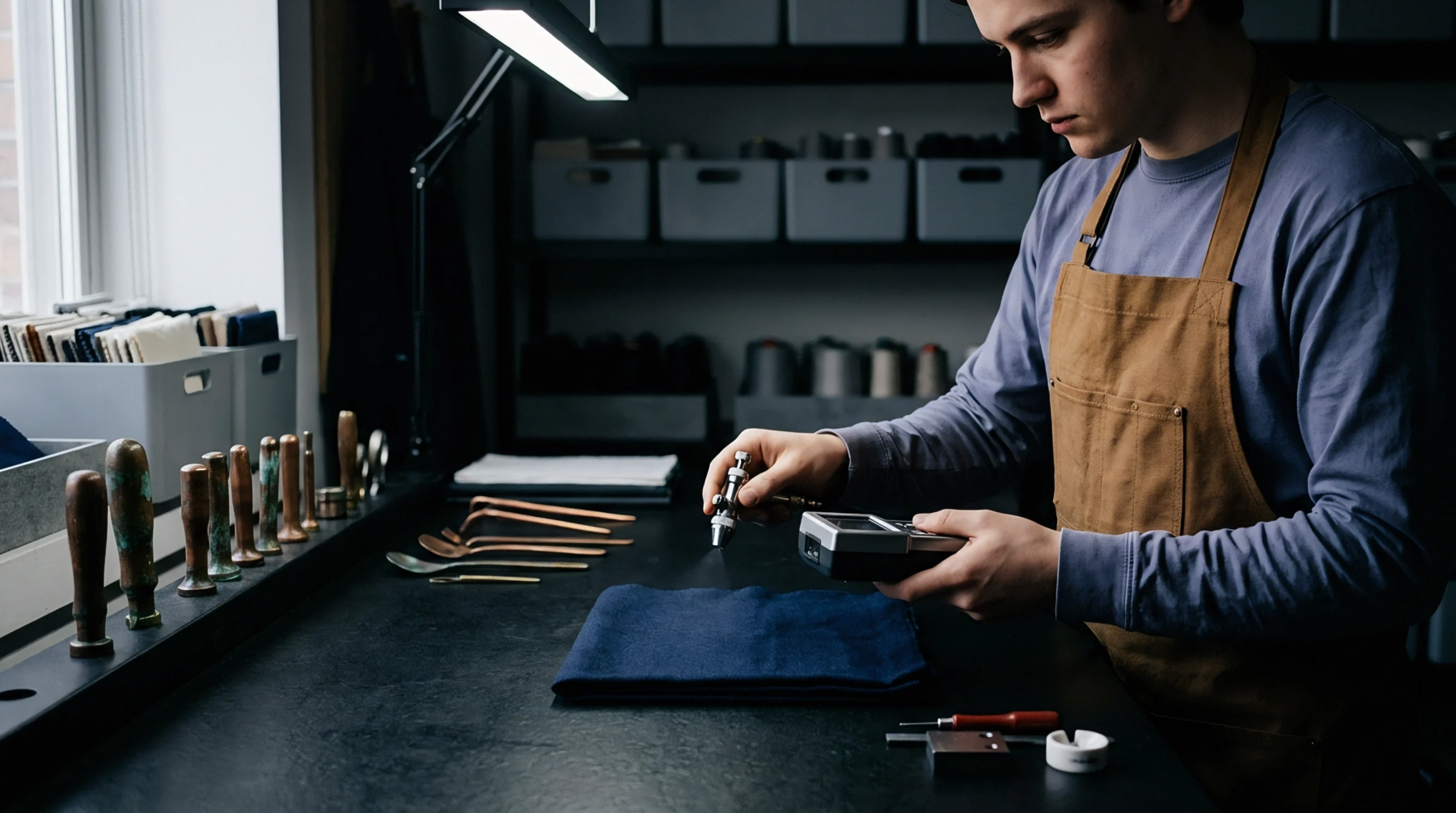
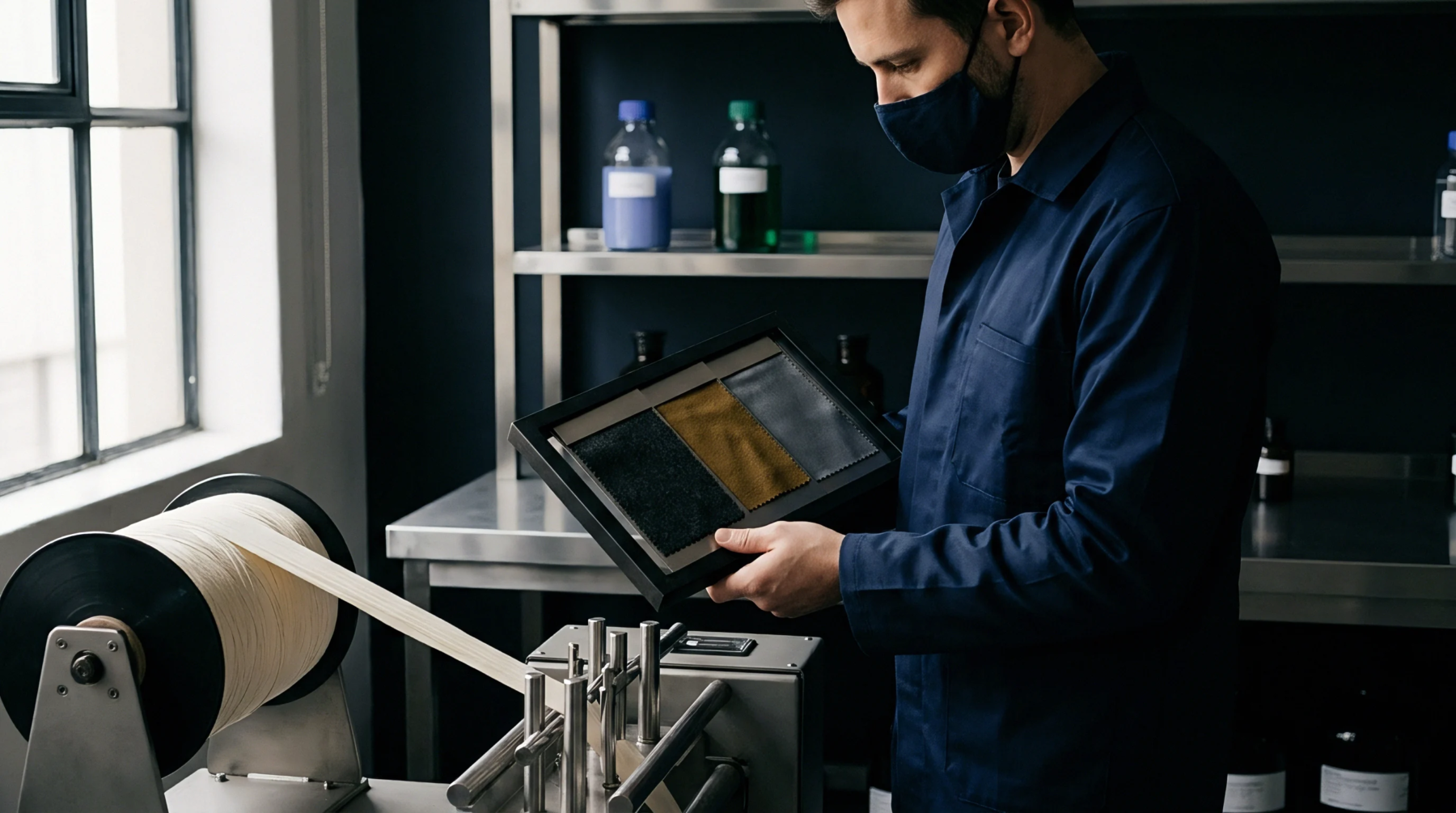
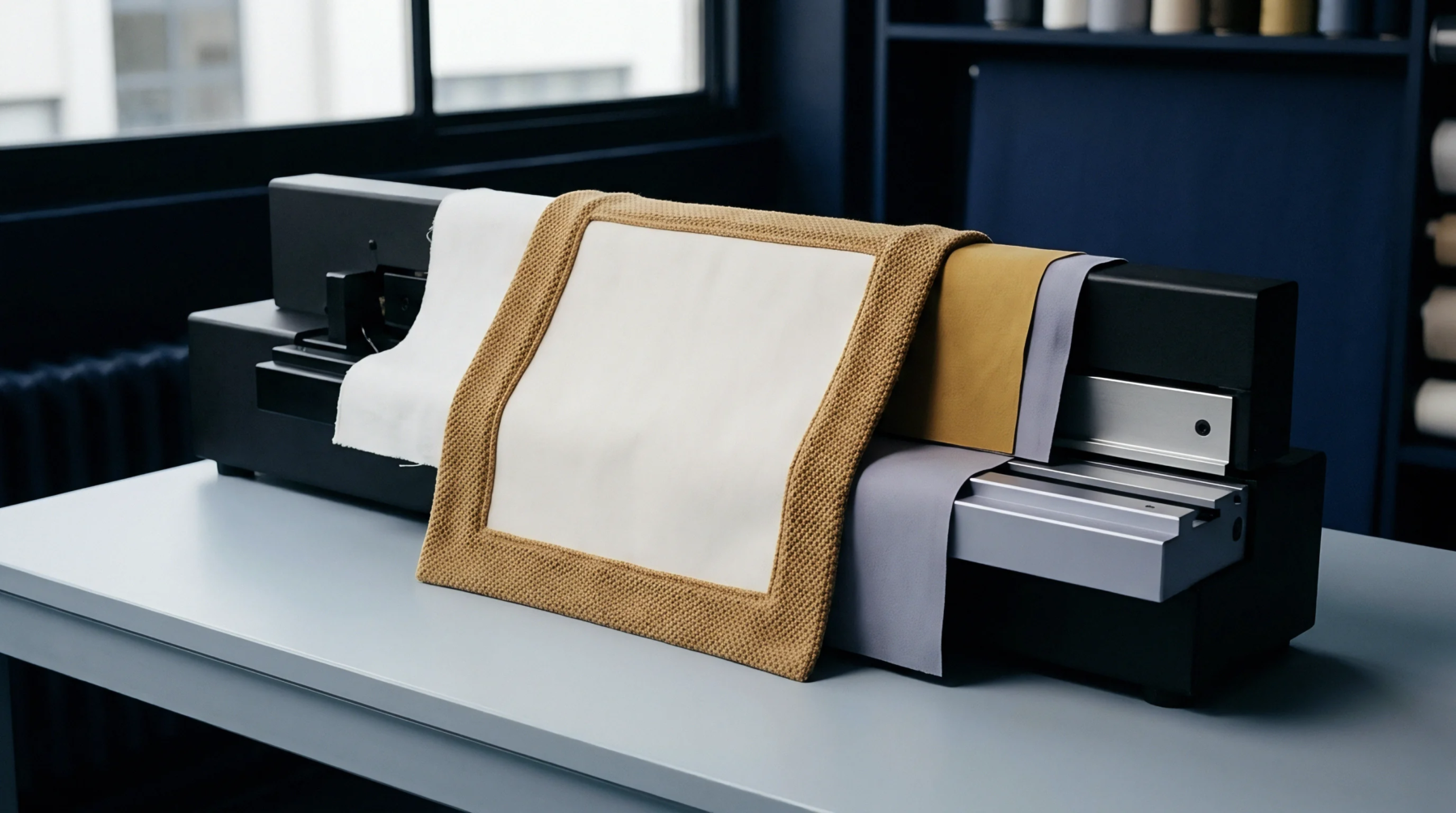
Specimens undergo a fixed sequence of preparation steps including conditioning at specified humidity and temperature levels. Once stabilized, the fabric sits on a frame to ensure uniform tension across the surface during exposure to the heat source. A burner provides the calibrated flame for a set duration, targeting the edge of the material specimen.
Technicians monitor the movement of the flame front relative to time markers placed along the testing rack. The total duration for the fire to traverse the specified distance determines the rate of spread.
Performance Limit
Laboratory personnel document the results by calculating the speed in millimeters per second. Failure occurs when the rate of flame propagation exceeds the threshold defined by local safety regulations or voluntary product standards. Fabrics showing rapid consumption of material under this protocol require chemical flame retardant treatments to pass verification.
A higher density of natural fibres often correlates with variable burn times compared to synthetic counterparts treated with fire suppressants. This measurement provides the basis for classifying materials regarding their fire safety performance in finished garments.
Equipment Requirement
Precision calibration of the burner gas pressure remains a prerequisite for generating reproducible test data. The ventilation chamber needs to remain free from ambient drafts throughout the procedure to prevent artificial acceleration of the flame front. Sensors detect the interruption of optical beams as the flame passes each defined marker.
Automated timers record the interval between these triggers to maintain consistency between batches. Reliability of the final report depends upon the strict maintenance of the gas flow rate and the physical alignment of the specimen holder. Accurate data collection under these conditions confirms the compliance of the textile material for commercial use.