Finishing Machine
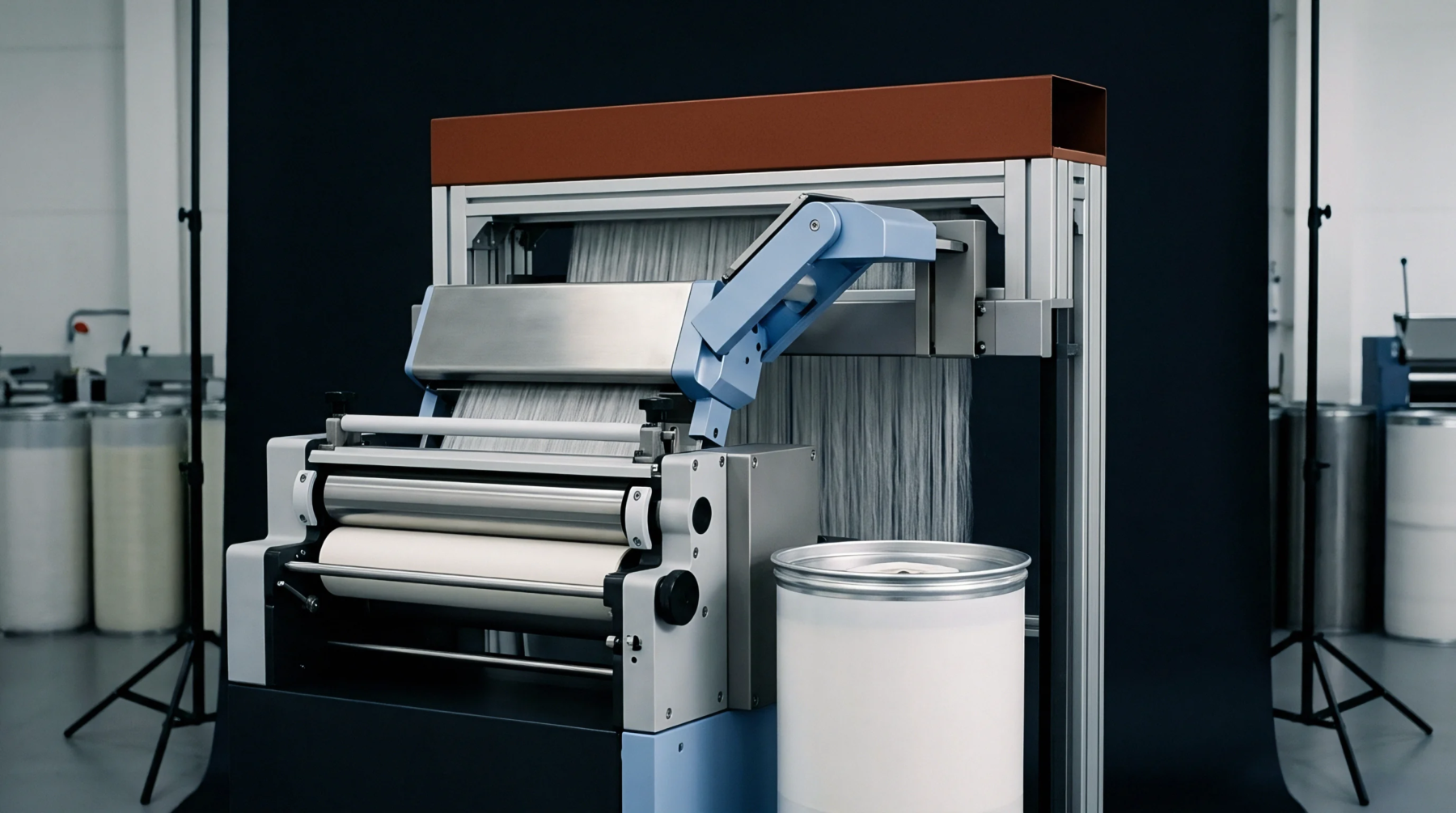
Industrial machinery used in textile finishing applies controlled tension and heat to fabric to set its final dimensions and physical properties. This stenter frame works by gripping the edges of the material with pins or clips and transporting it through a long heating chamber. It is primarily used to dry the fabric after wet processing and to stabilize the width and the grain of the textile.
The machine can also be used to apply chemical finishes such as softeners and water repellents through a padding mangle at the entry point. This process ensures that the fabric is straight, flat and ready for the cutting table. It represents the final mechanical adjustment in the production of high quality cloth.
Mechanical Control
Operation of the machine involves precise adjustments of the width and the speed of the transport chains. In the stenter frame, the fabric is stretched laterally to a target width that has been pre determined by the design specifications. This tension prevents the fabric from curling or wrinkling during the drying process.
An overfeed mechanism can be used to crowd more fabric onto the pins, which helps to reduce the residual shrinkage in the final garment. If the fabric is pulled too tightly, it may suffer from distorted weft lines or weakened fibres. Modern machines use sensors to monitor the moisture content and the temperature of the fabric as it passes through the different heat zones.
These controls ensure that the fabric is neither overdried nor underprocessed.
Thermal Treatment
Thermal settings are adjusted based on the fibre type and the specific finish being applied to the material. For synthetic fibres like polyester, the stenter frame is used for heat setting, which locks the molecular structure of the plastic in place. This ensures that the garment will maintain its shape and resist wrinkling throughout its life.
Natural fibres like cotton require lower temperatures and higher humidity to prevent the fabric from becoming brittle. The cooling section at the end of the machine is equally important as it brings the fabric back to room temperature before it is wound onto the final roll. This prevents the formation of permanent creases in the hot material.
Proper thermal management is the key to achieving a stable and high quality finish.
Commercial Quality
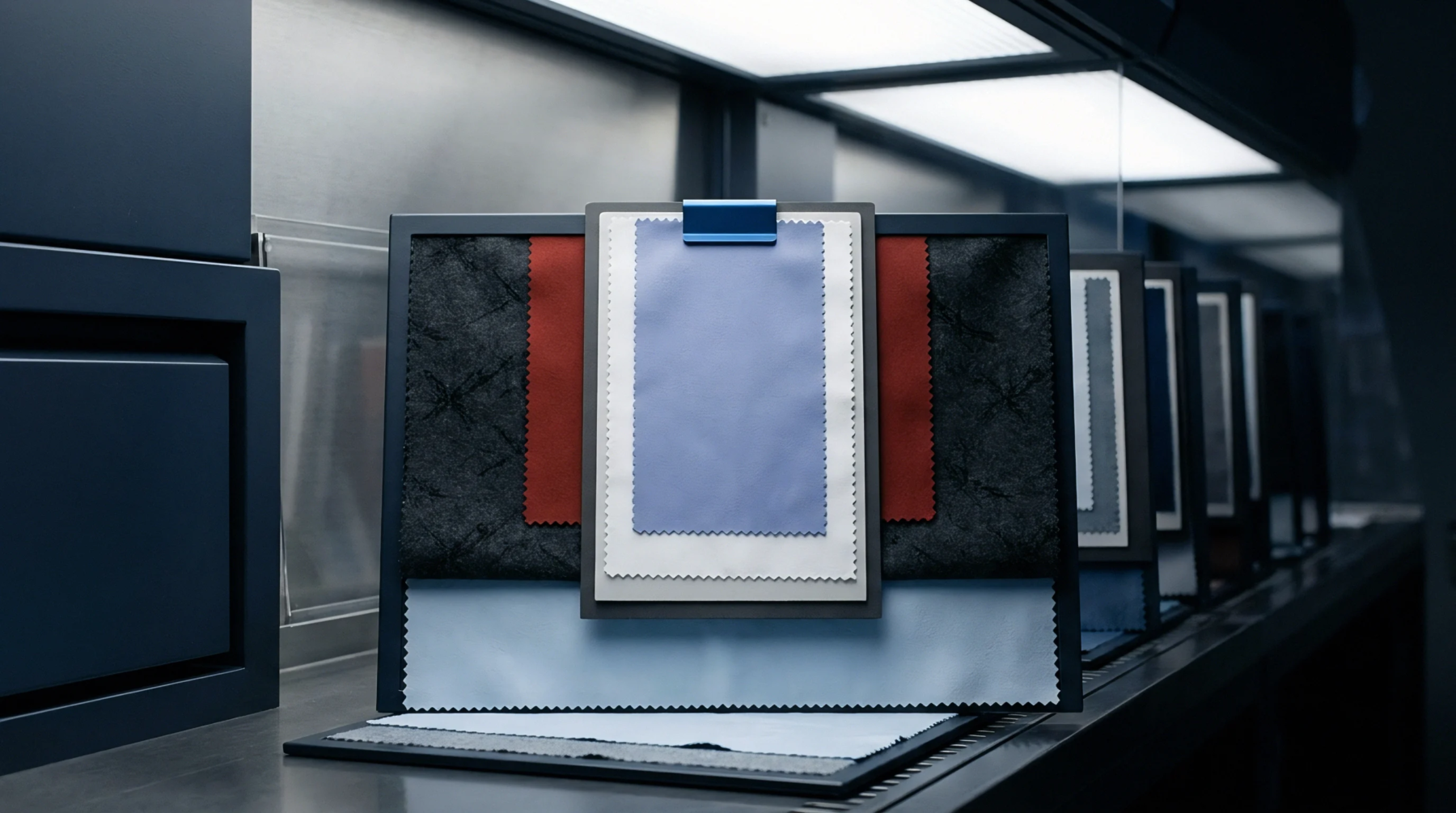
Verification of the final width and the weight occurs immediately after the fabric leaves the cooling zone. Technicians measure the distance between the selvedges and check the number of courses or picks per inch to ensure they meet the specifications. If the fabric does not meet the target, the stenter frame settings must be adjusted for the next batch.
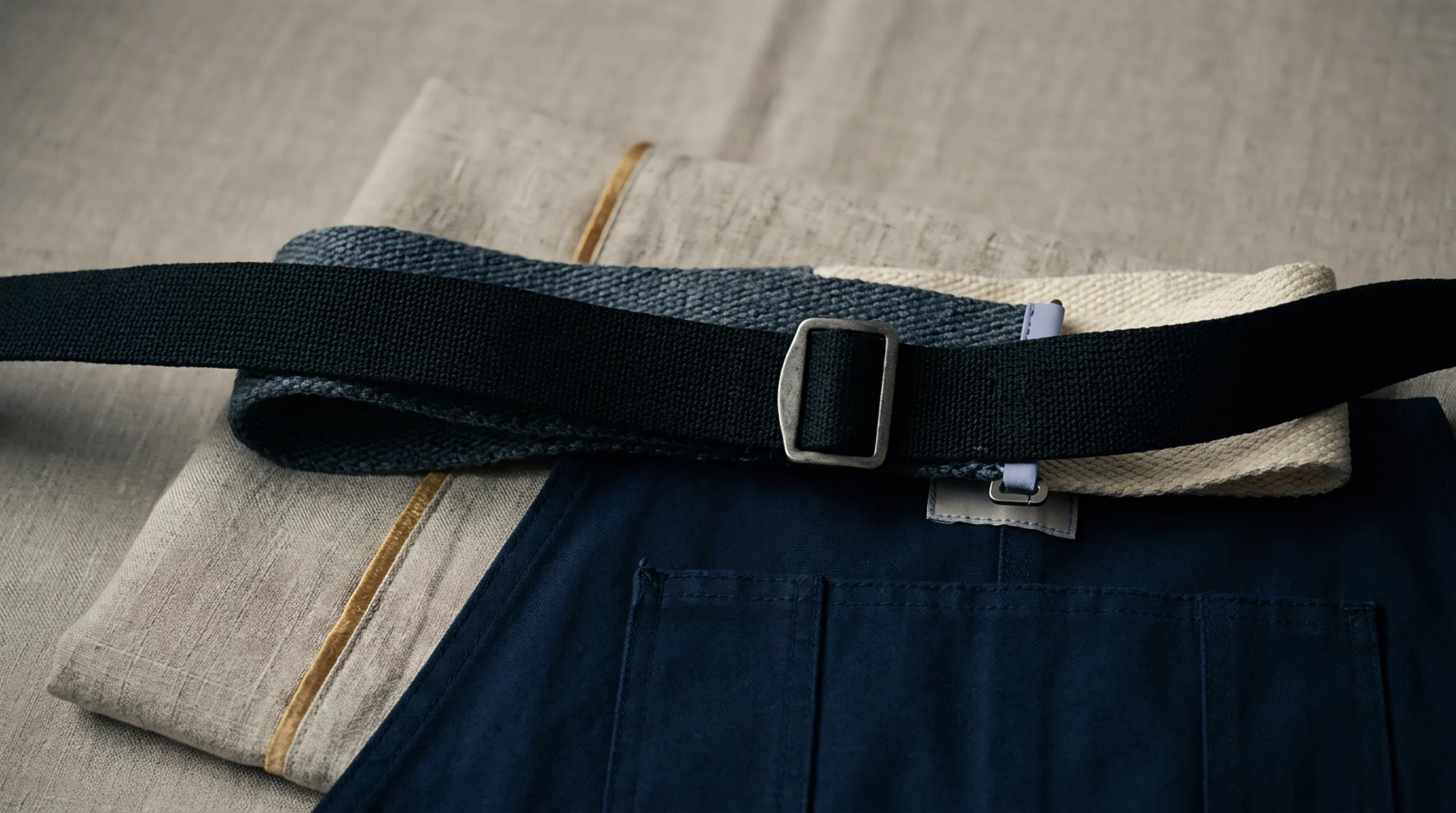
The machine also ensures that the selvedges are trimmed or pressed neatly to facilitate easy handling in the garment factory. Any variation in the width across the length of the roll will cause problems during the cutting and sewing stages. Final inspection of the fabric surface confirms that the machine has not caused any pin holes or tears.
Reliable finishing is essential for consumer satisfaction.