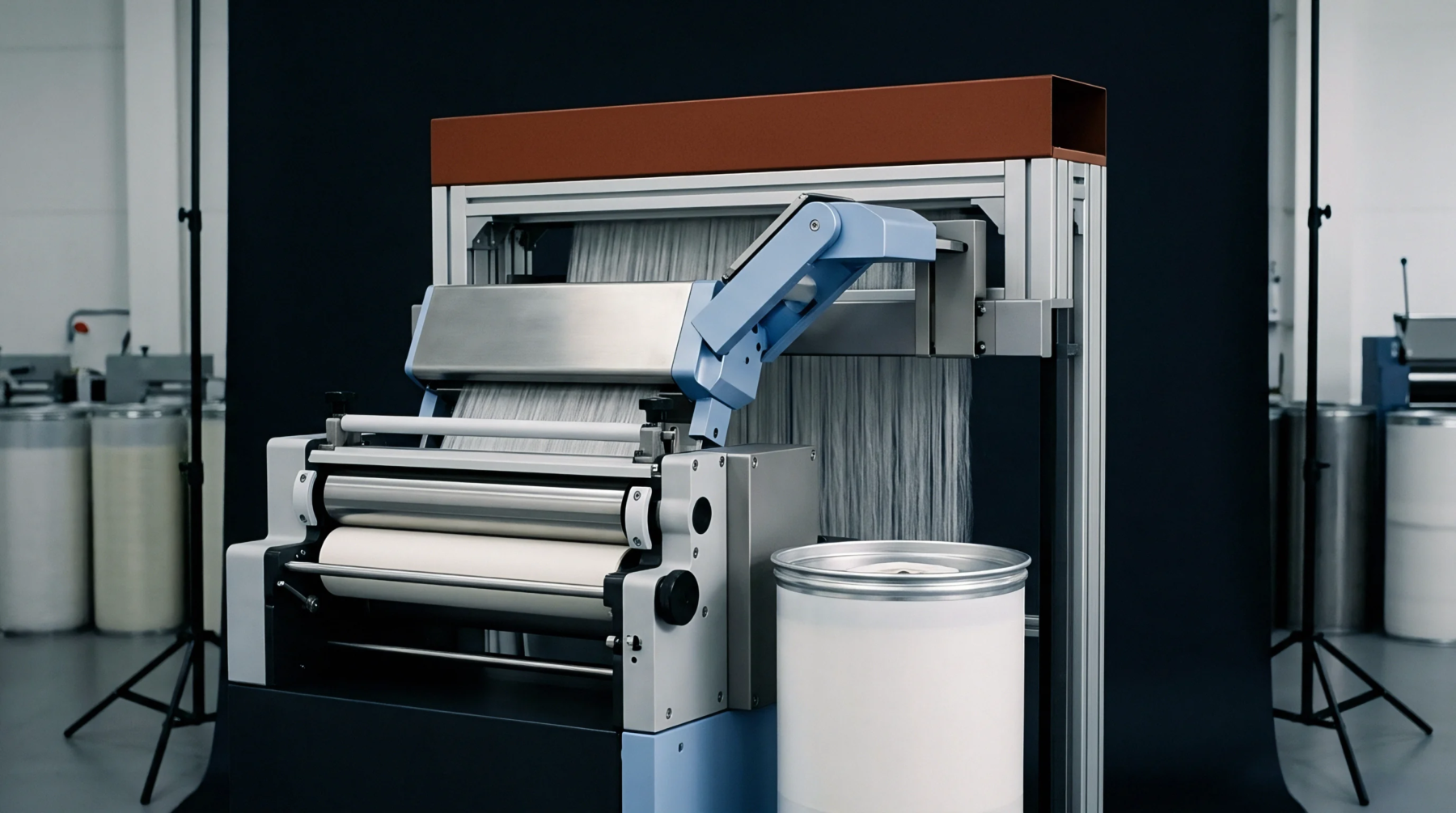
Initial Loss
Machine calibration requires running a small amount of material through the system to verify settings. This unusable material is known as setup scrap and is a standard part of the manufacturing overhead. It occurs in weaving, dyeing, and finishing stages.
Calibration Accuracy
Technicians adjust tension and temperature using these first few meters of fabric. Because setup scrap cannot be sold as first-quality goods, factories aim to minimize the length of the lead-in. Modern digital controls help reduce this volume.
Cost Allocation
Budgeting for a production run involves adding a calculated percentage to the raw material order to cover these startup losses. High levels of setup scrap suggest that the equipment is difficult to tune or that the job changes are too frequent. This cost is often absorbed into the unit price of the garment or passed to the buyer as a line item in the manufacturing contract.
Efficiency improves with longer continuous runs where the fixed waste is distributed over a larger volume of finished goods.
Waste Stream
Recyclable fibers from this process are often diverted to non-woven applications or insulation. While setup scrap is an inevitable consequence of machine calibration, tracking the precise weight of this waste helps managers identify mechanical problems. Reducing these losses is a primary goal for sustainability programs.