Tension Regulation
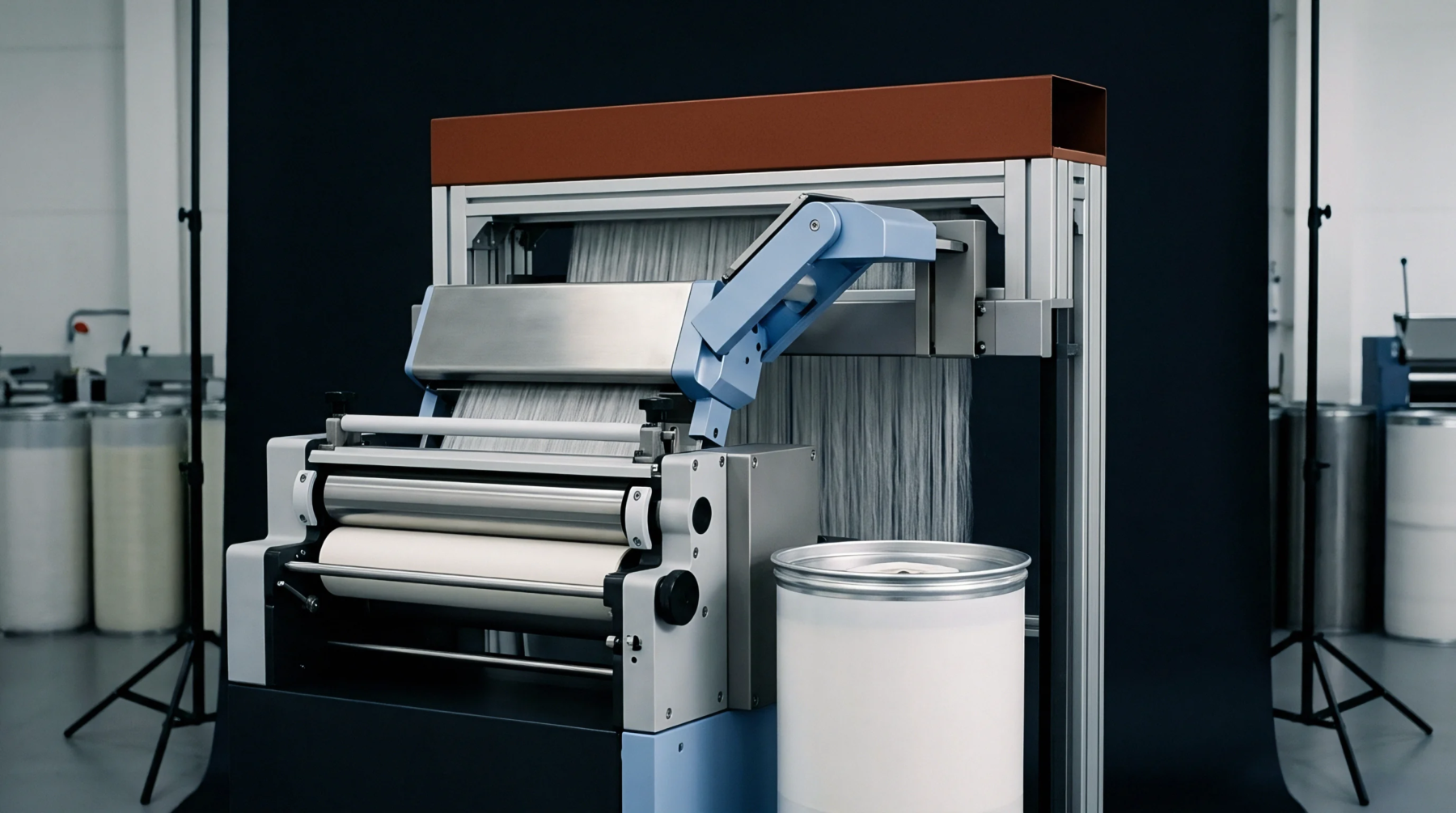
Mechanical adjustment of the speed at which fabric enters a processing machine relative to the speed of the internal conveyor or pins allows for the management of internal stresses. By delivering more fabric than the machine length requires, overfeed control forces the material to bunch slightly, which permits the yarns to settle into a relaxed state.
Dimensional Stability
Lengthwise shrinkage in finished garments often stems from tensions introduced during earlier manufacturing stages like weaving or knitting. Proper overfeed control during the drying or heat setting process compensates for this tension by allowing the fabric to contract before it is cut. This step determines the final weight and density of the material.
Stenter Operation
Pin chains on a drying frame pull the fabric to a specific width while the entry rollers provide the necessary overfeed control to manage the length. If the feed rate is too low, the fabric will be stretched, leading to excessive shrinkage when the consumer washes the final garment.
Relaxed State
Monitoring the results involves measuring the number of courses or picks per inch after the fabric exits the machine. Stable goods show a consistent stitch density that matches the target specification for the finished product.