Cold Pad Batch Reactive Dyeing Control for Dense Woven Twills
Cold pad batch dyeing of dense twills requires low-volume trough turnover, dual-component alkali dosing, and precise rotation to eliminate tailing and core defects.
Wedge

Capillary Dynamics and Fluid Resistance in High Cover Factor Weaves
Dye liquor penetrates dense cellulosic twills against severe hydraulic restriction. A 3/1 warp-faced twill woven at 300 grams per square metre with 42 warp ends per centimetre presents a compact grid. Warp yarns dominate the fabric face, overlapping weft pick intersections to create deep, narrow channels.
As this greige structure passes into the padding nip, air trapped in yarn cores must evacuate within milliseconds to allow complete liquor uptake. Plain weaves permit fast fluid displacement because their inter-yarn pores sit evenly across both faces. Dense twills resist ingress because high warp float packing compresses under nip pressure, choking off capillary access to inner weft bundles.
Controlling liquor pickup in cold pad batch processing requires balancing mechanical squeeze force against the capillary wicking rate. While nip pressure pushes dye solution into fabric interstices, excessive force strips liquor off the face without driving it into yarn cores. Wetting agents lower dynamic surface tension in the pad bath, reducing liquid-solid contact angles to accelerate capillary rise.
In heavy workwear twills, incomplete wetting leaves core fibers dry. During subsequent batching and washing, these dry fibers work their way to the surface under abrasion, causing severe frost marks and poor wash fastness. Ultimately, fabric geometry sets the upper ceiling for fluid intake velocity.
Penetration depth directly dictates final color yield and ring-dyeing severity.
Calculating cover factor establishes the baseline metric for fluid resistance. Based on the Peirce formula, total cover factor combines warp and weft cover to express the area occupied by yarn projections. Once total cover factor exceeds 0.88 in a heavy twill, fluid permeability drops non-linearly.
This tight packing shifts fluid retention from macro-capillary voids between yarns to micro-capillary spaces between cotton fibers inside the yarn bundle. Achieving uniform cross-sectional penetration in these structures demands precise settings for padder trough level, immersion length, and nip roll hardness.
| Fabric Construction | Weight (GSM) | Total Cover Factor | Nip Pressure (N/mm) | Target Wet Pick-Up (%) | Core Penetration Index (%) |
|---|---|---|---|---|---|
| Plain Weave (1/1 Poplin) | 120 | 0.72 | 22 | 65 | 98.5 |
| Twill Weave (2/1 Lightweight) | 190 | 0.81 | 26 | 68 | 95.0 |
| Twill Weave (3/1 Workwear) | 280 | 0.89 | 32 | 72 | 88.2 |
| Twill Weave (3/1 Heavy Industrial) | 340 | 0.94 | 38 | 75 | 81.5 |
Nip Mechanics and Crown Roll Deflection
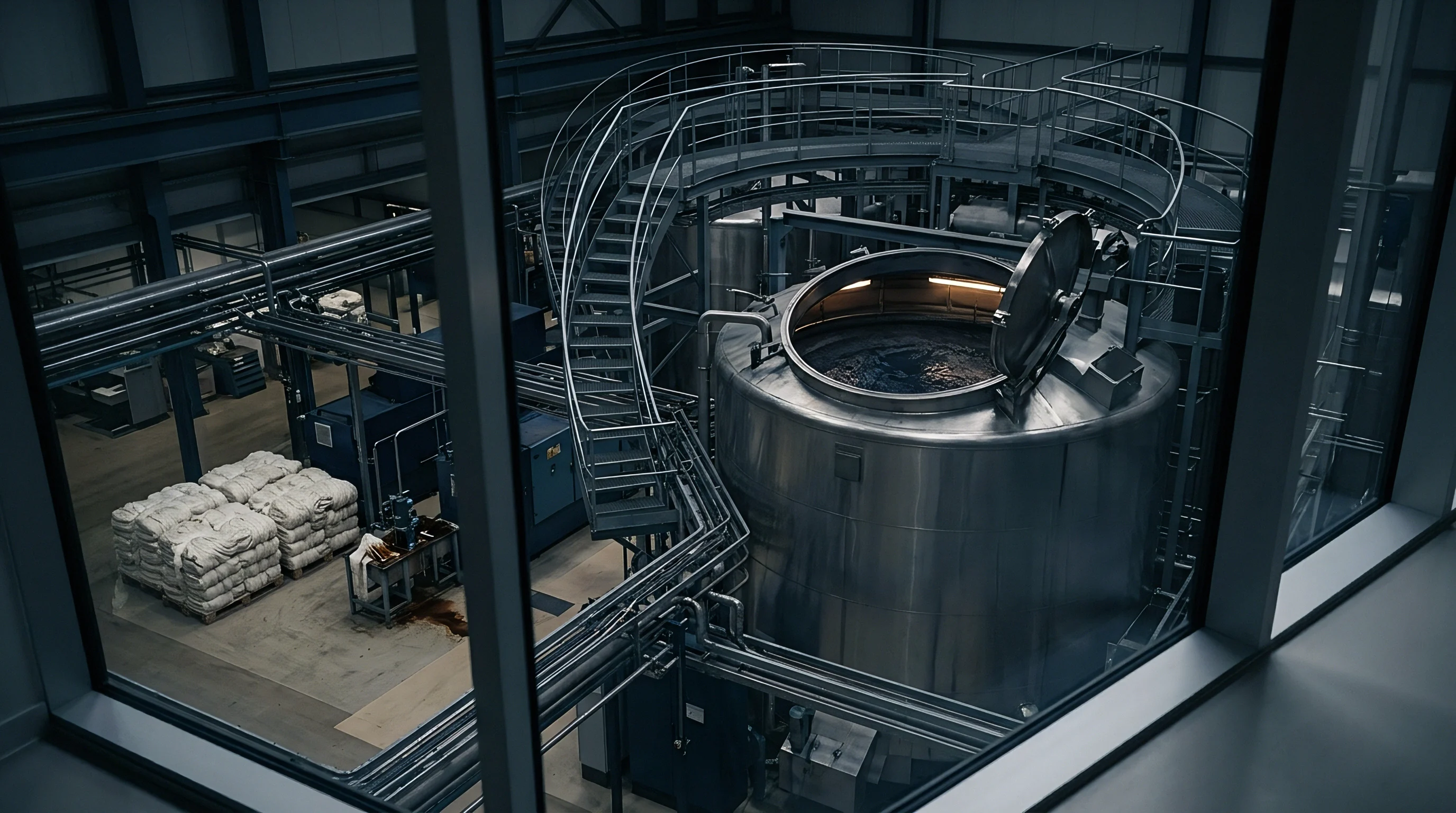
Padder rollers deflect significantly across their working width under heavy mechanical loads. High cover factor twills demand linear nip forces of 30 to 40 Newtons per millimetre to drive liquor into tight yarn intersections. At these pressures, standard cylindrical rollers bow at the center, creating a pressure gradient that squeezes harder at the selvages than in the middle.
The resulting uneven nip yields side-to-centre-to-side shade variation, appearing as dark centers or pale edges across finished rolls. Variable crown or swimming rolls counteract this deflection through internal hydraulic oil chambers that maintain uniform pressure across the roller face.
Nip pressure directly alters interfacial capillary dynamics during impregnation.
Across heavy workwear production lines, rubber cover hardness on padder rolls directly dictates wet pickup uniformity. A soft rubber cover at Shore A 65 flattens wider under load, extending dwell time in the nip zone. This longer dwell improves penetration into dense twills, though it risks pickup variability if the rubber deforms unevenly over time.
Harder covers around 85 Shore A provide precise liquid metering and clean extraction, but reduce the time available for fluid to migrate into thick yarn cores. Dyehouse engineers balance roll diameter and rubber hardness against the specific hydraulic resistance of dense weaves.
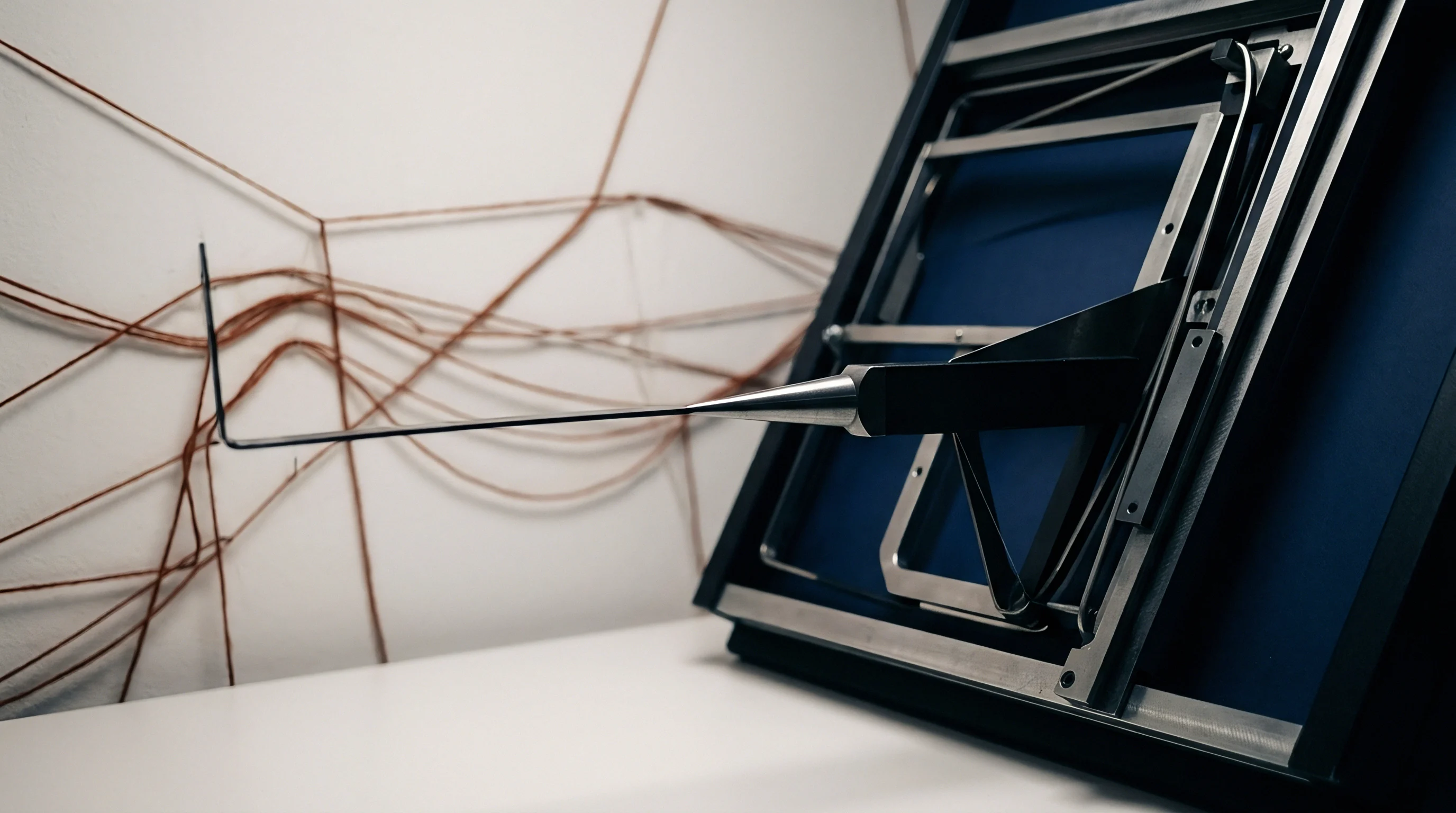
Viscous dye liquor introduces further resistance inside the nip gap. Alkali-mixed bi-functional reactive dyes carry higher viscosity and surface tension than plain water, slowing initial wetting. When fabric running speed outpaces capillary migration, fluid accumulates ahead of the nip into a rolling wedge.
This hydraulic wedge causes turbulence, trapping air bubbles in incoming cloth and leaving pinhole shade marks across the fabric surface. Matching line speed to fabric weight eliminates this hydrodynamic instability.
Dye liquor penetration into dense cellulosic twills operates under severe hydraulic restriction that compresses yarn packing and restricts micro-capillary fluid flow.
Operational Risk Profiles in Greige Preparation and Impregnation
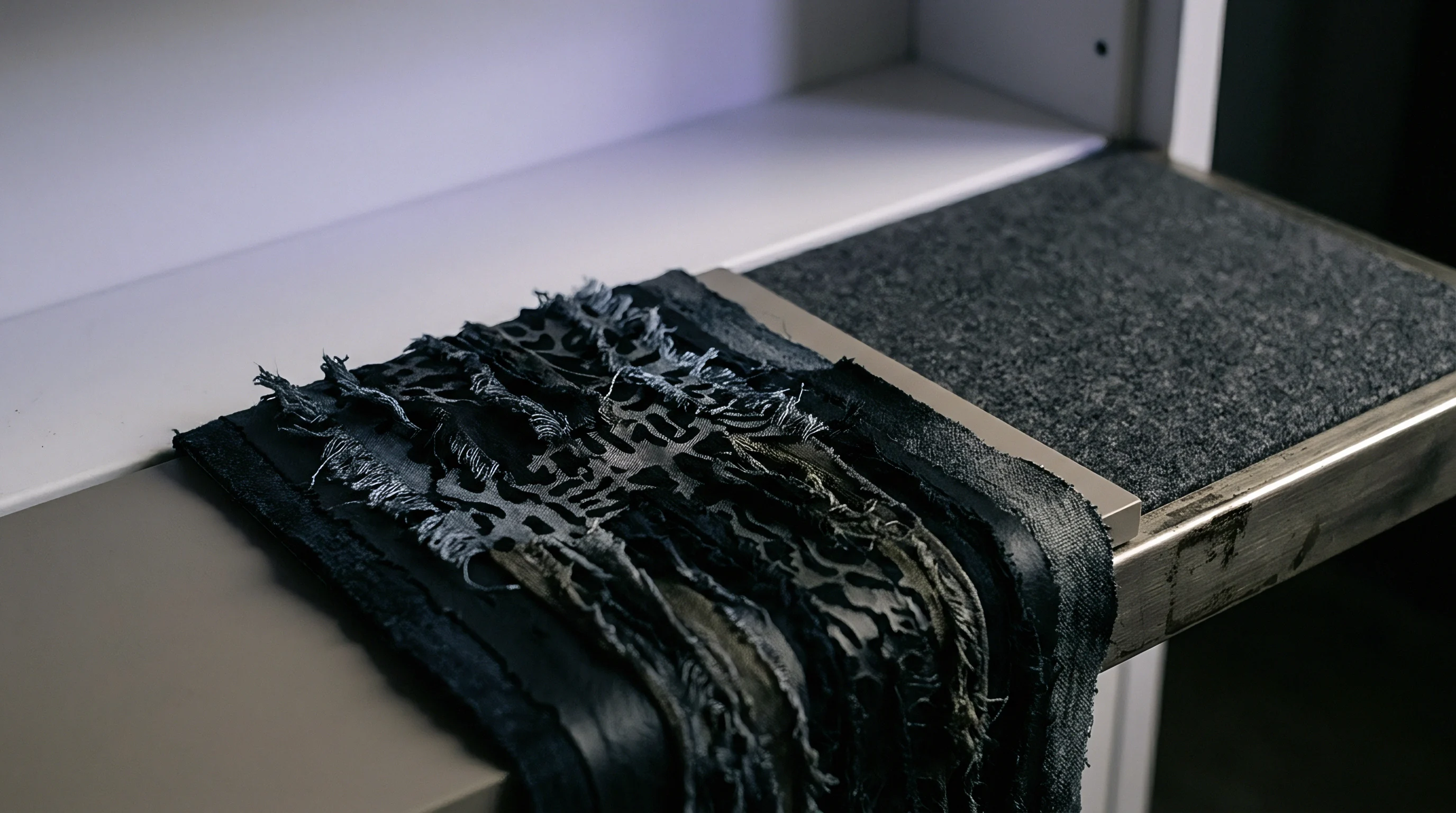
Uneven preparation causes permanent shade defects in cold pad batch dyeing. Common failure modes demonstrate how raw fabric variations compromise dyeing quality in dense twills:
- Residual Sizing Hydrophobicity occurs when synthetic or starch sizes are incompletely washed out during desizing, leaving hydrophobic spots that block dye absorption within dense yarn bundles.
- Pectins and Wax Segregation develops during weak alkaline scouring, creating localized surface tension variations that show up as cloudy patches in dark shades.
- Uneven Mercerization Swelling comes from inconsistent sodium hydroxide concentrations across the fabric width, altering cell lumen structures and creating severe shade bands along warp lines.
- Differential Moisture Regain happens when greige rolls sit in fluctuating ambient humidity, setting up moisture gradients that lead to immediate pickup variations at the mangle.
Desizing and scouring efficiency sets baseline absorbency in heavy twills. ISO 9073-6 sink-time testing requires fluid absorption under three seconds for even padding. Iodine testing for residual size must measure below 0.2 percent by weight; higher residues force reactive dyes to bind with soluble starch rather than cellulose fibers, washing away in final rinses and lowering overall color yield.
Scouring must likewise reduce natural cotton waxes to under 0.3 percent residual extractables to ensure fast, uniform wicking.
Mercerization alters the underlying structure when preparing heavy twills for cold pad batch application. Caustic treatment at 28 to 30 degrees Baumé shifts the cellulose crystal structure from Cellulose I to Cellulose II. The flat, twisted cotton fibers swell into smooth cylindrical profiles, expanding amorphous regions in the fiber matrix.
This increased hydroxyl accessibility boosts reactive dye affinity and total color yield by up to 30 percent while raising tensile strength. However, uneven mercerization across the fabric width causes side-to-centre shade variation that cannot be fixed during padding.
Selecting a target wet pickup depends directly on fabric weight and density. Light poplins perform well at 60 to 65 percent pickup, whereas dense 3/1 twills need 70 to 78 percent to ensure core saturation. Running low pickup on dense twills leaves inner yarn fibers un-dyed, while excess pickup causes liquor to migrate toward the surface during batching.
That surface migration creates tiger-striping or micro-streaks along the twill diagonal. Correctly balancing liquor viscosity, wetting agents, and nip pressure keeps fluid distribution stable through the dwelling stage.
Fabric temperature entering the trough requires continuous monitoring. Hot greige cloth fresh off dry cans heats the padding bath, accelerating premature hydrolysis before liquor can penetrate the weave. Warm fabric also lowers local viscosity, changing target pickup rates and shifting shade depth over a run.
Cooling cans or air-chilling passages should bring cloth down to 20 to 22 degrees Celsius before immersion, protecting both chemical kinetics and physical pickup dynamics.
A tight cover factor severely restricts through-thickness liquor flow.
High cover factor twills absorb liquid slower than open weaves under identical mangle pressure.
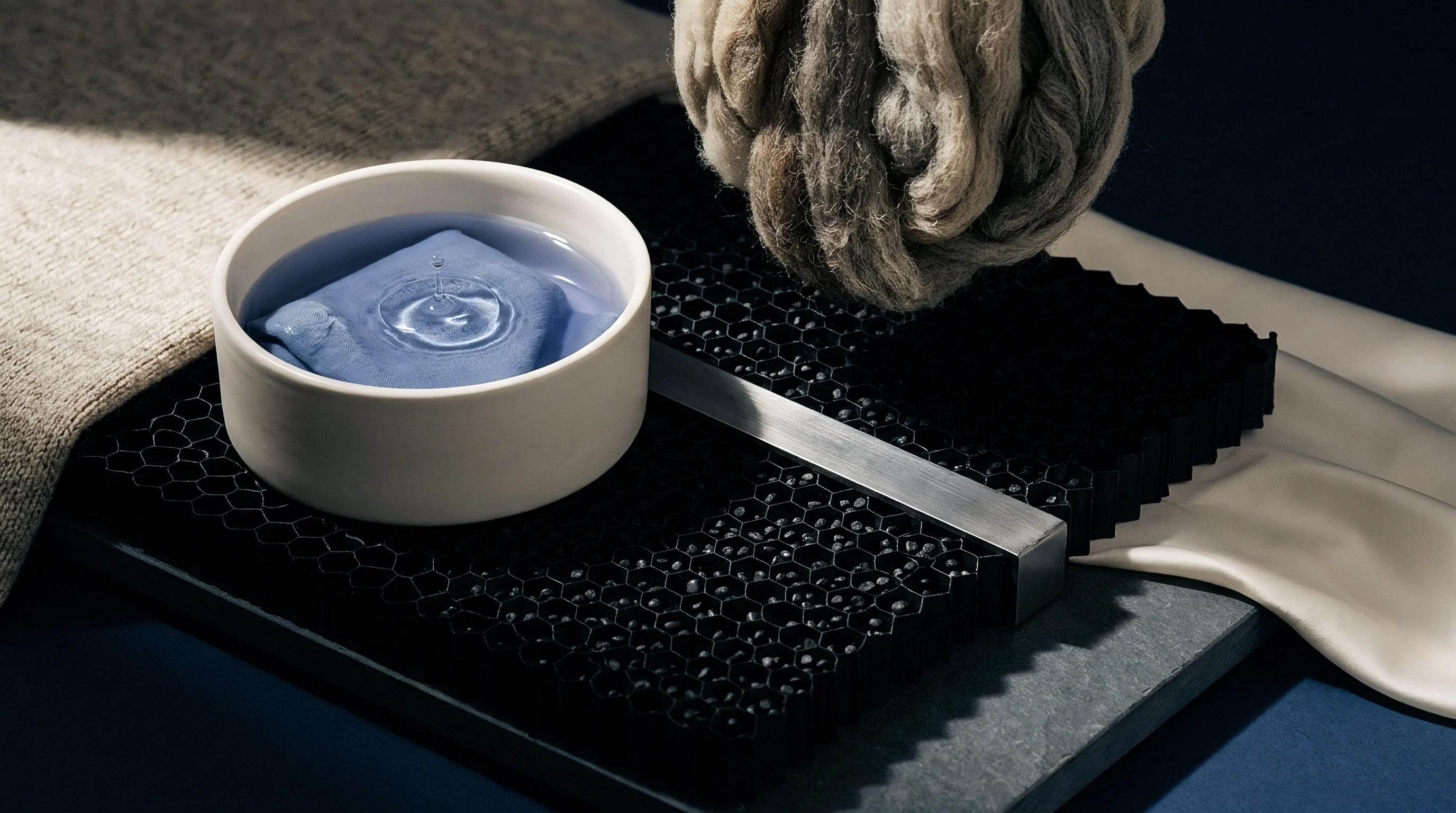

Alkali

Fixation Chemistry and Hydrolysis Rates
Reactive dye fixation on cellulose relies on nucleophilic substitution or addition driven by alkaline pH. Cellulosic hydroxyl groups carry a pKa around 12.5. Adding alkali deprotonates these groups, forming cellulosate anions that attack the reactive centers of dye molecules.
In cold pad batch processing, this reaction occurs at ambient room temperatures across batching cycles of 4 to 24 hours. The main challenge is maximizing cellulosate coupling while suppressing parallel dye hydrolysis, where reactive groups react with hydroxyl ions in water to form unreactive species.
Alkali concentration and bath pH dictate the pace of fixation reactions.
Dye reactivity determines the alkali system chosen for production. High-reactivity dyes with dichlorotriazine or vinyl sulfone chemistry require a lower pH range of 10.5 to 11.5 to prevent premature hydrolysis in the trough. Medium and low-reactivity dyes, including monofluorotriazine and monochlorotriazine types, need stronger alkaline conditions at pH 12.0 to 12.8 to drive cellulosate formation.
Bifunctional systems combining vinyl sulfone and monochlorotriazine groups offer high yields over a wider temperature range, though they require buffered alkali mixtures to balance their differing reaction rates.
Hydrolysis accelerates exponentially as temperature and pH rise. Every 5°C increase in ambient batching temperature doubles the reaction rate with both cellulose and water. If temperatures spike in the batching area, hydrolysis dominates, cutting color yield and shifting shade tone.
Conversely, drops below 18°C slow reaction kinetics drastically, leaving unreacted dye on the fiber after standard dwell times. Controlling room conditions throughout dwelling ensures consistent fixation from roll to roll.
| Alkali System Type | Composition Ratio | Initial Bath pH | Viscosity Shift (mPa·s) | Fixation Yield (%) | Hydrolysis Rate (%/hr) |
|---|---|---|---|---|---|
| Sodium Silicate / NaOH | 38° Be Silicate + 50% NaOH (3:1) | 12.6 – 12.8 | +18.5 | 84.2 | 0.45 |
| Sodium Carbonate / NaOH | 200 g/l Soda Ash + 50% NaOH (4:1) | 11.8 – 12.1 | +2.1 | 78.5 | 0.82 |
| Silicate-Free Buffer A | Polycarboxylate Buffer + NaOH | 11.4 – 11.7 | +1.2 | 81.0 | 0.38 |
| Silicate-Free Buffer B | Phosphonate Complex + Potassium Salt | 12.2 – 12.5 | +3.5 | 83.6 | 0.51 |
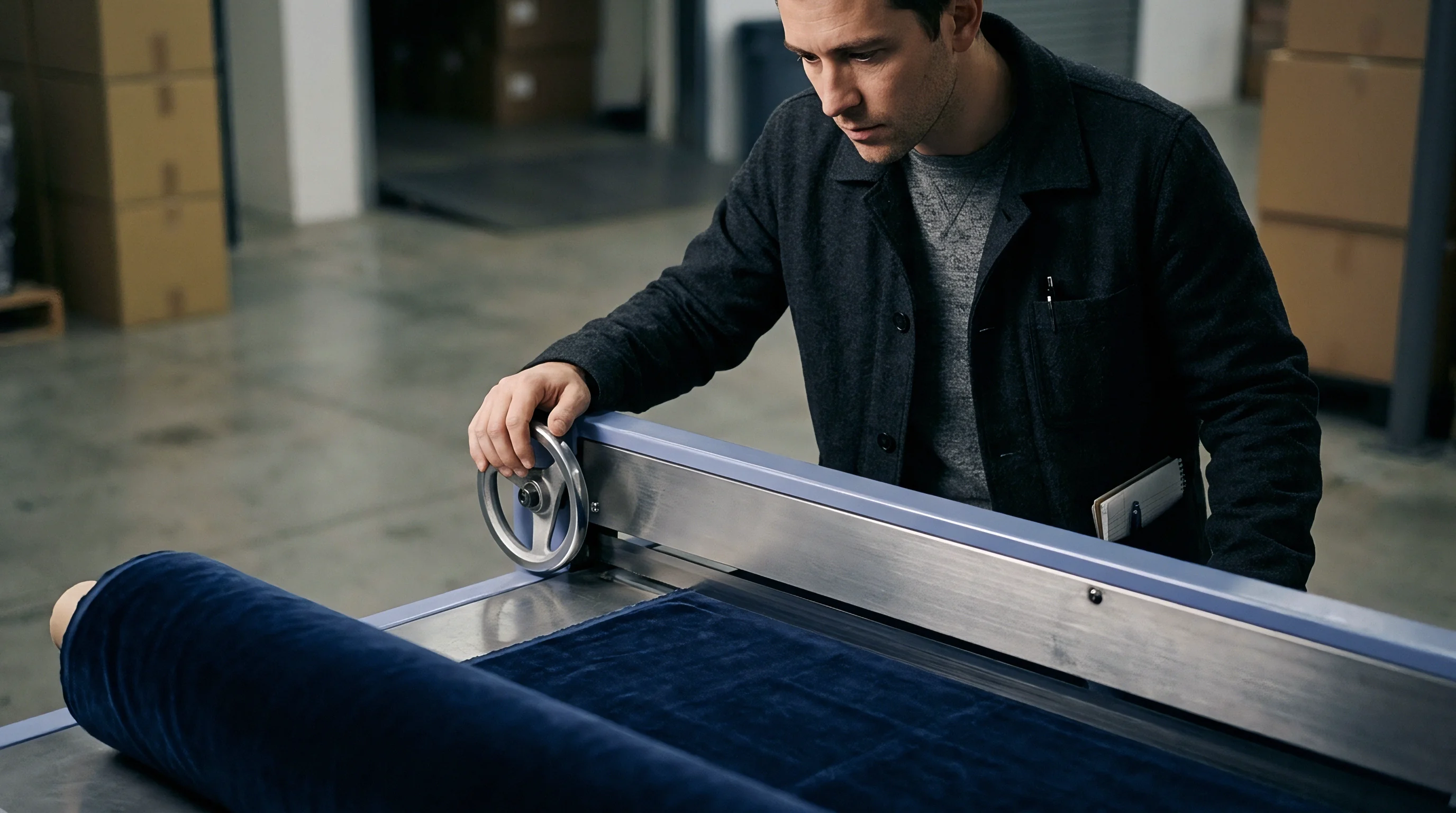
Silicate versus Silicate-Free Buffer Dynamics
Sodium silicate remains common in cold pad batch dyeing because of its strong buffering capacity and chemical stability. Concentrated silicate maintains high alkalinity through extended dwelling, shielding the bath against pH drift from atmospheric carbon dioxide. It also increases liquor density and viscosity, helping suppress surface dye migration on dense twills during early roll rotation.
The trade-offs are operational: silicate forms hard deposits on padder rolls and proves difficult to wash out of heavy fabrics.
Silicate builds a rigid barrier around the yarn bundle structure.
Silicate-free systems rely on sodium carbonate, trisodium phosphate, and liquid organic buffers to drive fixation. These components dissolve fully without leaving mineral scale on equipment or fabric. Washing off silicate-free goods uses less water at lower temperatures, reducing effluent volumes and energy consumption.
The compromise lies in lower buffering capacity ~ silicate-free baths react more readily to atmospheric carbon dioxide and temperature swings, requiring tighter control during continuous dosing.
Viscosity increases from sodium silicate directly alter penetration dynamics in dense weaves. Depending on grade and dilution, silicate pushes dye bath viscosity from 1.2 mPa·s up to 20 mPa·s. In dense 3/1 twills, this higher viscosity impedes fluid transport into yarn cores, resulting in surface-heavy dye distribution that lowers dry rubbing and light fastness.
Silicate-free formulations keep viscosity low, allowing faster capillary migration into tight channels.
Dosing precision governs batch-to-batch shade reproducibility. Standard cold pad batch setups use two-component dosing pumps to keep dye solution separate from alkali until seconds before entering the trough. Pre-mixing dye and alkali in a single tank causes rapid pot-life decay, leading to head-to-tail shade variations over large lots.
Two-component pumps maintain a fixed volumetric ratio ~ typically four parts dye solution to one part alkali concentrate ~ delivering fresh mix directly to the padder.
- Dosing Pump Calibration Verification checks stroke displacement using volumetric cylinders to confirm the four-to-one delivery ratio before opening supply valves.
- Static Mixer Inspection verifies that internal helical elements are clear of crystallized alkali deposits that cause flow turbulence and ratio shifts.
- Trough Level Probe Synchronization aligns float sensors with automatic dosing valves to prevent liquor volume shifts and shade drift during stops.
- pH Monitoring and Recording verifies mixed bath alkalinity every five minutes using temperature-compensated pH electrodes installed in the feed line.
Dosing systems must adapt to changes in line speed. When a pad line slows for roll changes or seam passes, liquor dwell time in the trough increases. Longer residence times allow premature reaction between dye and alkali, building up hydrolyzed dye and softening shade at the start of new rolls.
Modern dosing units use speed-proportional control valves to lower trough volume during slow runs, keeping residence time under five minutes.
Treating organic alkali buffers as direct substitutes for sodium silicate across heavy twills without adjusting batching durations or dosing ratios risks incomplete fixation and shade shifts.
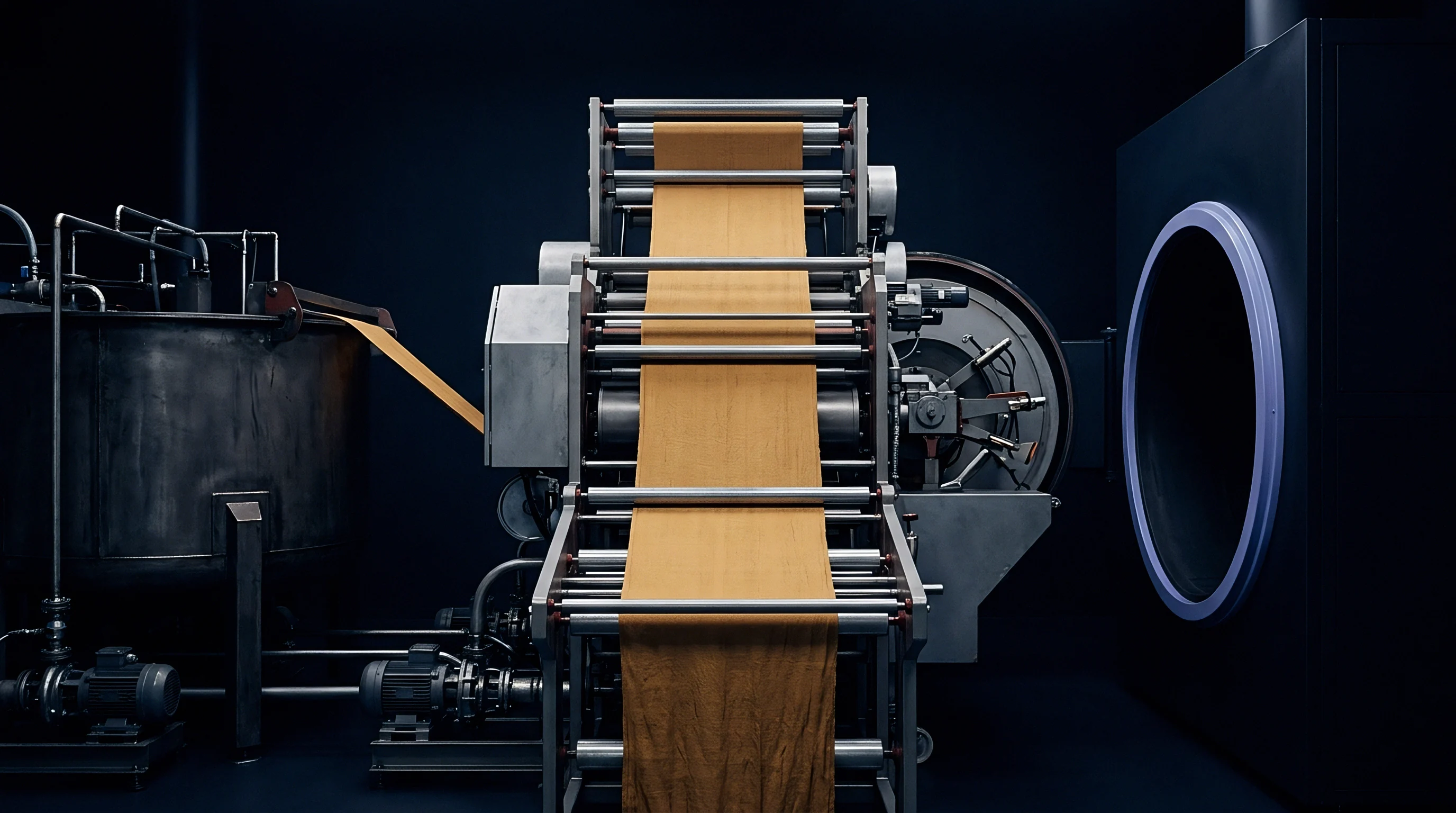
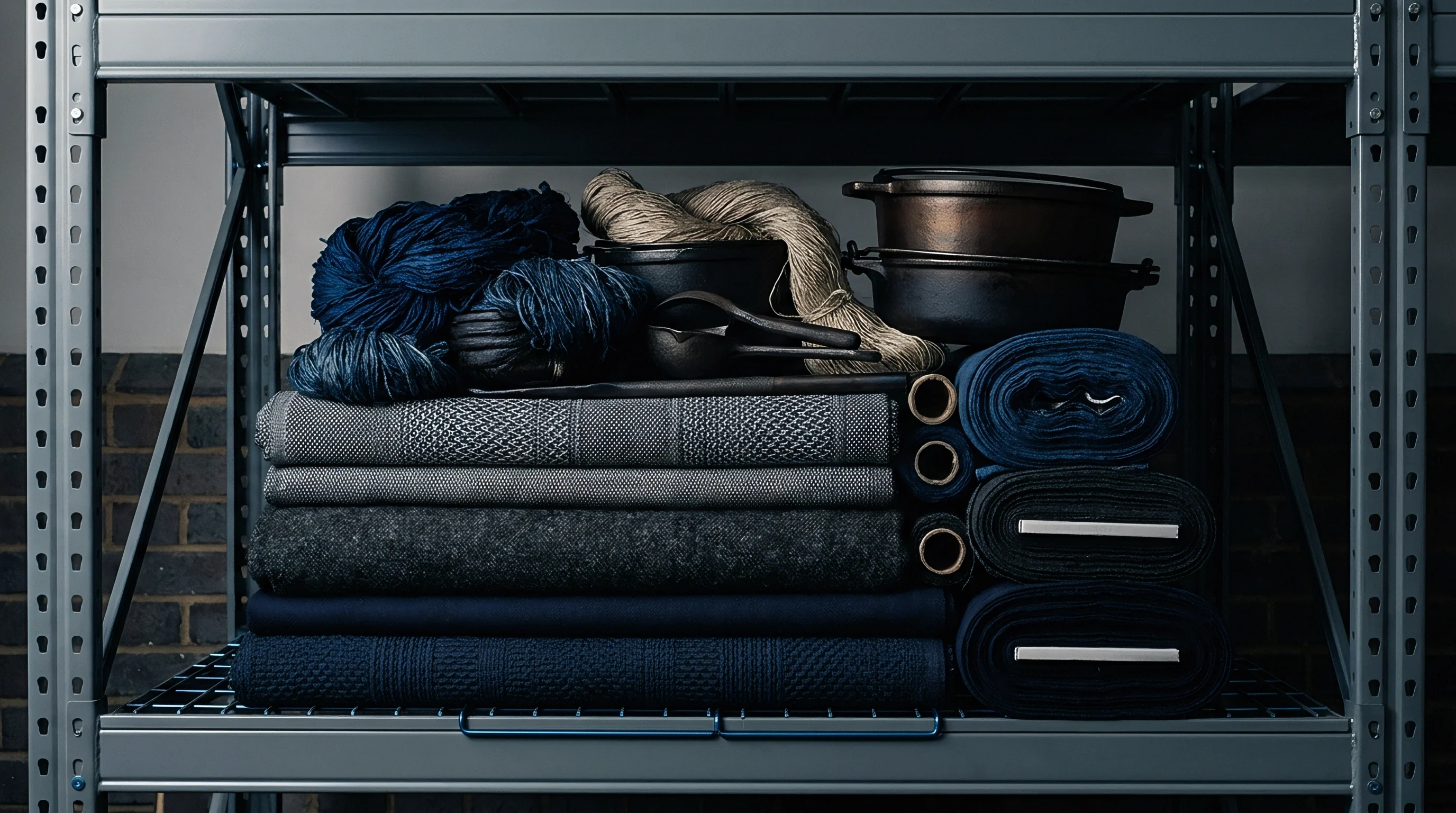
Trough

Liquor Turnover Dynamics and Substantivity Control
Trough design and fluid volume management dictate shade uniformity along the roll. In cold pad batch processing of dense twills, trough capacity must be kept as low as practical relative to running speed. A large liquor volume extends dwell time, allowing high-affinity dyes to exhaust selectively onto the fabric before reaching the squeeze nip.
This preferential uptake depletes dye concentration in the bath over time, producing tailing defects where the end of a lot runs lighter or off-tone compared to the head.
Low immersion volumes prevent substantivity tailing over long production runs.
Substantivity measures the inherent affinity of reactive dye molecules for cellulose prior to fixation. High-substantivity dyes adsorb quickly onto cotton during brief trough immersion. When a pad bath combines dyes of high and low substantivity, the higher-affinity component depletes faster.
This differential uptake shifts bath composition during production, causing steady color drift across the run. Selecting dye combinations with matched substantivity profiles avoids hue instability.
Liquor turnover time measures how rapidly total trough volume is replaced by fresh feed. Turnover time is calculated by dividing active trough volume by the volumetric consumption of the running cloth. Volumetric consumption equals line speed multiplied by fabric weight per metre and wet pickup percentage.
For a 300 GSM twill running at 30 metres per minute with 75 percent pickup, consumption is 6.75 litres per minute. Holding trough volume at 15 litres yields a turnover time of roughly 2.2 minutes, limiting chemical aging and substantivity depletion.
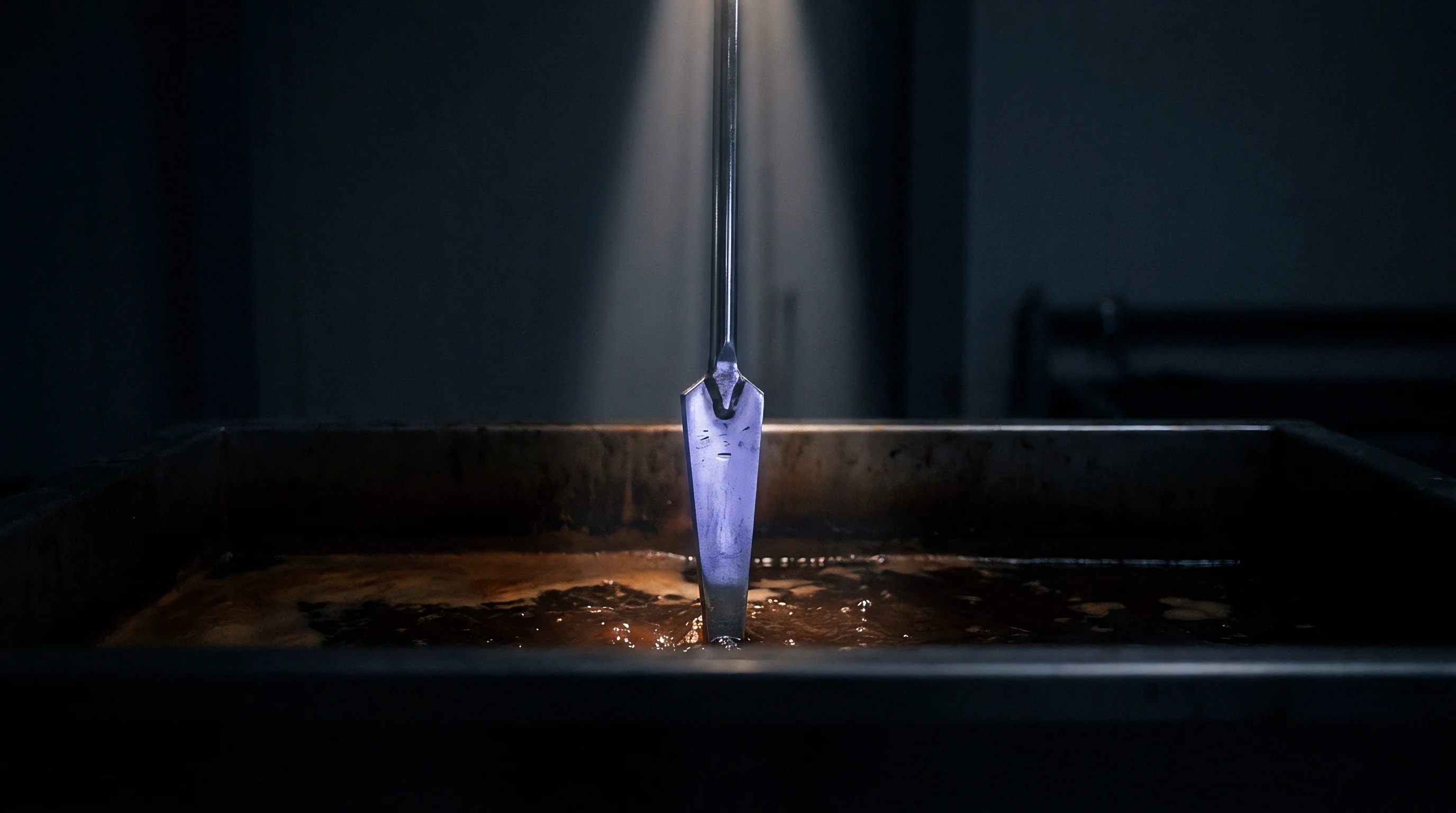
Can Dosing Pumps Eliminate Substantivity Tailing?
Automated multi-component dosing mitigates tailing by holding feed composition steady, but it cannot override physical substantivity inside the trough itself. High-affinity dye molecules adsorb onto passing cellulose during initial immersion before reaching the squeeze. Even with constant fresh feed, a depleted boundary layer forms along the web if trough turbulence is too low.
Installing displacement bodies inside the trough eliminates dead zones and promotes fluid exchange around the fabric.
Impregnation path geometry dictates fluid uptake efficiency. Standard V-shaped troughs run fabric down into the bath and straight up into the nip, giving a short immersion path of 15 to 25 centimetres. In dense twills, this brief pass is often insufficient for air displacement and complete core wetting.
U-shaped troughs with submerged guide rollers lengthen the path to 60 centimetres, increasing dwell time at the expense of higher liquor volume. Dyehouse technicians weigh immersion length against liquor turnover constraints based on fabric density and target line speed.
Automated dosing pumps that default to fixed output during speed fluctuations have caused losses exceeding 4,000 metres of heavy 3/1 twill from tailing alone.
Dosing pump accuracy relies on stable feed pressure and temperature. Temperature swings alter fluid density and viscosity, distorting electronic flowmeter readings and stroke displacement. If the alkali supply cools while the dye line stays warm, delivery ratios drift from the target four-to-one proportion.
Inline thermal mass flowmeters and heat exchangers on chemical lines stabilize dosing precision across long shifts, keeping color variation under 0.5 Delta E CMC units.
Standard quality contracts specify a maximum shade variation tolerance of 0.8 Delta E CMC between head, middle, and tail samples taken from a continuous batch roll.
Level controls govern valve actuation to prevent volume fluctuations. Float switches, ultrasonic sensors, or conductivity probes track depth, opening dosing valves when levels drop. Electronic conductivity probes respond quickly but accumulate scale in sodium silicate systems.
Non-contact ultrasonic sensors mounted above the trough provide reliable level control, holding trough volume within a 0.5-litre window during operation.
Substantivity drift accelerates when line speed drops unexpectedly. Slowdowns for seam passes or mechanical adjustments extend liquor residence time in the trough, allowing premature reaction between dye and alkali. Hydrolyzed dye loses its reactive group, lowering color yield when production resumes.
Automated bath-drop protocols during extended stops drain aged liquor from the trough, refilling with fresh mix before restarting.
Line speed must match trough turnover capacity precisely.
Roll

Batching Mechanics and Rotational Control
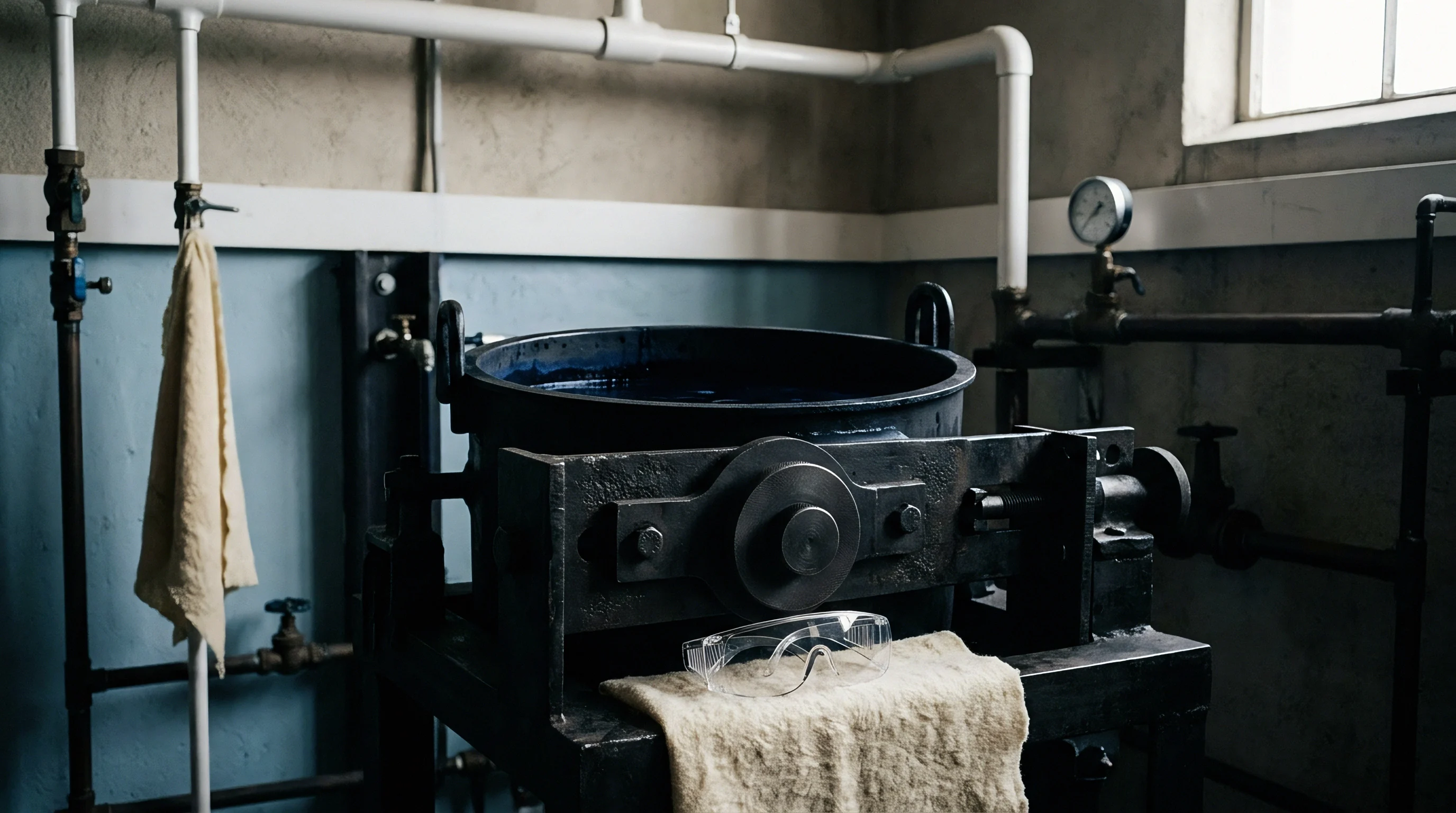
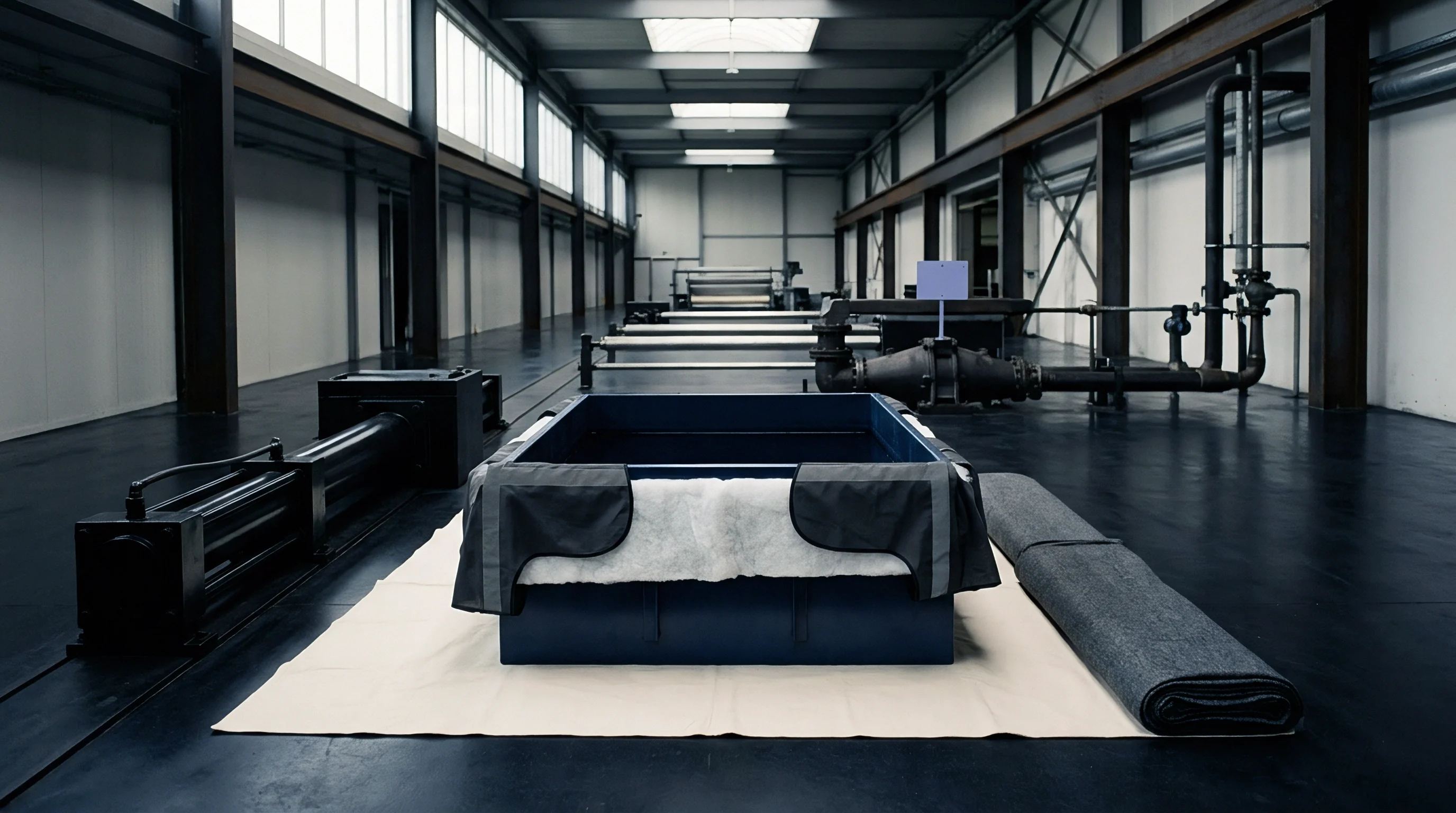
After padding, wet cloth winds onto A-frames or beam rollers for fixation. Physical control during dwelling is critical for shade uniformity in dense twills. High wet pickup leaves mobile liquor inside the fabric structure.
If the batch roll sits stationary, gravity pulls liquor downward into the bottom of the roll, creating radial shade gradients that show up as dark bottoms and pale tops. Rotating the roll continuously at 4 to 8 revolutions per minute neutralizes gravity, holding liquor distribution uniform throughout dwelling.
Continuous rotation prevents gravitational liquor migration during fixation.
Controlling winding tension during roll formation prevents fabric distortion and liquor migration. High tension squeezes lower fabric layers against the steel core, reducing liquid holding capacity and forcing wet dye out toward the perimeter. This fluid shift causes outer layers to cure darker than inner ones.
Modern batching stations use AC center-wind drives with load-cell feedback to maintain steady winding tension around 150 to 200 Newtons per metre of width as roll diameter grows.
Surface evaporation is a major risk during room-temperature batching. Water evaporating from outer layers or exposed edges concentrates unfixed dye and alkali, creating dark edge marks and surface bronzing. Wrapping completed rolls immediately in non-porous polyethylene film seals moisture inside.
The film must extend past the selvedges and be taped or banded tightly at both ends to prevent air infiltration over the 12 to 24-hour rotation cycle.
- Position the batching A-frame within five metres of the mangle to minimize stationary dwelling time after padding.
- Connect drive chains to the batch rotation unit immediately once winding reaches full roll diameter.
- Verify rotational speed using a calibrated digital contact tachometer.
- Apply primary polyethylene film wrapping while the roll rotates slowly on the batching station.
- Secure edge overlaps with industrial pressure-sensitive adhesive tape to maintain an airtight seal.
- Log batching start time, ambient temperature, relative humidity, and target duration in the tracking ledger.
- Inspect rotation units every two hours to confirm power and mechanical drive engagement.
Plant operators monitor batch roll rotation speeds with digital contact tachometers to confirm continuous movement across 24-hour fixation windows.

Climate Chamber Monitoring and Micro-Environment Variables
Batching temperature governs fixation kinetics and shade reproducibility. Standard cold pad batch processing assumes ambient room temperatures of 20 to 25 degrees Celsius. In unconditioned dyehouses, seasonal temperatures fluctuate widely, dropping to 10 degrees Celsius in winter and exceeding 40 degrees Celsius in summer.
Cold conditions retard reaction speeds, extending required batching times up to 36 hours. High heat accelerates hydrolysis and edge drying, reducing color yield and causing a harsh fabric hand. Enclosing rolls in climate-controlled dwelling chambers stabilizes temperature and humidity regardless of weather.
Humidity inside batching enclosures must approach saturation to prevent surface drying. Air surrounding wrapped rolls should maintain a relative humidity above 95 percent. If ambient humidity drops, dry air pulls moisture through gaps in the plastic wrapping, causing localized shade variation along selvedges.
Installing ultrasonic humidifiers or low-pressure atomizers inside dwelling chambers maintains equilibrium moisture content during storage.
The padder frame flexes under sustained heavy load.
Roll diameter limits internal heat retention and cooling rates. Large rolls measuring 150 centimetres in diameter hold substantial thermal mass. If fabric enters slightly warm from insufficient pre-cooling, internal heat is trapped in the core while outer layers cool to ambient temperature.
This temperature gradient alters reaction kinetics, causing the roll core to fix faster and shift shade compared to exterior layers. Limiting maximum roll diameter to 120 centimetres ensures uniform heat dissipation.
How do micro-climatic temperature variations within batching chambers alter long-term fixation yields across multi-layer dense twill rolls?

Wash
Diffusion Resistance and Hydrolyzed Dye Extraction
Washing unreacted and hydrolyzed dye out of dense twills is one of the most resource-intensive steps in cold pad batch processing. Hydrolyzed reactive dye lacks affinity for cellulose but stays physically trapped inside tight inter-yarn channels and fiber lumens. In 3/1 twill weaves, deep warp floats create long diffusion paths that restrict liquor exchange.
Efficient washing relies on maintaining a steep concentration gradient between liquid inside the yarn matrix and the wash bath, driving dye out through mechanical agitation and high temperature.
Unfixed hydrolyzed dye desorbs slowly from dense yarn cores.
Temperature progression along the wash range controls dye desorption rates. Initial rinse boxes run cool, around 30 to 40 degrees Celsius, to wash out residual sodium silicate, salts, and alkali buffers without setting loose dye. Applying hot water too early fixes unbound dye to the surface, degrading wet fastness.
Intermediate zones step up to 90 ~ 95 degrees Celsius, expanding cotton fibers and driving dye diffusion out of dense yarn cores. Final boxes drop temperatures back down to 40 degrees Celsius before neutralization and finishing.
Counter-current water flow maximizes washing efficiency while lowering water consumption. Fresh water enters at the final exit box and flows backward toward the fabric entry, moving against the direction of the cloth web. This setup ensures that cleaner fabric continually encounters cleaner water.
Counter-current routing cuts water demands from 40 litres per kilogram of fabric down to 12 to 15 litres, reducing effluent volumes and energy requirements.
Soaping agents prevent hydrolyzed dye from redepositing on the fabric. Specialized wash-off auxiliaries contain synthetic polymers ~ such as polyvinylpyrrolidone or acrylic acid copolymers ~ that encapsulate desorbed dye in the bath. These dispersants keep hydrolyzed dye suspended in solution, preventing redeposition onto white grounds or selvedges.
Effective soaping agents must function in hard water and remain low-foaming to maintain mechanical agitation in the wash boxes.
Compliance documentation requires bulk dyed lots to meet fastness criteria verified through standardized testing protocols:
- ISO 105-C06 C2S Color Fastness to Domestic Washing requires a minimum grade 4 color change and grade 4-5 staining on adjacent multifiber strips under D65 illuminants.
- ISO 105-X12 Color Fastness to Rubbing requires a minimum dry crocking fastness of grade 4 and wet crocking fastness of grade 3 for dark shades on dense twills.
- ISO 105-E04 Fastness to Perspiration specifies acid and alkaline fastness ratings of grade 4 or higher for workwear applications.
- ISO 13934-1 Maximum Force Tensile Testing verifies that processing and alkali exposure reduce greige tensile strength by less than 5 percent.
Intermediate squeeze rolls between wash boxes remove dirty liquor before fabric enters subsequent clean stages. Squeeze pressure should hold residual wet pickup below 60 percent. Inadequate squeezing carries contaminated wash water forward, weakening concentration gradients and increasing overall water demand.
Vacuum extraction slots installed before final drying cans pull trapped fluid from dense twill pores, reducing drying energy loads by up to 25 percent.
Neutralization neutralizes residual alkali trapped in the fabric matrix. Standard ranges introduce acetic or citric acid into the penultimate wash box, bringing fabric pH down to a neutral 6.0 to 7.0. If alkali remains in the cloth during final drying, heat accelerates fiber yellowing and degrades tear strength.
Online pH sensors in the neutralization box verify acid dosing rates to hold stability.
Tight weaves trap hydrolyzed reactive dye molecules inside yarn channels.
Contractual agreements specify that bulk fabric lots failing ISO 105-C06 wash fastness by half a grade must undergo full re-soaping at converter expense prior to garment cutting.

Ledger
Cost Comparisons and Energy Footprints
Cold pad batch dyeing offers clear cost and energy advantages over alternative routes for heavy woven twills. Continuous pad-steam lines demand high steam consumption for steamer units, pre-dryers, and hot wash ranges. By contrast, cold pad batching eliminates thermal energy during fixation, relying on ambient dwell time.
Utility comparisons show cold pad batching cuts thermal energy consumption by 60 to 70 percent and water usage by up to 50 percent compared to continuous pad-steam methods.
Cold pad batching eliminates process steam consumption during the fixation cycle.
Capital expenditure for cold pad batch equipment is far lower than for fully continuous pad-steam lines. A standard cold pad batch setup requires only a precision padding mangle, two-component alkali dosing pumps, A-frame batching stations, and a continuous wash range. Omitting steamers, dry cans, and infrared pre-dryers lowers initial equipment cost by roughly 60 percent, allowing mid-sized mills to process heavy workwear twills without heavy equipment debt.
Fixation yield directly impacts cost per finished metre. Cold pad batching achieves 80 to 88 percent fixation for bi-functional reactives, compared to 65 to 75 percent in jet exhaust dyeing. Higher fixation reduces raw dye consumption for target shade depths, lowering chemical costs by 8 to 12 percent on dark shades like navy, black, and forest green.
Lower dye discharge also reduces chemical oxygen demand (COD) treatment costs in mill effluent plants.
| Processing Method | Thermal Energy (kWh) | Electrical Energy (kWh) | Water Volume (L/kg) | Dyestuff Yield (%) | Landed Cost ($/m) |
|---|---|---|---|---|---|
| Cold Pad Batch (CPB) | 450 | 120 | 14 | 84.5 | 0.42 |
| Continuous Pad-Steam | 1,650 | 280 | 28 | 81.0 | 0.58 |
| Jet Exhaust Dyeing | 2,200 | 340 | 65 | 72.0 | 0.74 |
| Pad-Jig Dyeing | 1,400 | 190 | 35 | 76.5 | 0.61 |
Minimum Order Quantities and Lot-Sizing Economics
When evaluating capital expenditure for cold pad batch retrofits, short-run economic viability is a major driver. Continuous pad-steam lines require large minimum orders ~ typically 10,000 metres per shade ~ to absorb setup costs, thread-up waste, and thermal stabilization delays. Cold pad batch lines run economically on orders as low as 1,500 metres per shade.
Quick shade changeovers and low trough volumes allow converters to process smaller lots without heavy setup penalties.
Shade variance across a batch directly erodes total mill margin.
Rework economics highlight the financial risk of cold pad batch failures. If a 5,000-metre batch roll suffers from tailing or un-level core penetration during the 24-hour dwell, the error is caught only after washing and drying. Reworking off-shade rolls requires stripping reactive dye with aggressive sodium hydrosulfite reduction, then re-scouring and re-dyeing on jigs or jets.
Stripping and re-dyeing increases processing cost per metre by over 180 percent while degrading fabric tensile strength by 10 to 15 percent, often forcing the lot to be sold as off-spec stock.
Processing lead times trade off machine speed against chemical dwell delays. Continuous pad-steam lines process fabric in minutes for immediate finishing and dispatch. Cold pad batching requires a 12 to 24-hour rotation delay before washing.
Although this dwell slows initial turnaround, overall throughput remains high because pad mangles run at speeds up to 60 metres per minute, generating batched rolls that keep continuous washing ranges fed.
Shade approval protocols dictate risk allocation between converter and buyer. Approvals based on small lab dips rarely capture the dynamic hydraulic compression and liquor turnover of bulk cold pad batch lines. Setting bulk shade tolerances using digital spectral reflectance measurements (Delta E CMC 2:1 ratio) prevents subjective lightbox disputes.
Specifying fastness limits, shade match criteria, and strength tolerances in purchase orders translates technical control into clear commercial contracts.
Chemical cost optimization balances dyestuff concentration against auxiliary chemical consumption over production runs. High-density twills need specialized wetting agents, defoamers, and soaping polymers that raise auxiliary chemical spend. Even so, the reduced utility footprint, lower effluent charges, and superior dye fixation efficiency of cold pad batch processing maintain a net cost advantage over jet exhaust and continuous steam methods for heavy cellulosic weaves.