Cold Pad Batch Reactive Dyeing Control for Dense Woven Twills
Cold pad batch dyeing of dense twills requires low-volume trough turnover, dual-component alkali dosing, and precise rotation to eliminate tailing and core defects.
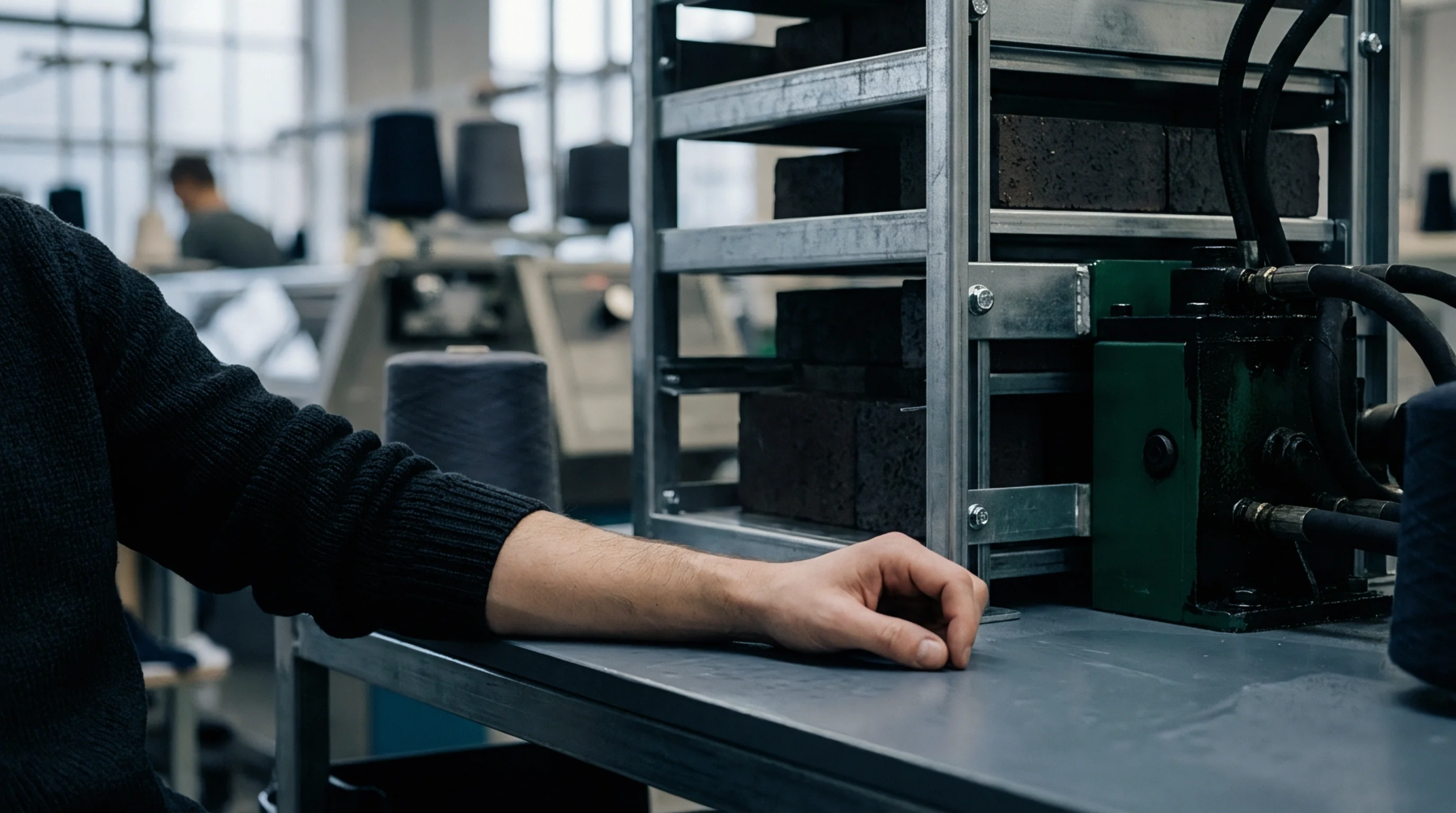
High pressure hydraulic cylinders apply force across the surface of calendar rolls to ensure uniform thickness and density throughout the web of finished textiles. Control of crown roll deflection allows operators to adjust the geometric shape of the rolls dynamically during the compression process. Precise hydraulic force counteracts the natural bending moment generated by the structural load of the equipment.
Metal surfaces expand or shift slightly under thermal and mechanical stress during operation. Adjustment mechanisms modify the internal pressure profile to align the roll surface with the opposing machine component. This active modification compensates for structural sag or axial loads that threaten the uniformity of fabric properties like gauge or permeability.
Consistency in web finish relies on the ability of this equipment to maintain a constant gap despite high operating pressures. Variations in incoming fibre density or moisture content demand rapid changes to the hydraulic setpoints. Sensors monitor the force distribution across the roll length to provide immediate feedback for system adjustments.
Maintenance schedules dictate regular checks of the hydraulic circuits to prevent fluid leaks or pressure fluctuations. Technicians measure the effective contact area between rolls using pressure sensitive film during planned downtime. Comparison of these results against the manufacturer design specifications identifies deviations that require mechanical intervention.
Adjustments to the individual pressure zones ensure that the roll profile remains parallel to the fixed calendar roll. Improper alignment causes uneven calendering which creates stripes or mottled appearances in the finished fabric. Operators verify the integrity of seals and valves frequently to sustain the required pressure threshold.
Failure to maintain these components leads to permanent deformation of the roll housing.
Heavy machinery in finishing departments relies on hydraulic systems to manage the physical deformation of rollers under high strain. Gravity and mechanical weight create a predictable bowing effect across the length of the roll. Hydraulic pressure counteracts this physical tendency by exerting force from within the roller shell.
This internal counterforce forces the exterior surface to return to a linear state. Correct application of these forces produces a consistent compression across the entire width of the textile web. Fabric quality measurements at the centre must match the edges to pass standard inspections for high grade apparel components.
Maximum pressure thresholds determine the ceiling for force application during the manufacturing stage. Excessive pressure causes damage to the roller bearings or structural frame of the calender unit. Monitoring systems track the hydraulic output to detect anomalies that suggest a malfunction in the roll internals.
Engineers define the acceptable range for this deflection based on the specific fabric construction and weight requirements. Limits protect the integrity of the machine investment while ensuring that the product meets the stated thickness targets. Precise control of this phenomenon determines the ultimate consistency of material properties across the entire width of the roll.
Cold pad batch dyeing of dense twills requires low-volume trough turnover, dual-component alkali dosing, and precise rotation to eliminate tailing and core defects.
Expertise is a utility, not a secret. sentiention™ publishes its working knowledge as open reference: intelligence layer covering the materials it sources, the markets it enters, and the reference that serves both.