Hydraulic Nip Balance
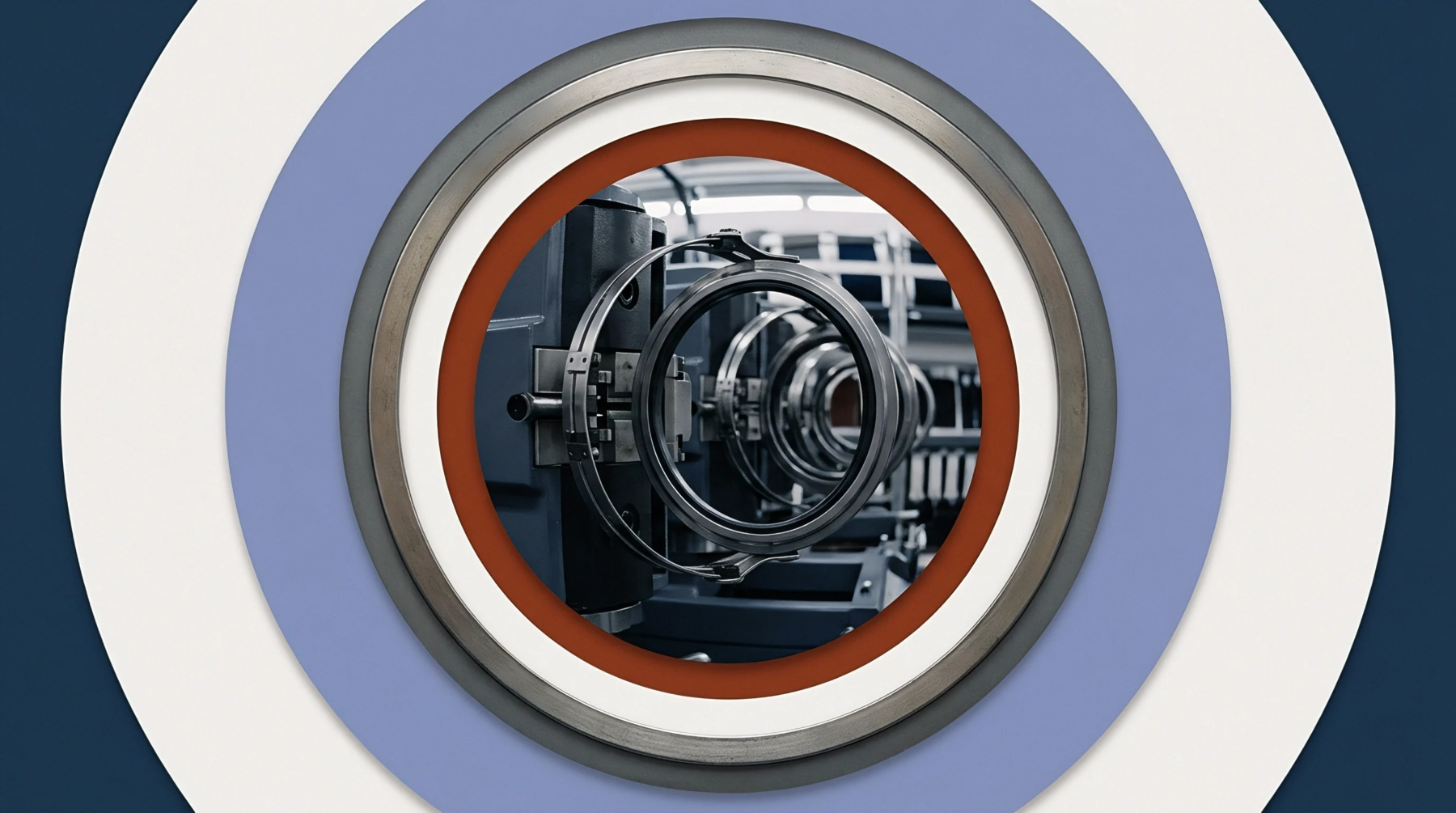
Internal pressure hardware uses a rotating shell floating on a cushion of oil to maintain a perfectly flat or precisely curved contact line across the width of the fabric. This swimming roll mechanism enables dye houses to handle different fabric widths and pressures without physically changing the roller between every run. By adjusting the oil pressure inside the non-rotating core, the operator can force the shell to stay straight even when under heavy external tension from the load.
This prevents the traditional problem of roller deflection where the center bows under pressure, which would otherwise lead to uneven moisture application in the middle of the fabric. High accuracy padding depends on this hydraulic support to ensure that no side-to-center shading differences appear in the finished batch.
Operational Flexibility
Pressure variance is corrected in real time by the hydraulic controller as sensors detect changes in the nip load during the padding sequence. Using a swimming roll allows the machine to apply a wide range of loads, from soft squeezing to heavy dewatering, while keeping the pressure distribution identical across every millimeter of the textile. This versatility is vital for factories that process both lightweight silks and heavy denim on the same production line.
Mill supervisors monitor the oil temperature and seal integrity to ensure that the internal hydraulic film remains consistent throughout the entire shift. If the internal pressure fluctuates, the resulting variations in wet pick-up will manifest as problematic colour stripes or stripes of uneven finish thickness.
Precision Calibration
Maintenance protocols focus on the reliability of the oil pumps and the smoothness of the internal rotating surfaces to avoid mechanical vibration. A swimming roll requires a continuous supply of clean hydraulic fluid that is free from contaminants that could score the metal shell or foul the pressure values. Technicians regularly measure the roll profile using gap testing or carbon paper traces to verify that the nip remains uniform at multiple pressure settings.
Maintaining these rollers is more expensive than standard solid ones but the investment pays back through reduced fabric waste and higher first-time right percentages in the dye shop. Efficient heat dissipation within the roll is also managed by the circulating oil to prevent thermal expansion from skewing the results.
System Boundary
Technical limits for hydraulic rolls appear when the shell reaches its maximum flexural limit or when the seal can no longer hold the pressure required for extreme industrial loadings. A swimming roll is less effective at very narrow widths where the support of the oil cushion is not fully utilized and may cause an inverted bow if over-pressurized. The utility of the hydraulic curve logic disappears when processing very small sample strips that do not cover enough of the roll width to generate a reactive load.
Once the hydraulic pressure exceeds safe parameters, mechanical stops prevent further expansion to protect the shell from cracking. Keeping these limits in view ensures that the expensive finishing equipment continues to provide consistent results over decades of daily heavy operation.