Finishing Process
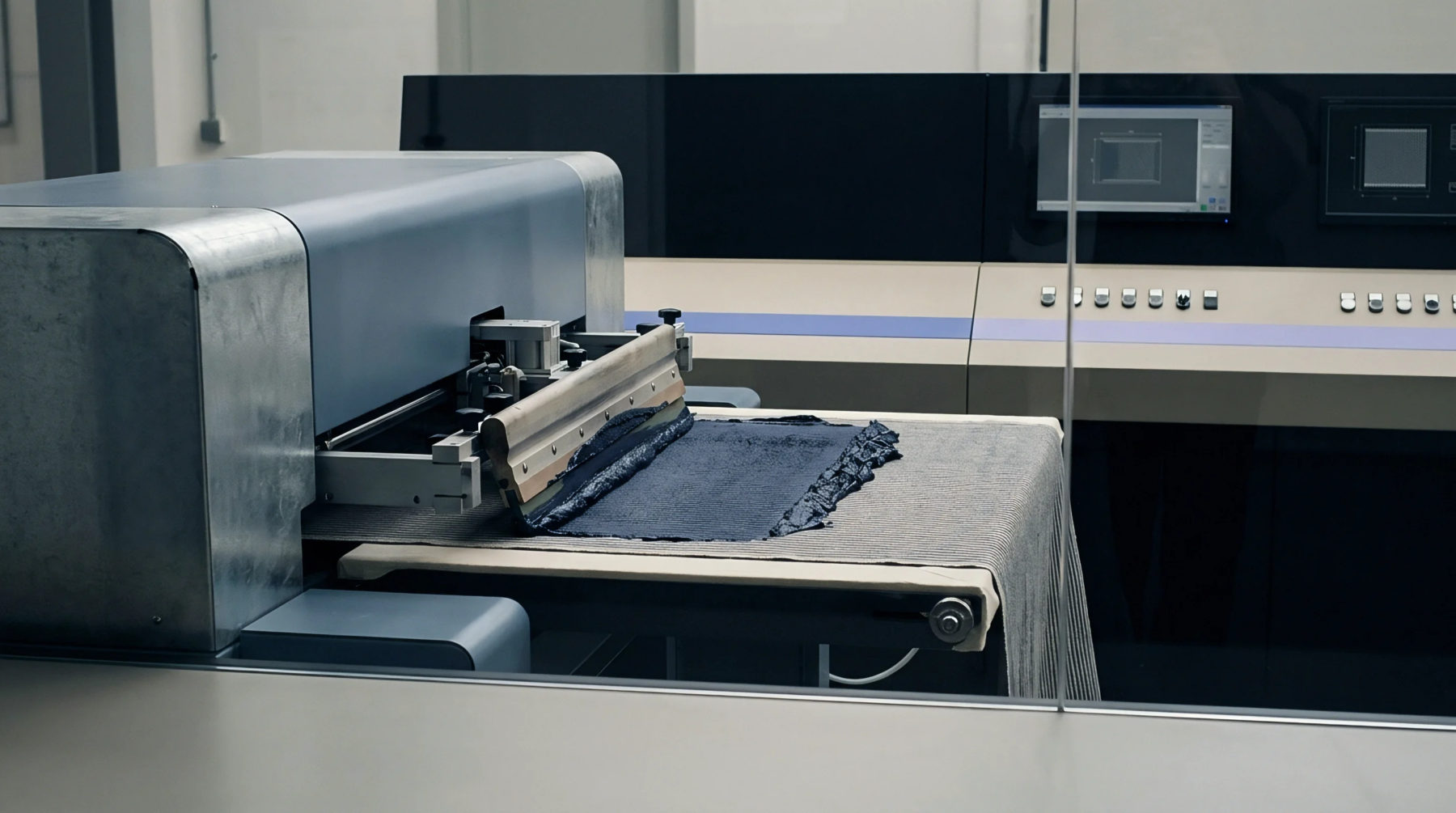
Thermal evaporation describes the method of removing water from a fabric by passing it through a stenter frame while blowing hot air across its surface. Stenter convective drying allows a mill to set the final width and density of the cloth while simultaneously curing any chemical finishes.
Airflow Dynamics
Operational performance depends on the velocity and temperature of the air hitting the wet material. During stenter convective drying, the fabric is held by pins or clips to prevent it from shrinking as the moisture leaves the fibres. The hot air must penetrate the structure to reach the core of the yarns for the process to be complete.
Moisture Gradient
Speed of the machine is limited by the rate at which the innermost water can move to the surface to be evaporated. If stenter convective drying happens too quickly at very high temperatures, the surface of the fabric may scorch or yellow while the inside remains damp. Modern ranges use moisture sensors at the exit to adjust the chain speed automatically.
Process Economy
Energy consumption in this stage represents one of the highest costs in a finishing plant. Careful control of the exhaust air humidity ensures that the stenter convective drying process does not waste heat by venting too much dry air.