Controlling Dye Migration in Continuous Wet Processing Lines
Control continuous dye migration by pairing balanced padder extraction with intermediate infrared drying to freeze moisture below thirty percent before hot-flue air.
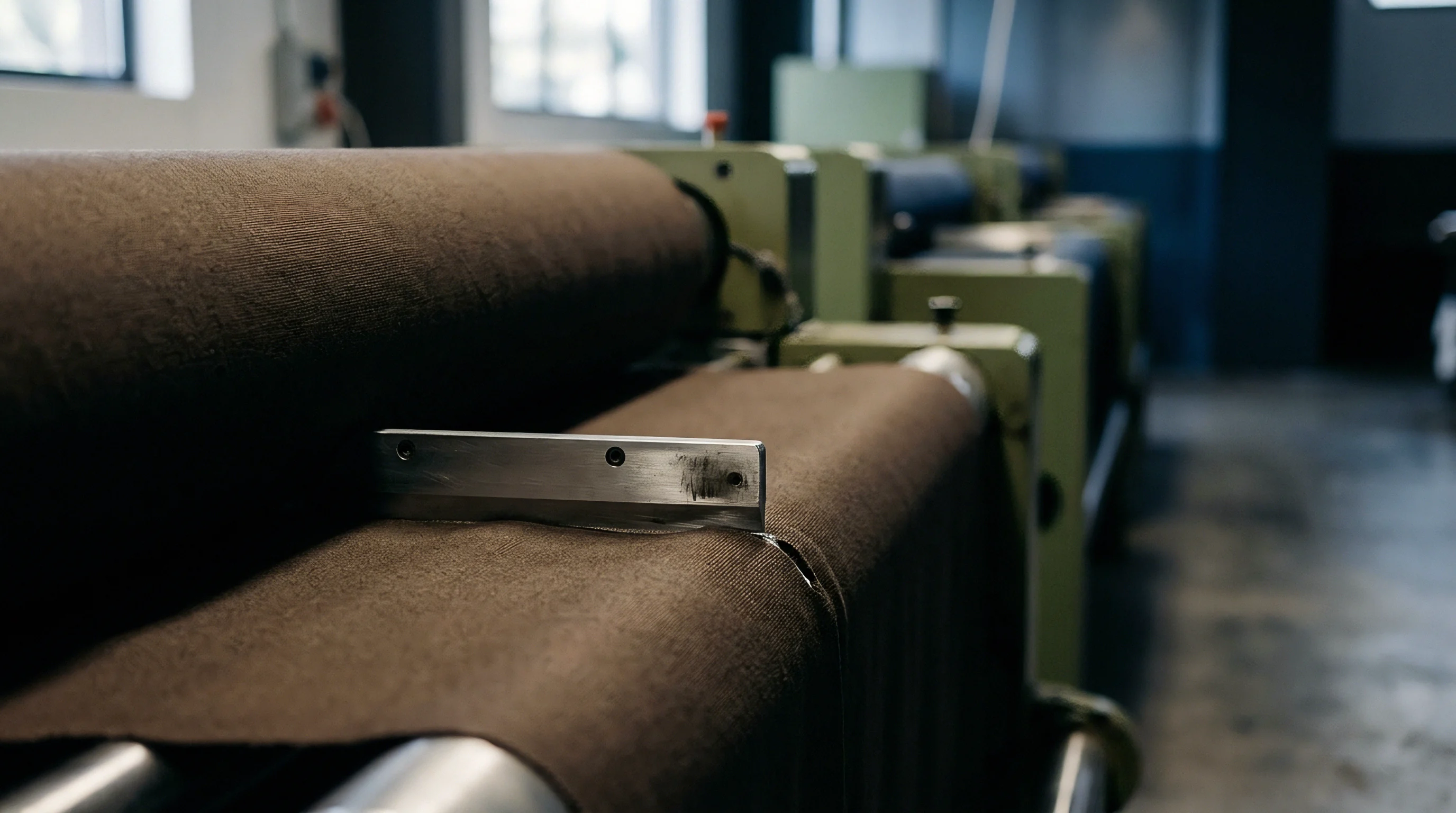
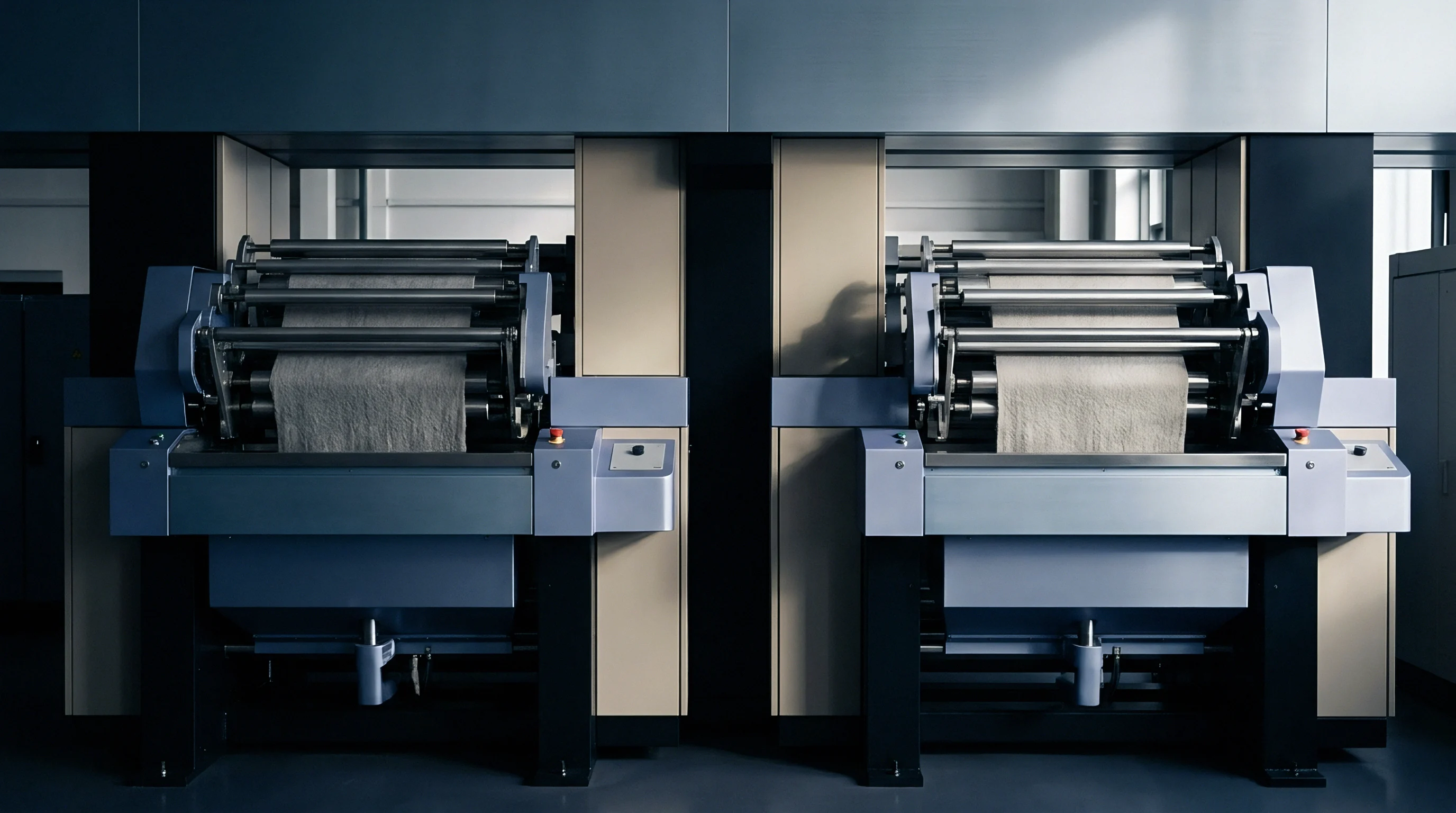
Nip
Continuous pad-dyeing lines separate or fail at the foulard. At sixty meters per minute on a continuous thermosol or pad-dry-pad-steam range, a 300 gram per square meter cotton-polyester twill carries roughly seventy percent wet pick-up by weight out of the chemical trough. When that liquor leaves the squeeze rolls with uneven cross-profile moisture content, capillary action drives dissolved dye molecules toward the drier zones long before radiant heaters or convection flues apply thermal energy.
Controlling migration requires setting the squeeze roll hardness to 70 to 75 Shore A, balancing hydraulic side-to-center deflection compensation, and maintaining exact nip pressure tolerances across the full working width.
Padder extraction sets the liquid volume available for fluid movement. Wet pick-up determines evaporative load. Standard pad mangles utilize two or three rolls arranged in vertical or horizontal configurations.
As the textile passes through the contact zone under three to six bar pneumatic or hydraulic loading, the fluid residing in the inter-yarn spaces expresses backward into the pad trough, leaving fluid trapped inside the fiber lumens and inter-fiber capillary networks. Variations in nip pressure of five percent across the face width produce local wet pick-up differentials exceeding eight percent. Water moves toward evaporation zones.
Under ISO 105-J03 color measurement, a two percent variance in wet pick-up across the foulard face generates a delta E exceeding 0.8 between the center and selvedges on dark reactive shades.
Capillary transport functions through the Laplace pressure developed within the pore geometry of the yarn bundle. Finer yarns and denser sett create narrower pore radii, pulling free liquor from open inter-yarn regions toward the exterior faces where heat first touches the running length. Uneven squeezing causes side-to-center shading.
When operators run dense drill or gabardine constructions without adjusting roll crowning or pressure profiles, the center picks up excess liquor, concentrating particulate disperse or reactive dyestuff at the cloth core during initial contact, only to expel it unevenly during subsequent moisture loss.
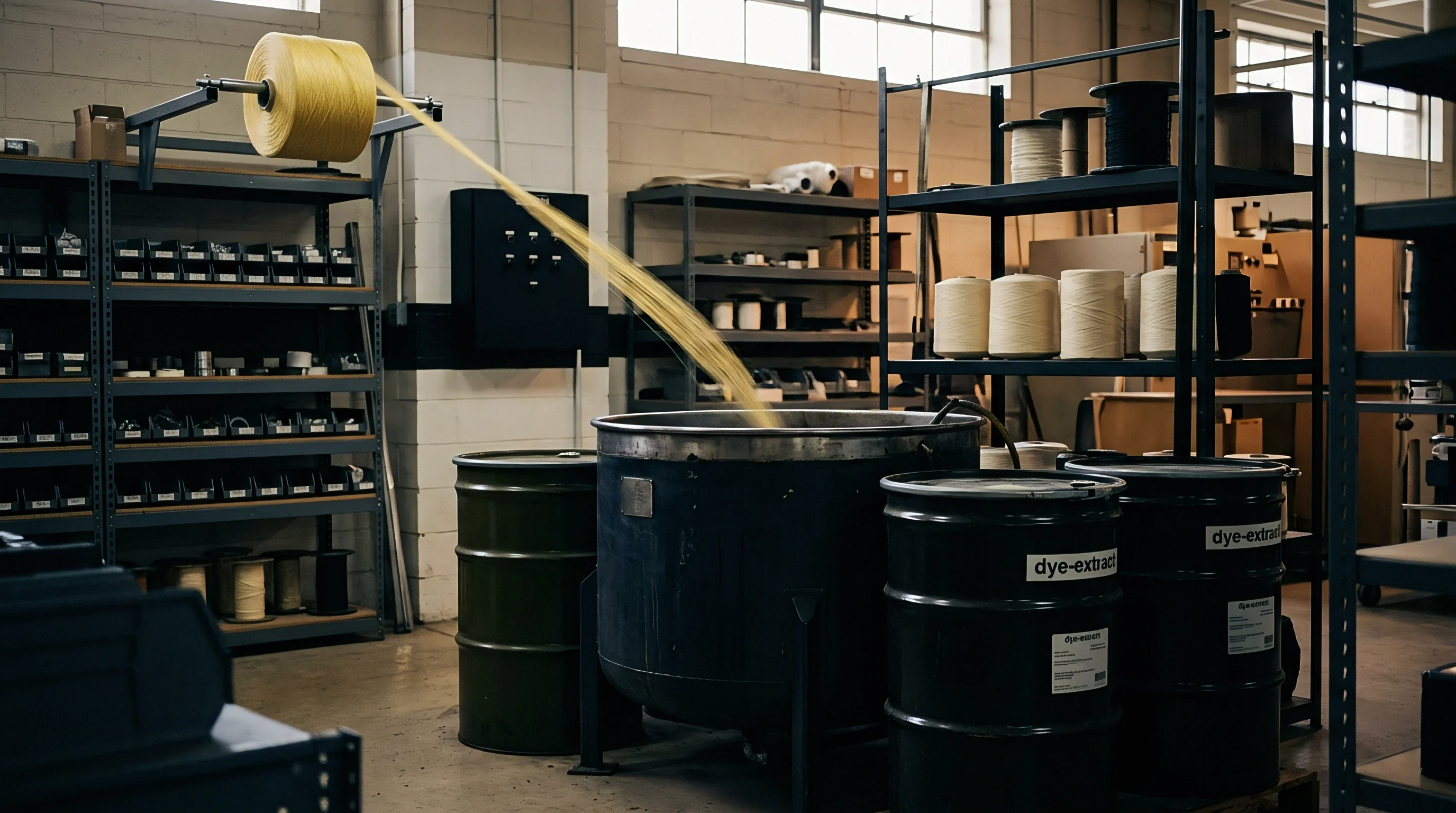
Mechanical Expression and Liquor Extraction
Pressure adjustments across the mangle dictate the boundary conditions for particulate mobility. Modern continuous ranges deploy deflection-compensating rolls, such as swimming rolls with internal hydraulic chambers or crowned elastomer sleeves, counteracting roll bending under heavy tonnages. Unequal roll deflection produces an arched pressure gradient, creating heavy margins at the selvedges or a flooded center zone.
- Hydraulic swimming roll chambers dynamically equalize loading across widths up to 3.4 meters by modulating internal oil pressure between two and twelve bar.
- Crowned elastomer coverings deliver balanced pressure profiles only at one certified mechanical tonnage, generating uneven extraction when running lighter weights.
- High-extraction porous rolls compress fiber bundles while stripping superficial moisture films down to fifty-five percent residual liquor on pure cellulose.
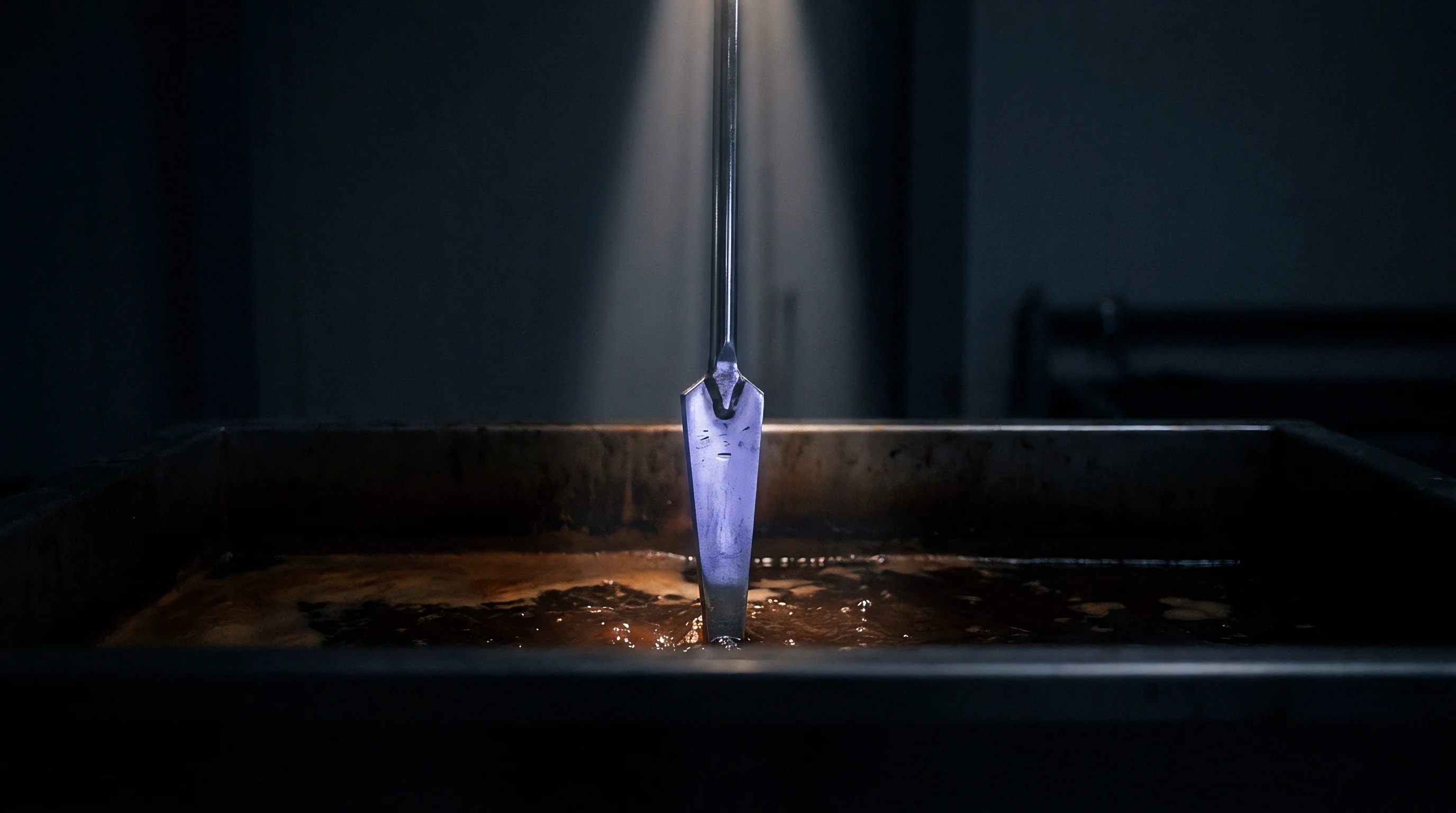
Padder Roll Crown and Deflection Geometry
Mechanical deflection alters the contact strip footprint. When two cylindrical steel cores wrapped in synthetic rubber engage under fifty kilonewtons per linear meter, roll bending reduces physical contact at the cloth center. Grinding the roll cover to a parabolic profile corrects this gap for a single target pressure.
Deviation from that calibrated load causes immediate moisture profile inversion. Solid particulate cannot evaporate. When the cloth leaves a defective roll contact zone carrying sixty-eight percent liquor at the edges and seventy-six percent in the middle, lateral moisture equalization pulls particulate along concentration gradients, yielding side-to-center shade bands that survive fixation and soaping.
Neglecting padder deflection profiling forces the dyehouse to scrap off-shade running yardage during shade changeovers, turning hundred-thousand-meter contracts into commercial write-offs.
Flue
Convection chambers apply heated air directly to both faces of the moving textile immediately following mechanical expression. Air flues maintain continuous web transport without physical roll contact while the cloth remains wet, utilizing air-cushion nozzle systems or driven roller guide paths within insulated enclosures. Thermal drying moves moisture from internal pore networks out to the perimeter boundaries where air streams sweep away liberated vapor.
Dye molecules travel within this evaporating water stream, depositing in high concentrations at the perimeter yarns where evaporation rates reach their peak.
Directing high-velocity air jets against the wet web accelerates vapor release while creating turbulent boundaries. Solute accumulates at surface planes. When nozzle air velocities exceed fifteen meters per second while cloth moisture remains above thirty-five percent, the kinetic energy of the drying air scours liquid through the yarn interstices, carrying disperse and vat pigments toward the yarn crowns.
Unequal air velocity shifts shade.

Should Preheating Precede Air Flue Entry?
Positioning infrared emitters ahead of convection boxes establishes uniform moisture evaporation without mechanical contact. Temperature differentials trigger thermal migration. Running untreated dyed cloth directly into high-velocity hot air flues creates violent evaporation spikes that pull particulate out of the fiber core into the outer fibers, promoting two-sidedness and face-to-back shading.
Preheating cloth under controlled radiant heat raises core liquor temperatures to eighty degrees Celsius before high-velocity air streams hit the face, stabilizing the capillary network.
A dispute over face-to-back shading under ASTM D5034 shear-load specifications invalidates the dyehouse warranty when the finisher alters flue nozzle dampers without buyer authorization.
Balanced nozzle geometry governs cross-sectional uniformity. Continuous hot flues incorporate upper and lower nozzle boxes, blowing conditioned air at temperatures ranging between 110 and 140 degrees Celsius. Inverting the ratio of top-to-bottom air volume forces more water to evaporate from one surface, drawing color toward that face.
| Upper Air Velocity (m/s) | Lower Air Velocity (m/s) | Air Temperature (Celsius) | Residual Moisture at Exit (%) | Delta E Face-to-Back (CMC 2:1) |
|---|---|---|---|---|
| 18.5 | 12.0 | 135 | 22 | 1.45 |
| 15.0 | 15.0 | 130 | 24 | 0.35 |
| 12.0 | 16.5 | 125 | 28 | 1.10 |
| 22.0 | 22.0 | 145 | 14 | 1.80 |
Maintaining equal air discharge across the textile demands symmetrical nozzle duct balancing. Pressure differentials between top and bottom plenums create air turbulence that vibrates the suspended material, altering heat transfer efficiency along the line. When air velocities drift out of calibration, moisture evaporates faster on the side exposed to higher turbulence.
Dyestuff follows the evaporative front, producing permanent face-to-back shade variations across entire bulk dyeings.
Convective Airflow Velocity across the Web
Nozzle designs with alternating slot and circular orifices produce distinct thermal boundary layers. High-pressure air impact breaks the boundary film of stagnant, moisture-saturated air clinging to the cloth face. High liquor pick-up multiplies risk.
Air circulation systems must balance exhaust extraction with fresh air intake to prevent absolute humidity within the chamber from climbing beyond eighty grams of water per kilogram of dry air, which suppresses evaporation rates and extends the critical migration period.
The plant manager explained that the exhaust air dampers had drifted shut during the night shift, choking the flue ventilation and allowing humidity to pool inside the drying chamber until water droplets condensed on the nozzle lips and dripped onto the face of the moving web.

Thickener
Formulations deployed in continuous pad baths require rheology control agents to restrain solute flow during moisture evaporation. Adding anti-migration chemicals suppresses liquid mobility within the fiber capillary pores by raising the viscosity of the interstitial water phase or establishing a gel network as temperature rises. Unmodified pad liquors allow reactive, direct, and disperse particles to travel freely alongside evaporating water.
The inclusion of specialized polymers holds dissolved and suspended dyes within the inner capillary matrices until moisture drops below the critical migration limit, which sits around thirty percent residual moisture for cellulosics.
Sodium alginate increases solution viscosity. Synthetic polyacrylates, modified galactomannans, and carboxymethylated polysaccharides provide structural network integrity without hindering dye diffusion during subsequent steam fixation or thermofixation. The polymer retards capillary movement.
These polymers form pseudo-plastic networks that thin under the extreme shear of the padder nip, allowing deep penetration into yarn bundles, and then instantly recover their resting viscosity the moment mechanical shearing forces cease.
Viscosity modifiers restrain particulate drift within yarn bundles until residual moisture drops below thirty percent.
Evaluating migration performance relies on standardized laboratory procedures. AATCC Test Method 140 quantifies anti-migration effectiveness by padding a test strip, covering half the sample with an impermeable plate, drying the assembly, and measuring color difference between the covered and exposed zones. Calculating the migration percentage from spectral reflectance values isolates the chemical efficacy of the additive under evaluation.
| Additive Chemistry | Concentration (g/L) | Pad Bath Viscosity (mPa.s at 20°C) | Migration Index (%) | Fixation Yield Loss (%) |
|---|---|---|---|---|
| Sodium Alginate (Low Viscosity) | 10.0 | 45 | 12.5 | 1.2 |
| Sodium Alginate (Medium Viscosity) | 15.0 | 85 | 6.0 | 2.8 |
| Acrylamide-Acrylic Acid Copolymer | 8.0 | 65 | 4.2 | 0.5 |
| Carboxymethyl Cellulose (Purified) | 12.0 | 55 | 14.8 | 4.5 |
| Control (No Additive) | 0.0 | 12 | 48.5 | 0.0 |
Synthetic polyacrylamide-based anti-migrants demonstrate lower sensitivity to dissolved salts compared to natural polysaccharide derivatives. High electrolyte concentrations required for reactive dyeing often precipitate or collapse the molecular coils of conventional alginates, slashing bath viscosity and leaving the dye vulnerable to heat-induced movement. Polyacrylates maintain steric hindrance within the solution even in the presence of fifty grams per liter of sodium sulfate or sodium chloride.
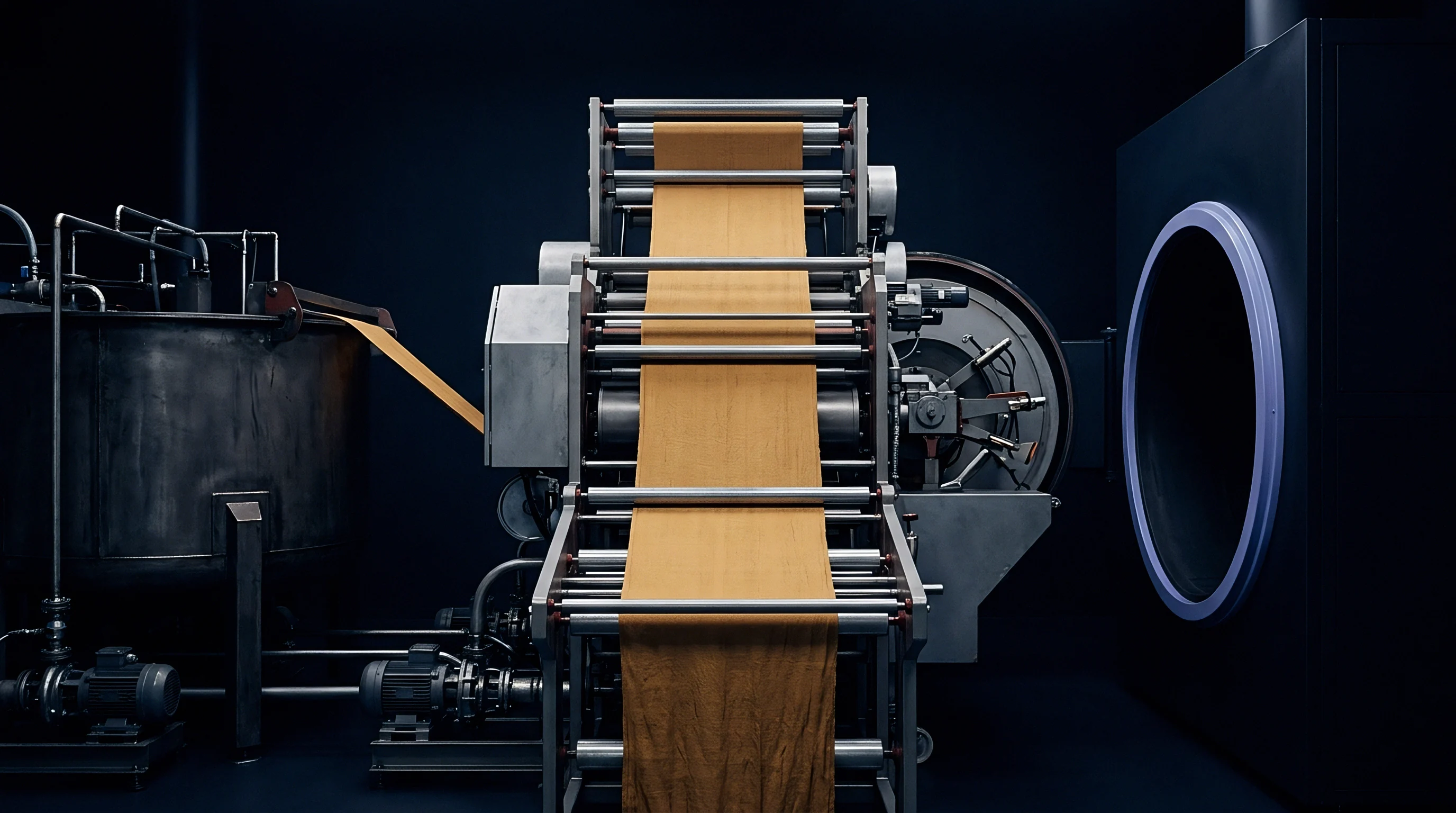
Polymer Rheology under Shear and Heat
Temperature shifts directly impact chemical network stability within the pad trough. As continuous cloth speeds push beyond eighty meters per minute, shear rates inside the nip exceed 10,000 reciprocal seconds, dropping bath viscosity to near-water consistency. The solution must regain its baseline structure within milliseconds after exiting the roll contact zone.
Thermal gelling agents utilize reverse solubility polymers that remain fluid at room temperature but spontaneously precipitate into a rigid gel when heated to sixty degrees Celsius inside radiant pre-dryer zones, immobilizing dye particles immediately prior to water vaporization.
- Shear thinning in the nip zone allows dye liquor to penetrate through tight yarn interstices without surface pooling.
- Elastic structural recovery occurs within fifty milliseconds of roll exit, establishing a gel network across the cloth surface.
- Thermal gelation under infrared exposure locks the interstitial fluid in place before evaporation begins.
- Enzymatic or aqueous wash-off removal strips the carrier polymer during final continuous wash ranges without redepositing color onto white grounds.
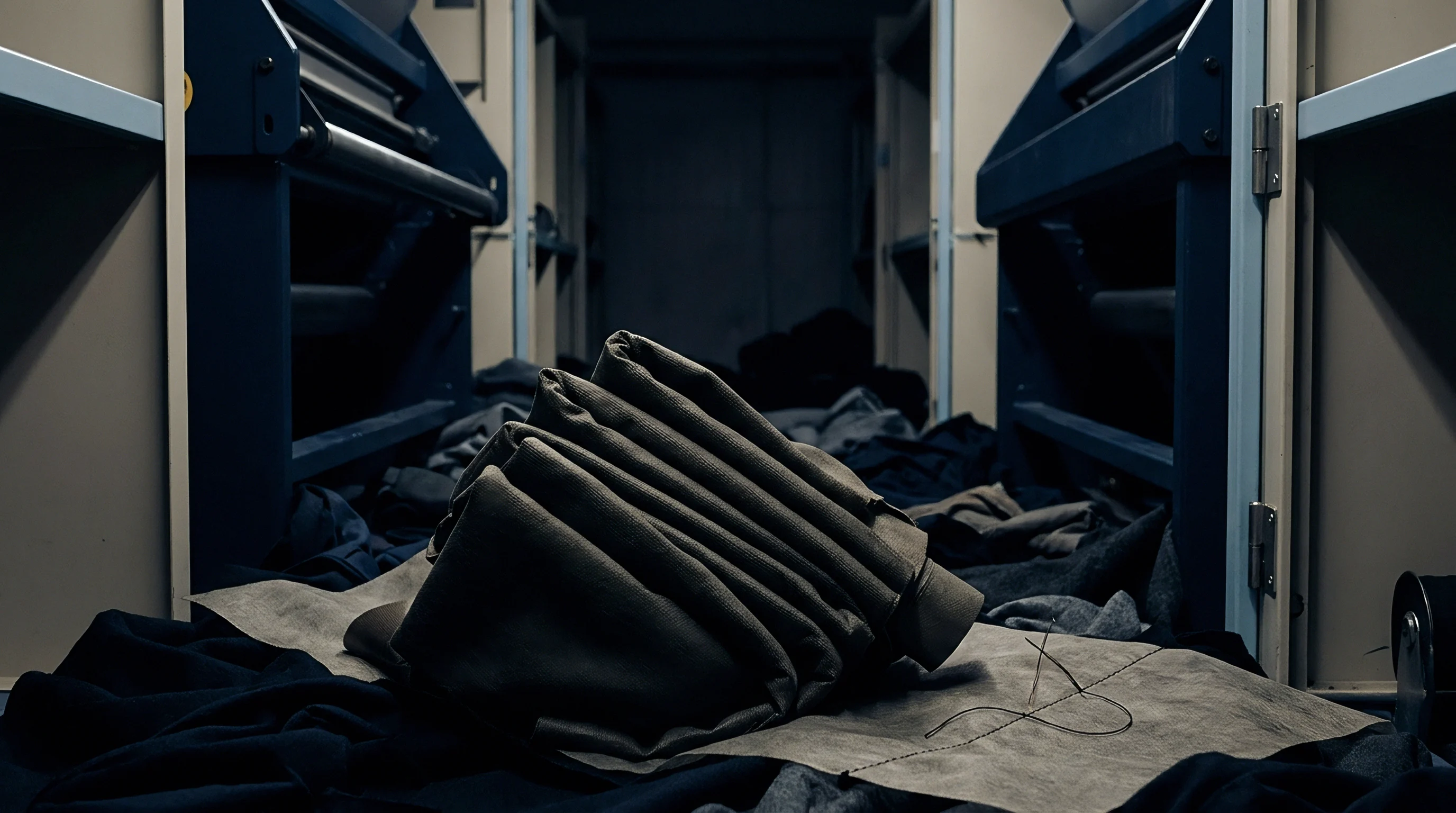
Electrolyte Sensitivity in Salt Baths
Chemical incompatibility between anionic anti-migrants and polyvalent salt ions destabilizes continuous pad liquors. When water supplies supply hard water containing calcium or magnesium ions, natural alginate chains crosslink prematurely, forming dense clumps that snag on doctor blades or deposit as streaks along the roll face. Purified water circuits and synthetic sequestering agents prevent this coagulation.
Migration occurs during initial evaporation. Synthetic polymers resist high salt environments, maintaining uniform particulate spacing until the cloth reaches the dryer.
Commercial contracts specify that any lot demonstrating a migration index above fifteen percent according to AATCC Method 140 triggers an automatic quality hold, requiring the mill to cover full raw material and re-dyeing expenses without debit-note exemptions.

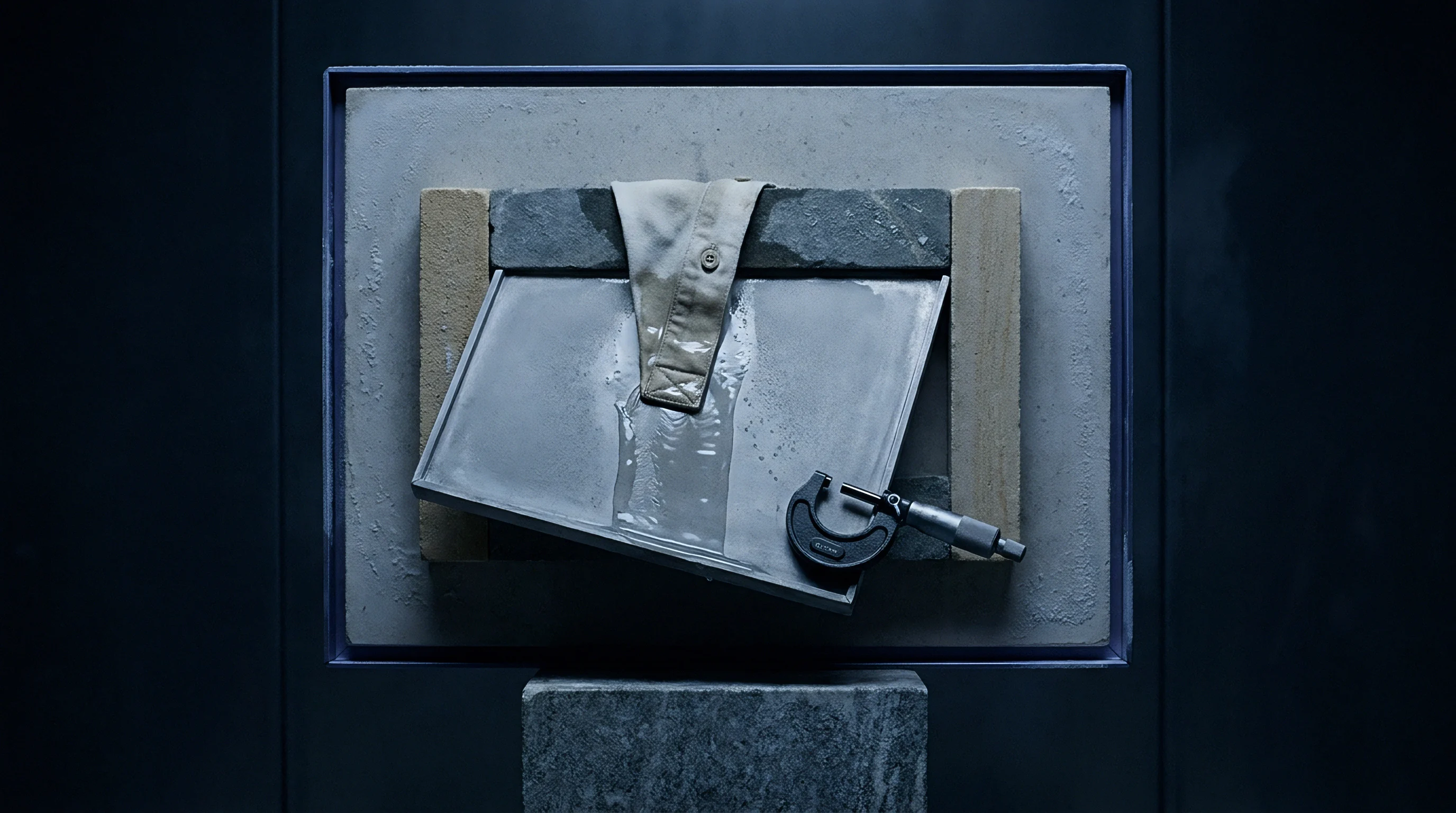
Infrared
Radiant pre-dryers bridge the mechanical extraction zone and the convective air flue. Intermediate moisture reduction achieved through electromagnetic radiation removes thirty to forty percent of the absorbed water without moving air streams that disturb the physical distribution of dye. Gas-fired ceramic emitters and electrically powered quartz tubes generate wavelengths between 1.2 and 4.0 microns, exciting the hydroxyl bonds of water molecules directly inside the cloth structure.
Electromagnetic energy penetrates past the cloth surface. Medium-wave quartz emitters operating around 2.0 to 2.5 microns align with the absorption spectrum of liquid water, transferring energy through the entire cross-section of the textile simultaneously. Once dry, migration ceases.
This internal excitation vaporizes moisture from the core and surfaces at equal rates, avoiding the steep directional moisture gradients that drive capillary movement toward the perimeter yarns.
Short-wave radiation penetrates the cloth matrix faster than long-wave thermal radiation, exciting core water molecules before surface evaporation establishes directional capillary flows.
Operating gas-fired infrared systems demands careful modulation linked to line speed. If line velocity drops due to roll wind-up changes, radiant intensity must scale downward within milliseconds to prevent cloth scorch or thermal degradation of disperse colorants. Pyrometer feedback loops monitor the true surface temperature of the cloth at the exit of the infrared tunnel, throttling gas burner valves or quartz lamp electrical loads to hold surface temperatures between eighty and ninety degrees Celsius.
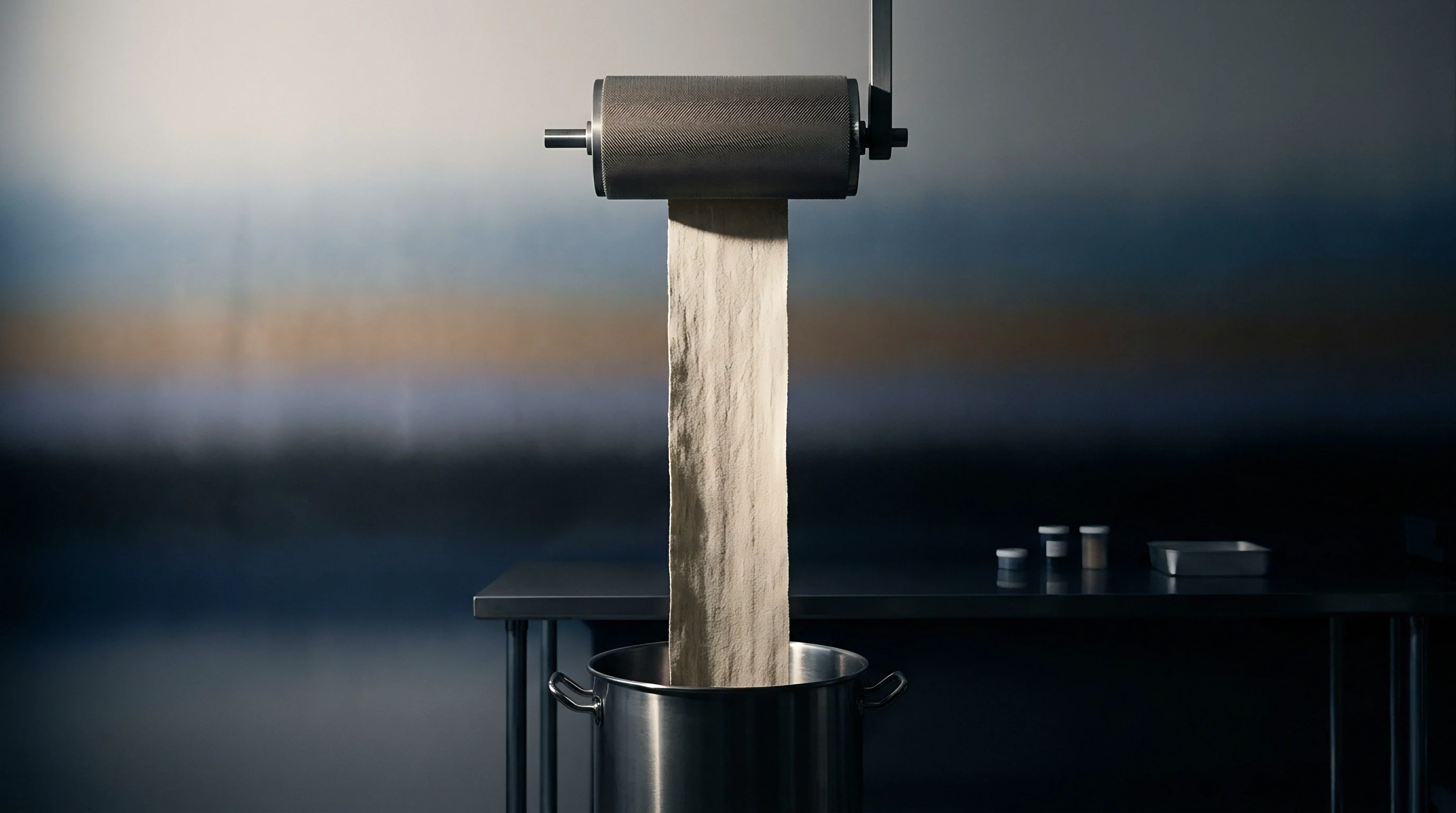
Will Intermediate Moisture Sensors Prevent Shading?
Continuous microwave or radio-frequency sensors positioned immediately past the radiant tunnel measure moisture across eight to sixteen lateral zones. When sensors detect a wet middle band or saturated selvedges, automated control loops trim segmented infrared panels to rebalance the moisture map before the textile touches the guide rolls of the convective flue. Moisture differentials exceeding three percent at this transfer point trigger dye migration along the remaining water pathways, locking in shade variations that subsequent steam fixations cannot correct.
| Emitter Technology | Wavelength Peak (microns) | Energy Transfer Efficiency (%) | Response Time (seconds) | Risk of Cloth Scorch on Line Stoppage |
|---|---|---|---|---|
| Short-Wave Halogen Quartz | 1.2 | 85 | 1.5 | Extreme |
| Medium-Wave Carbon Quartz | 2.4 | 78 | 4.0 | Moderate |
| Gas-Fired Ceramic Plaque | 3.2 | 62 | 18.0 | High |
| Long-Wave Metal Sheath | 4.5 | 48 | 120.0 | Severe |
Segmented ceramic plaques allow localized heat adjustments along the cloth cross-section. Edges dry faster than centers due to ambient air exposure along the line margins. Independent control of the lateral infrared segments enables operators to reduce heat input at the outer edges by ten to twenty percent, matching edge moisture levels to the core.
This uniform intermediate drying brings the total moisture content down to thirty percent, freezing dye positions prior to convection drying.
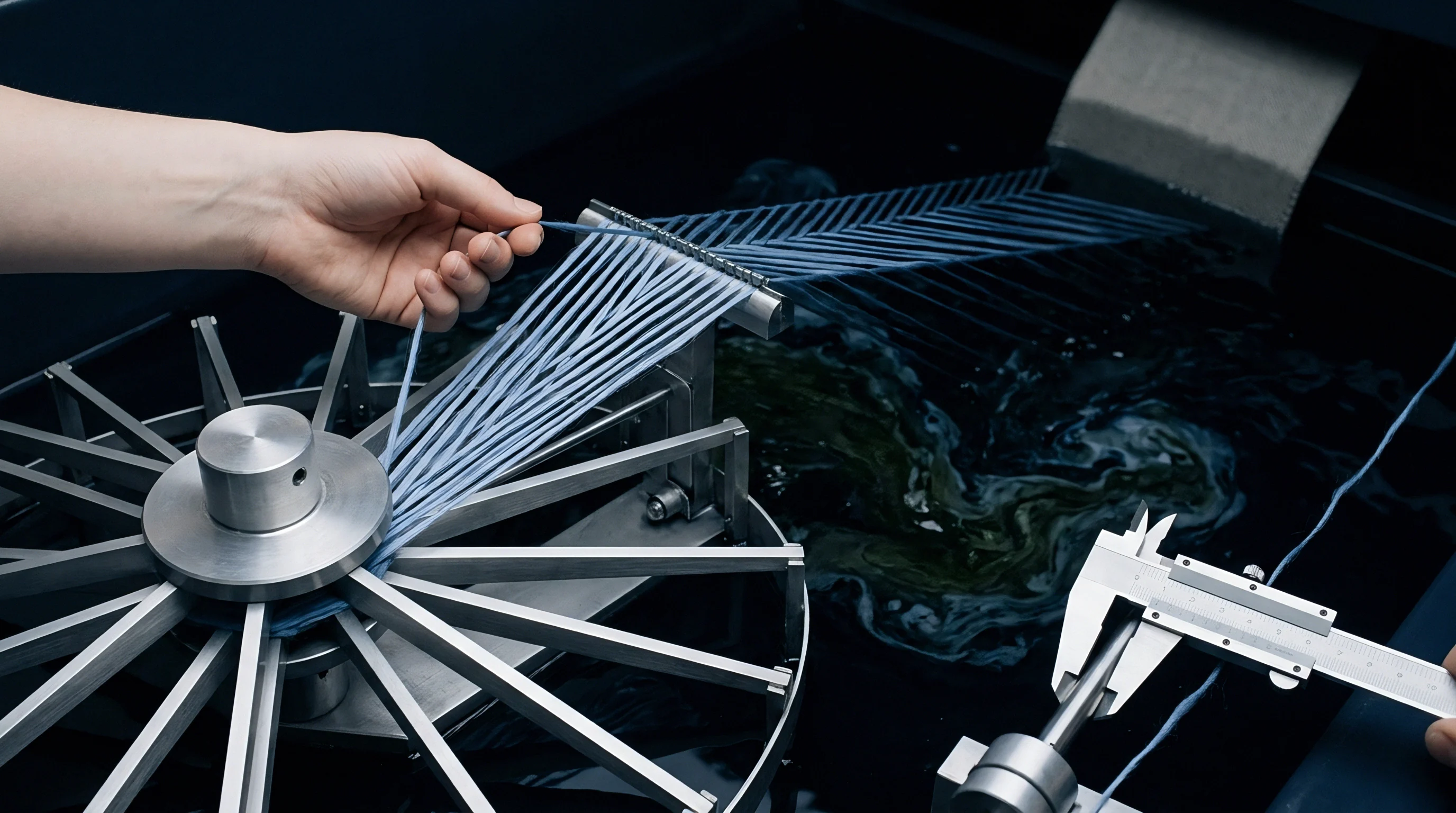
Emitters across the Electromagnetic Band
Wavelength selection governs energy penetration depth versus surface absorption. Short-wave emitters transfer massive thermal energy rapidly, but light-colored textiles reflect a substantial portion of short wavelengths, wasting energy. Medium-wave emitters transfer their energy directly to water molecules, operating largely independent of cloth shade.
Overfeed adjustments shift pick-up percentages. Proper balance between radiant heat penetration and line throughput prevents boiling of the pad liquor, which would cause blister spots and localized color rings across the goods.
When the radiant tunnel delivers even heat across both faces, moisture drops uniformly without driving dyestuff outward.
Audit
Converting laboratory recipes into bulk production runs exposes process vulnerabilities. Continuous dyeing cannot tolerate the trial-and-error corrections available in exhaust jet dyeing. A formulation developed on a laboratory padder with pneumatic nip rolls running at two meters per minute reacts differently when transferred to a sixty-meter-per-minute industrial range equipped with gas infrared pre-dryers and multi-pass air flues.
Verifying line calibration requires inspecting mechanical nip profiles, checking anti-migrant compatibility under true bath shear conditions, and testing cross-width moisture maps.
Spectrophotometer evaluation under D65, TL84, and Illuminant A lighting identifies uncorrected migration before lots move to the cutting floor. Side-to-center shading (listing) and face-to-back shading (two-sidedness) emerge as primary field failures when drying conditions drift. The cutting room rejects shading.
Garment panels cut from the center of an unevenly dried roll cannot match panels cut from the perimeter edges, destroying yield and halting assembly lines.
- Four-point inspection data captures gross listing defects but fails to detect subtle lateral delta E drifts below 0.6 without multi-point spectrophotometric scans.
- AATCC 140 laboratory certifications verify batch-specific polymer performance before chemical mixing tanks pump the anti-migrant into the pad supply line.
- Dynamic thermal camera logs record temperature profiles along the infrared tunnel exit, proving balanced heat application across every meter of the bulk lot.
- Residual moisture titration readings confirm that the cloth leaves the pre-dryer at twenty-eight to thirty-two percent moisture, avoiding over-drying and premature dye fixation.

Laboratory Dip Translation to Production Width
Discrepancies in pick-up percentages between laboratory pad mangles and industrial machines force rapid recipe recalculation. Laboratory padders frequently impart eighty percent wet pick-up due to lower operational line speeds and different elastomer contact areas, whereas production padders running at operational tonnages achieve sixty-five percent pick-up on identical greige goods. Mills absorb narrow-width claims.
Direct transfer of chemical concentration without adjusting for this fifteen percent extraction gap starves the cloth of anti-migrant, leaving dyestuff unshielded against hot-flue airflow.

Commercial Penalties and Remake Liabilities
Production contracts dictate severe commercial consequences for uncorrected migration defects. Buyers reject lots displaying side-to-side delta E values above 0.8 under CMC 2:1 color difference calculations, passing the total landed cost of greige goods, chemistry, and lost production capacity directly back to the finishing mill. Remaking a forty-thousand-meter continuous dyeing run delays garment manufacturing timelines by up to five weeks, triggering air-freight chargebacks and commercial claims that overwhelm the converter margin.
Whether inline continuous spectrophotometric monitoring arrays coupled with closed-loop roll crown adjustments can eliminate lateral dye migration entirely remains an unanswered question for high-speed continuous finishing plants.