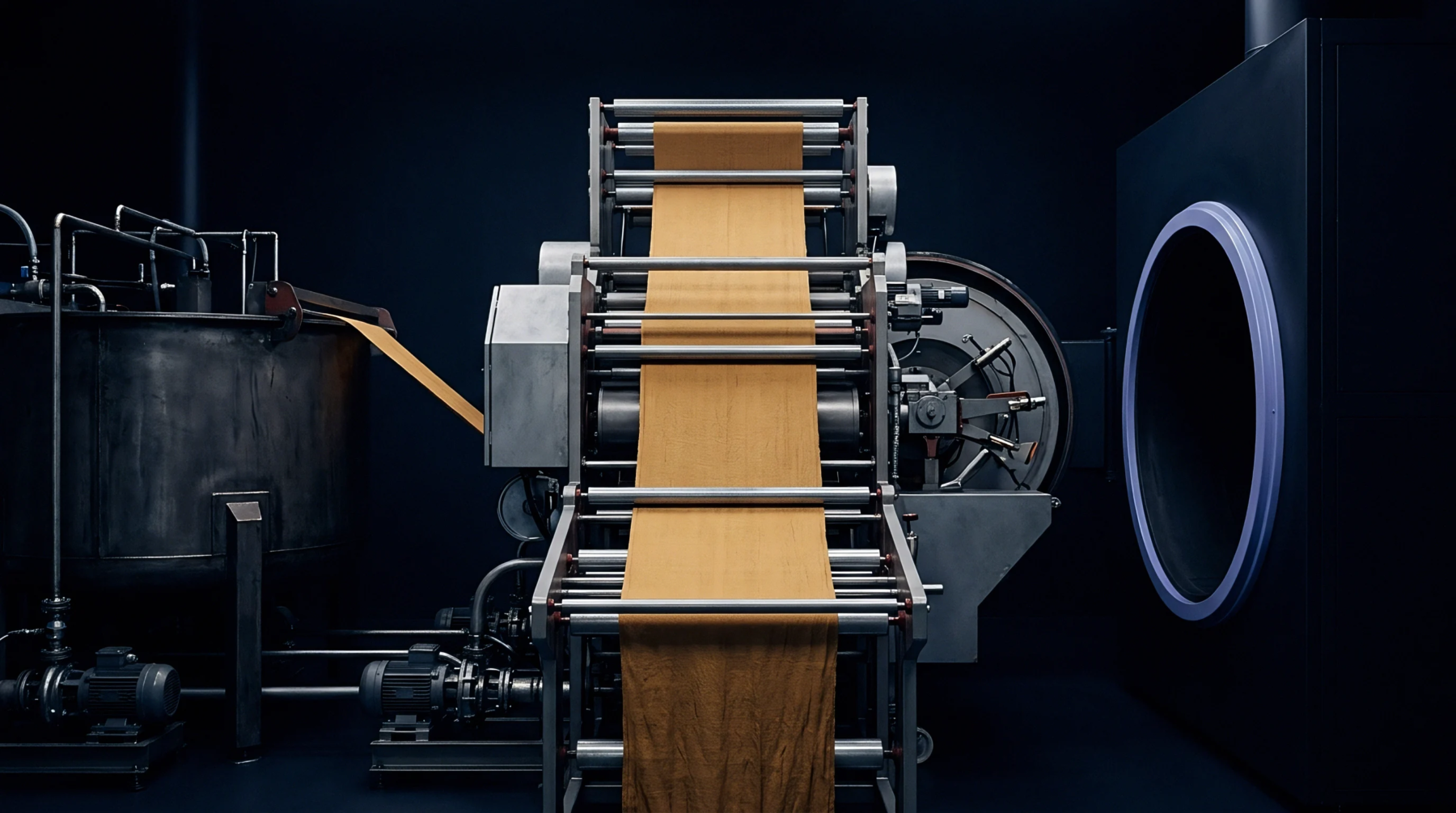
Intermediate Thermal Drying Velocity Profiles for Polyester Cotton Blends
Symmetric nozzle velocity between 18 and 22 m/s during intermediate drying prevents dye migration and maintains shade uniformity in polyester cotton blends.
Symmetric nozzle velocity between 18 and 22 m/s during intermediate drying prevents dye migration and maintains shade uniformity in polyester cotton blends.

Heavy twill cover factors above twenty-two impede jet dyebath penetration, requiring lowered heating rates and increased anti-crease lubrication.

Low liquor ratio cotton dyeing demands progressive alkali profiling to suppress early hydrolysis, match bath exhaustion, and eliminate bulk shade streakiness.
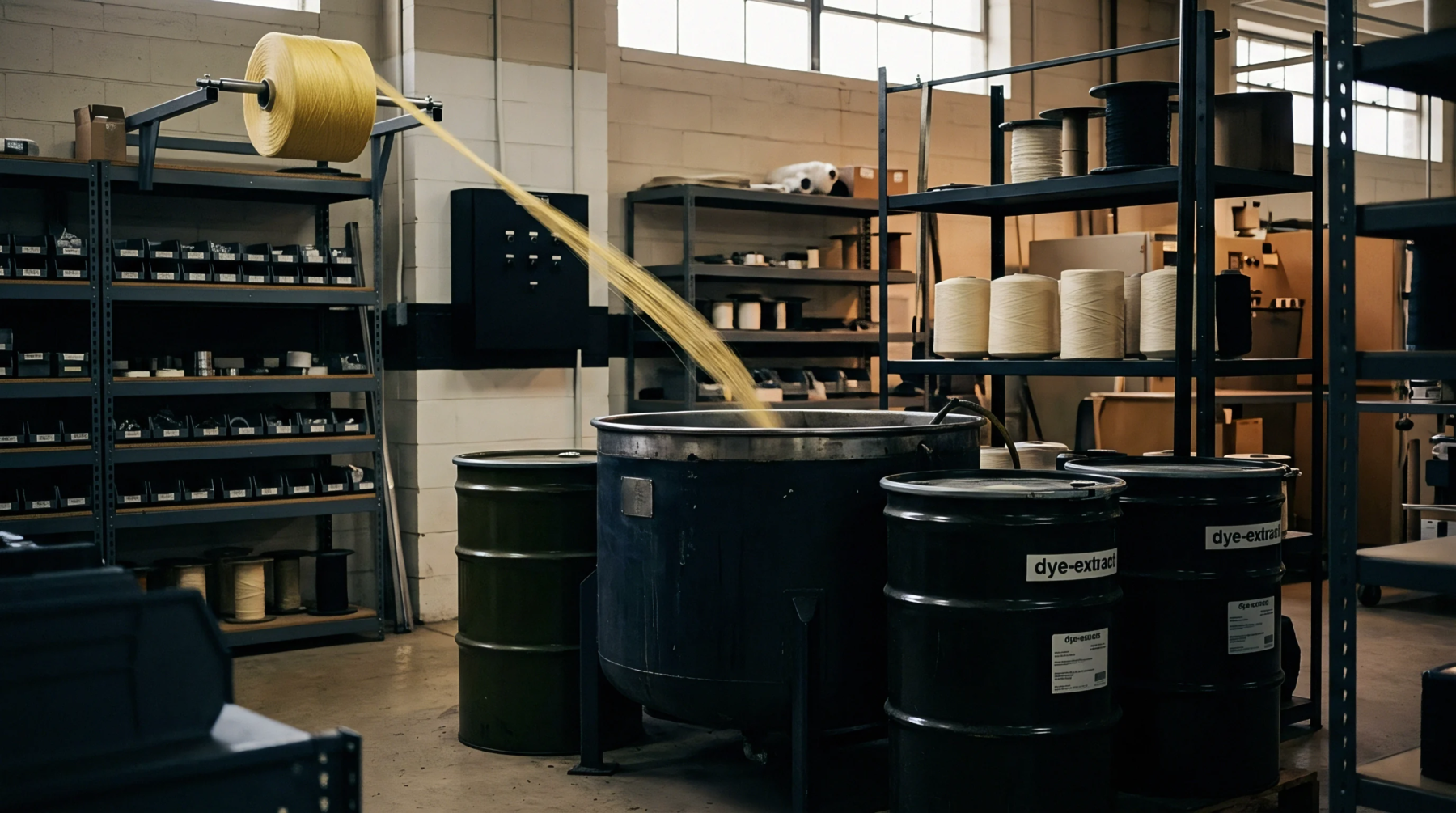
Uncontrolled greige storage triggers moisture migration, lipid autoxidation, and sizing retrogradation, which impair surface wettability and cause severe dye absorption variances.
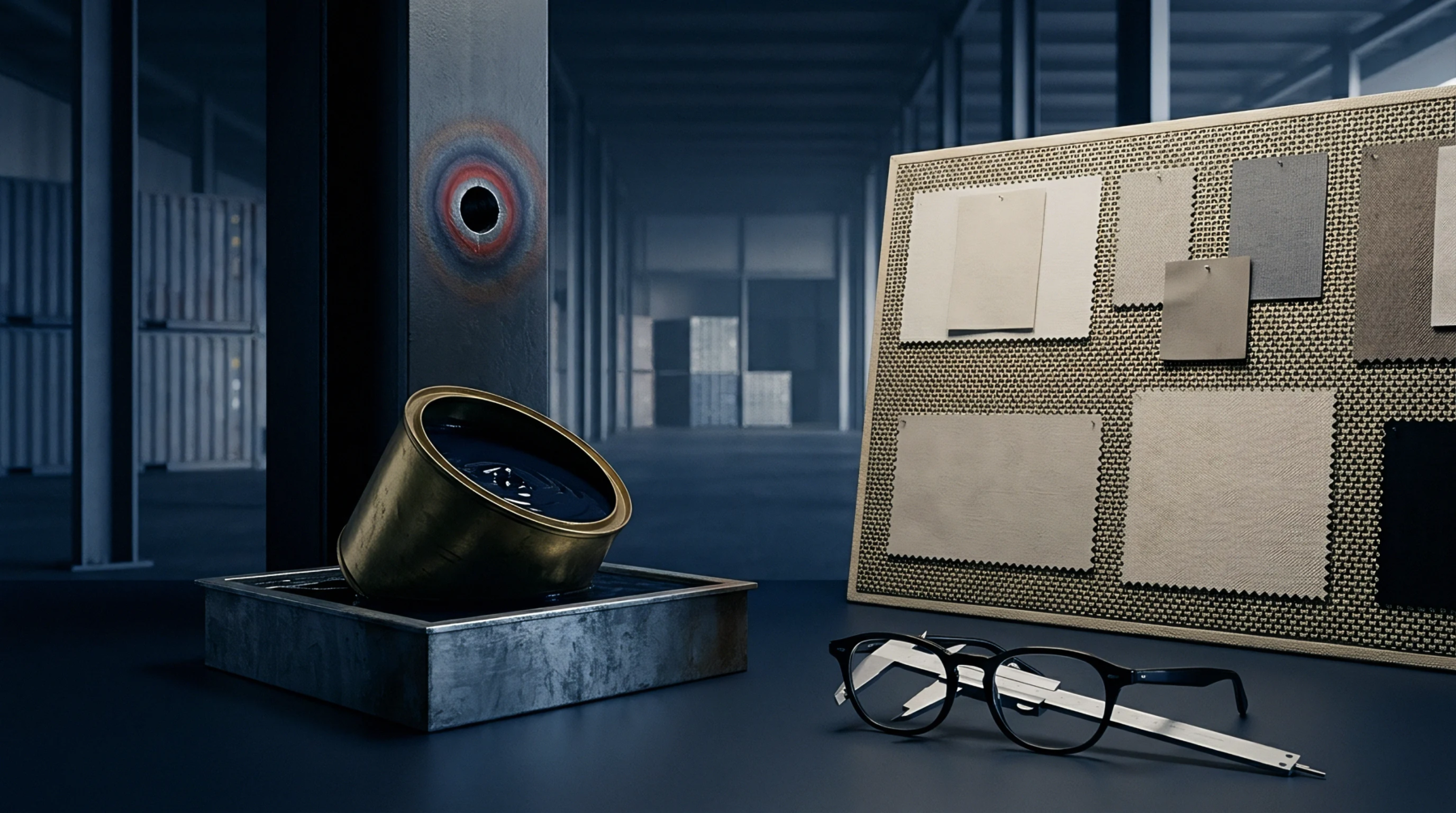
Optimizing liquor ratios requires balancing steam and salt savings against pump turnover rates to prevent severe shade unlevelness and mechanical creasing.
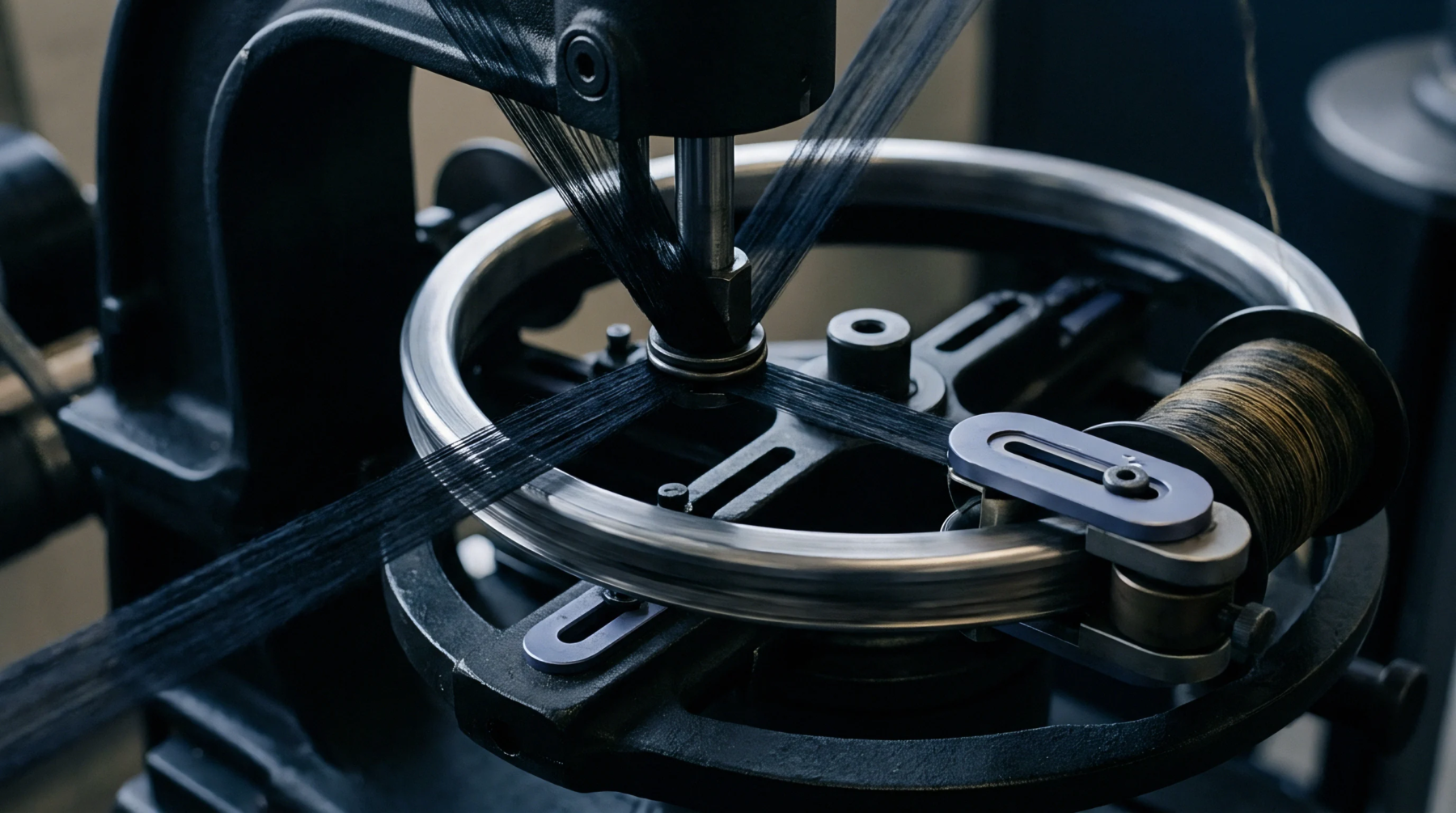
Matching intermediate infrared radiant emission wavelength to polyelectrolyte thermal gelation viscosity prevents dye migration in continuous wet processing.

Dynamic psychrometric compensation continuously balances evaporation and pickup in pad boxes, preventing dyestuff molarity drift and head-to-tail shade defects.
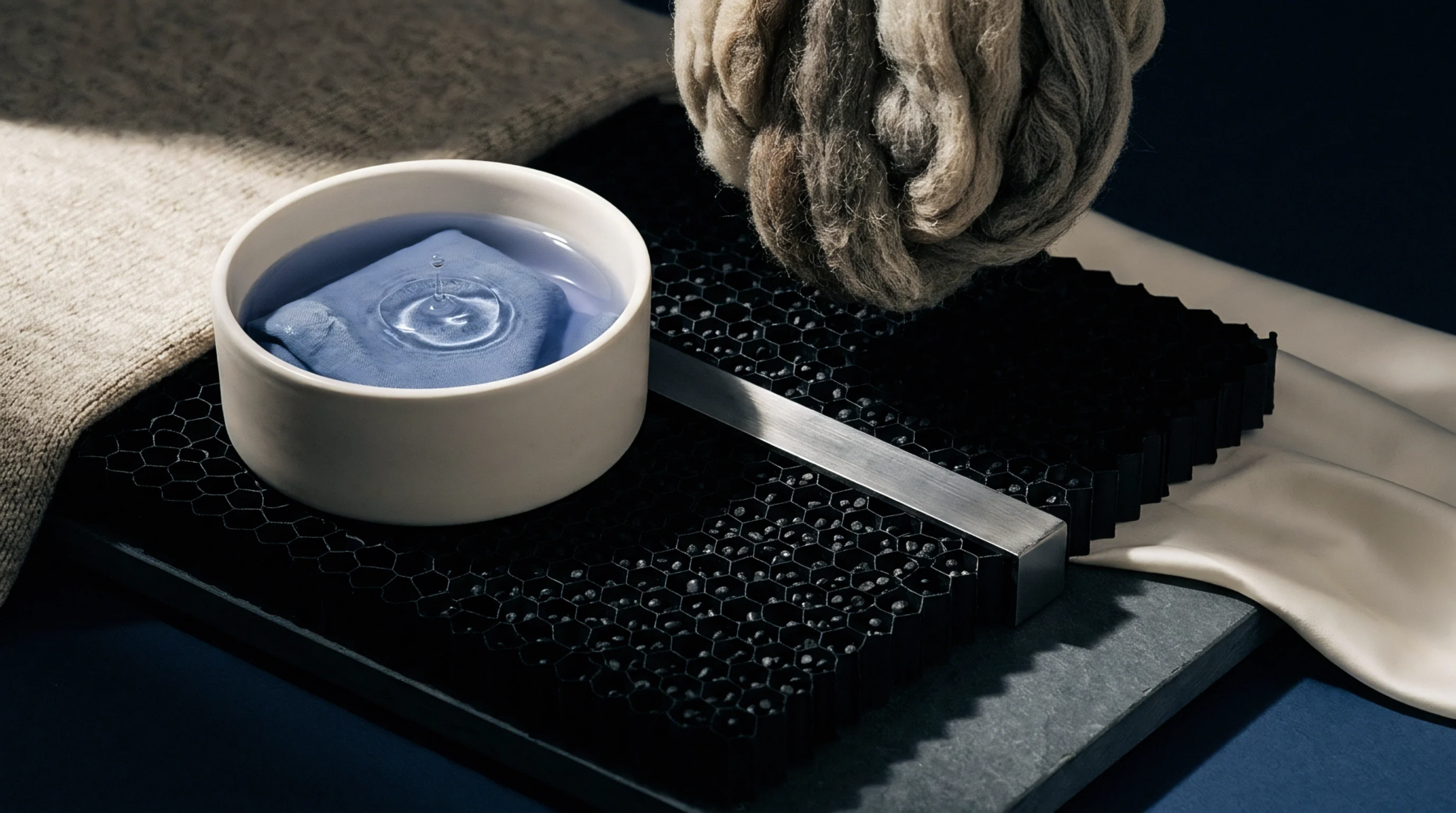
Cellulosic reactive exhaust dyeing requires strict pH and temperature ramp control to minimize nucleophilic hydrolysis, maximize covalent yield, and prevent fastness failure.

Enforceable split sample protocols mandate nitrogen-sealed tripartite swatches, pre-agreed ISO 17025 test methods, and statistical reproducibility limits.

Dynamic control of ambient regain, pad bowl deflection, wet-bulb drying temperatures, and steam saturation halts continuous shade drift across variable weather.
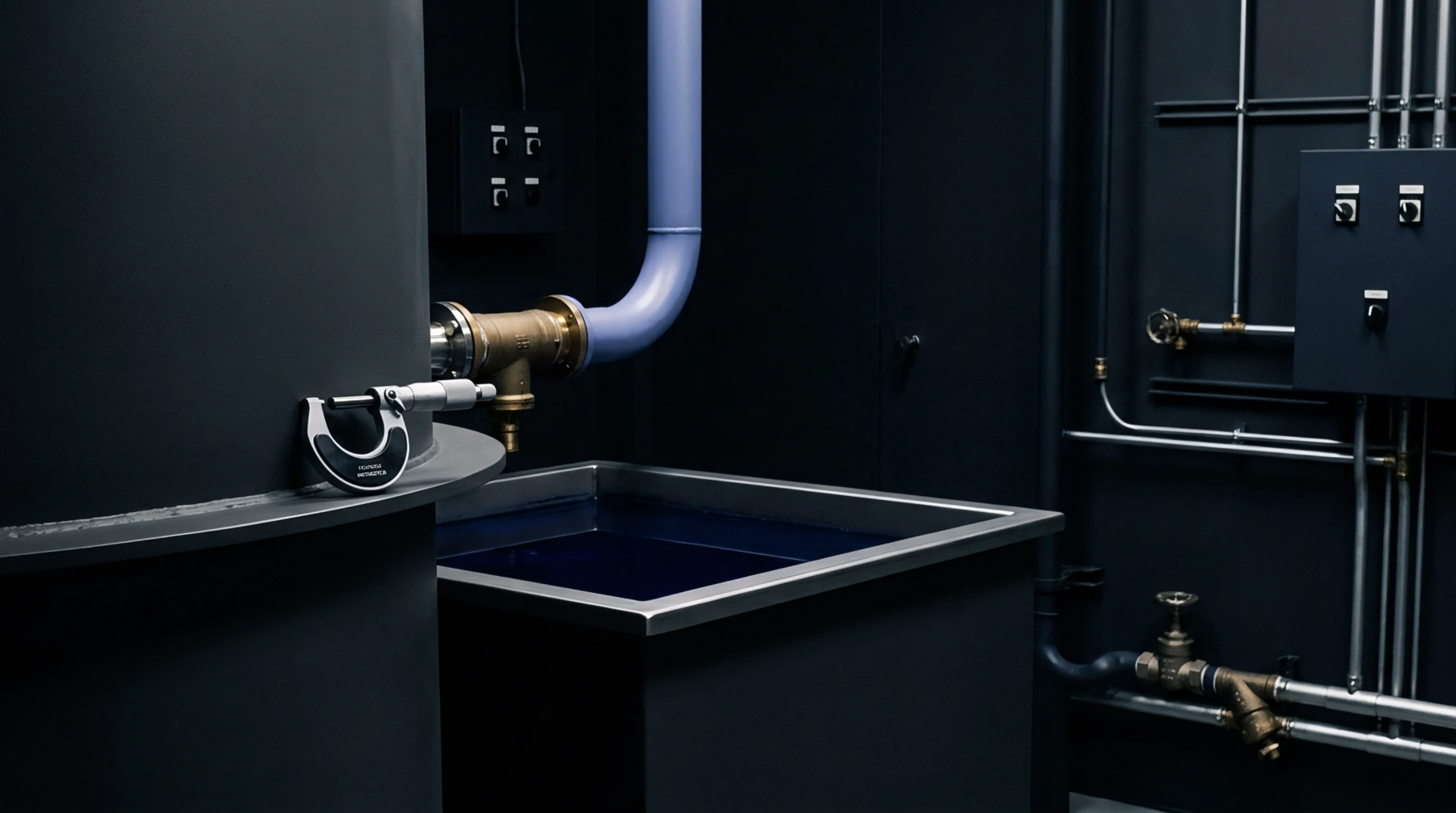
Dye lot conversion schedule reconciliation requires matching greige bulk density and nozzle hydraulics to vessel capacity, preventing pump cavitation and shade drift.

Aligning woven greige warp minimums with dyehouse vessel capacities requires calculating dry mass yields and vessel fill limits to prevent shade variation.
Expertise is a utility, not a secret. sentiention™ publishes its working knowledge as open reference: intelligence layer covering the materials it sources, the markets it enters, and the reference that serves both.