Hydraulic Head
Hydraulic requirements for centrifugal pumps describe the relationship between the pressure available at the pump inlet and the pressure at which the liquid begins to vaporize. This net positive suction head is a fundamental concept in the design of textile dyeing and finishing machines where large volumes of hot liquor must be circulated. To prevent damage to the equipment, the pressure of the fluid entering the pump must be higher than its vapour pressure.
If the pressure drops too low, the liquid will turn into gas bubbles, causing the pump to lose its prime and potentially fail. This measurement is divided into two parts, the amount available from the system and the amount required by the pump itself.
Pressure Requirement
Engineering of the piping system determines the available pressure at the suction flange. Factors such as the height of the liquid in the supply tank, the atmospheric pressure, and the friction losses in the pipes all contribute to the final value. In a high-temperature dyeing machine, the net positive suction head is particularly critical because the water is often near its boiling point.
As the temperature rises, the vapour pressure of the liquid also increases, which reduces the margin of safety for the pump. To maintain a safe operation, the available head must always be greater than the required head specified by the pump manufacturer. If the margin is too small, the pump will experience noise, vibration, and a drop in flow rate.
These symptoms are signs that the liquid is beginning to boil inside the pump housing. Designers must calculate the friction losses in every valve and bend in the suction line to ensure that enough pressure reaches the impeller. Using larger diameter pipes or placing the supply tank at a higher elevation are common ways to increase the available pressure.
In some cases, a booster pump is added to the system to provide the necessary head. The goal is to ensure that the pump always has a steady supply of liquid that is well above its vaporization point. This protects the mechanical seals and the impeller from the destructive forces of bubble collapse.
System Elevation
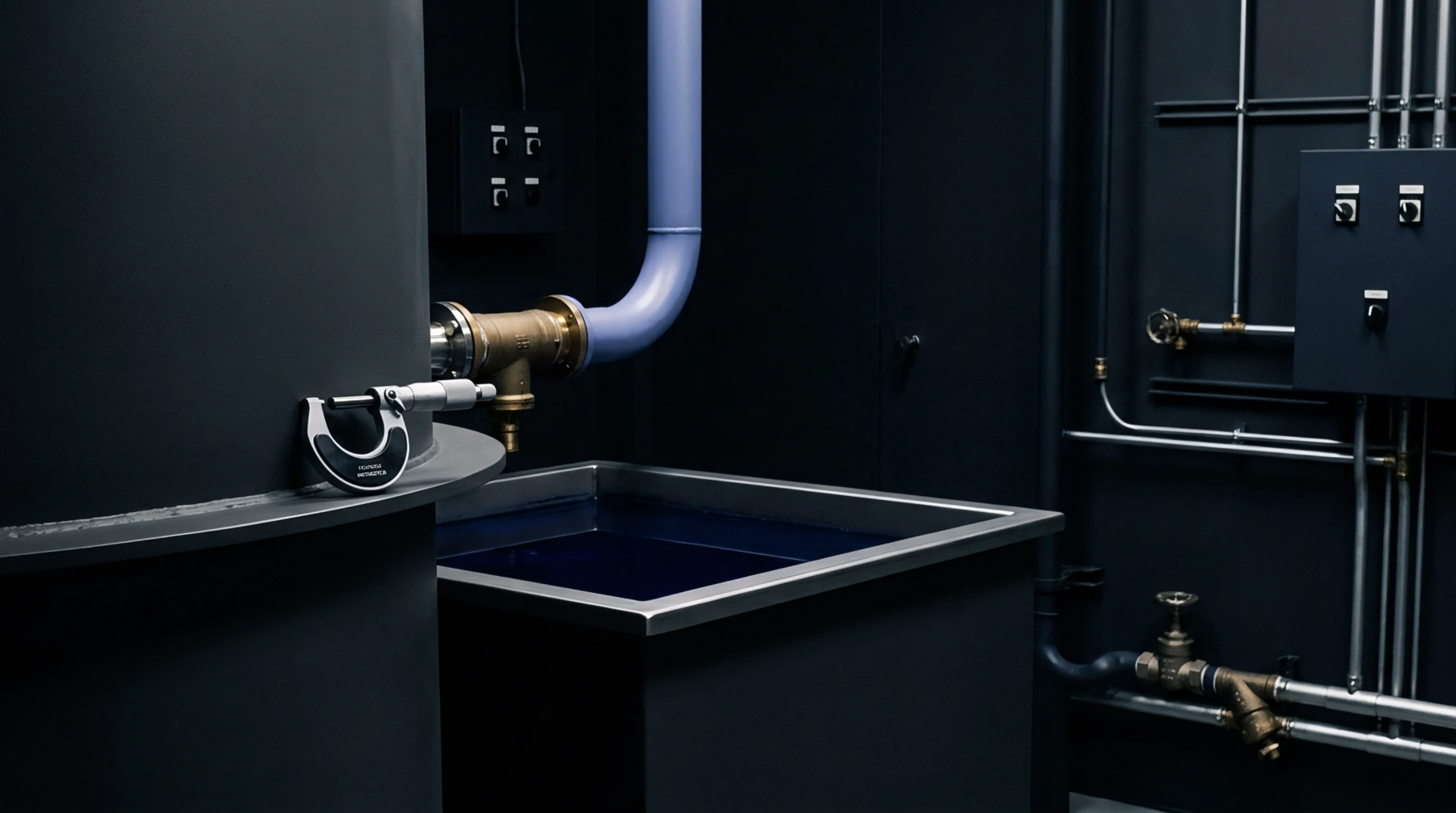
Placement of the pump relative to the fluid source is one of the most effective ways to manage this hydraulic challenge. A pump that sits below the tank level benefits from the gravitational pressure of the liquid column, which adds to the net positive suction head. This configuration is standard in industrial laundries and textile mills where reliability is the top priority.
If the pump must be placed above the tank, the system must rely on atmospheric pressure to push the liquid up, which significantly reduces the safety margin.
Pump Performance
Maintenance of the pumping equipment is necessary to ensure that it continues to operate within its design limits. Wear on the impeller or a buildup of debris in the suction strainer can change the amount of head the pump requires. Regularly checking the net positive suction head during operation allows the maintenance team to identify problems before they lead to a total system failure.
Reliable fluid transport is essential for achieving consistent dyeing results and high production efficiency.