Measurement Benchmark
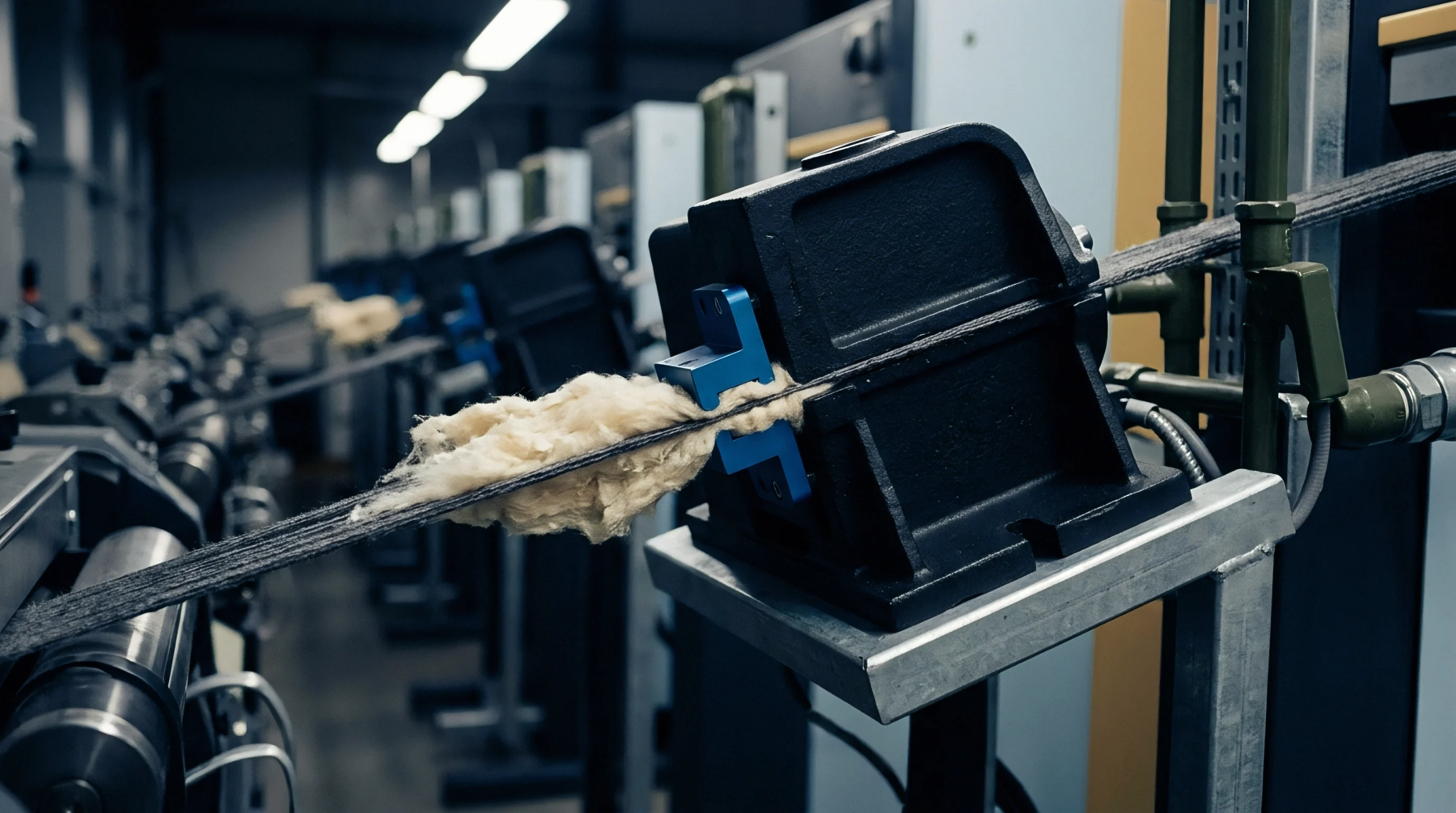
A primary pressure standard utilizes the physical principle of force divided by area to generate reproducible pressure values. The dead weight tester calibration establishes the accuracy of pressure gauges used in textile laboratories to measure the bursting strength of woven fabrics. This procedure relies on certified mass pieces loaded onto a piston of known cross-sectional area.
Calibration Procedure
The comparison between the pressure generated by known masses and the reading of the instrument under test occurs at multiple increments across the entire operational range. For a dead weight tester calibration, the technician applies specific masses to create a balance where the piston floats freely. This step eliminates frictional resistance through manual rotation of the piston assembly.
The resulting measurement confirms the linearity and repeatability of the laboratory pressure gauge. Each mass is applied sequentially to construct a calibration curve that reveals any hysteresis or non-linear behavior in the sensor. The output is recorded as a correction factor.
Industrial Application
Apparel testing laboratories require certified pressure measurements to verify that knit and woven fabrics meet international performance standards for strength. In this context, dead weight tester calibration ensures that the hydraulic cylinders in bursting strength testers exert the exact force reported on the digital display. A failure in calibration can lead to the acceptance of weak fabrics that tear during the garment assembly process.
The procedure protects the garment factory from costly returns of defective merchandise.
Accuracy Boundary
Environmental conditions such as local gravity, ambient temperature and air density affect the pressure generated by a primary standard. Correcting for these variables is necessary during a dead weight tester calibration to maintain the required level of uncertainty. The procedure cannot compensate for mechanical wear on the piston itself.
When physical damage to the piston occurs, the assembly must be replaced rather than adjusted.