Fluid Resistance
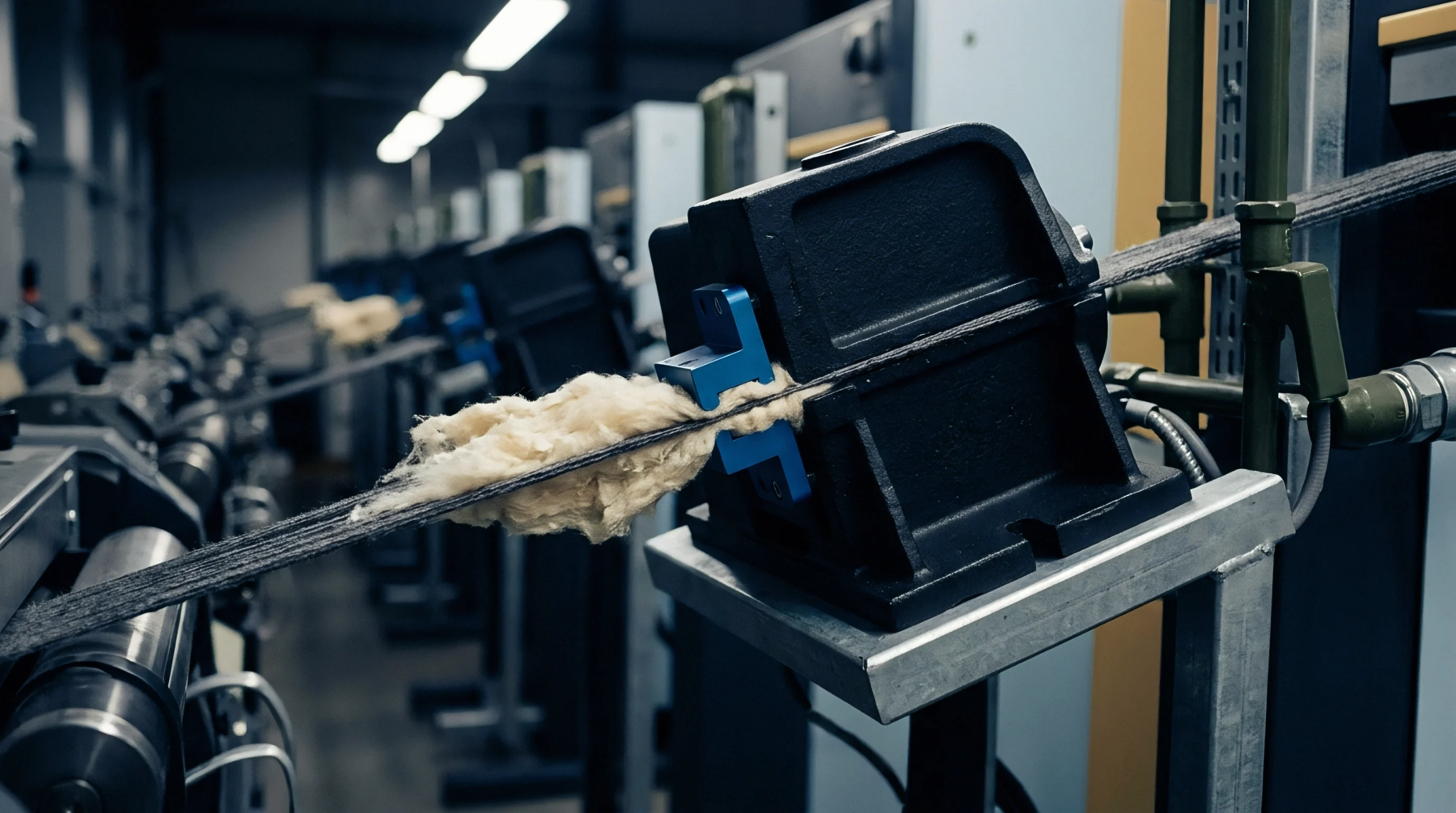
Mechanical forces opposing fabric motion through liquid media determine the longitudinal tension imparted to wet textile assemblies during continuous processing. Washing ranges and jet dyeing machines move fabric ropes through aqueous baths at high operational velocities. Calculating hydrodynamic drag force allows machinery engineers to adjust drive roller synchronization and prevent fabric elongation in elastic synthetic blends.
Viscous shear stress acting on the fabric surface increases proportionally with bath viscosity and liquor turbulence.
Tension Generation
Excessive viscous drag pulls on warp yarns as the fabric assembly navigates submerged guide rollers in open-width wash boxes. High hydrodynamic drag force stretches delicate knitted fabrics, causing permanent width loss and skewed course lines across the finished roll. Reducing fabric speed or installing driven submerged rollers neutralizes accumulated drag forces, protecting fabric dimensional stability.
Physical Measurement
Load cells mounted on submerged guide roller bearings quantify resistance forces generated by liquid movement against the moving fabric web. Tensiometers record real-time tension changes across wet processing compartments, transmitting data to main drive controllers.
Velocity Boundary
Laminar liquid layers adhering to the fabric surface restrict bath circulation when processing speeds fall below minimum threshold levels. High fluid turbulence overcomes boundary layer resistance but risks physical fabric tangling in open-rope processing configurations.