Dye Migration Control in Continuous Wet Processing of Polyester Cotton Blends
Dye migration control in poly-cotton continuous processing requires controlled pad pickup, balanced infrared pre-drying, and pseudoplastic anti-migrant dosing.
Pad
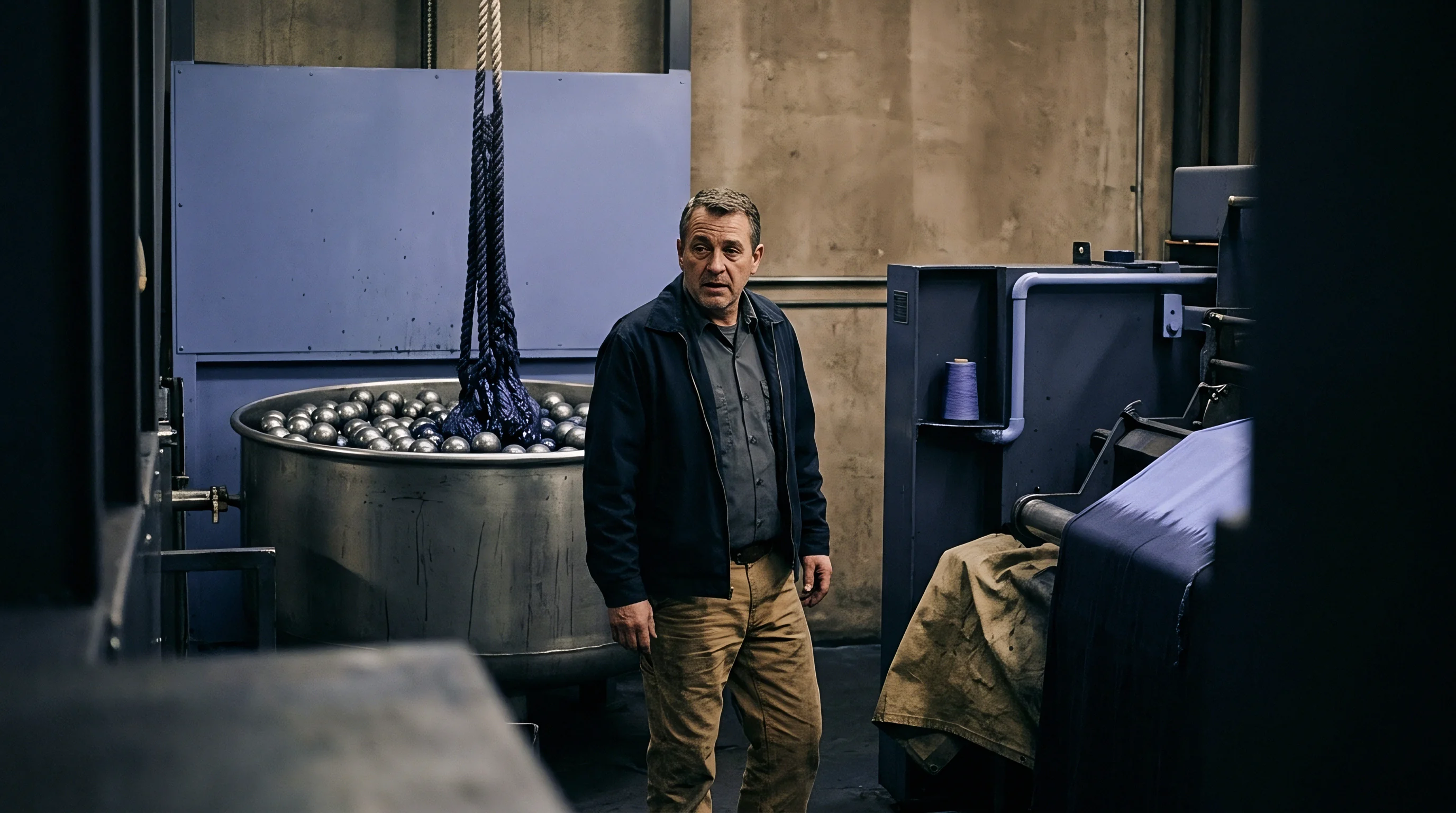
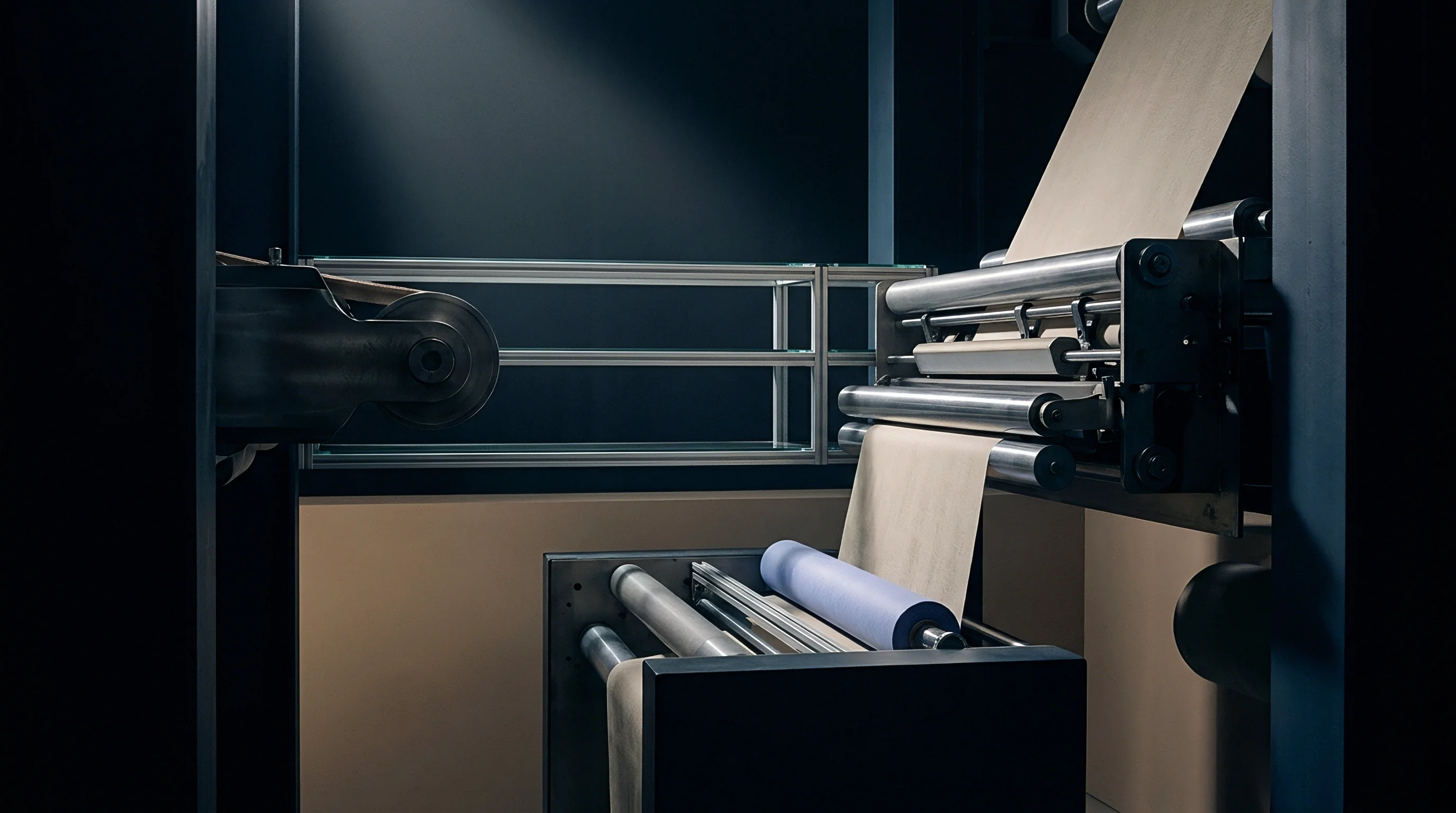
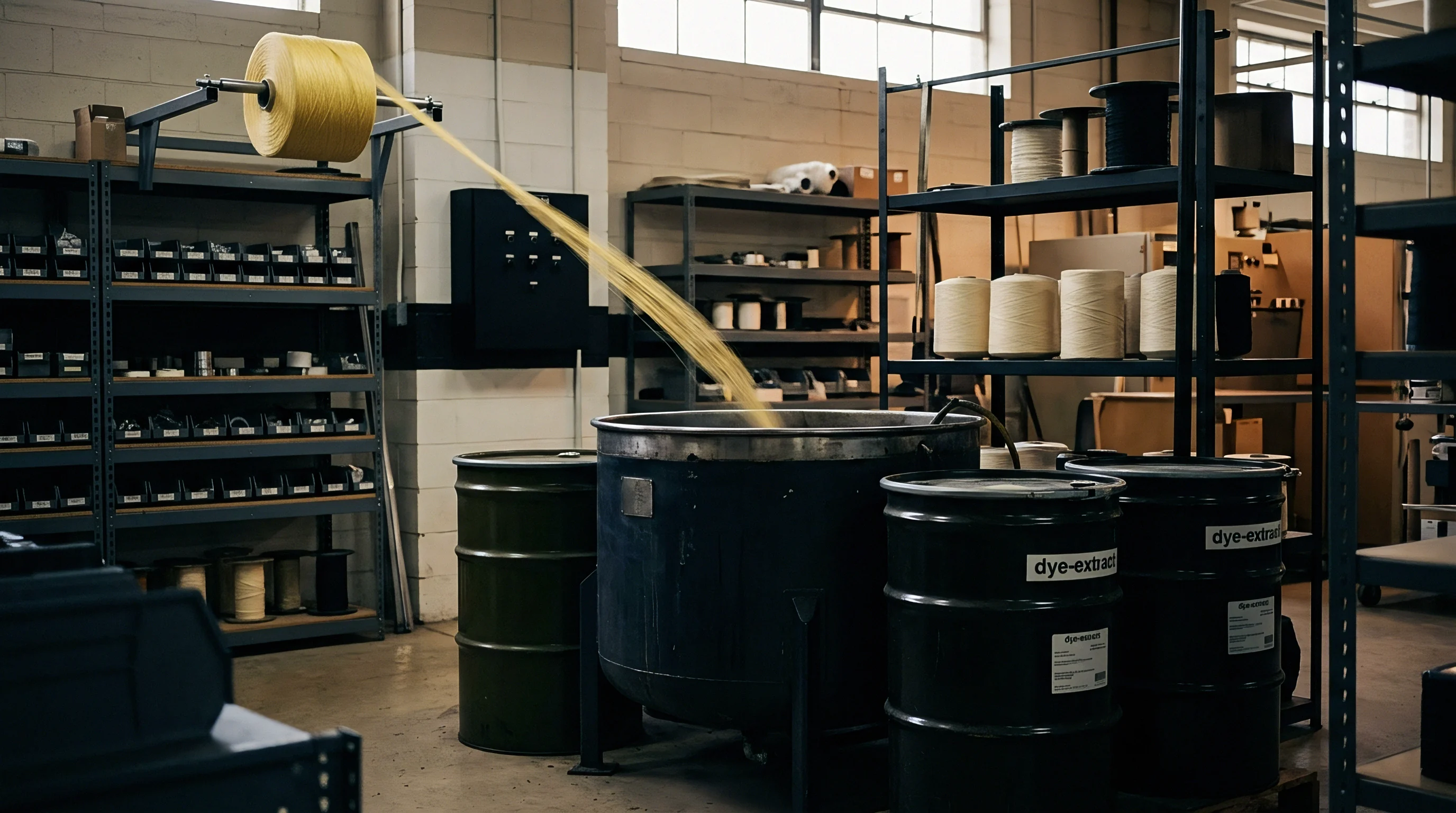
Continuous immersion of polyester-cotton woven sheeting through a foulard requires precise control over nip pressure and trough volume to prevent early phase separation. During padding, a thoroughly dispersed mixture of disperse dyes, reactive dyes, and auxiliaries is introduced into the substrate. The mechanical configuration of the pad mangle sets this initial liquid distribution across the fabric width, and uniform expression across the roll is essential to avoid shade variations, edge-to-center listing, and dye agglomeration.
Trough Dynamics and Wet Pickup
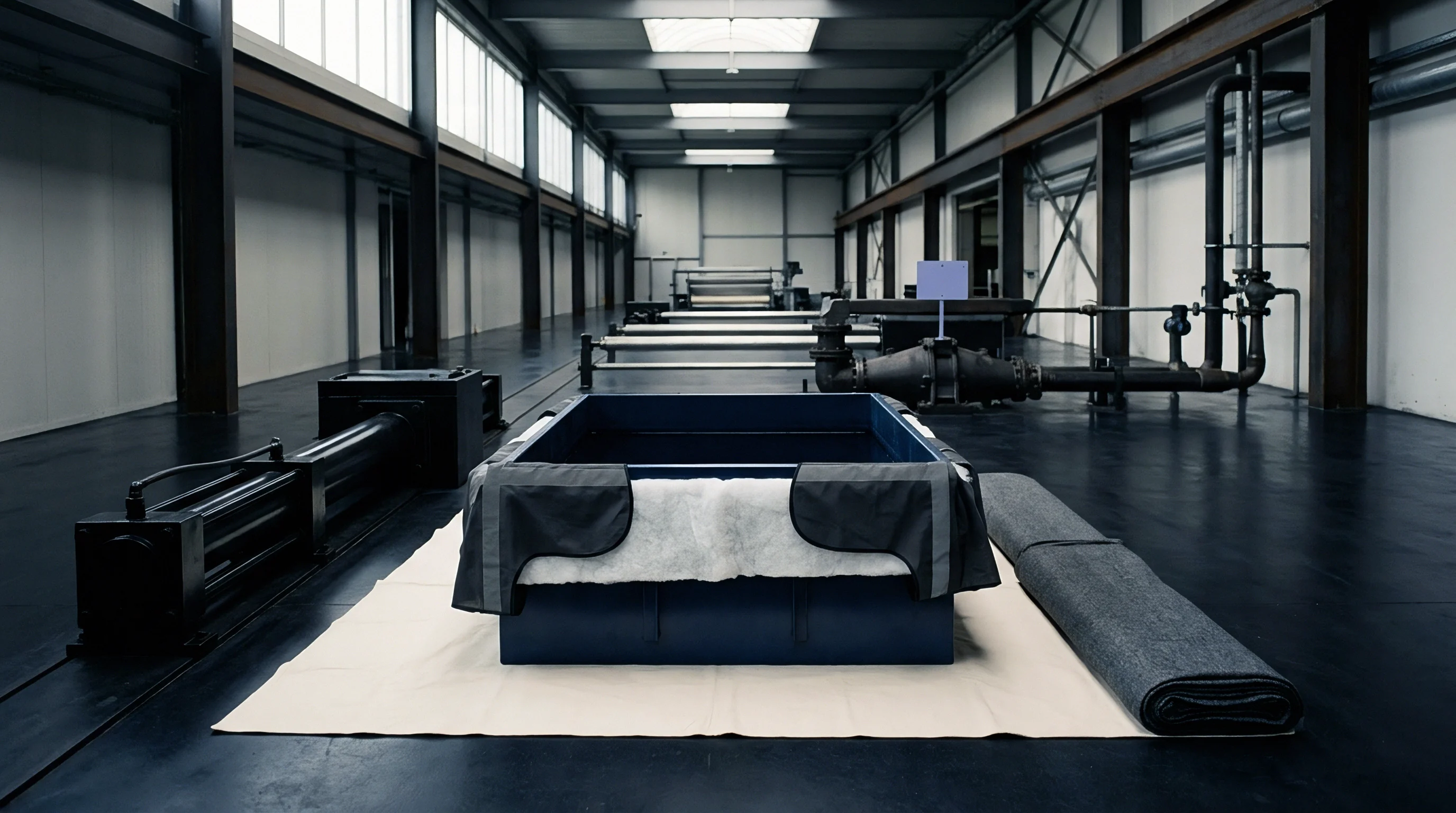
Mangle expression levels directly dictate the mass of unfixed water residing inside the inter-yarn interstices prior to drying. Standard continuous dyeing lines operate at a wet pickup range between fifty-five percent and sixty-five percent on polyester-cotton blends. Lower pickup levels reduce the total water mass that must evaporate downstream, directly minimizing the driving force behind particulate dye displacement.
Maintaining a constant liquor level in the pad trough prevents concentration shifts over time. A small-volume, low-immersion trough minimizes dwell time before application, keeping disperse dye particles from agglomerating prematurely in the presence of dissolved inorganic salts or reactive dye electrolytes. For high-speed operations, continuous liquor circulation via recirculation pumps with heat exchangers keeps the pad bath between twenty and twenty-five degrees Celsius.
Continuous wet processing of polyester-cotton woven fabric demands continuous liquor circulation to prevent dye sedimentation in the pad trough.
Liquor Stability and Shear Sensitivity
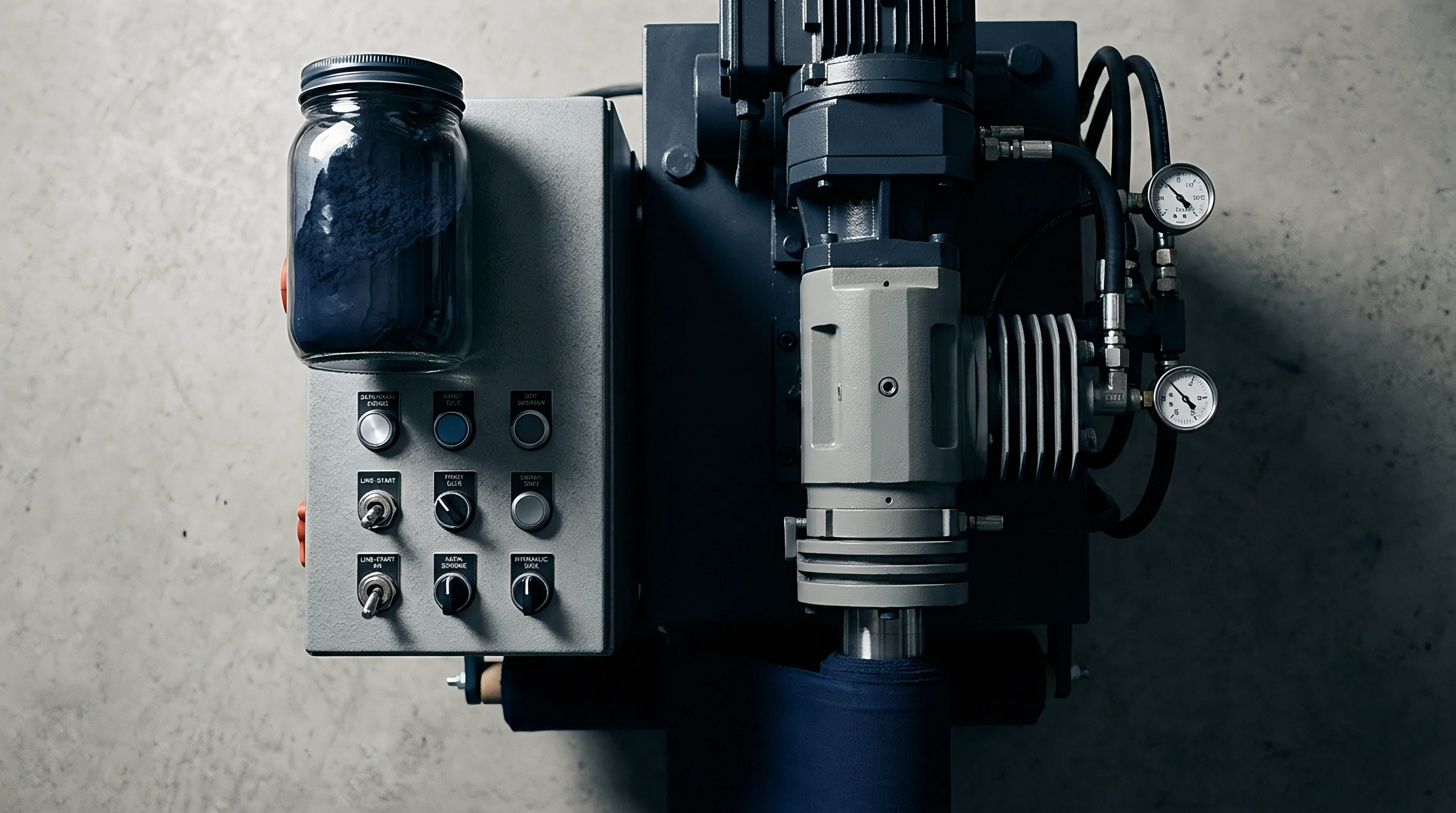
High-speed operations subject disperse dye dispersions and dissolved reactive dyes to intense mechanical agitation within the delivery bath. Shear forces inside the pad trough can break dispersion stability, causing hydrophobic disperse dye particles to aggregate when subjected to high shear rates and elevated liquor temperatures.
The mechanical hardness of the mangle bowls influences how deeply liquor penetrates the yarn core. Rollers constructed from synthetic rubber with a hardness between sixty-five and seventy-five Shore A provide uniform pressure across varying fabric thicknesses, while deflection-controlled rolls, such as swimming rolls, compensate for bending under high hydraulic pressure. Uniform nip pressure forces liquid into the center of the yarn structure rather than leaving it on the surface where evaporation can move dye particles freely.
- Inconsistent bowl pressure across the roll face creates a side-to-center wet pickup differential that drives color density variations during intermediate drying.
- Excessive trough residence time allows disperse dye dispersions to destabilize and form surface specks on the moving web.
- Uncontrolled liquor temperature alters dye solubility limits and accelerates phase separation within blended chemical recipes.
- Inadequate bowl hardness permits preferential fluid passage through low-density areas of the woven structure, leading to localized shade unlevelness.
Failing to maintain uniform nip pressure across the mangle face leads to edge-to-center wet pickup variances exceeding three percent. This imbalance forces liquid toward the warmer sections of the web, generating permanent listing defects across the finished roll.

Heat
Thermal energy transfer during intermediate water removal governs how unfixed dye particles move across the yarn cross-section. As wet fabric passes from the pad mangle into the drying zone, water evaporates from the exposed surfaces, and capillary forces pull water from the interior of the yarn bundle outward to replace it. Unfixed disperse and reactive dye particles suspended in this liquid stream follow those capillary flow lines to the surface.

Infrared Pre Drying Configurations
Radiative emitters bring moisture content down from eighty percent to thirty percent without creating turbulent air currents across the web. Infrared pre-drying solidifies the liquid film before the fabric enters the high-velocity hotflue dryer, with dual-sided infrared zones delivering balanced thermal radiation to both faces of the fabric simultaneously.
Infrared pyrometers monitor fabric surface temperature continuously as the web exits the pre-drying chamber. Operating within a wavelength band tailored to water absorption peaks ensures rapid, contact-free drying. Once fabric moisture drops below thirty-five percent, bulk capillary flow stops, and dye particles become physically trapped within the fiber matrix.
Non-uniform infrared emitter output exceeding a ten-degree Celsius widthwise variance creates permanent edge-to-center shade listing in thirty-two-gauge poplin.

Hotflue Temperature Gradients
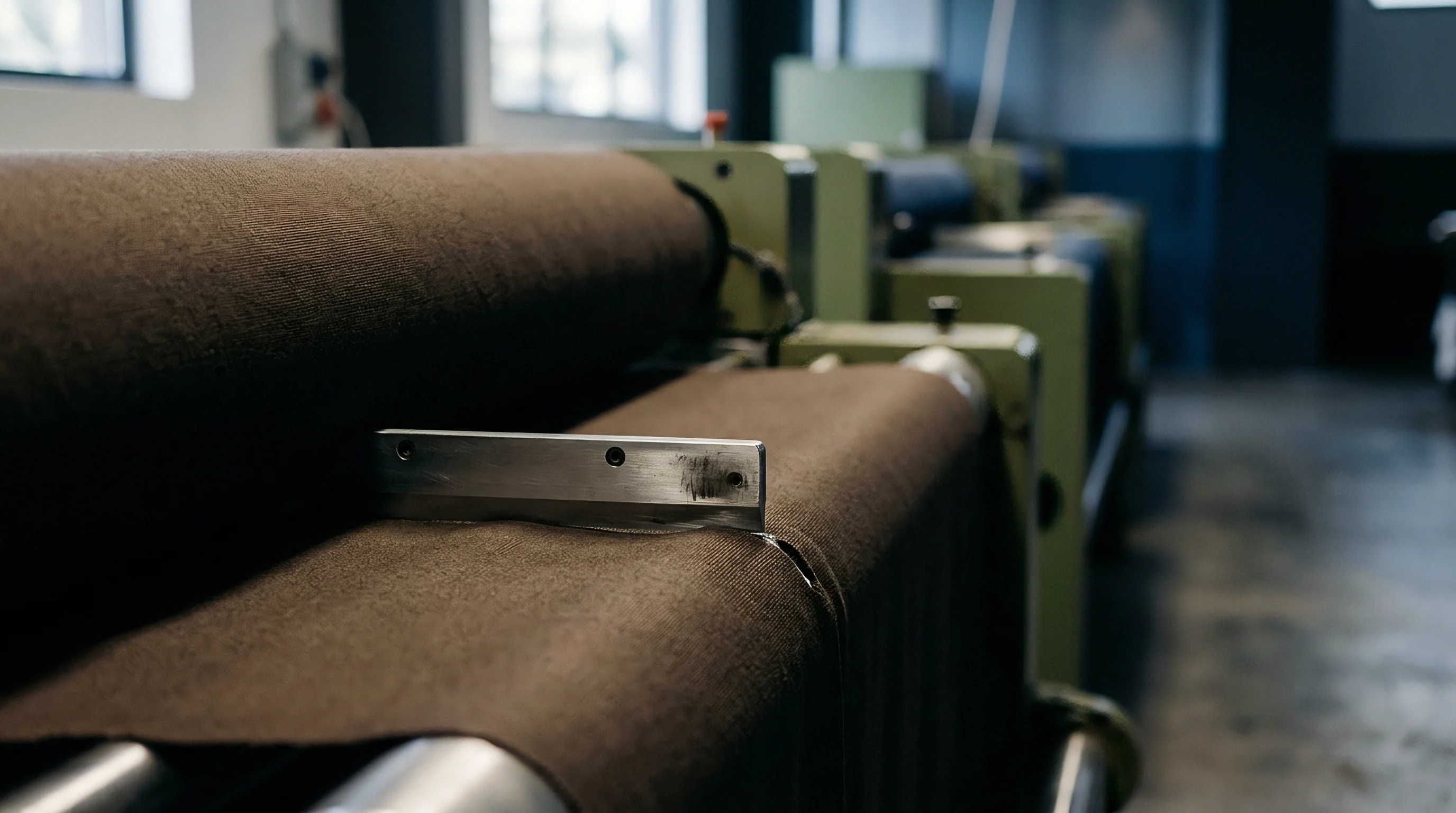
Balancing air velocity between upper and lower jet nozzles eliminates face-to-back shade variations across the web. After leaving the infrared pre-dryer, the fabric enters the hotflue convection dryer, where temperature zones must escalate progressively. Initial zones maintain moderate temperatures between one hundred and one hundred twenty degrees Celsius under controlled air velocity.
- Position fabric entry directly between symmetrical infrared heating panels operating at balanced medium-wave output levels.
- Reduce web moisture content to thirty percent prior to introducing high-velocity convective airflow within the drying chamber.
- Establish progressive temperature zones inside the hotflue starting at one hundred degrees Celsius and escalating to one hundred thirty degrees Celsius.
- Maintain air nozzle velocity symmetry between upper and lower impact jets to equalize moisture evaporation rates across both fabric faces.
Uneven air impact velocity between top and bottom nozzles causes preferential evaporation from one side of the cloth, pulling unfixed disperse dye toward the faster-drying face and creating two-sidedness. Widthwise airflow variations produce lengthwise streaks, making routine nozzle maintenance critical to prevent partial blockages.
Face-to-back shade variations are often mistaken for faulty dye lots when improper hotflue air velocity balancing during intermediate drying is actually responsible for the imbalance.

Chemistry
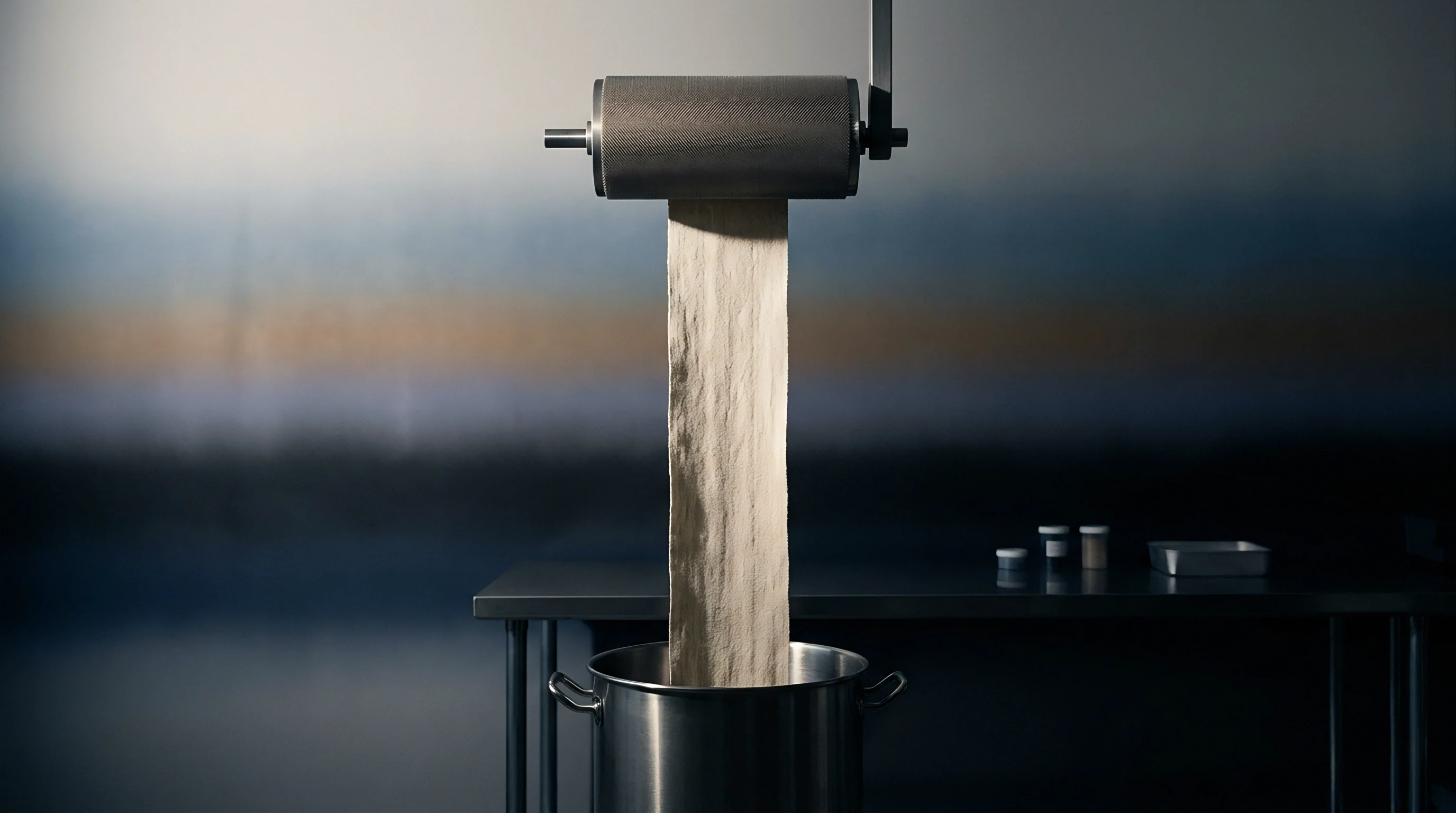
Polymeric additives in the dye bath alter the rheological behavior of the evaporating water film. Antimigrant chemicals build a three-dimensional gel network as moisture evaporates and solute concentration rises; this rapid increase in local viscosity locks suspended disperse dyes and dissolved reactive dyes in place, preventing capillary transport toward the surface.
Is Synthetic Polymer Preferred over Natural Alginate?
Modified acrylic copolymers build viscosity rapidly during drying while maintaining low initial bath viscosity for quick yarn penetration. Sodium alginate, a traditional polymer derived from seaweed, washes off easily and dissolves well, but high shear sensitivity limits its performance under high-speed padding. By contrast, synthetic polyacrylates and acrylamide copolymers show pseudoplastic flow, offering low resistance during high-shear padding while forming robust gels during low-shear drying.
Synthetic antimigrants operate at significantly lower solids concentrations than natural alginates. Typical polyacrylate dosages range between ten and twenty grams per liter of pad liquor, compared to the thirty to fifty grams per liter needed for sodium alginate. Lower solids accumulation simplifies washing and keeps the fabric hand from stiffening.
Antimigrant dosage scales inversely with wet pickup levels across all polyester-cotton woven constructions.

Polymer Electrolyte Compatibility Boundaries
Reactive dye baths with high alkali concentrations can destabilize low-grade sodium alginate solutions, leading to premature precipitation. Continuous dyeing of polyester-cotton blends via pad-dry-thermosol-pad-steam requires verifying chemical compatibility in the initial liquor, as disperse dyes rely on anionic dispersing agents while reactive dyes require neutral electrolytes or weak alkalis depending on the fixation system.
| Chemistry Class | Shear Viscosity Stability | Electrolyte Compatibility | Recommended Dosage (g/L) |
|---|---|---|---|
| Sodium Alginate (Low Viscosity) | Moderate under standard nip shear | High compatibility with alkali salts | 30.0 to 45.0 |
| Synthetic Polyacrylate | High pseudoplastic recovery rate | Sensitive to high multivalent cations | 10.0 to 18.0 |
| Acrylamide Copolymer | Superior stability at elevated speed | Excellent in high-salt reactive baths | 8.0 to 14.0 |
| Modified Galactomannan | Low resistance to shear breakdown | Moderate compatibility in mixed baths | 20.0 to 35.0 |
Non-ionic synthetic antimigrants show high chemical stability in complex baths containing both disperse and reactive colorants. Because anionic polyacrylates can interact with cationic additives or hard water ions like calcium and magnesium, softened water under five parts per million total hardness is required to prevent cross-linking in the trough.
- Select pseudoplastic polymers that exhibit rapid viscosity recovery during the transition from high-shear padding to low-shear pre-drying.
- Verify electrolyte tolerance limits of the anti-migrant chemistry against the specific salt concentrations required for the reactive dye system.
- Adjust anti-migrant concentration proportionally when increasing pad mangle wet pickup targets to maintain film gelation thresholds.
- Conduct compatibility testing between disperse dye dispersing agents and synthetic polymeric migration inhibitors prior to bulk formulation.
An anti-migrant formulation must maintain fluid mobility within the pad bath while generating instantaneous gelation as fabric moisture drops past forty percent.

Fixation
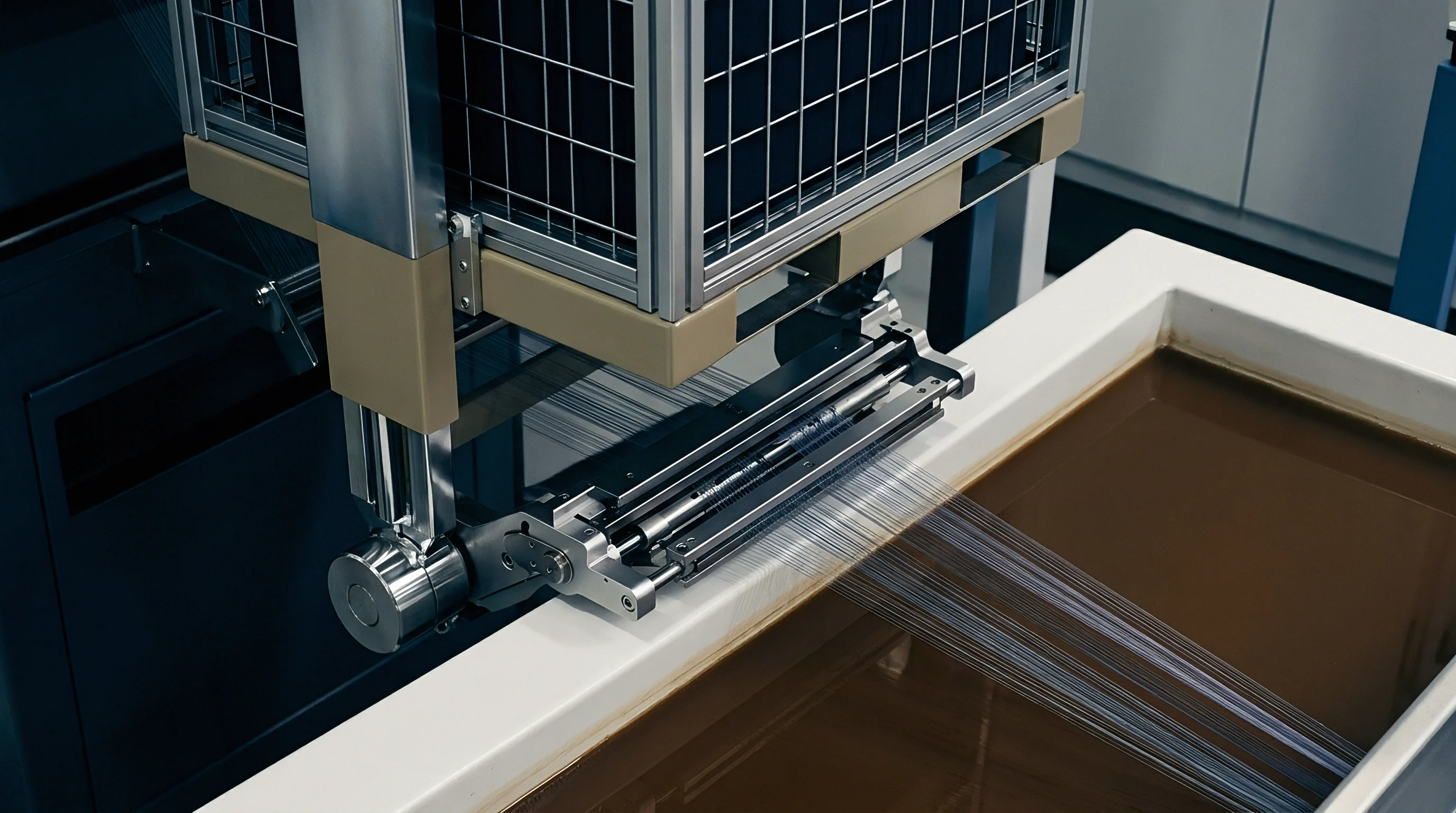
High-temperature solid-state diffusion locks disperse colorants into the expanded polyester molecular matrix at two hundred degrees Celsius. The Thermosol process achieves fixation within thirty to sixty seconds, but conditions must be tightly controlled to ensure complete uptake into the polyester without thermally degrading the cotton component.

Thermosol Dwell and Sublimation Classes
Disperse dyes categorized in high-sublimation fastness groups demand longer thermal exposure for complete penetration. D-class dyes have higher molecular weights, providing superior fastness at the cost of higher fixation temperatures, whereas B-class and C-class dyes fix at lower temperatures but remain susceptible to thermal migration during downstream finishing.
| Blend Ratio (Poly/Cotton) | Disperse Dye Sublimation Class | Thermosol Temperature (°C) | Dwell Time (Seconds) |
|---|---|---|---|
| 65 / 35 | Class D (High Fastness) | 215 to 220 | 45 to 60 |
| 65 / 35 | Class C (Medium Fastness) | 205 to 210 | 35 to 45 |
| 50 / 50 | Class D (High Fastness) | 210 to 215 | 40 to 50 |
| 35 / 65 | Class C/D Blend | 200 to 205 | 30 to 40 |
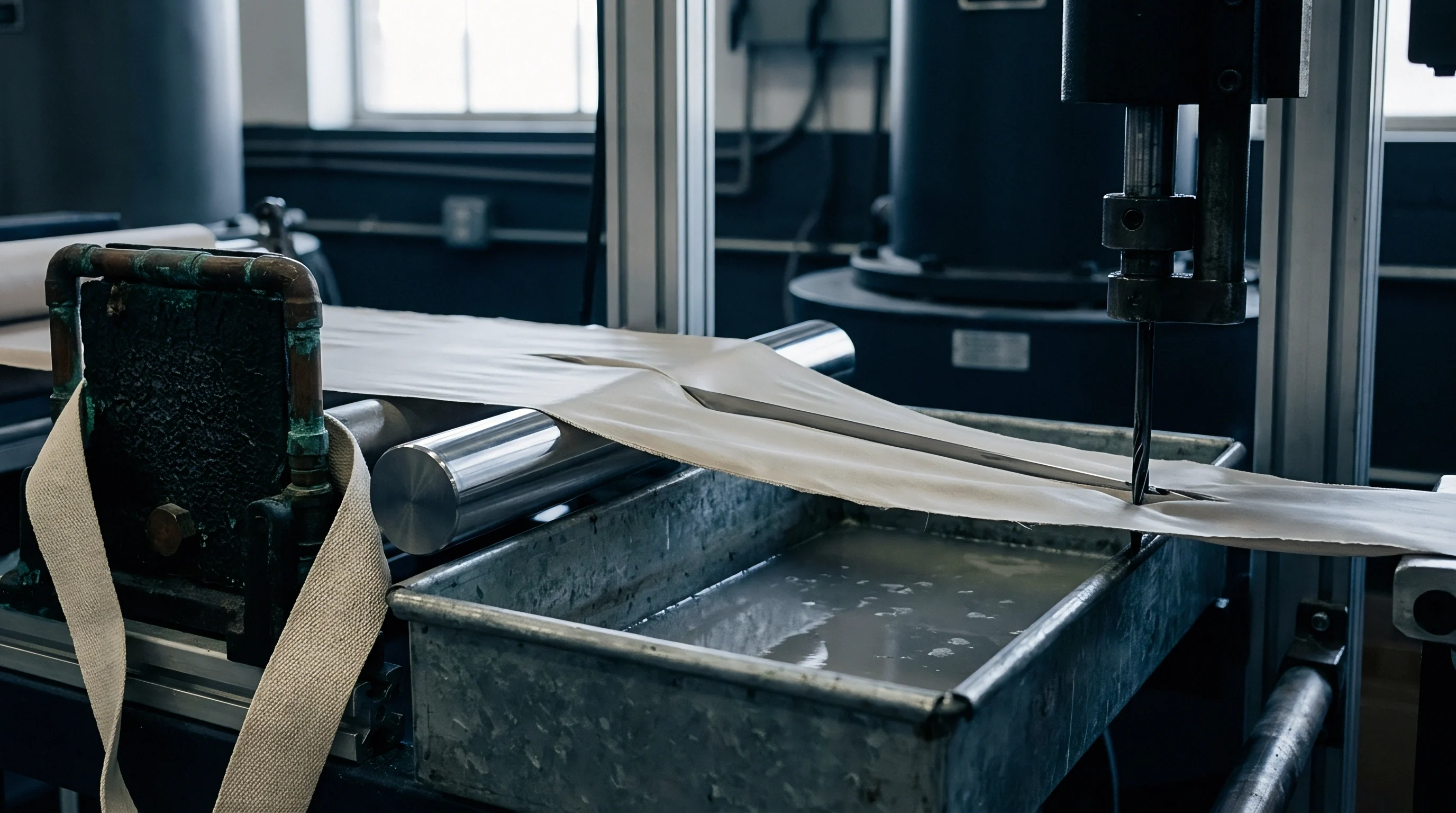
Unfixed disperse dye remaining on the cotton surface degrades rub and wet fastness. Following Thermosol fixation, fabric passes into a pad-steam unit or chemical pad-batch setup where reactive dyes fix onto the cellulosic component under strictly controlled steam conditions.
Alkaline Fixation for Cotton Components
Continuous steaming at one hundred two degrees Celsius completes covalent bonding between reactive dye molecules and cellulosic hydroxyl groups. Saturated steam supplies the required moisture and heat without driving liquor migration ~ provided incoming moisture is uniform ~ while air ingress into the chamber causes localized oxidation and incomplete fixation.
- Calibrate widthwise temperature profiles across the thermofixation oven to maintain variances within plus or minus one degree Celsius.
- Regulate steam chamber pressure slightly above atmospheric pressure to prevent cold air entry through fabric inlet slot seals.
- Execute continuous reductive clearing using sodium hydrosulfite and caustic soda to strip surface-deposited disperse dye off cotton fibers.
Can real-time optical density monitoring inside the Thermosol chamber dynamically adjust zone temperatures to eliminate sublimation loss across variable fabric weights?


Audit
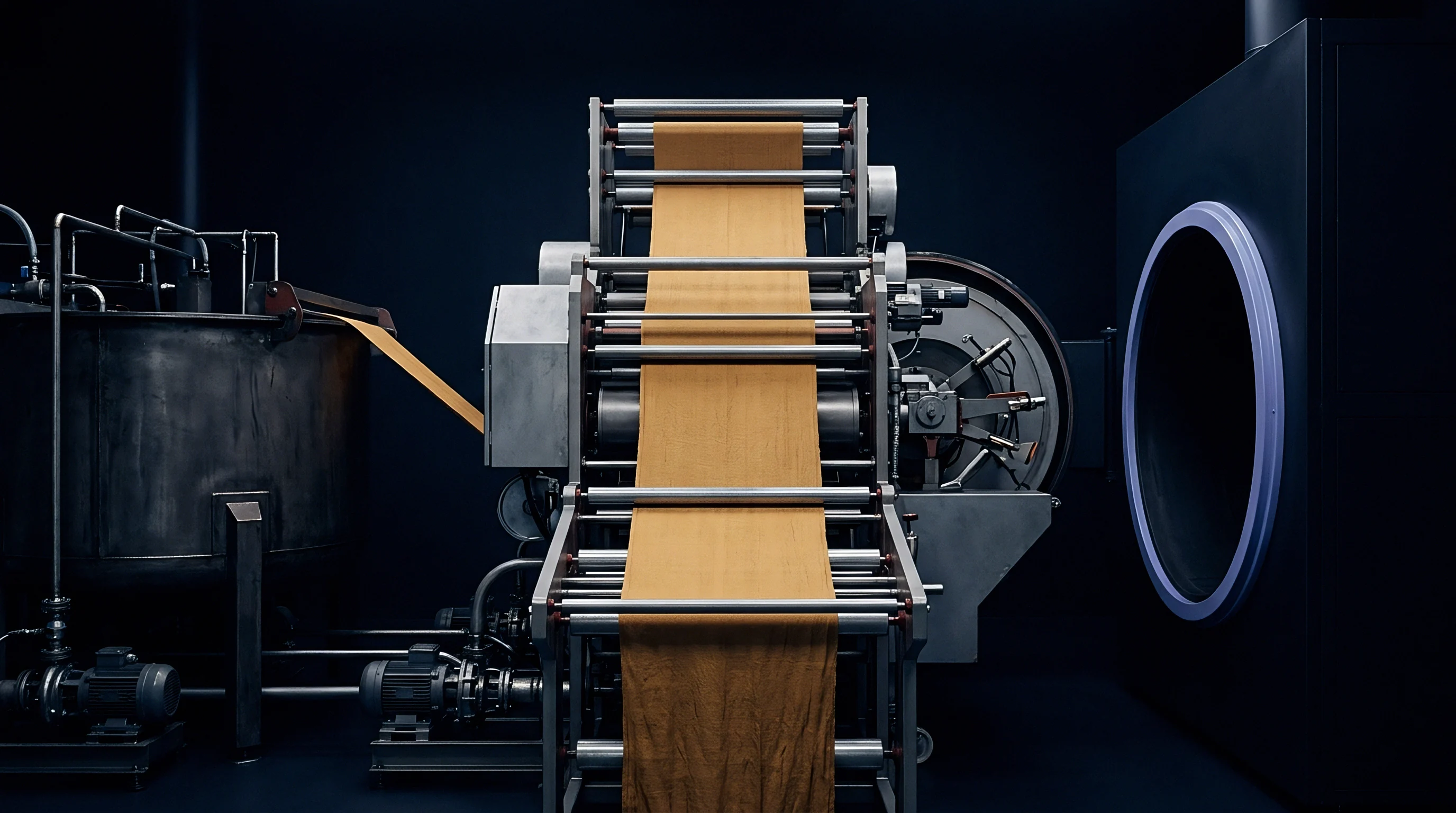
Evaluating finished polyester-cotton goods relies on standardized spectrophotometric measurement alongside fastness testing to verify whether migration controls preserved color uniformity throughout continuous wet processing. Laboratory testing quantifies both face-to-back shade variation and end-to-end consistency across production lots.
Spectrophotometric Listing Verification
Continuous spectral readings across five positions on every fifty-meter roll catch subtle shade drift before cutting. Spectrophotometers using the CIE L a b color space record differences as delta E values, with delta E CMC calculations weighting lightness, chroma, and hue to reflect human visual perception under standard illuminants like D65, TL84, and A.
Edge-to-center listing tolerances for high-grade uniform fabrics strictly require a delta E CMC 2:1 value under zero point five across the full usable width, as variations beyond this limit produce visible panel mismatching during garment assembly.
Commercial specifications enforcing a delta E CMC limit below point five mandate strict antimigrant dose verification on every continuous dyeing batch.

Migration Fastness Test Protocols
Standardized test methods quantify dye movement during laboratory intermediate drying to predict bulk run performance. AATCC Test Method 140 assesses the migration propensity of disperse and reactive dyes by padding fabric with dye liquor, drying one section horizontally without air movement, and drying another under controlled vertical airflow to induce migration.
Comparing reflectance values between the dried zones yields a quantitative migration index, where zero indicates complete resistance to particulate movement and values over twenty percent signal unacceptable risk. Testing incoming dye batches against reference antimigrant formulations ensures batch consistency before loading liquor tanks for production.
In accordance with standard commercial purchase contracts, non-compliant fabric rolls exhibiting widthwise shade variation exceeding delta E CMC zero point eight shall be rejected at the mill gate with full financial liability assigned to the wet processing unit.