Moisture Removal
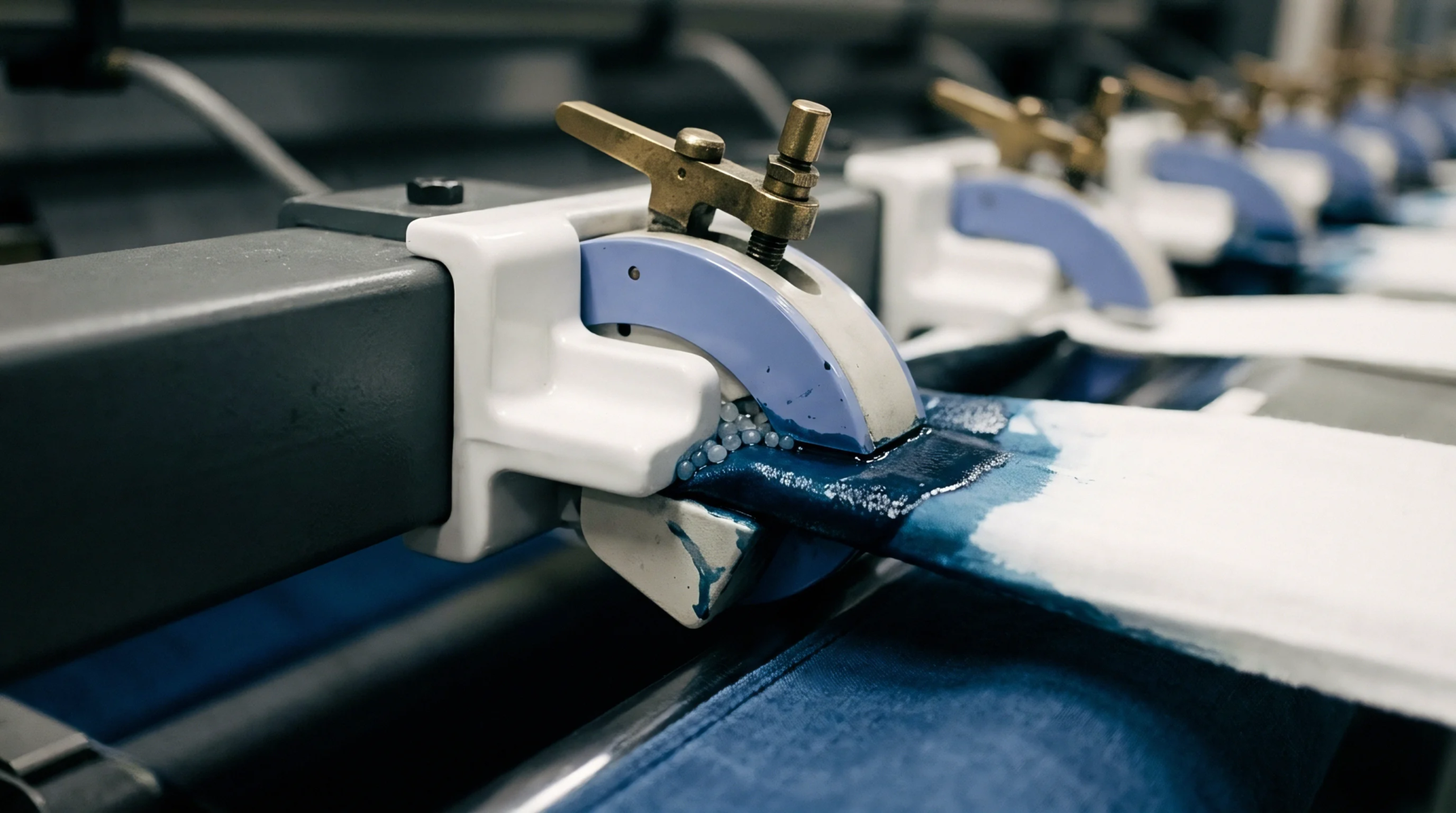
Thermal processing of padded fabrics before the high-temperature fixation phase removes the majority of liquid water without initiating chemical reactions. This step, referred to as intermediate drying, occurs immediately after dye application and before the fabric enters the curing oven. Removing the water gently prevents the dye particles from migrating to the fabric surface and causing uneven shades.
Migration Prevention
Moisture content must be reduced below a critical threshold, usually around thirty percent, to immobilize dye particles on the fiber surface. If intermediate drying is omitted or done too rapidly, the rapid evaporation of remaining water causes the dye to move with the water front, resulting in a patchy appearance. Infrared preheating followed by hot air drying is the preferred method for this stage because it applies heat evenly without blowing the wet fabric.
This uniform heat distribution ensures that dye particles remain where they were deposited during padding.
Equipment Setup
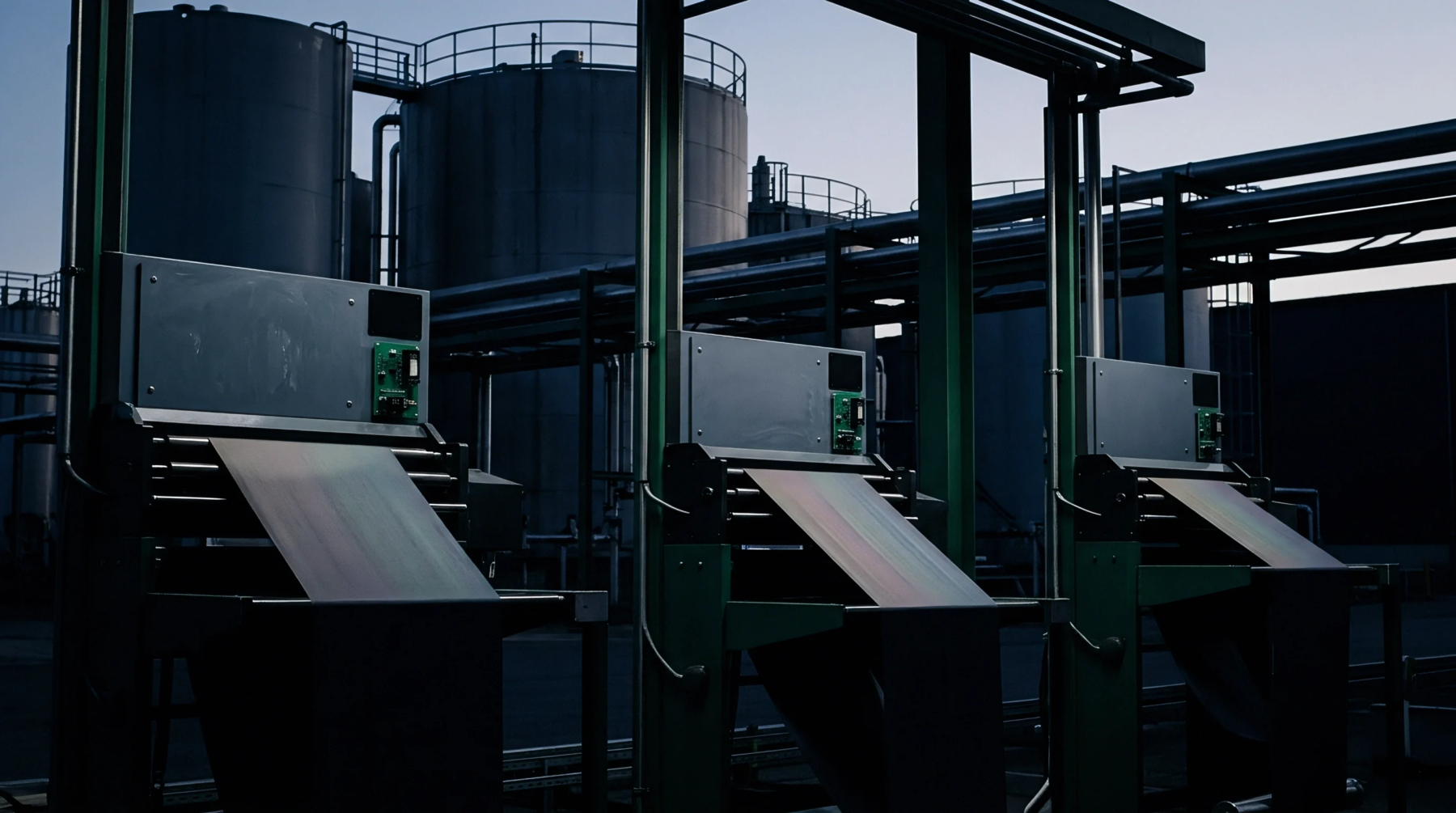
Textile finishing plants install specific heating zones before the main stenter frame or curing unit to handle this preliminary water removal. These zones utilize adjustable infrared burners that can be turned off instantly when the line stops. This feature prevents fabric scorching and ensures safety during production interruptions.
Efficiency Level
Proper drying speeds up the subsequent fixation step by delivering a dry, preheated fabric to the high-temperature zone. This reduction in the moisture load allows the curing oven to run at higher speeds, which increases the overall productivity of the finishing line.