Arbitration Limits in Automated Rapid Drying Methods for High Throughput Port Mass Settlements
Port rapid drying systems systematically under-report moisture regain versus ISO reference ovens, requiring pre-agreed calibration offsets in mass settlements.
Draft
Rapid Desiccation Kinetics at Commercial Port Terminals
Determining settlement mass for high-volume raw textile cargoes starts with finding the clean dry weight before applying official moisture regain rates. Under ISO 6741-1, reference testing calls for ventilated electric ovens at 105 degrees Celsius, drying the sample until consecutive weighings differ by less than 0.05 percent. That takes two to four hours per batch.
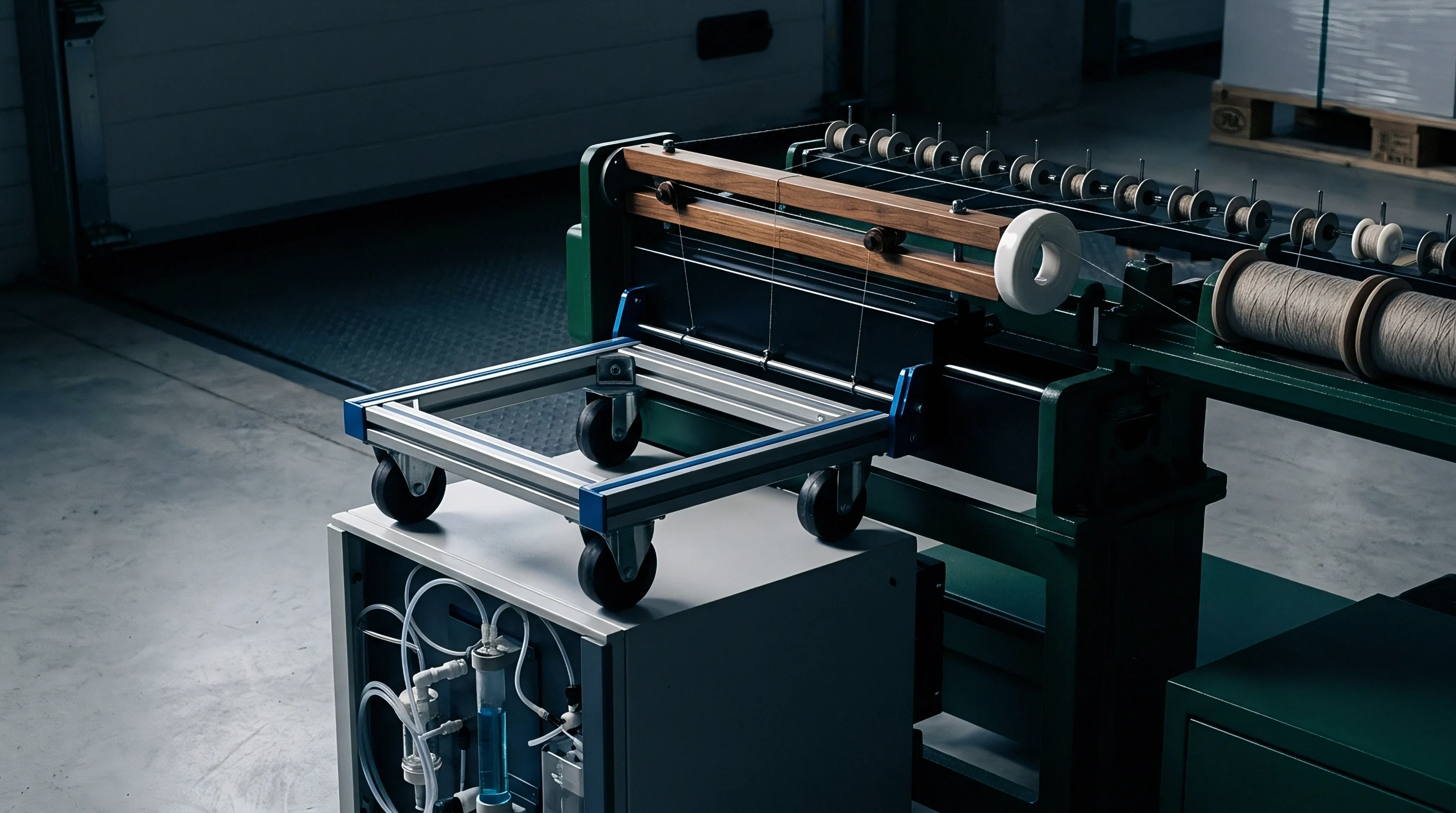
Marine laboratories handling thousands of tonnes of cotton bales, scoured wool clips, or synthetic staple fibres daily cannot hold up vessel loading for hours at a time. To cut those delays, modern port facilities use high-throughput systems ~ forced hot air tunnels, microwave cavities, and radio-frequency dielectric units ~ that strip moisture from core samples in four to eight minutes.
Rapid drying changes how water evaporates from dense fibre samples. Surface moisture flashes off quickly under intense heat, but internal pores in natural fibres hold onto bound water through hydrogen bonding with cell wall polymers. Fast, hot air streams speed up evaporation at the boundary layer, yet they also drive steep temperature gradients into the core.
If aggressive heating overheats that core, volatile organics like residual cotton waxes or spin finishes boil off with the water. The test then registers extra weight loss, inflating the estimated dry mass and skewing the invoice calculation.
Automated Thermal Tunnel Mechanics
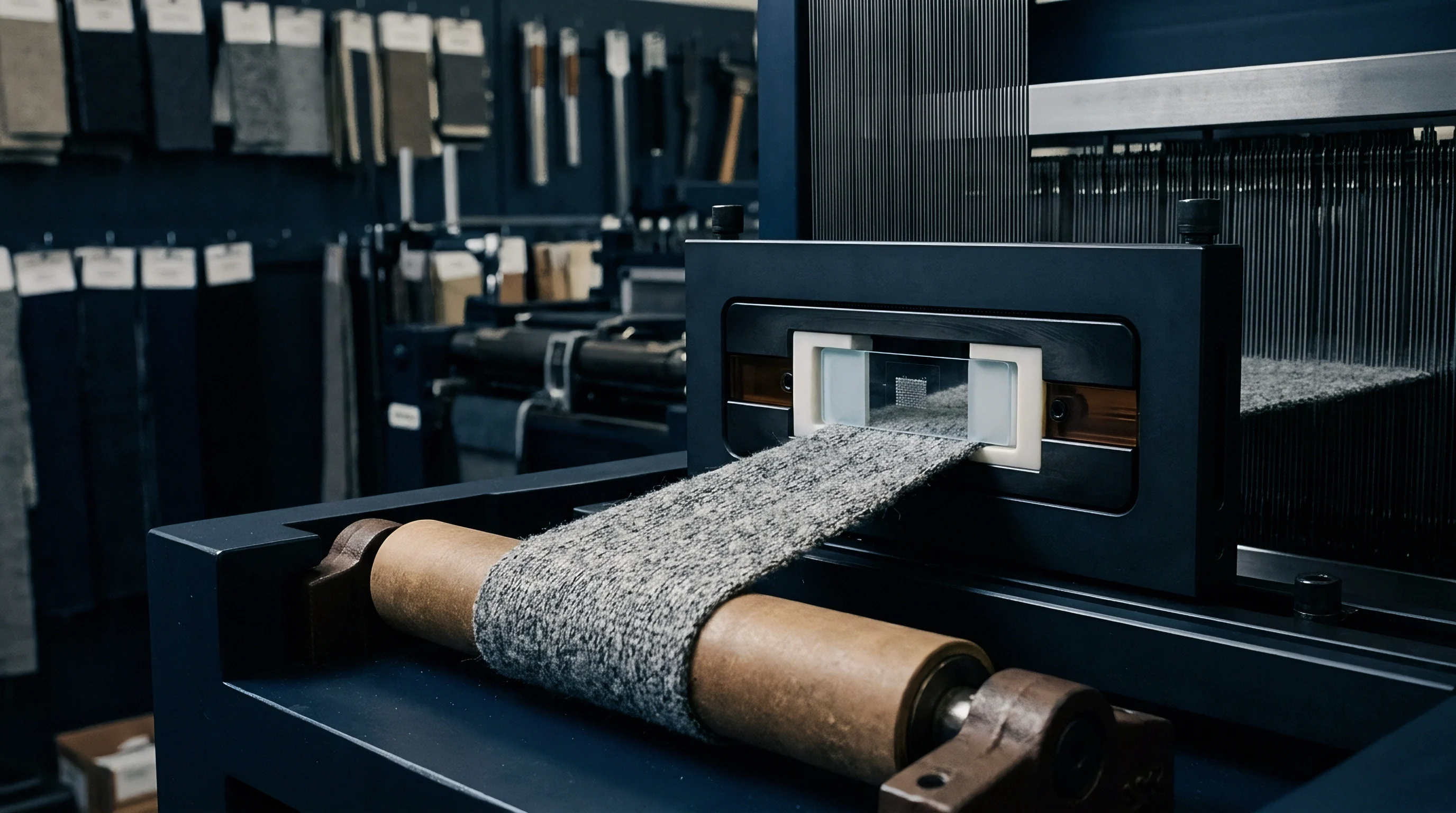
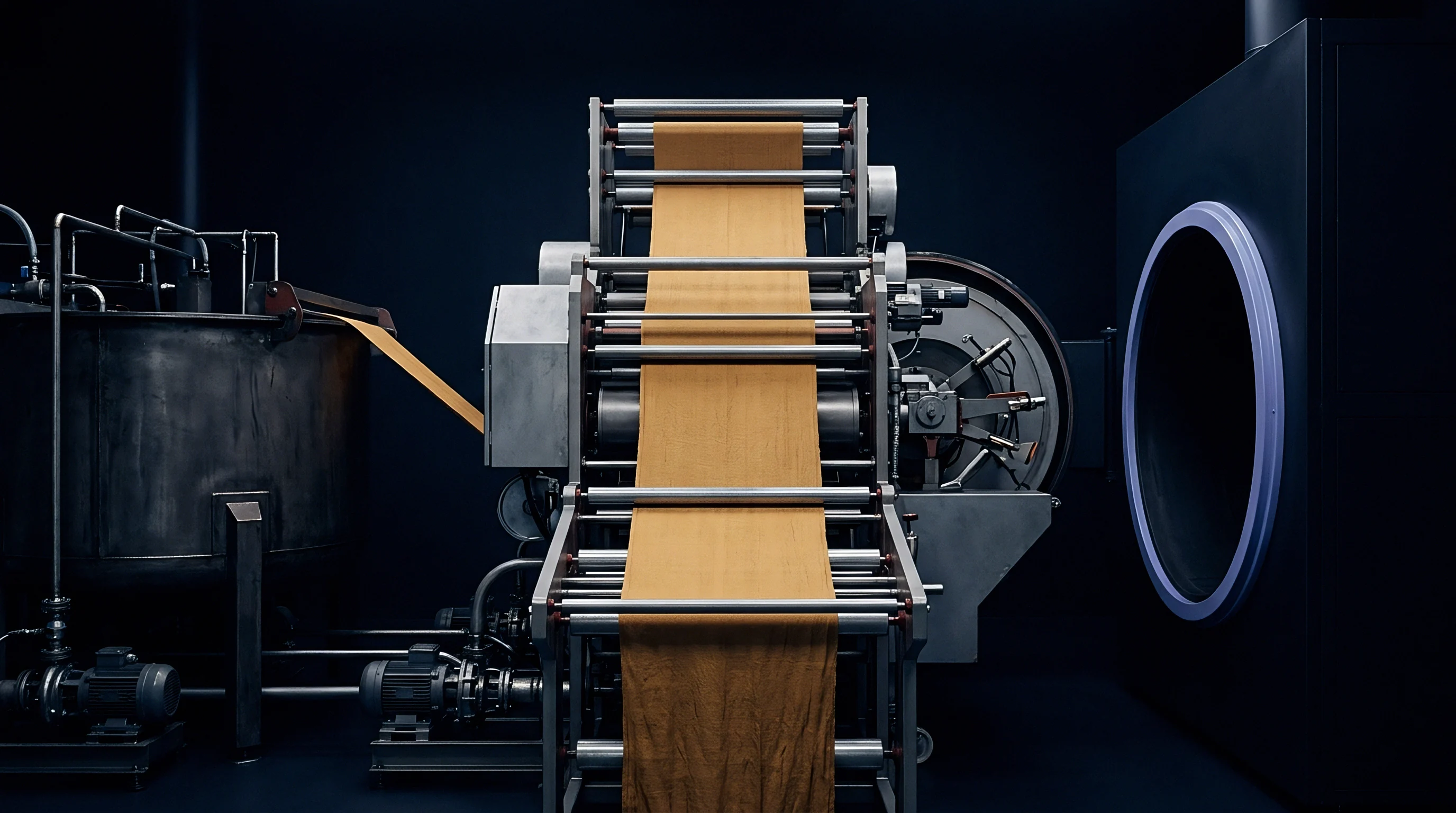
Integrated port drying chambers utilize continuous specimen transport through controlled heating zones. Air velocity, temperature, and ambient relative humidity within the tunnel undergo continuous electronic monitoring to stabilize desiccation rates across sequential batches. The table below illustrates standard operational parameters across three primary rapid drying techniques utilized in marine terminal testing facilities.
| Drying Technology | Operating Temperature Range | Core Cycle Duration | Throughput Capacity | Primary Mass Transfer Mechanism |
|---|---|---|---|---|
| High-Velocity Hot Air Tunnel | 105 to 125 degrees Celsius | 12 to 18 minutes | 40 samples per hour | Convective surface heat transfer |
| Microwave Cavity System | 85 to 110 degrees Celsius | 4 to 6 minutes | 80 samples per hour | Direct dielectric dipole rotation |
| Radio Frequency Chamber | 90 to 105 degrees Celsius | 6 to 10 minutes | 60 samples per hour | Volumetric volumetric molecular excitation |
Rapid automated systems are engineered to yield mass readings comparable to conventional vented ovens while clearing terminal bottlenecks.
Hysteresis
Sorption Isotherms and Molecular Water Binding
Natural cellulose and protein fibres show clear moisture hysteresis depending on whether they are gaining or losing water. Raw cotton, scoured wool, and regenerated viscose absorb atmospheric moisture along an asymmetrical path. At 65 percent relative humidity and 20 degrees Celsius, standard commercial regain values are 8.5 percent for cotton, 18.25 percent for wool, and 13.0 percent for viscose.
High-speed port dryers drive off moisture purely by forced desorption. If heat shuts off before molecular desorption finishes inside the sample, bound water stays locked in amorphous polymer regions.
Commercial wool contracts subject to IWTO specifications adjust invoice weights directly from clean dry mass calculated after removing non-wool content and residual moisture.
Cellulose polymers in cotton and viscose carry active hydroxyl groups that bind water tightly through hydrogen bonds. This monolayer water attaches directly to polymer sites with high binding energy, while multilayer water condensed in cell capillaries behaves more like bulk liquid. Automated rapid dryers vaporize capillary water without trouble, but driving off monolayer moisture requires steady thermal energy to sever secondary bonds.
When rapid units shorten cycles to keep port loading on schedule, leftover monolayer water stays trapped in the core, causing the system to overestimate clean dry weight.
Thermal Degradation Hazards during Rapid Desiccation
Trying to make up for short dwell times by ramping up power density risks damaging the fibres chemically. Excessive microwave or radio-frequency power creates thermal hotspots where temperatures exceed 130 degrees Celsius. Cotton waxes start decomposing above 120 degrees Celsius, and dry scoured wool yellows and breaks down structurally if held above 105 degrees Celsius for long.
That lost weight from scorching non-water components shows up on analytical balances as evaporated moisture, permanently distorting settlement figures.
Desorption energy stays steep until core moisture drops below three percent. Past that mark, energy transfer efficiency falls off fast while scorching risks rise. In practice, a sharp line divides quick free-water extraction from high-risk molecular drying.
Clamp

Core Extraction Mechanics and Density Variations
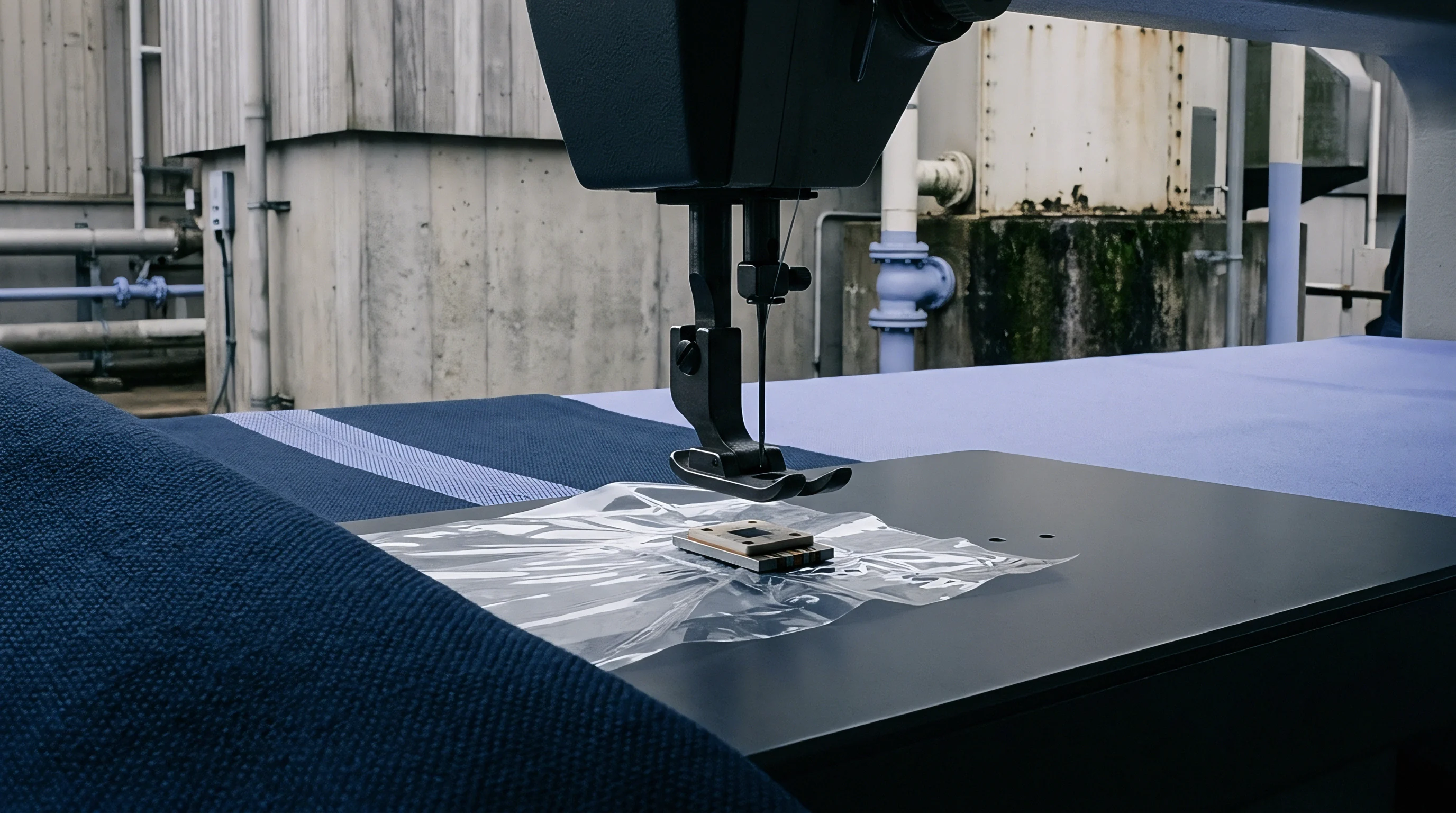
Sample preparation at marine terminals relies on pneumatic core drills driven directly into compressed export bales. Steel tubes cut through high-density bales to pull cylindrical fibre samples 15 to 25 millimeters across. Because baling presses compact fibres unevenly, density varies between the outer shell and the center.
The outer layers pick up moisture during transport and port storage, while the inner core holds the moisture level from the gin or scouring plant.
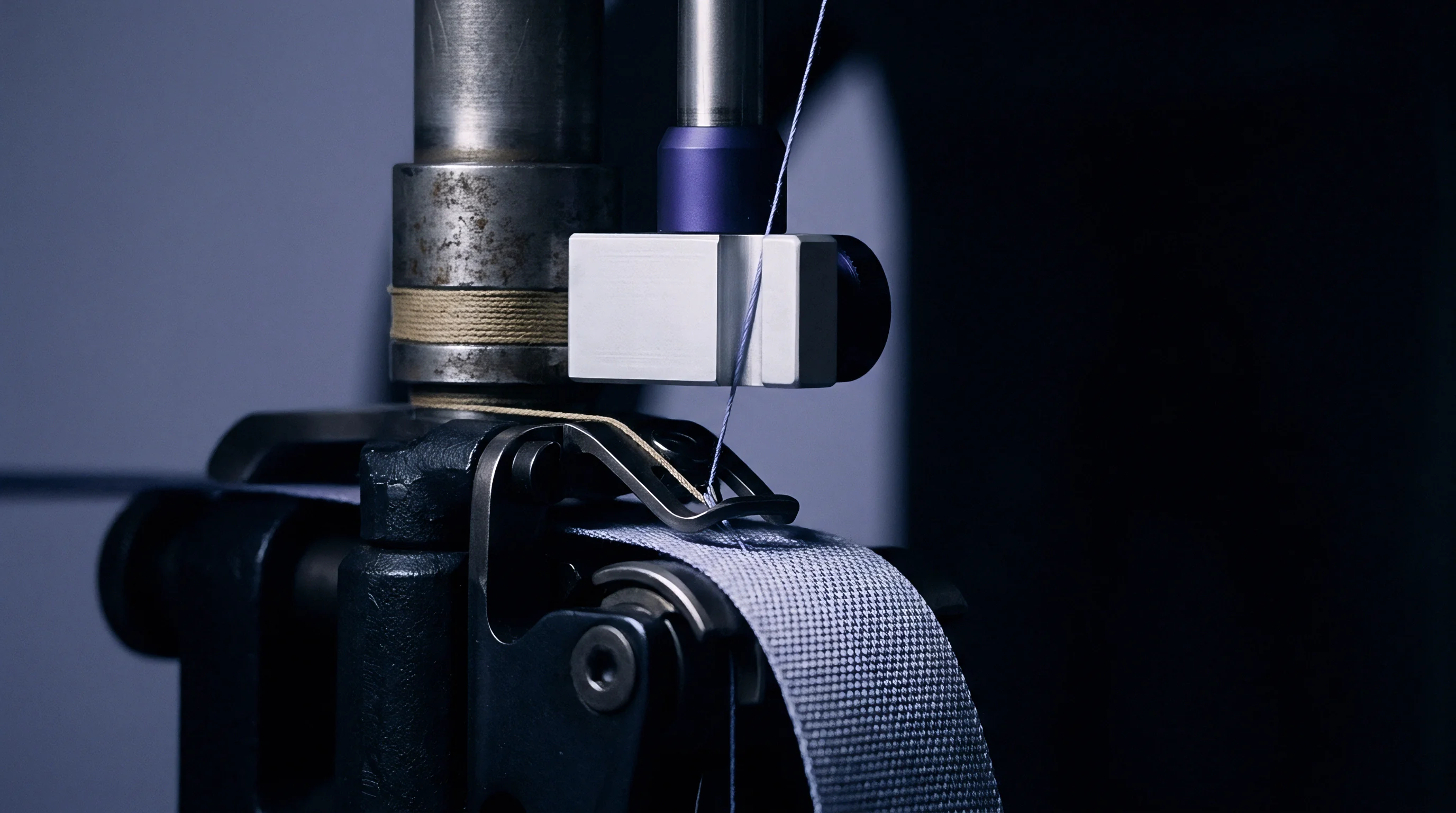
Automated handling systems secure the extracted cores in perforated stainless steel clamps during drying. Proper clamping pressure preserves sample shape and keeps loose fibres from blowing into exhaust ducts. However, squeezing the core too hard turns the fibre into a dense bundle, cutting air permeability and leaving insulated pockets that resist drying.
If clamped too loosely, fast hot air tears away loose fibre fragments, sweeping them into exhaust traps and falsely inflating weight loss.

Automated Core Handling Workflow
Maintaining terminal speed requires an unbroken chain of containment from the moment a sample leaves the bale until it sits on the electronic balance. The handling sequence follows a tight order to limit exposure to ambient air.
- Pneumatic coring tubes penetrate five randomly selected points across the export bale matrix at minimum operating pressures of 6 bar.
- Extracted fiber cores transfer automatically into sealed stainless steel transport sleeves within three seconds of drill retraction.
- Core samples drop directly into designated perforated holding baskets without manual operator handling or open-air exposure.
- Sensors log gross wet sample mass inside sealed analytical balance enclosures to a precision of 0.001 grams.
- Holding baskets clamp securely into automated rapid drying zones for continuous dielectric or forced-air processing.
- Chambers cool samples under dry nitrogen streams or sealed desiccation conditions prior to automated final dry mass weighing.
Sampling errors travel straight through into final financial calculations. If a high-speed drill bit glazes the outer rim of a core sample through friction heat, it seals the perimeter with an impermeable skin that prevents thorough drying in rapid thermal processing.
Variance
Comparative Analysis of Reference Oven Methods and Automated Techniques
Disputes crop up when destination labs using standard ventilated ovens record moisture regain figures that differ from rapid-drying certificates issued at loading ports. ISO 6741-1 remains the primary reference standard in international textile trading, prescribing drying at 105 degrees Celsius until mass stays constant. Rapid automated equipment sacrifices strict adherence to that benchmark for speed.
Differences between the two approaches follow clear patterns driven by fibre type, oil content, and density.
| Fibre Composition | Nominal Regain Specification | Rapid Method Regain Mean | ISO 6741 Reference Regain Mean | Mean Method Spread |
|---|---|---|---|---|
| 100% Upland Raw Cotton | 8.50% | 8.12% | 8.48% | -0.36% |
| 100% Scoured Merino Wool | 18.25% | 17.70% | 18.18% | -0.48% |
| 100% Regenerated Viscose Tow | 13.00% | 12.45% | 12.92% | -0.47% |
| 65/35 Polyester/Cotton Blend | 5.20% | 5.02% | 5.18% | -0.16% |
| 100% Polyester Staple Fibre | 0.40% | 0.38% | 0.39% | -0.01% |
Comparative terminal tests show that rapid automated units systematically under-report moisture regain relative to reference ovens. Short heat cycles leave bound water trapped inside high-regain natural fibres. The size of this gap scales directly with the moisture capacity of the polymer matrix, showing up most severely in scoured wool and regenerated cellulose.

Can Radio Frequency Drying Replace Standard Oven Methods?
Radio-frequency dielectric drying uses alternating electromagnetic fields ~ typically at 27.12 megahertz ~ to heat water molecules directly throughout the core. Polar water molecules constantly shift alignment with the reversing field, converting electromagnetic energy directly into heat within the sample. Unlike forced hot air, radio-frequency heating doesn’t have to conduct heat slowly through insulating fibre layers.
Temperature climbs uniformly across the whole cross-section, vaporizing moisture fast without burning surface fibres.
Calibration stays sensitive to minerals and ionic impurities in the fibre. Raw cotton with traces of soil or salts alters the dielectric loss factor, accelerating heating unpredictably and causing local thermal runaway before moisture can escape. Standard calibration curves built for clean fibre fall apart when applied to lower-grade lots carrying variable trash.
Standard commercial contracts define mass settlement allowances based on official regain percentages added to calculated clean oven-dry mass.
Technical questions remain about whether dielectric methods match standard ovens across every grade of fibre. Whether port laboratories can control calibration drift across mixed raw lots stays an open operational challenge.

Margin

Arbitration Tolerances and Statistical Confidence Intervals
Contracts for bulk textile shipments establish clear tolerance bands where test differences generate no financial adjustments. International Cotton Association rules set a firm 0.50 percent tolerance limit for moisture regain disputes. For raw wool, IWTO rules establish error thresholds based on repeat core samples, allowing arbitration claims only when regain values differ by more than 0.40 percent from the loading certificate.
Resolving discrepancies means distinguishing between normal method variance and real physical mass differences. Random measurement errors form a standard normal curve around true regain. But systemic differences between rapid dryers and reference ovens shift that entire curve.
When a rapid port dryer runs with a negative bias of 0.35 percent, ordinary sampling variation will push many test results past the 0.50 percent arbitration line, triggering costly re-testing.
Worked Example of Port Mass Settlement Sensitivity
Take a shipment of 2,000 tonnes gross certified weight of scoured raw wool. Settlement terms call for clean dry mass plus the IWTO standard regain of 18.25 percent, priced at 8.50 USD per kilogram of clean commercial mass.
If the rapid dielectric dryer at the loading port reports an average clean dry content of 83.10 percent, that translates to a calculated regain of 16.90 percent. The seller calculates clean dry mass at 1,662,000 kilograms. Adding the contractual 18.25 percent regain produces a commercial invoice weight of 1,965,315 kilograms, giving a total value of 16,705,177.50 USD.
At the destination port, an independent lab pulls fresh core samples and runs reference oven testing per ISO 6741-1. The reference oven shows actual clean dry content of 82.35 percent, meaning true moisture regain is 17.65 percent. The buyer recalculates clean dry mass at 1,647,000 kilograms.
Adding the contractual 18.25 percent commercial regain results in a adjusted commercial mass of 1,947,577.50 USD kilograms, yielding an adjusted lot value of 16,554,408.75 USD.
The gap between loading port numbers and destination reference tests comes out to 17,737.50 kilograms of commercial mass ~ an overpayment of 150,768.75 USD. Because the 0.75 percent regain discrepancy exceeds the 0.40 percent arbitration limit, the buyer files a formal claim for adjustment.

Arbitration Threshold Categories
Settlement contracts classify measurement differences into distinct operational tiers, each triggering specific commercial steps depending on the variance.
- Within-Tolerance Band (0.00% to 0.30% Regain Spread) No financial adjustment permitted; original port certificate governs commercial invoice finality.
- Minor Divergence Zone (0.31% to 0.50% Regain Spread) Commercial invoice adjusted automatically by applying the arithmetic mean of loading and destination readings.
- Arbitration Limit Breach (0.51% to 1.00% Regain Spread) Triggers formal re-testing by an agreed referee laboratory using ISO reference oven drying methods on retained duplicate core samples.
- Contractual Default Threshold (Greater than 1.00% Regain Spread) Grants the buyer right of rejection or mandatory price renegotiation based entirely on destination reference mass findings.
Under standard contracts, if referee lab testing confirms a bias in the port’s rapid test exceeding 0.50 percent, the seller covers all re-testing and laboratory fees.
Remittance

Financial Execution and Invoice Mass Adjustments
Final payment clearance on bulk fibre cargoes depends on converting verified laboratory test figures into net commercial invoice weight. Standard contracts require submitting clean dry certificates together with bills of lading. The settlement calculation converts gross scale weight into dry mass, then factors in foreign matter, residual grease, and standard commercial regain.
Settlement invoices apply a standard mass adjustment formula:
Commercial Settlement Mass = Gross Mass x ((100 – Non-Fibre Content Percentage) / 100) x ((100 + Commercial Regain Standard) / (100 + Measured Moisture Regain))
In this formula, Non-Fibre Content Percentage accounts for sand, plant matter, grease, and spin finishes removed during lab analysis. Measured Moisture Regain is the percentage reported by either the port rapid dryer or destination oven. When rapid dryers artificially depress measured regain, the denominator shrinks, driving up final billed mass.
To offset this equipment bias, buyers ordering large volumes routinely insist on adding correction factors to payment terms.
International trade contracts governing raw fiber mass settlements mandate that referee arbitration decisions rely exclusively on reference ventilated oven drying methods defined in ISO standards.
Adding strict calibration requirements to purchase contracts helps protect against financial losses caused by aggressive drying. Buyers often require port rapid dryers to undergo daily dual-point calibrations against reference electric ovens using control samples of known moisture. If logs show uncorrected drift exceeding 0.20 percent regain over three consecutive shifts, port authorities must suspend certified testing and switch back to reference oven methods until recalibration is complete.
Settlement disputes drop off markedly when buyers and sellers agree on core sampling, clamping, and drying parameters before loading begins. Aligning test protocols balances port speed with billing accuracy, keeping financial risks predictable across global fibre supply chains.