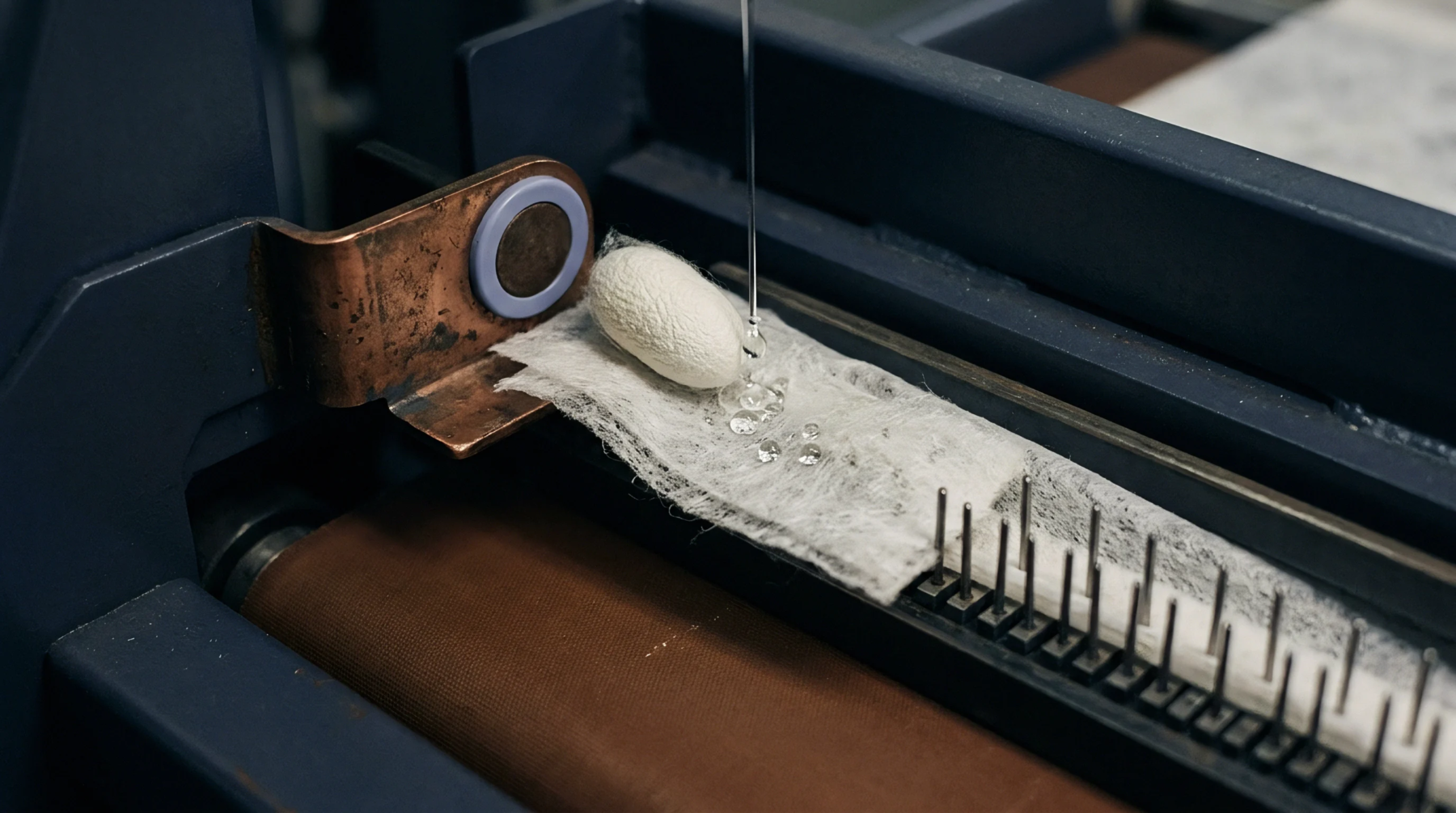
Fibre Determination
Moisture correction in textile raw materials requires a precise quantification of the non-aqueous component of a shipment to ensure payment accuracy and consistent yield calculations for spinning mills. Within this industrial framework, clean dry mass represents the calculated weight of a fibre bale or batch after the complete removal of all moisture and non-fibrous contaminants. Technicians determine this value by extracting small specimens from multiple points in a delivery, weighing them in a laboratory balance, and then placing the samples into a forced-air oven until a constant weight remains.
This process separates the physical water content from the actual material weight. The resulting figure permits buyers to calculate the correct price based on the material content alone rather than the water weight present at the time of delivery. A standard regain factor is applied to the final result to simulate the commercial moisture content expected in standard atmospheric conditions.
Oven Performance
Drying procedures for this metric follow strict technical protocols to avoid damaging the physical structure of the natural fibres. A high-precision thermal chamber cycles air at specific temperatures to force evaporation without inducing thermal degradation or losing constituent weight through volatile chemical loss. Each sample stays inside the unit until two consecutive measurements yield identical readings, showing that moisture migration has ceased.
Variations in local humidity levels influence the initial raw weight of a shipment, yet the calculated clean dry mass remains constant regardless of weather or storage conditions. This stability provides a common language for international trade across different climates and logistics routes.
Process Verification
Laboratory personnel supervise the extraction of test cores from bales to ensure the integrity of the data remains secure from external bias. Each extraction point targets a specific depth within the container to capture representative material that accounts for uneven moisture distribution during sea transit. Any deviation in the recorded density of these specimens triggers a retest of the entire lot before the warehouse accepts the stock for processing.
Accurate documentation of this weight allows spinning mills to predict yarn output with high confidence. Consistency in the measured load creates a bridge between the physical harvest and the finished product requirement.
Mill Acceptance
Commercial contracts specify this weight as the primary unit for settling accounts between suppliers and downstream manufacturing facilities. Large mills track the incoming weight to manage inventory accounting and production efficiency, as the absence of moisture data leads to overpayment for water weight. Managers monitor the difference between the gross weight recorded at the scale and the calculated material mass to identify excessive moisture content in incoming deliveries.
Production lines adjust machine settings based on these findings to maintain tension and twist requirements during the spinning stage. Final audits verify that the weight of the output material aligns with the expected yield established by the initial assessment of clean dry mass.