Commercial Mass Determination and Tariff Classification for Binary Blends
Commercial mass determination reconciles clean oven-dry mass with standard moisture regain figures to establish binding landed weights and tariff lines.


Skein
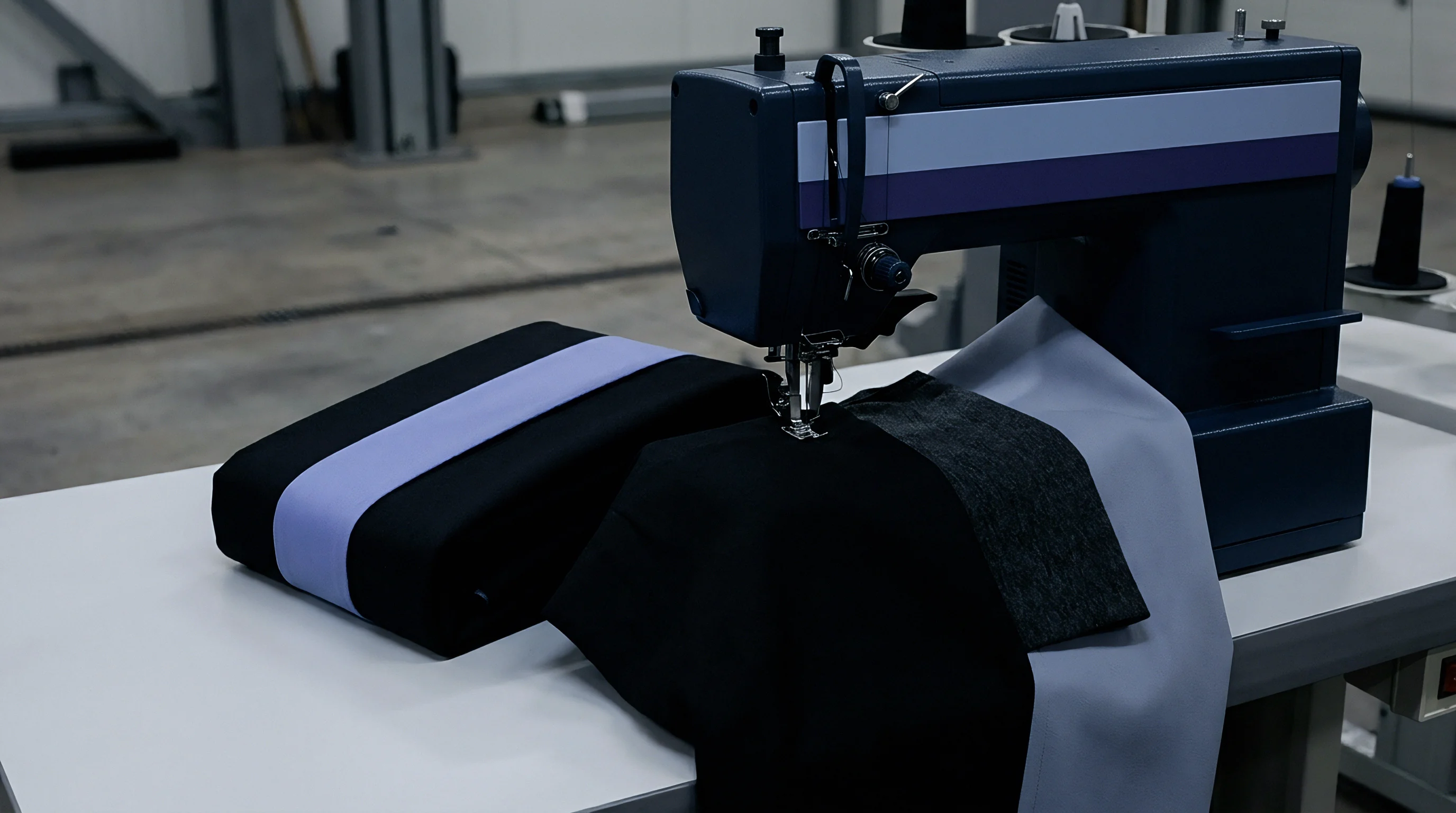
Sampling Mechanics for Bulk Commercial Lots
Bale opening across raw yarn inventory requires immediate environmental stabilization before weighing. When a bulk consignment arrives at a spinning mill or container terminal, the gross mass measured on arrival reflects ambient humidity absorbed during transit. Determining commercial mass demands drawing representative samples from unopened packages across the entire shipment.
Standard sampling protocols set out in ISO 6741-1 and ASTM D2494 mandate selecting containers at random using a square-root matrix where the number of sampled packages equals the square root of the total package count. For a shipment of 400 yarn cartons, twenty cartons are selected, opened, and stripped of outer protective wrap to draw laboratory specimens.
The gross weight of the sample package is recorded immediately upon extraction. Laboratory technicians strip the outer layers of yarn from each package to prevent surface contamination from altering final mass values. Test hanks are reeled under controlled yarn tension to form precise laboratory units.
The oven drying completes. Internal package moisture lags behind surface moisture, making rapid extraction essential. Laboratory workers transfer test specimens into airtight tare containers before atmospheric moisture alters the gross specimen mass.

Laboratory Conditioning and Ambient Vapor Control
Standard atmospheric conditions demand a controlled chamber set to 20°C and 65% relative humidity. Materials remain in this climate until mass equilibrium is reached, defined as successive weighings at two-hour intervals showing less than 0.1 percent mass variation. Direct calculation of binary blend composition from conditioned mass introduces systematic errors because individual fibre components absorb moisture at vastly different rates.
Natural cellulose fibres absorb far more ambient water vapor than synthetic filaments under identical relative humidity levels. A 50/50 polyester and cotton yarn conditioned at standard atmosphere exhibits a physical moisture content of roughly 4.2 percent, whereas the cotton component holds over 7.5 percent moisture while the polyester holds less than 0.4 percent.
Dry weight governs the base. Oven drying specimens at 105°C ± 2°C in a ventilated drying oven removes all uncombined moisture. Air flow inside the oven maintains positive pressure to prevent localized ambient air ingress.
Weighing occurs inside the oven chamber or immediately after transfer to a desiccator containing active silica gel. The drying process continues until consecutive weighings spaced fifteen minutes apart show no further mass loss. This final value represents the clean oven-dry mass of the binary sample, forming the empirical foundation for all subsequent commercial mass calculations and blend percentage derivations.


Dissolution
Quantitative Separation under International Standards
Chemical reagent isolation relies on selective solubility where one component dissolves completely while the second remains intact. Quantitative chemical analysis of binary fibre mixtures follows the ISO 1833 series. In a binary mixture containing polyester and cotton, selective dissolution of the cotton component uses 75 percent concentrated sulfuric acid under ISO 1833-11 protocols.
The specimen undergoes solvent extraction first to remove non-fibrous materials, including spinning oils, wax, and warp sizing agents, using petroleum ether in a Soxhlet apparatus. Standard chemical extraction runs for sixteen extraction cycles before the specimen is dried and weighed to establish clean oven-dry starting mass.
The clean specimen enters a conical flask containing the specified chemical reagent. Temperature control remains strict throughout the contact period. Acid concentration variations exceeding 0.5 percent alter the dissolution kinetics, leading to partial degradation of the insoluble synthetic residue.
The chemical dissolution ends. The mixture passes through a weighed glass filter crucible under vacuum suction. The insoluble residue remaining on the glass frit undergoes washing with cold water, dilute ammonia solution, and distilled water until the filtrate tests neutral.
The laboratory confirms the fraction. Oven drying the crucible at 105°C returns the dry mass of the insoluble component.
| Fibre Combination | Selective Solvent | Operating Temp | Soluble Component | Insoluble Residue | Correction Factor (d) |
|---|---|---|---|---|---|
| Polyester / Cotton | 75% Sulfuric Acid | 50°C | Cotton | Polyester | 1.01 |
| Polyamide 6,6 / Wool | 80% Formic Acid | 20°C | Polyamide 6,6 | Wool | 1.02 |
| Acrylic / Cotton | Dimethylformamide | 90°C | Acrylic | Cotton | 1.00 |
| Viscose / Cotton | Zinc Chloride / Formic Acid | 40°C | Viscose | Cotton | 1.03 |
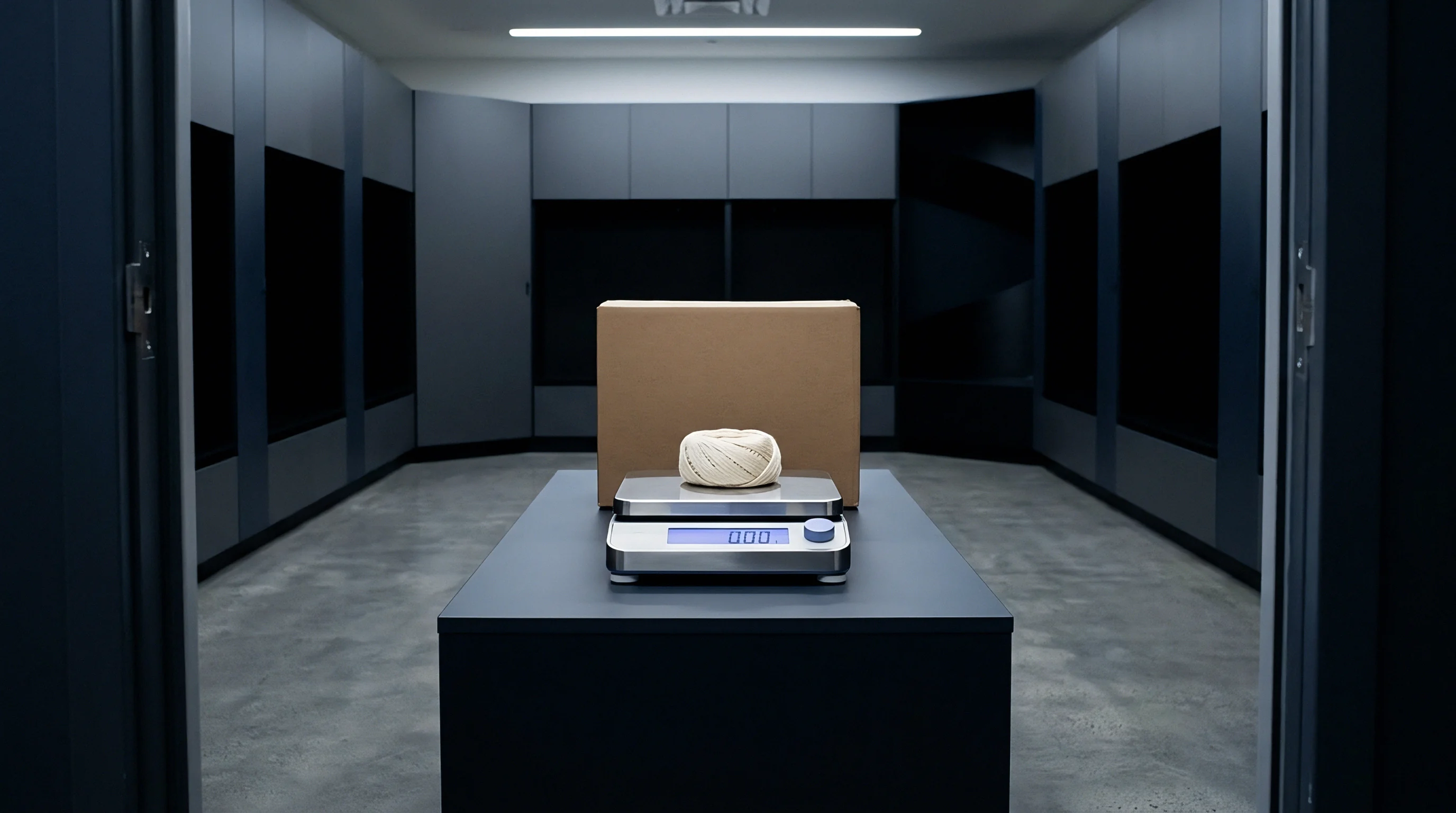
Correction Factor Application for Insoluble Residues
Insoluble fibre mass lost during chemical extraction requires numerical compensation through published multiplier factors. Reagents designed to dissolve cellulose or polyamide attack the surface chains of the insoluble polyester or wool component, stripping minor mass during the contact period. International standards define a correction factor, designated as the d-value, representing the clean dry mass of the insoluble fibre before chemical treatment divided by its dry mass after treatment.
For polyester exposed to 75 percent sulfuric acid under ISO 1833-11, the standard d-value is 1.01. Multiplying the recovered polyester dry mass by 1.01 restores the mass lost during acid exposure.
- Specimen Extraction removes oil, wax, and sizing agents using solvent reflux inside a Soxhlet apparatus before initial weighing.
- Oven Drying drives off residual solvent at 105°C until constant specimen weight is confirmed on an analytical balance.
- Chemical Immersion exposes the specimen to selective reagent under controlled temperature and stirring duration.
- Vacuum Filtration separates the dissolved fibre solution from the insoluble residue using a tared sintered glass crucible.
- Residue Rinsing neutralizes residual acid or solvent traces with successive washings of distilled water and dilute neutralization agents.
- Mass Calculation applies the component d-factor to dry residue mass to calculate true clean dry component percentages.
Consider a laboratory trial evaluating a 10.000 g clean oven-dry specimen of an unknown polyester and cotton binary yarn. Chemical dissolution using sulfuric acid leaves an oven-dry insoluble polyester residue weighing 6.435 g. Applying the d-value correction factor of 1.01 yields a corrected polyester dry mass of 6.499 g.
Subtracting this corrected polyester mass from the initial 10.000 g sample leaves a clean dry cotton mass of 3.501 g. Based strictly on clean dry mass, the specimen contains 64.99 percent polyester and 35.01 percent cotton. Overseas spinning mills frequently quote composition percentages using clean dry mass figures to show a higher synthetic content, ignoring standard moisture regain additions.


Moisture
Mathematical Derivation of Calculated Commercial Regain
Establishing invoice mass from clean dry weights relies on applying standard percentage allowances to each component. Commercial mass represents the clean oven-dry mass of a lot plus the official moisture regain values prescribed by international standards, along with recognized commercial allowances for processing additions. Standard moisture regain figures represent consensus trade values rather than real-time ambient absorption readings.
ISO 6741-1 and ASTM D1909 fix the standard moisture regain of combed cotton at 8.50 percent, non-synthetic viscose at 13.00 percent, wool top at 18.25 percent, polyamide at 5.75 percent, and polyester staple at 1.50 percent.
Commercial agreements governing binary fibre lots state that calculated commercial mass replaces gross scale weight for all financial settlements.
Calculating commercial mass for a binary blend demands determining the weighted average commercial regain of the fibre mixture. The formula sums the products of each clean dry percentage and its official standard regain value. When a lot contains 65.00 percent clean dry polyester and 35.00 percent clean dry cotton, the calculated commercial regain of the blend is calculated as follows: (65.00 multiplied by 1.50 percent) plus (35.00 multiplied by 8.50 percent), divided by 100.
This calculation yields a combined commercial regain of 3.95 percent for the binary yarn structure.
| Fibre Classification | ISO Regain (%) | ASTM Regain (%) | Scour Allowance (%) | Combined Commercial Regain (%) |
|---|---|---|---|---|
| Polyester Staple | 1.50 | 1.50 | 0.00 | 1.50 |
| Combed Cotton | 8.50 | 8.50 | 0.40 | 8.90 |
| Wool Top (Scoured) | 18.25 | 13.60 | 1.00 | 19.25 |
| Viscose Rayon Staple | 13.00 | 11.00 | 0.50 | 13.50 |
| Polyamide 6,6 Staple | 5.75 | 4.50 | 0.00 | 5.75 |

Reconciliation of Commercial Allowances across Binary Systems
Processing additions such as spinning oils and residual sizing agents alter the calculated commercial weight. Commercial allowance figures account for non-fibrous substances essential to yarn manufacturing that remain in finished goods. ISO 6741 defines specific commercial allowances added directly to the clean dry mass alongside regain values.
When calculating invoice weights for combed cotton yarn, standard rules add a 0.40 percent allowance for natural waxes alongside the 8.50 percent moisture regain, creating a total commercial adjustment factor of 8.90 percent.
Commercial mass determination converts physical scale mass measured under ambient conditions into binding invoice weight. A buyer receives a shipment of binary yarn weighing 20,000 kg gross scale weight at the destination warehouse. Laboratory testing of drawn samples reveals a moisture content of 6.20 percent and non-fibrous extraction content of 1.10 percent, yielding a clean dry lot mass of 18,540 kg.
Applying the calculated combined commercial regain of 3.95 percent plus a 0.20 percent blend allowance produces a total commercial mass of 19,309 kg. Paying against ambient scale mass overpays the shipper for 691 kg of excess water absorbed during ocean shipping.
- Ambient Moisture Fluctuations shift physical container weights during marine transit without changing the absolute volume of dry fibre delivered.
- Discrepancies in Standard Regain Values between ISO and ASTM regulations alter calculated invoice mass by up to 1.2 percent on wool blends.
- Solvent Extraction Residues leave unmeasured spinning lubricant traces that distort oven-dry baseline measurements if uncorrected.
- Errors in Laboratory Desiccator Handling allow dry specimens to reabsorb ambient humidity prior to analytical balance registration.
Standard sales contracts incorporate ISO 6741-1 terms to make calculated commercial mass the sole legal basis for invoice price settlement.


Heading

Harmonized System Section XI Note 2 Application Rules
Customs authorities classify binary textile mixtures according to the single fibre component that predominates by weight. Section XI Note 2 to the Harmonized System governs tariff classification for mixed textile products under HS Chapters 50 through 55. When a binary yarn or fabric contains two distinct textile materials, tariff assignment follows the component representing more than 50 percent of total mass.
This determination relies strictly on commercial mass percentages rather than raw oven-dry weight ratios, making regain calculations pivotal to customs classification decisions.
A binary fabric constructed from polyester staple and combed cotton illustrates the sensitivity of customs classification thresholds. If laboratory test results report clean dry weights of 49.20 percent polyester and 50.80 percent cotton, dry mass analysis indicates classification under HS Heading 5209 as a cotton fabric. Calculating commercial mass by applying 1.50 percent regain to polyester and 8.50 percent regain to cotton expands the cotton percentage to 52.48 percent, solidifying its position under Chapter 52.
Custom officers retest the lot. Shift the clean dry weight ratio to 50.60 percent polyester and 49.40 percent cotton, and commercial mass regain shifts the final composition to 48.81 percent cotton and 51.19 percent polyester, moving the tariff line into Chapter 55 with significant duty adjustments.
Testing conducted under ISO 1833 protocols at 20°C and 65% relative humidity establishes legal weight percentages for customs duty calculations.
Why Does Chief Weight Direct Harmonized System Heading Selection?
Tariff schedules assign duty rates based on structural dominance within raw or finished material. Chief weight determination under General Rule of Interpretation 3(b) and Section XI Note 2 prevents importers from reclassifying goods under low-duty headings by adding minor material fractions. When two fibre components split mass near equality, minor variations in test methodology or moisture calculations reclassify shipments across multi-digit tariff chapters.
Synthetic staple fabrics entering major import markets often carry higher protective duty rates than natural cotton fabrics of identical weave structure.
| Fibre Pair | Dry Mass Ratio (%) | Regain Applied (%) | Commercial Mass Ratio (%) | Harmonized System Heading | Duty Rate Shift |
|---|---|---|---|---|---|
| Polyester / Cotton | 50.20 / 49.80 | 1.50 / 8.50 | 48.49 / 51.51 | 5209 (Cotton Dominant) | -4.2% Tariff Reduction |
| Wool / Polyester | 51.00 / 49.00 | 18.25 / 1.50 | 54.68 / 45.32 | 5112 (Wool Dominant) | +6.5% Tariff Increase |
| Viscose / Polyester | 49.50 / 50.50 | 13.00 / 1.50 | 52.12 / 47.88 | 5516 (Artificial Staple) | -2.1% Tariff Reduction |
| Polyamide / Cotton | 50.50 / 49.50 | 5.75 / 8.50 | 49.85 / 50.15 | 5211 (Cotton Dominant) | -3.8% Tariff Reduction |
Customs verification procedures mandate assessing quantitative blend reports derived from commercial mass calculations rather than dry mass balance sheets. Importers declaring binary blend goods under a cotton-predominant heading based on unadjusted chemical dissolution figures face immediate misdeclaration penalties when customs laboratories re-calculate ratios using ISO 6741 moisture regains. The buyer accepts the lot.
The tolerance margin holds. Misdeclaration penalties include customs seizure, retroactive duty assessments spanning three billing years, and mandatory formal administrative reviews on subsequent container imports.
- Verification of Reagent Purity prevents incomplete dissolution of soluble fibres during official customs referee testing procedures.
- Documentation of Extraction Protocols proves non-fibrous matter was fully stripped prior to commercial regain percentage application.
- Audit Traceability of Oven Calibration Records defends laboratory analytical mass figures against customs re-testing challenges.
Failing to account for differential moisture regain when declaring binary blend ratios alters chief weight classifications, causing customs re-assessments and penalty fines at port entry points.

Margin
Commercial Specification Tolerances and Retest Thresholds
Purchase agreements include defined variances to accommodate standard laboratory measurement deviations. Commercial specifications for binary yarn and fabric orders define target blend percentages alongside absolute tolerance limits. EU Regulation 1007/2011 and Federal Trade Commission textile rules permit a 3.0 percent absolute manufacturing tolerance between declared composition and laboratory test figures for binary mixtures.
A fabric labelled as 60 percent cotton and 40 percent polyester satisfies legal marking requirements if analytical testing shows cotton content between 57.0 percent and 63.0 percent, provided no intentional blend manipulation occurred.
Commercial contracts decouple regulatory labelling tolerances from financial price adjustments. While a 2.5 percent blend variation remains legally compliant for retail distribution, commercial contracts penalize blend drift exceeding 1.0 percent from specified terms. Synthetic fibres often carry lower per-kilogram costs than natural or regenerated cellulose fibres.
Spinning mills that systematically under-blend cotton content by 2.0 percent stay within legal labelling margins while capturing substantial raw material savings across high-volume production runs.
Contracts specifying referee laboratory retesting protocols eliminate supplier attempts to defend blend drift using uncalibrated internal test reports.
Financial Settlement Mechanics for Weight Discrepancies
Invoice adjustments recalculate billed amounts whenever third-party testing yields mass deviations exceeding contractual allowances. When arrival sample testing reveals commercial mass below invoice mass, the buyer issues a debit note for the missing mass weight differential. The invoice requires adjustment.
The mass balance resolves. The formula scales the contract price per kilogram against the ratio of verified commercial mass to invoiced mass. If a 30,000 kg shipment priced at 4.50 USD per kilogram shows a 1.8 percent commercial mass deficit due to inflated moisture regain figures, the debit note recovers 2,430 USD directly from the final payment clearance.
Dispute resolution clauses stipulate that when buyer and seller test reports differ by more than 1.0 percent absolute blend ratio, an independent accredited laboratory performs referee testing using ISO 1833 and ISO 6741 standards. The referee lab results serve as final binding evidence for both commercial mass weight and tariff classification entries. The referee fees fall entirely upon the party whose initial test figure deviates furthest from the referee determination.
Unresolved variation persists in how customs authorities handle commercial mass adjustments for recycled binary fibres, where unknown chemical finishes distort standard dissolution rates and regain figures.