Purity Assessment
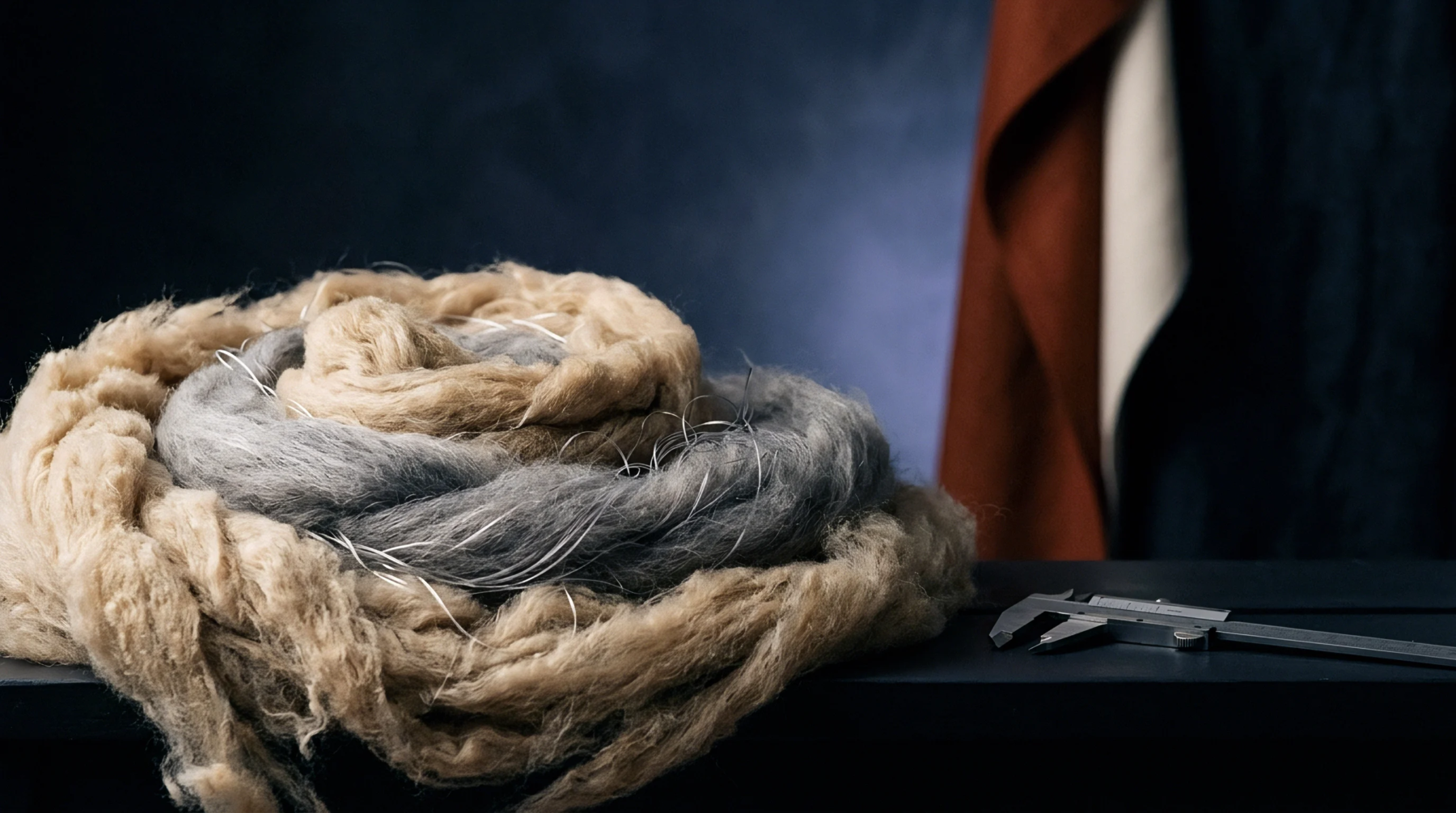
Quality assurance procedures for processed animal fibres measure the proportion of residual coarse guard hair remaining after mechanical dehairing operations. Laboratory dehaired hair testing measures coarse hair count and mean fibre diameter in processed cashmere, camel hair or yak fibre lots. Textile processors perform these evaluations to verify that mechanical separation equipment has successfully removed thick outer coat fibers down to contract specifications.
Microscopic Protocol
Evaluation involves optical microscopic analysis or automated image processing to distinguish fine undercoat down from coarse guard hairs based on scale patterns and diameter thresholds. Execution of dehaired hair testing requires counting thousands of individual fibre cross-sections or projection images to establish exact percentage composition by weight. Standard test methods specify separating fibers longer than minimum cutoffs and isolating residual skin fragments and coarse fibres above thirty microns.
Market Compliance
Commercial value in fine animal hair spinning relies heavily on low guard hair content, as coarse fibres cause itching and visible defects in luxury knitted garments. Conducting dehaired hair testing gives spinning mills certified data to accept or reject raw material lots from primary dehairing plants. Achieving guard hair content below 0.2 percent by weight commands premium pricing in international yarn markets, while higher coarse hair counts force price discounting or re-processing.
Scope Exclusions
Testing protocols apply exclusively to mechanically dehaired fine animal coats and do not extend to greasy uncleaned fleeces or synthetic staple fibres. Scoured sheep wool also falls outside this analytical scope due to distinct cellular morphology and different grading standards.