Implementing Analytical Chemical Testing in Subcontracted Commission Dyeing Workflows
Integrating batch-level analytical testing into commission dyeing contracts secures border clearance and assigns chemical non-compliance financial liabilities.


Nomination
Commission dyeing runs on a fee-for-service model: the fabric owner supplies greige yarn or woven goods to a wet processing mill, keeping title to the substrate while contracting out scouring, bleaching, dyeing, and functional finishing. Separating material ownership from chemical application introduces persistent compliance blind spots. Commission dyehouses buy their own formulations, dyes, levelers, fixatives, and softeners directly from local chemical distributors, tuning recipes for run speed and color target rather than destination-market regulations.
Routine chemical testing turns vendor declarations into verifiable lot data. Without direct lab screening, finished fabric risks customs detention under REACH Annex XVII, the EU Persistent Organic Pollutants Regulation, or the US Consumer Product Safety Improvement Act. One bad chemical lot at a dyehouse can taint tens of thousands of meters of yardage and render the whole lot unsellable.
Setting up gatekeeping tests inside subcontracted production catches these chemistries before shipments leave the port of origin.

Contractual Allocation of Auxiliary Compliance
Subcontracted mills buy bulk chemistry by price per kilogram rather than destination-market restricted substance lists. A plant balancing orders from several converters often pushes common auxiliary mixes across different programs. Direct dyes routinely conceal unlisted aromatic amines, while inexpensive leveling agents rely on nonylphenol ethoxylates as surfactants.
Unless a purchase order specifies binding input chemistry, the floor defaults to its baseline house mix.
True control requires contract terms that tie the dyer to pre-vetted input inventories, such as ZDHC Manufacturing Restricted Substances List Conformance Level 1, 2, or 3. Chemical safety data sheets guarantee zero compliance. Safety Data Sheets (SDS) disclose hazardous constituents only above statutory reporting thresholds, typically 0.1 percent or 1.0 percent concentration.
Regulated substances like banned aromatic amines or per- and polyfluoroalkyl substances (PFAS) trigger customs detentions at concentrations as low as 20 to 30 milligrams per kilogram (0.002 to 0.003 percent). Relying on SDS documentation allows prohibited substances to pass undetected into finished production.

Chemical Input Disclosure in Subcontracting Agreements
Because data sheets omit trace contaminants and reaction byproducts under one percent concentration, converter purchase contracts must include explicit chemical disclosure clauses. Commission dyehouses must supply full technical trade names, manufacturers, and batch lot numbers for all dyes, pigments, and auxiliaries applied to the fabric. Getting these records in hand allows technical teams to review recipes before liquid hits the vat.
Mills facing tight delivery dates often swap in secondary auxiliaries when primary drums run empty. A substitute soft-touch silicone emulsion may introduce banned phthalates or alkylphenol ethoxylates into a previously compliant finish bath. Mandatory chemical qualification protocols prevent unvetted substitutions.
The following decision framework guides dyehouse qualification prior to issuing commission purchase orders:
- Manufacturing Restricted Substance List Qualification requires documented proof that all wet processing inputs meet ZDHC Level 2 or Level 3 certification through accredited third-party evaluators.
- Chemical Inventory Disclosure obligates the dyehouse to submit complete lists of trade name auxiliaries, dyes, and finishing agents intended for the specific buyer purchase order.
- Change Control Protocols require written buyer approval prior to any chemical auxiliary substitution during active production runs.
- Batch Identification Coding maps individual dye vats, chemical lot numbers, and machine run times directly to fabric roll serial numbers.
Evaluating chemical exposure across typical wet processing stages requires bench screening against specific reference standards, outlined in the matrix below.
| Process Stage | Chemical Input Class | Target Restricted Chemical | Analytical Test Method | Regulatory Limit Threshold |
|---|---|---|---|---|
| Scouring & Washing | Surfactants & Detergents | Alkylphenol Ethoxylates (APEO/NPEO) | EN ISO 18218-1 (LC-MS) | 100 mg/kg aggregate |
| Dyeing & Printing | Azo Dyes & Pigments | Regulated Aromatic Amines | EN ISO 14362-1 / EN ISO 14362-3 | 20 mg/kg per amine |
| Fixing & Softening | Cross-linking Agents | Free & Hydrolyzable Formaldehyde | EN ISO 14184-1 (Water Extraction) | 16 mg/kg (Class I Baby) |
| Functional Finishing | Water & Stain Repellents | Per- and Polyfluoroalkyl Substances | CEN/TS 15968 / LC-MS-MS | 25 ppb PFOA / 1 mg/kg PFCA |
| Methods and limits referenced reflect ISO laboratory standards and REACH Annex XVII thresholds for textile article compliance. | ||||
When aromatic amine failures emerge, downstream test records frequently collide with distributor documentation that declared the dyestuffs entirely free of regulated precursors.


Stenter
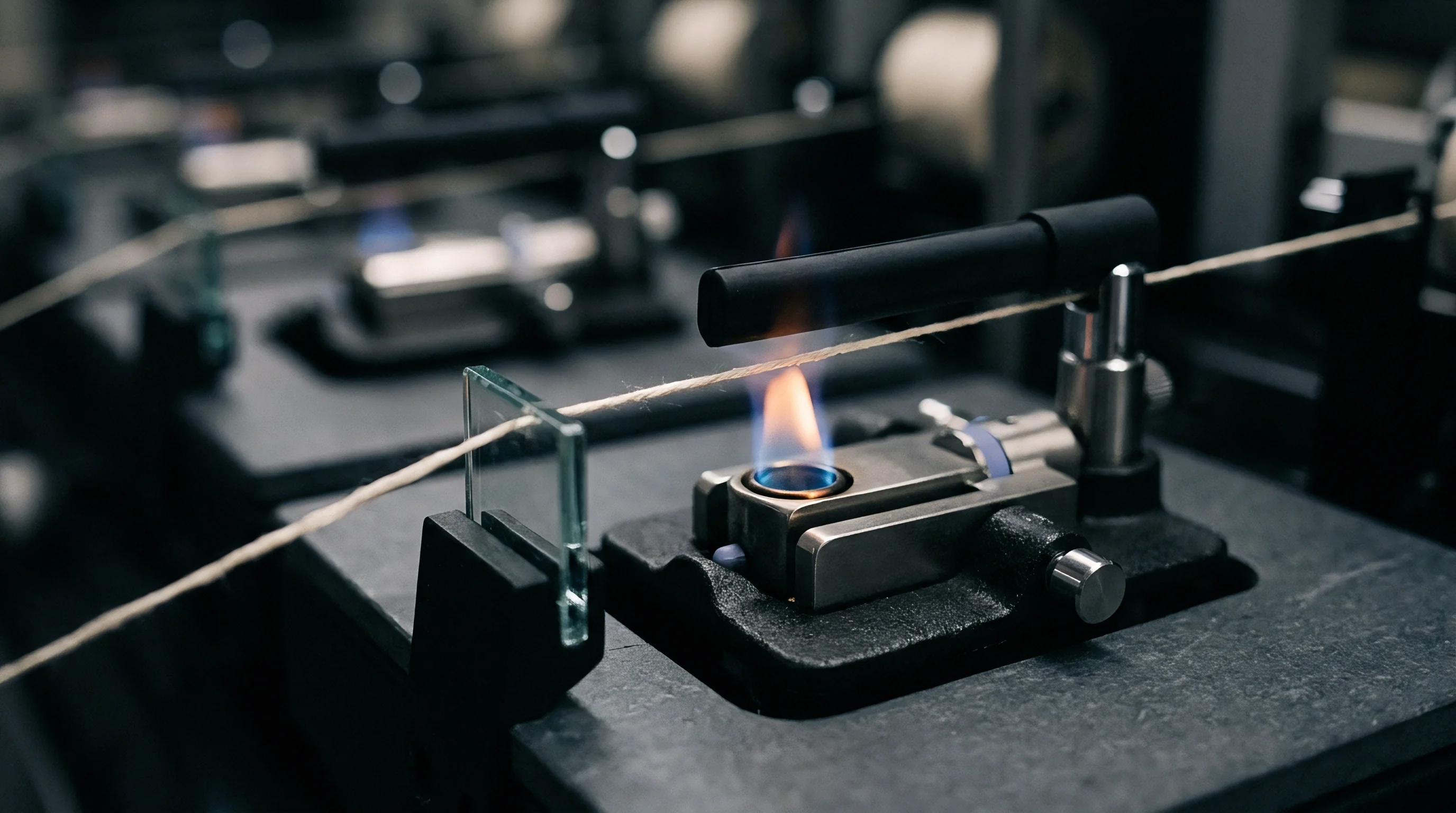
High-temperature heat treatment units set fabric dimensions and cure chemical finishes during final wet processing operations. Inside the stenter frame, wet fabric passes through heated zones ranging from 140 to 190 degrees Celsius, where thermal stress splits volatile organic compounds and heat exposure drives complex chemical reactions on the fiber matrix. Auxiliary chemicals applied in wet finishing baths evaporate, condense, or thermally breakdown into secondary byproducts.
Stenter heating can generate restricted residues out of otherwise benign chemistry. Resin finishes used for crease resistance undergo hydrolysis under elevated temperatures, releasing free formaldehyde gas that condenses back onto the damp cooling fabric. Similarly, high temperatures can cleave disperse dye molecules or cross-linking agents, converting precursor molecules into toxic aromatic amines or chlorobenzenes.
Testing only raw dye inputs misses the chemical transformations occurring inside the stenter chamber.

Thermal Degradation and Volatilization Parameters
Chamber temperatures frequently push past 180 degrees Celsius, altering chemical structures on the fiber surface. Flame retardants, softeners, and water-repellent emulsions break down under sustained thermal load. For example, organotin catalysts used in polyurethane coating formulations thermally migrate to the fabric surface during drying, elevating extractable dibutyltin (DBT) and dioctyltin (DOT) levels above regulatory thresholds.
Tuning exhaust volumes and line speeds helps curb thermal decomposition. Extended exposure inside heated zones increases the concentration of free formaldehyde derived from dimethyloldihydroxyethyleneurea (DMDHEU) resins. Monitoring the exact thermal profile of each commission dyeing run provides critical operational data for compliance verification.

Finishing Auxiliary Carryover and Cross Contamination
Shared pad troughs pick up residual chemistry across back-to-back production runs. Subcontracted dyehouses rarely perform total chemical wash-downs of stenter foulards and roller systems between customer orders due to strict delivery schedules and water consumption costs. A silicone softener bath containing nonylphenol ethoxylates from a previous dark-shade run will contaminate a subsequent run of certified organic cotton fabric.
Pin chains, clip tracks, and exhaust ductwork inside the stenter accumulate volatile organic chemicals, heavy metals, and plasticizers over months of continuous operation. As high-velocity hot air recirculates through the machine, vaporized phthalates or carrier compounds deposit onto incoming pristine fabric. Cross-contamination in shared equipment accounts for a significant portion of unexpected analytical test failures in commission dyeing.
Pale shades dyed immediately after deep black or navy runs carry the highest risk of cross-contaminated aromatic amine failures.
Skipping routine inspections of stenter cleaning records allows contamination to spread across successive lots, paving the way for customs rejections and full inventory write-downs at destination ports.

Specimen
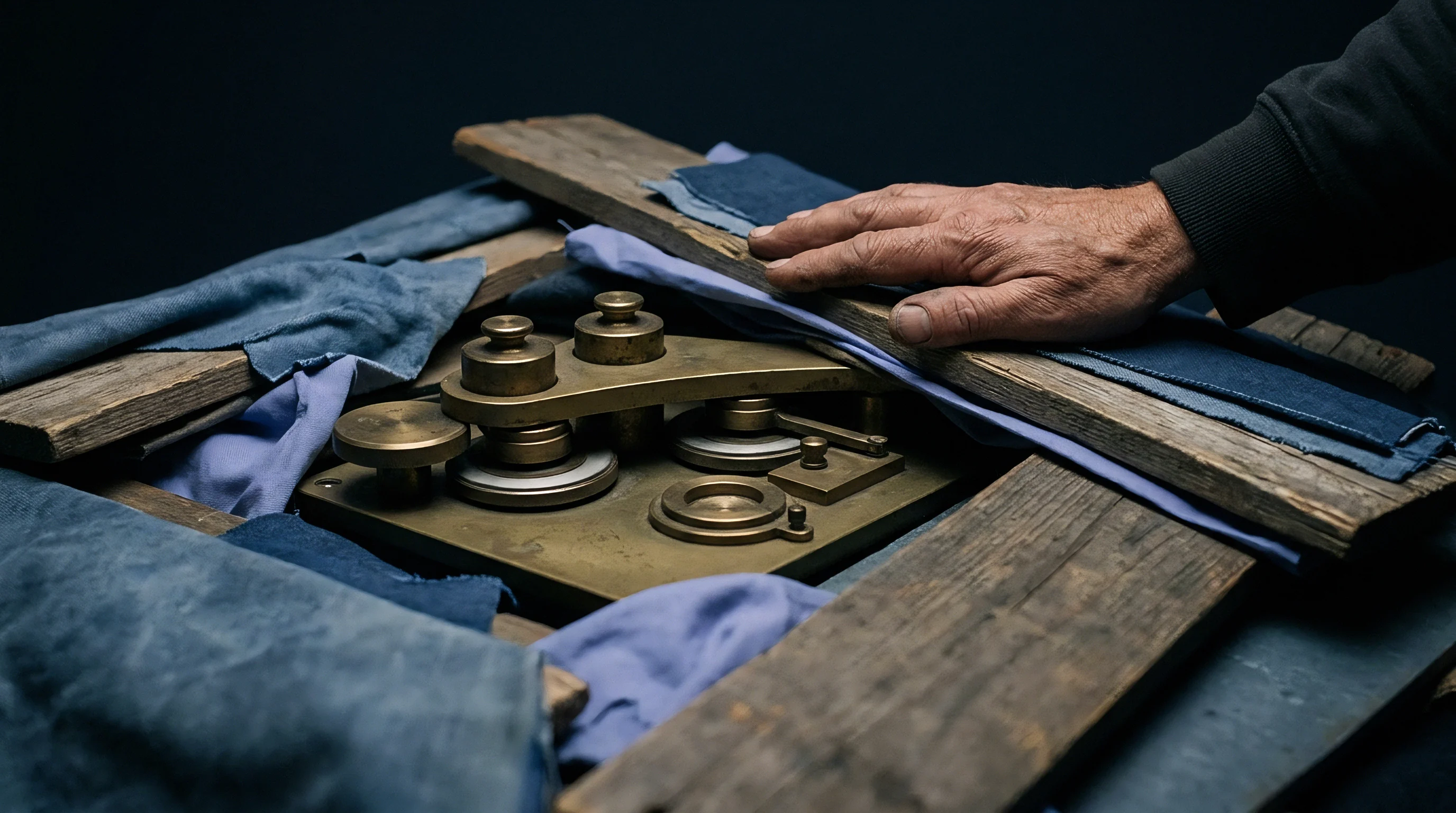
Drawing representative swatches from finished rolls requires a systematic pattern to catch chemical variation across the lot. Dye liquor depletion, temperature fluctuations across the bath, and pressure variance in package dyeing machines create uneven chemical distributions, while matrix interferences obscure target chemical peaks. A swatch pulled haphazardly from the tail end of a single roll does not represent an entire 20,000-meter dye lot.
Structuring a sampling plan requires clear statistical rules. ISO 24153 and ISO 2859-1 supply principles for lot acceptance sampling, but chemical testing requires specialized spatial protocols: technicians must sample the lead end, middle section, and tail end of multiple rolls across different dye vat loads. Because testing fees climb with every extra composite, thoughtful cut plans balance lab budgets against commercial border risk.

Representative Sampling Protocol for Heterogeneous Lots
Chemical distribution throughout a dyed batch varies significantly between the outer layers of a roll and its inner core. Volatile chemicals like residual solvent carriers (trichlorobenzenes) evaporate more rapidly from the exterior layers of a stored fabric roll than from the tightly packed core. Conversely, heavy metals and fixed pigments remain constant across the roll volume.
Sampling protocols must account for these physical transport dynamics.
Roll selection relies on stratified random sampling. For a dye lot consisting of 50 rolls, sampling five distinct rolls provides representative coverage. Technicians cut swatches full-width across the fabric, discarding the outer five centimeters of the selvedge where edge-drying artifacts concentrate chemical auxiliaries.

Chain of Custody Preservation Procedures
Swatches cut at the mill table undergo degradation if exposed to humidity, light, or volatile organic vapours during transport. Photodegradation can break down azo colorants into false-positive aromatic amine readings, while ambient humidity alters fabric mass, skewing quantitative concentration calculations. The following physical sampling sequence preserves specimen integrity from the dyehouse floor to the laboratory bench:
- Cut full-width fabric swatches measuring thirty centimeters in length from the lead, middle, and tail sections of designated production rolls.
- Trim five centimeters from both selvedge edges to remove edge-effect chemical concentrations caused by stenter clip heating.
- Wrap each isolated swatch tightly in un-laminated aluminum foil to protect against ambient light exposure and volatile organic compound absorption.
- Enclose the foil-wrapped sample inside a heavy-duty polytetrafluoroethylene sealed bag marked with unique lot, roll, and shade identification codes.
- Dispatch the sealed specimen packages directly to an ISO/IEC 17025 accredited analytical testing laboratory via express air courier within twenty-four hours of sample collection.
Uncut greige fabric isolates dyehouse contamination.
A single sample cut from the front of the first roll cannot verify chemical compliance across an entire dye run.

Digest
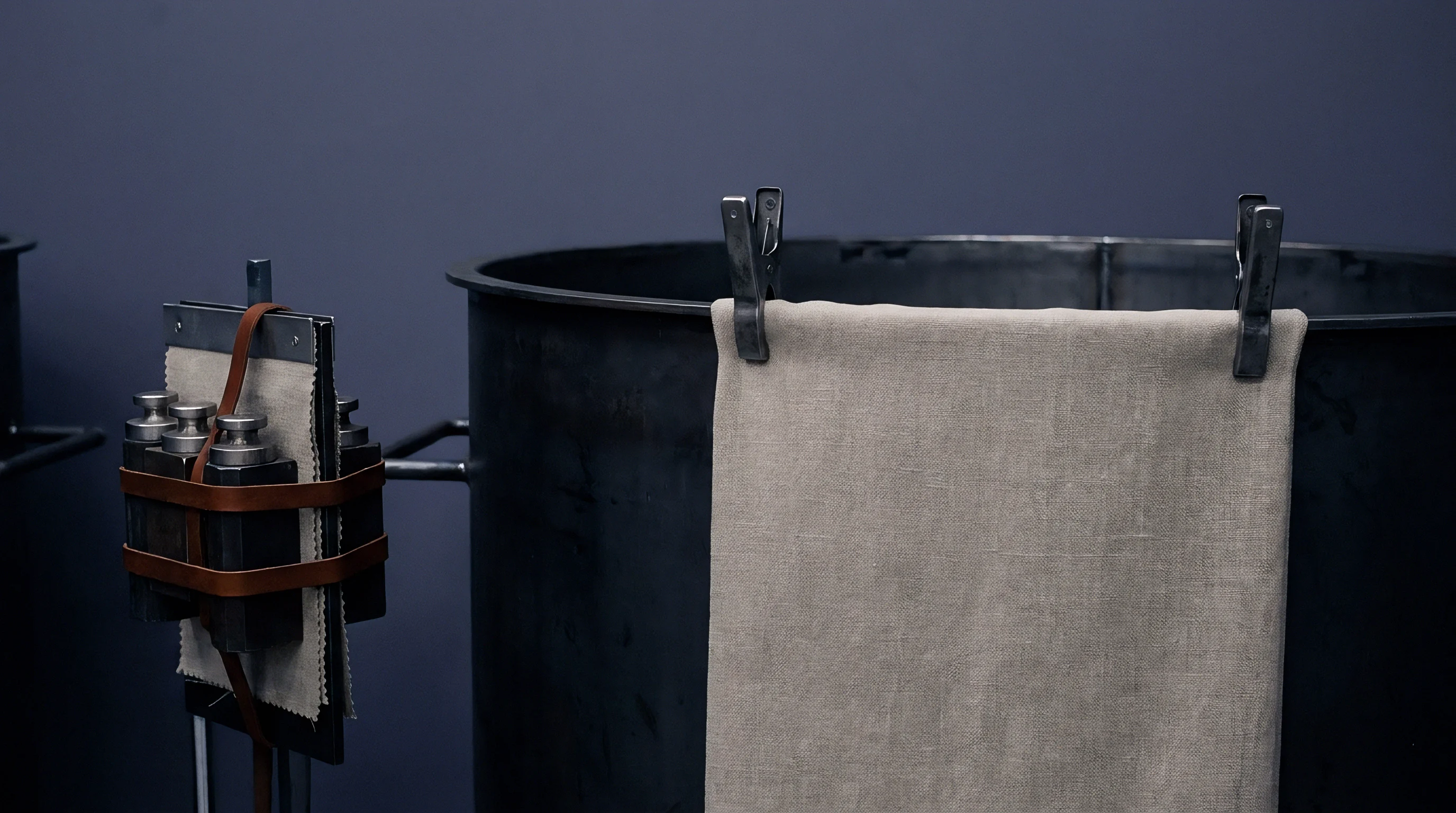
Analytical laboratories apply target solvent extraction methods to separate restricted chemicals from dyed textile matrices. Laboratory technicians cut fabric swatches into tiny fragments measuring two by two millimeters to maximize solvent contact surface area. Solvent selection depends directly on the target analyte family: methanol extracts polar compounds like alkylphenol ethoxylates and heavy metal salts, while dichloromethane targets non-polar phthalate plasticizers and halogenated flame retardants across synthetic and natural fibers.
Quantification relies on high-resolution chromatographic and spectroscopic instruments. Gas Chromatography-Mass Spectrometry (GC-MS) isolates volatile organic compounds, organotin catalysts, and reduced aromatic amines. Liquid Chromatography-Tandem Mass Spectrometry (LC-MS/MS) quantifies non-volatile surfactants, fluorinated stain repellents, and water-soluble dyes down to trace levels.
Inductively Coupled Plasma Mass Spectrometry (ICP-MS) measures total digested heavy metals including lead, cadmium, mercury, and chromium with detection limits below 0.1 parts per million.
What Limits Govern Extractable Heavy Metals?
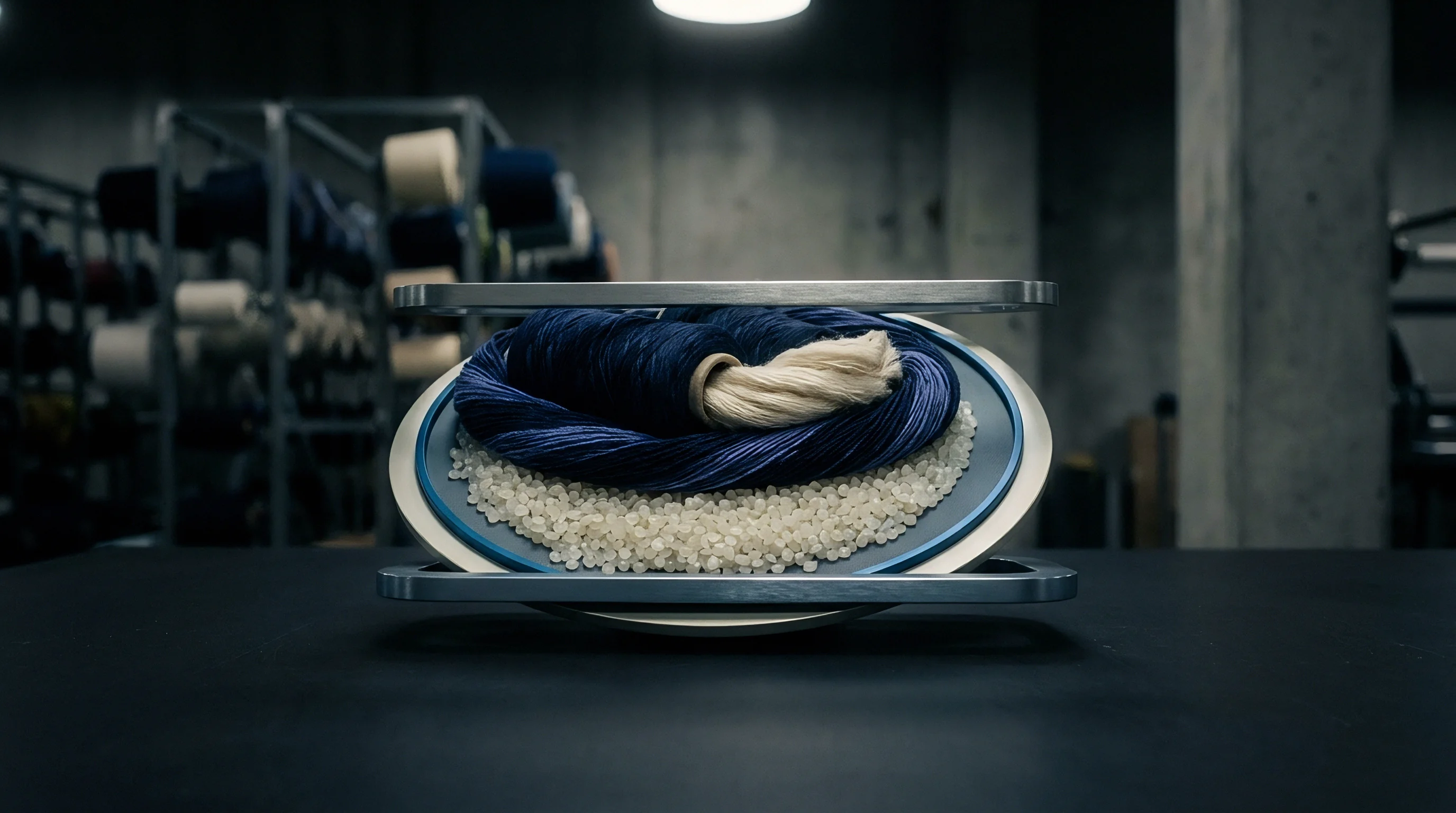
Standards such as OEKO-TEX Standard 100 Class I set strict thresholds for soluble antimony, arsenic, lead, and cadmium at 0.2 milligrams per kilogram. Extractable metal testing simulates human sweat exposure using acidic synthetic perspiration solutions (pH 5.5) under controlled temperature shaking for four hours according to EN ISO 105-E04 extraction procedures. This differs fundamentally from total metal digestion under microwave acid conditions (EN 16711-1), which measures total elemental content including insoluble inorganic pigment matrices.
Commission dyehouses using complex metallic dyes, such as chromium- or copper-complex acid dyes for nylon and wool, risk extractable metal failures if post-dyeing washing cycles fail to remove unfixed colorant. Total metal digestion under microwave nitric acid conditions yields high elemental chromium counts, but extractable testing reveals whether the metal ions migrate out of the fiber under skin-contact conditions. Regulatory compliance under REACH Annex XVII Entry 72 mandates that extractable chromium VI remain below 1.0 milligram per kilogram due to its severe allergenic potential.

Chromatographic Quantification of Fluorinated Cleaners
Liquid chromatography combined with tandem mass spectrometry isolates short-chain per- and polyfluoroalkyl substances down to parts-per-billion levels. Analytical chemistry must distinguish between intentionally added fluorinated water-repellent polymers and background contamination derived from fluoropolymer equipment lubricants or contaminated process water. Solvent extraction using hot methanol under ultrasonic agitation extracts free perfluorooctanoic acid (PFOA), perfluorooctane sulfonate (PFOS), and related perfluorocarboxylic acids (PFCAs).
Analytical detection limits (LOD) define the lowest concentration an instrument can distinguish from background noise, whereas reporting limits (RL) represent the lowest reliably quantifiable concentration. When evaluating test certificates, compliance officers must confirm that the laboratory reporting limit sits well below the statutory regulatory threshold. The table below details common laboratory analytical methods, target chemical classes, extraction parameters, and reporting thresholds enforced in international trade:
| Chemical Family | Extraction Solvent / Condition | Analytical Instrument | Method Limit of Detection | Standard Reporting Limit |
|---|---|---|---|---|
| Aromatic Amines (Azo) | Citrate Buffer pH 6.0 / Dithionite 70°C | GC-MS / HPLC-DAD | 5.0 mg/kg | 20.0 mg/kg |
| Phthalate Plasticizers | Dichloromethane / Ultrasonic 60 min | GC-MS | 10.0 mg/kg | 50.0 mg/kg |
| Organotin Compounds | Ethanol / Sodium Tetraethylborate | GC-MS (Derivatized) | 0.01 mg/kg | 0.05 mg/kg |
| PFAS / PFOA / PFOS | Methanol / Ultrasonic 60°C 120 min | LC-MS/MS | 0.01 ppb | 0.025 mg/kg |
| Extractable Metals | Acidic Perspiration Solution pH 5.5 | ICP-MS / ICP-OES | 0.05 mg/kg | 0.10 mg/kg |
Reductive cleavage of azo colorants according to EN ISO 14362-1 requires precise temperature control at 70 degrees Celsius and exact dithionite reduction timing. Over-reduction degrades certain aromatic amines, producing false-negative results, while under-reduction fails to cleave bound azo linkages, leaving hazardous amines undetected inside the textile matrix.
- Reductive Cleavage Oversights occur when improper dithionite reagent concentration fails to release bound 4-aminobiphenyl or benzidine from heavy disperse shade formulas.
- Solvent Extraction Inefficiencies arise when dense, highly crystalline synthetic fibers like polyethylene terephthalate (PET) resist solvent penetration during brief ultrasonic baths.
- Phthalate Plasticizer Interferences stem from laboratory plasticware contamination, requiring glass-only extraction apparatus during chromatographic preparation.
- PFAS Volatilization Losses result from overheating methanol extracts during nitrogen blow-down concentration steps prior to LC-MS/MS injection.
Under REACH Annex XVII Entry 43, azo dyes releasing regulated aromatic amines above 30 milligrams per kilogram trigger an immediate commercial ban on imported finished goods.
Whether non-targeted mass spectrometry screening will eventually replace specific chemical quantification lists in brand enforcement programs remains an open debate among analytical chemists.

Exposure
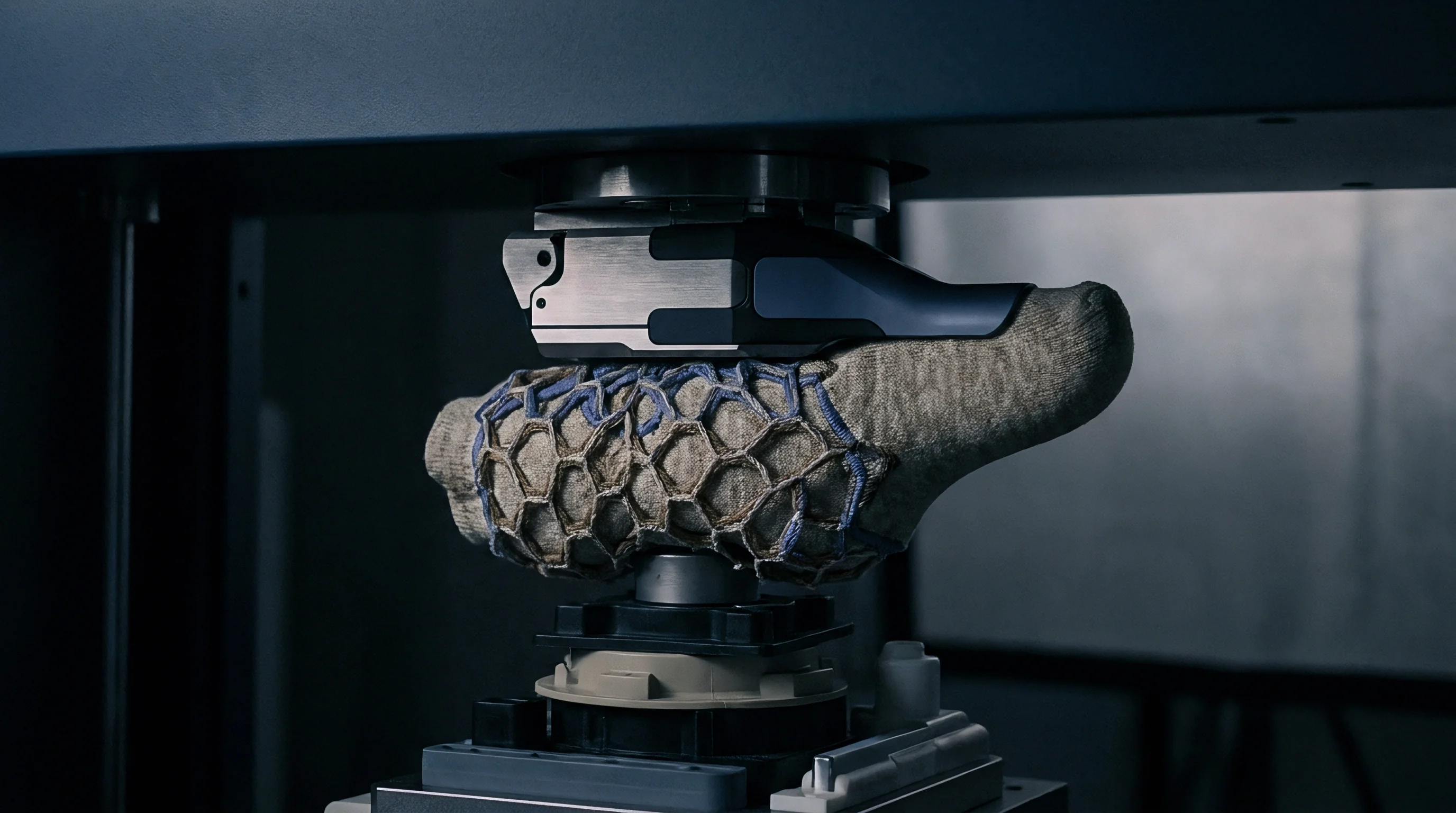
Commercial disputes arising from chemical non-compliance force converters to calculate total financial liability across raw fabric cost, processing fees, and logistics charges. Initial failure findings rarely wash out on retests. When a laboratory report confirms a restricted substance violation, the converter holds unmarketable finished goods.
The dyehouse typically disclaims liability beyond the value of its commission processing fee, leaving the fabric owner exposed to total material loss.
Unevidenced textile shipments risk border holds, pushing final financial exposure back onto the importer. Calculating commercial risk requires analyzing purchase order terms, indemnity clauses, and retesting protocols. Establishing precise batch-level testing protocols before issuing commission dyeing contracts assigns financial risk explicitly to the party responsible for introducing chemical non-compliance.

Commercial Risk Allocation in Subcontracted Dyeing
Standard commission dyeing purchase contracts often limit dyehouse liability to the simple cost of re-dyeing the damaged fabric. This contractual limitation fails to protect the fabric converter. If a dyehouse applies a non-compliant flame retardant containing polybrominated diphenyl ethers (PBDEs) to a 100% silk woven substrate valued at $15.00 per meter, stripping and re-dyeing the fabric is chemically impossible without destroying the silk fiber structure.
Effective commission agreements incorporate full material indemnity provisions. Contracts must stipulate that if an ISO/IEC 17025 accredited laboratory detects restricted substances above buyer RSL limits, the dyehouse forfeits its processing fee and reimburses the converter for the full greige substrate cost, freight charges, and chemical disposal expenses. Clear commercial terms align dyehouse operational incentives with chemical compliance rigor.
Retest Mechanics and Batch Rejection Arithmetic
Requesting a second laboratory analysis after an initial chemical failure introduces significant financial and procedural variables. Following a failed report, dyehouses routinely request re-testing on grounds of sample contamination or laboratory error. Standard commercial testing protocols mandate that re-testing must proceed on newly drawn swatches using identical test standards at a mutually agreed secondary accredited facility.
Evaluating the financial impact of a chemical failure requires walking through a concrete commercial scenario. Take a 10,000-meter production batch of 100% cotton woven twill valued at $3.50 per meter greige cost, with a commission dyeing fee of $1.20 per meter. Total landed fabric value stands at $47,000.
Laboratory testing under ISO 14362-1 reveals 45 milligrams per kilogram of 4-aminobiphenyl, exceeding the 20 milligram per kilogram limit of OEKO-TEX Standard 100 Class II. The table below models the financial exposure distribution between the converter and the commission dyer:
| Cost Component | Base Unit Value | Total Batch Value | Unallocated Converter Risk | Indemnity Contracted Risk |
|---|---|---|---|---|
| Greige Substrate Value | $3.50 / meter | $35,000 | $35,000 (Loss) | $0 (Reimbursed by Dyer) |
| Commission Dyeing Fee | $1.20 / meter | $12,000 | $12,000 (Paid / Forfeited) | $0 (Fee Cancelled) |
| Hazardous Waste Disposal | $0.45 / meter | $4,500 | $4,500 (Loss) | $0 (Paid by Dyer) |
| Air Freight / Expediting | $1.80 / meter | $18,000 | $18,000 (Loss) | $0 (Paid by Dyer) |
| Total Financial Exposure | $6.95 / meter | $69,500 | $69,500 Total Loss | $0 Total Loss |
Without explicit chemical indemnity terms, the converter absorbs $69,500 in direct losses on a processing contract that cost only $12,000. Incorporating mandatory batch-level chemical verification clauses transforms compliance from a contested argument into an enforceable financial remedy.
- Unrecoverable Substrate Loss occurs when chemical contamination cannot be stripped without degrading fiber tensile strength or yarn integrity.
- Secondary Contamination Liabilities arise when non-compliant fabric is stored alongside compliant inventory, cross-contaminating adjacent rolls inside warehouse storage facilities.
- Customs Seizure Penalties include daily container demurrage charges and mandatory administrative fines levied on the importer of record by customs enforcement bodies.
- Customer Order Cancellation Costs stem from missed seasonal delivery windows when re-manufacturing delays disrupt garment assembly schedules.
Incorporating a batch chemical indemnity clause into the purchase order shifts disposal costs and fabric replacement liabilities directly to the subcontracted dyehouse upon a certified laboratory failure report.
Standard ISO 17025 accredited laboratory reports carry a legally binding exclusion stating that analytical results apply strictly to the tested specimen rather than the entire production lot, shifting full batch conformity proof back onto the buyer.


Conformity
Customs authorities and brand compliance auditors evaluate documentary evidence to verify that imported textile goods comply with regional chemical laws, but broad facility scope certificates miss batch-level chemical substitutions. An annual facility certification proves only that a mill possesses compliant systems on the audit date. It does not prove that a specific fabric lot dyed six months later using a new chemical supplier batch satisfies restricted substance limits.
Establishing batch-level conformity requires linking analytical laboratory test reports directly to shipping documentation. Importers must assemble detailed traceability dossiers for every entry. A robust file contains raw material bills of lading, dyehouse production logs, chemical input disclosures, statistical sampling records, and accredited laboratory test certificates.
Aligning documentary evidence with physical roll identifiers secures frictionless customs passage.

Scope Certificates versus Test Reports in Customs Audits
Annual facility credentials issued by certification bodies confirm that a dyehouse possesses physical equipment and management systems capable of clean production. Facilities holding certifications like GOTS Scope Certificates or OEKO-TEX STeP undergo periodic facility audits. However, these documents evaluate organizational potential rather than individual fabric lot chemical composition.
Transaction Certificates (TC) trace the physical volume movement of certified material between processing steps, but TCs do not replace analytical chemical test reports. When customs enforcement agencies pull a container for chemical surveillance under national monitoring schemes, inspectors demand current analytical test reports covering the specific shade and batch code of the imported article. Presenting an annual Scope Certificate without matching batch test data fails to satisfy customs enforcement inquiries.

Documentary Architecture for Port Release
Compiling a complete compliance file for import clearance demands direct linkage between bill of lading numbers, transaction certificates, and batch-specific chemical test reports. Customs documentation must reflect absolute consistency across article numbers, fiber weight ratios, colorways, and dye lot codes. Discrepancies between the packing list description and laboratory sample details raise red flags during customs review.
The comparative matrix below outlines the operational scope, validation duration, regulatory acceptance, and assurance limitations of primary compliance instruments used in subcontracted textile trade:
| Document Type | Issuing Authority | Validity Clock | Customs Regulatory Weight | Assurance Limitation |
|---|---|---|---|---|
| Facility Scope Certificate (SC) | Accredited Certification Body | 12 Months | Low (System Audit Only) | Does not verify specific finished batch chemical content |
| Transaction Certificate (TC) | Accredited Certification Body | Per Shipment | Medium (Chain of Custody) | Traces volume movement without chemical composition testing |
| Safety Data Sheet (SDS) | Chemical Manufacturer | Variable / Ongoing | Zero (Self-Declaration) | Omits trace contaminants below 0.1% statutory reporting threshold |
| Batch Analytical Test Report | ISO/IEC 17025 Testing Lab | Batch-Specific | Absolute (Chemical Fact) | Valid exclusively for tested specimen lot sample |
Securing customs clearance for subcontracted dyed textiles relies on linking chemical test reports directly to individual batch numbers on the transaction certificate. When roll numbers on the packing list match the sample identifiers on an accredited laboratory report, port authorities release shipments without administrative holds or destructive re-testing.