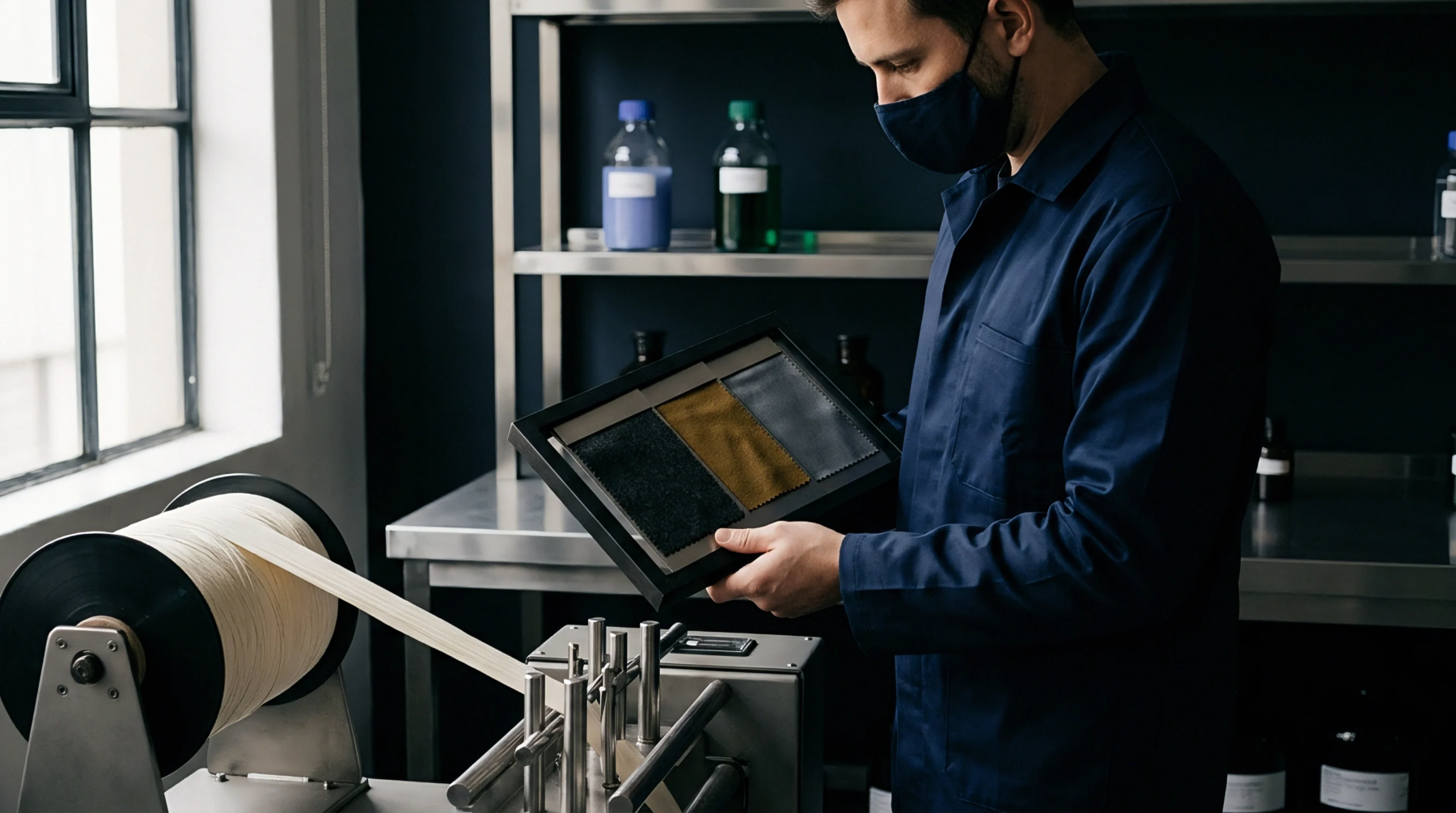
Establishing Baseline Chemical Qualification Standards for High Volume Repeat Fabric Purchases
Establishing baseline chemical standards requires binding purchase specs to exact analytical test methods, ZDHC auxiliary controls, and lot verification.
Establishing baseline chemical standards requires binding purchase specs to exact analytical test methods, ZDHC auxiliary controls, and lot verification.

Subcontracted dyehouse failures create direct financial liabilities through unverified chemical additions, requiring strict retest protocols and PO cost allocation.

Managing fluorinated chemical risk in recycled synthetics demands total fluorine screening, targeted LC-MS testing, and strict batch transaction certificate tracking.
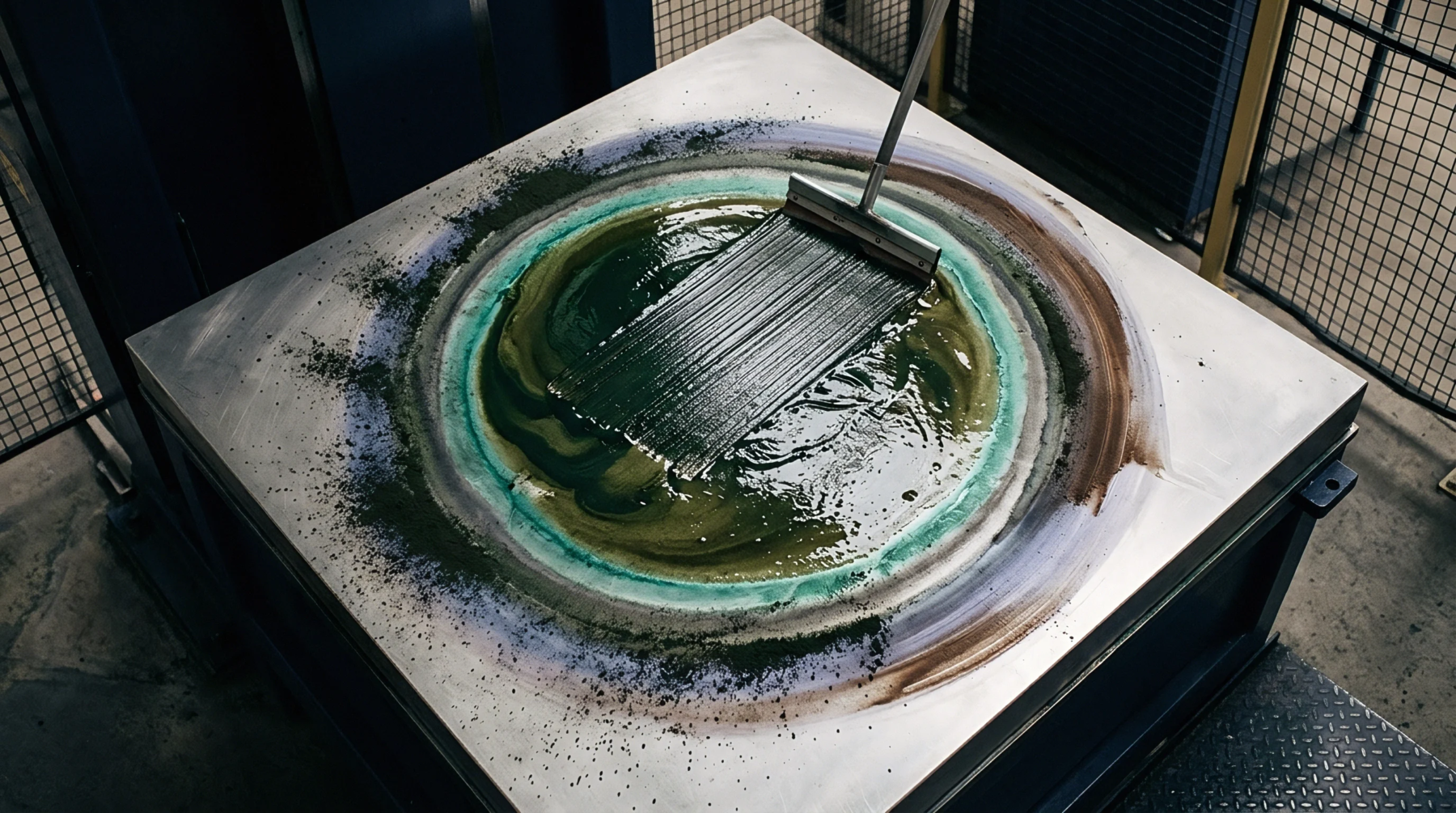
Subcontracted garment laundries introduce restricted auxiliary risks that require batch-level finished garment testing and strict contract indemnity clauses.

Greige fabric certification demands batch testing of sizing agents, spin finishes, and biocide residues before finishing treatments mask regulated chemicals.

Subcontracted dyehouse chemical compliance depends on lot-level testing schedules aligned with substrate risk and auxiliary flowdown.

Analytical verification of depolymerized monomer purity requires chromatographic trace contaminant profiling to substantiate cross-border recycled claims.
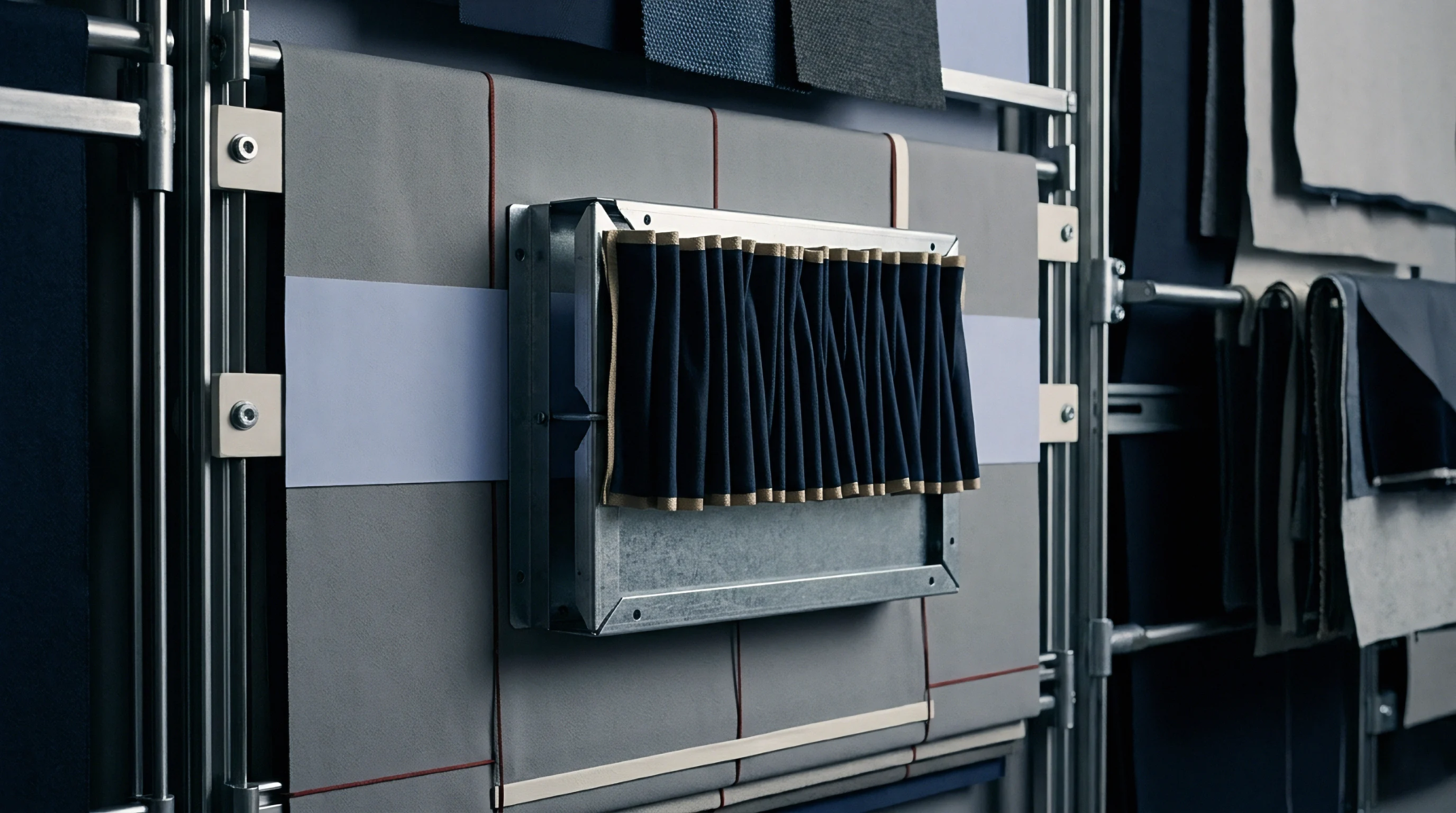
Verify textile compliance using lot-specific ISO 17025 test reports and valid transaction certificates matched directly to invoice numbers and batch weights.
Expertise is a utility, not a secret. sentiention™ publishes its working knowledge as open reference: intelligence layer covering the materials it sources, the markets it enters, and the reference that serves both.