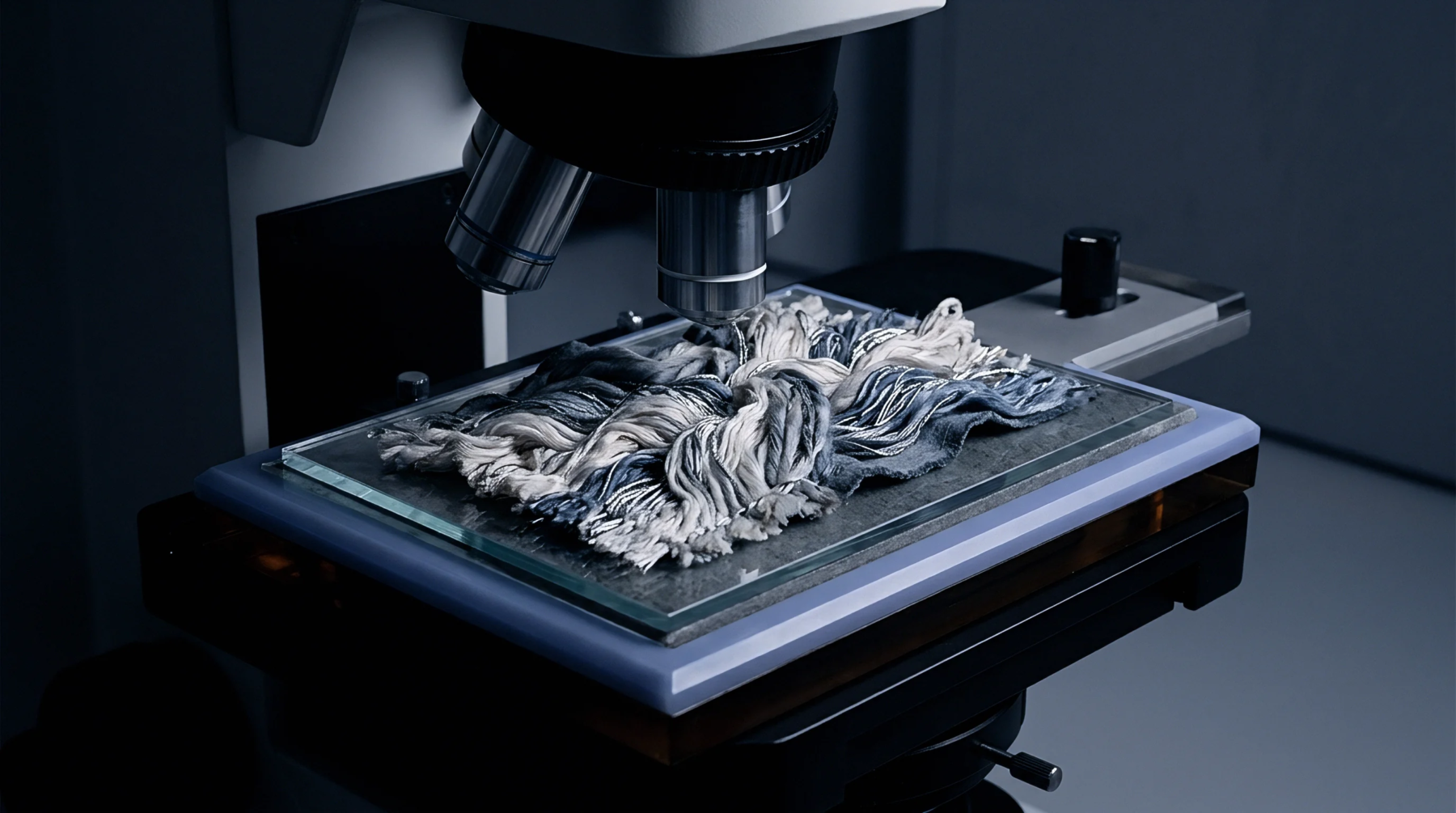
Extraction Method
Solvent extraction using chlorinated compounds removes non-fibrous matter such as grease, spin finish, or lubricants from synthetic and natural yarns. Performing a dichloromethane wash allows technicians to isolate the clean fibre mass for accurate blend analysis or moisture regain testing. This process strips away oils that would otherwise distort the weight of the textile sample during commercial laboratory evaluations.
It establishes a baseline of pure fibre material.
Chemical Separation
In laboratory environments, the procedure requires a Soxhlet apparatus to circulate the solvent through the textile structure. The dichloromethane wash dissolves processing oils without degrading polyester or nylon polymers, making it ideal for synthetic blends. Technicians measure the dry weight of the sample before and after the extraction to calculate the percentage of finish present.
This step is mandatory before executing quantitative fibre analysis by chemical dissolution.
Analytical Protocol
When mills apply spin finishes to synthetic yarns, excessive residues can interfere with subsequent dyeing and finishing. Implementing a dichloromethane wash on production samples before dyeing prevents unlevel dye absorption and spotting. The solvent must be pure to avoid leaving residues that could affect the accuracy of the residual oil calculation.
This wash verifies that spin finish levels fall within the contracted specification.
Material Outcome
Environmental regulations require sealed extraction chambers to capture the evaporated solvent during the cleaning cycle. Exposure to these fumes is hazardous, necessitating strict laboratory exhaust controls and personal protective gear.