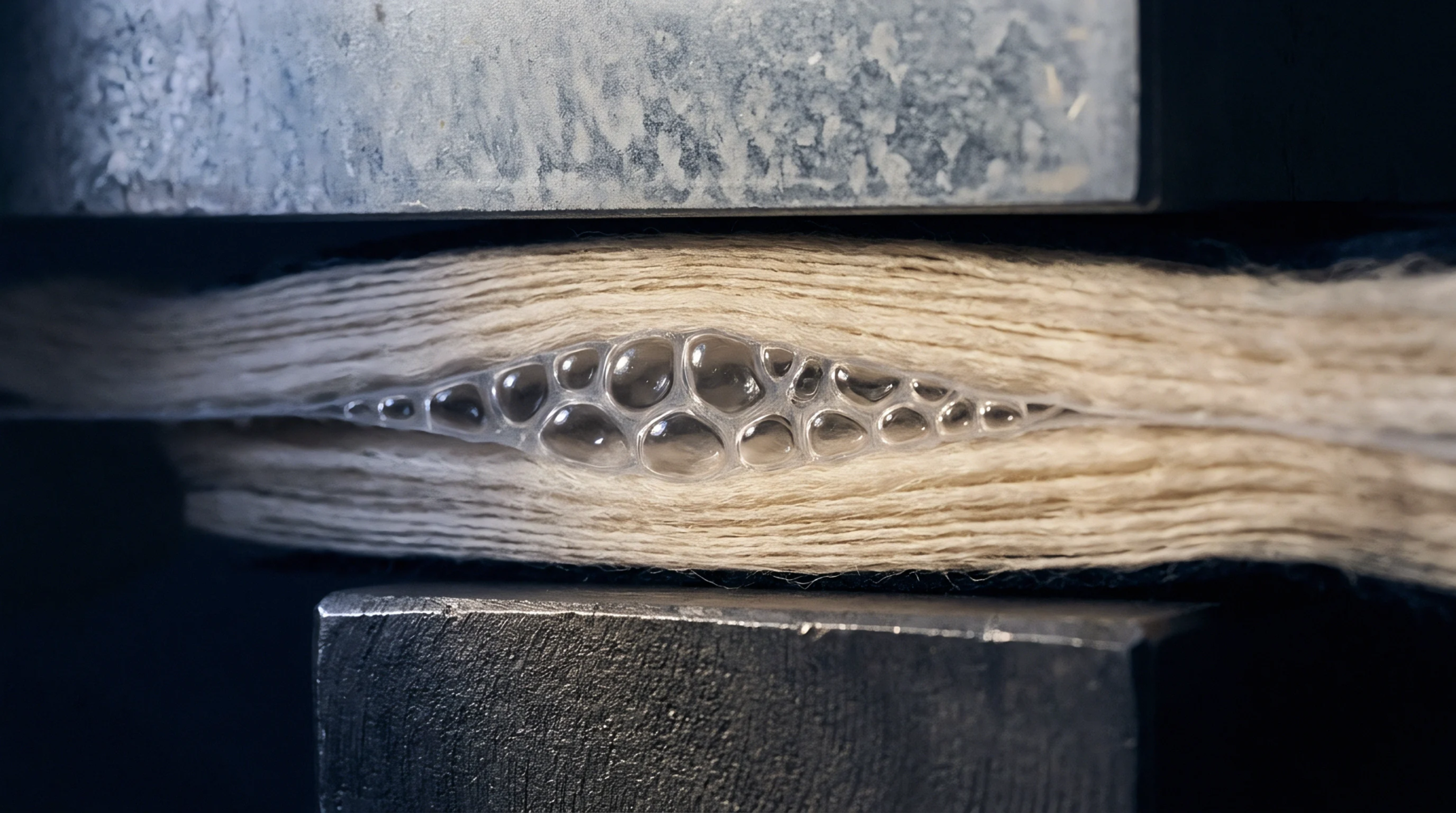
Moisture Regulation
Quantitative evaluation of water content in fibrous assemblies relies on standard ASTM D2654 to measure mass loss under controlled thermal drying. Textile laboratories apply this specific protocol to determine correct commercial mass across natural and synthetic lots. Mill buyers enforce these documented values during raw material intake because moisture absorption directly alters fibre pricing.
Thermal Conditioning
Forced air convection ovens maintain precise temperatures to expel bound water from pre-weighed specimens until constant mass is reached. Technicians weigh the dried sample immediately inside a desiccator to prevent atmospheric reabsorption before calculation. Ambient humidity levels inside the testing room require strict calibration to match standard tolerances specified for textile conditioning protocols.
Commercial Adjustment
Calculating net mass requires applying standardized regain percentages to dry weights so buyers do not pay for absorbed water weight. Spinning mills utilize these corrected figures to establish accurate yarn counts and monitor inventory yields across shifting seasonal humidity. Production managers review final moisture calculations prior to authorizing bulk yarn shipments from regional spinning plants.
Boundary Condition
Testing limits apply strictly to materials that undergo predictable thermal desorption without chemical decomposition or structural degradation occurring during the heating cycle. Heavy chemical finishes or elastomeric blends can distort mass loss readings by releasing volatile softeners alongside trapped water vapour. Analysts discount anomalous readings whenever auxiliary compounds interfere with baseline moisture evaporation measurements.