Solvent Technique
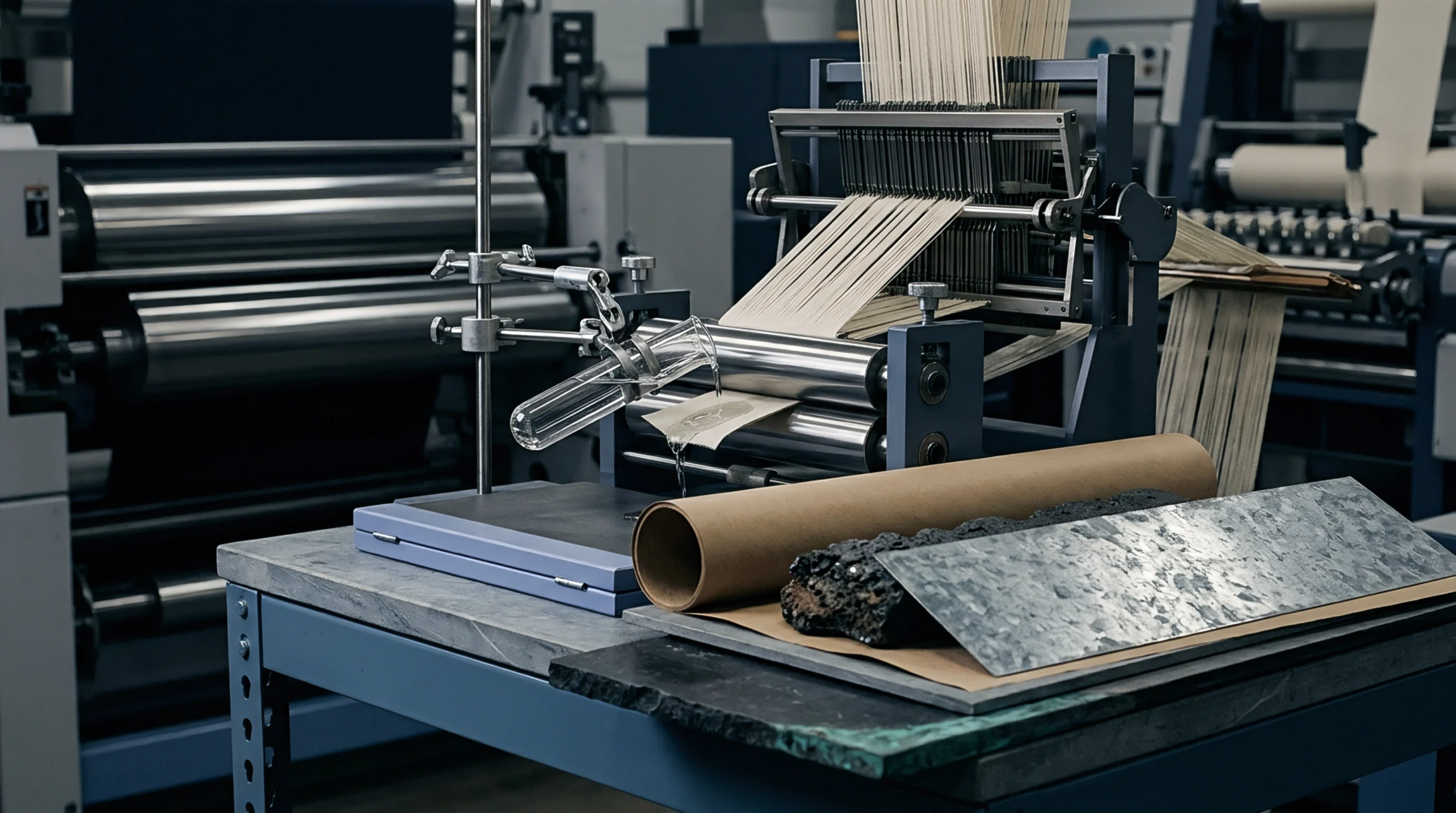
Industrial laboratory testing uses concentrated acidic reactions to separate high-durability synthetic fibres from their natural or cellulosic counterparts in mixed fabric swatches. Deployment of sulfuric acid dissolution isolates materials by chemically breaking down cotton, viscose or flax while leaving most polyester items completely unharmed. This aggressive chemical stage requires exact timing and temperature control to avoid charring the remaining residue that will be weighed for the count.
It acts as the primary tool in binary blend analysis where weight-loss measurements provide the most direct evidence of the initial yarn ratios. Technicians use this selective method because the acid acts quickly, reducing the multi-hour testing windows to several minutes of controlled immersion. Success in these tests verifies that expensive garments actually contain the specified synthetic reinforcements.
Chemical Action
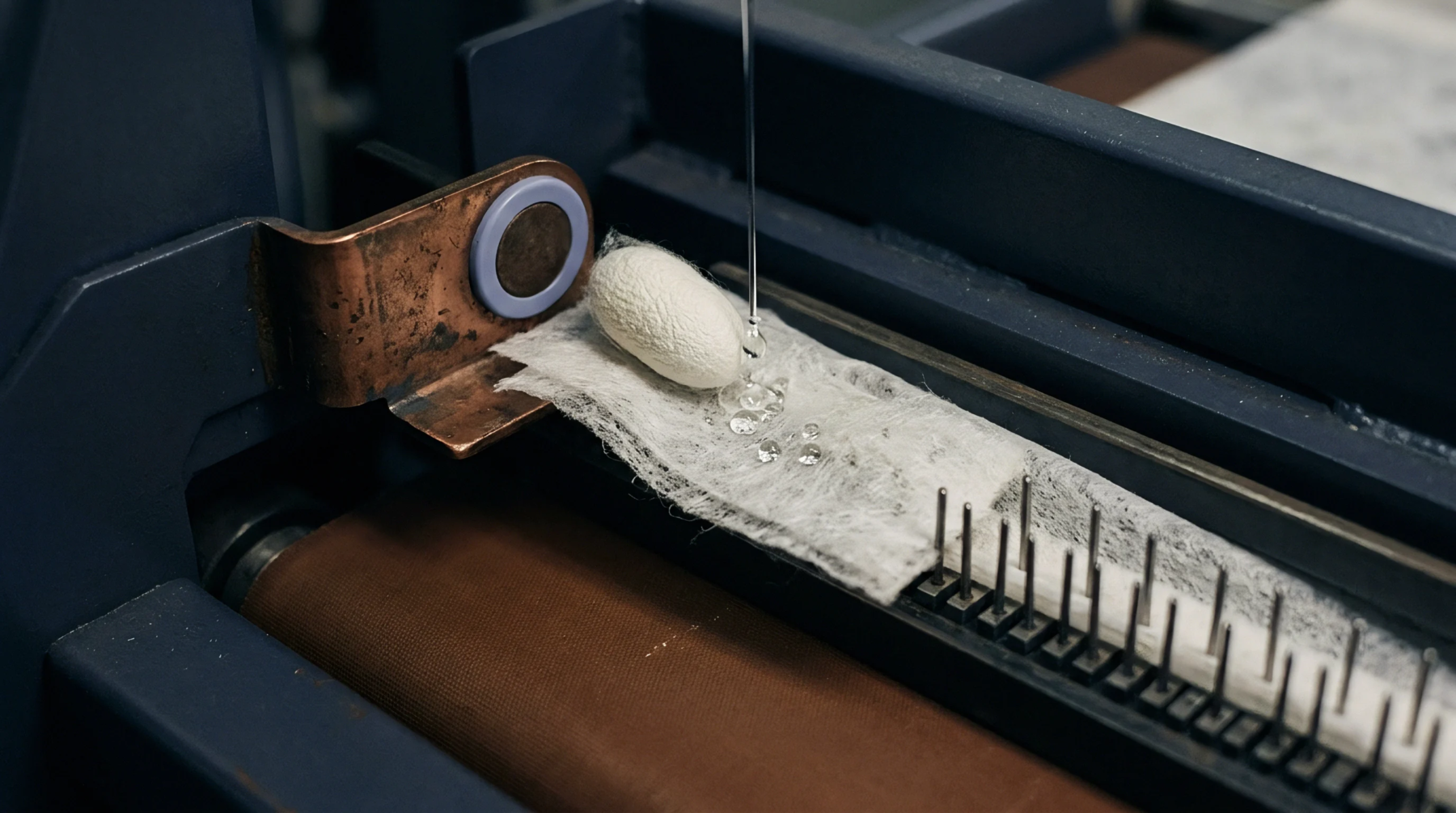
Process cycles involve a sequence of standardized dilution and filtration steps that ensure the complete destruction of the cellulose chains. During the sulfuric acid dissolution phase, the acid attacks the molecular bonds of the natural fibres, turning the solid cotton or linen into a dark liquid solution. The polyester residue is then strained through a sintered glass filter that remains inert under highly acidic conditions.
Subsequent washing with large volumes of water and then a weak ammonia solution neutralizes the samples to stop further chemical activity. Once dried in a desiccator, the mass of the remaining polyester tells the chemist how much synthetic content survived the extraction. The percentage calculation is derived by subtracting this residue weight from the original mass once moisture corrections are made.
Analytical Safety
Management of such corrosive materials involves rigorous protection for the lab staff and the correct disposal of spent acid containers to prevent environmental harm. Using sulfuric acid dissolution creates fumes that require high-efficiency fume hoods and consistent airflow to keep oxygen levels safe for operators. If the temperature of the acid bath climbs too high, it can trigger localized melting of the polyester, creating a lumpy sample that gives an inaccurate reading.
Lab assistants monitor specific concentration levels to ensure they match the requirements for the specific fibre blend being identified. Consistent maintenance of laboratory glass prevents contamination that could skew the light weights found at the conclusion of the test. Verification is done through redundant testing on multiple swathes to verify the stability of the reported values.
Commercial Proof
Accurate reports from these aggressive procedures provide the necessary data for mill certificates and retail compliance files. Sourcing groups rely on sulfuric acid dissolution as the definitive proof when cheaper natural additions are suspected of being used as fillers in polyester-grade contracts. Because the chemical transition is complete and visible, it provides a high-certainty outcome that holds up in standard contract disputes.
Global garment supply depends on these standardized extraction cycles to ensure that trade descriptions and physical compositions stay synchronized. Clear data points from these sessions are the baseline for future pricing decisions on incoming seasonal materials. It ensures that quality persists from the first test batch into the full scale of factory throughput.