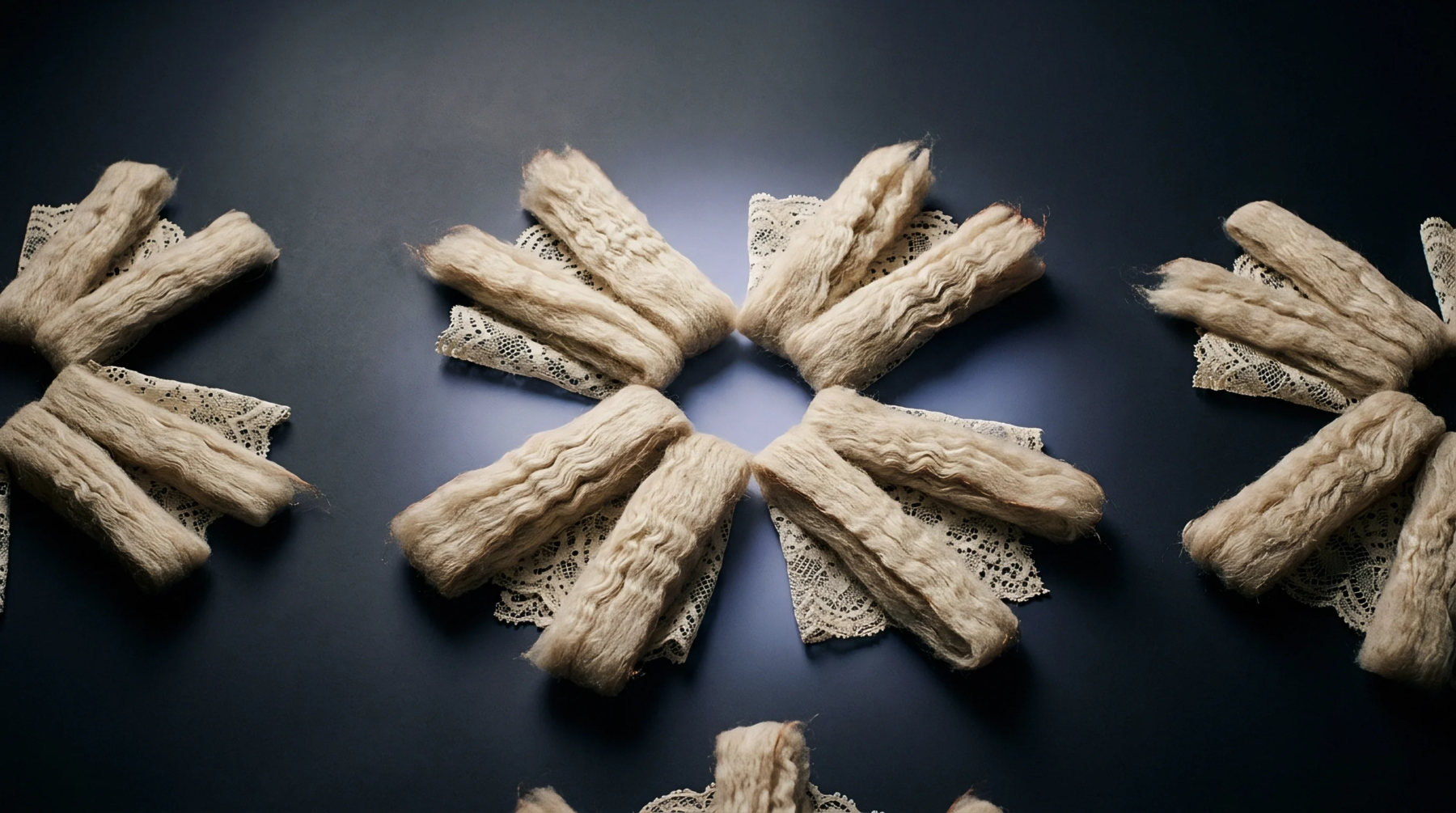
Textile Classification
High quality wool yarn or fabric produced from long, combed wool fibers aligned parallel to each other represents a major category of lightweight, durable apparel materials. This combing process removes short fibers and impurities, resulting in a smooth, compact yarn. In garment manufacturing, worsted wool is favored for fine suiting and tailored garments.
Fiber Selection
Spinners select fine wool fleeces with a long staple length to produce these high-performance yarns. The raw wool is scoured and combed to align the fibers and remove any remaining vegetable matter. This preparatory step ensures that the worsted wool has a clean, uniform appearance and high strength.
Fabric Characteristics
Woven fabrics made from these combed yarns are characterized by a smooth surface, crisp drape, and clear weave definition. Unlike woolen fabrics, worsted wool does not have a fuzzy surface, which makes it less prone to pilling and more resistant to wear. This durability makes it suitable for uniforms and business attire.
Mill Inspection
Quality inspectors at the weaving mill check the fabric for yarn defects, uneven density, and finishing faults. Since the fabric surface is smooth, any defect in the worsted wool yarn is highly visible and must be avoided. Standard tests also verify the fabric weight and pilling resistance to ensure it meets commercial specifications.