
Standard Quantitative Chemical Separation of Cotton Polyester Yarns
Standard chemical separation of cotton polyester yarns uses 75% sulfuric acid dissolution with gravimetric recovery corrected for commercial moisture regain.
Standard chemical separation of cotton polyester yarns uses 75% sulfuric acid dissolution with gravimetric recovery corrected for commercial moisture regain.
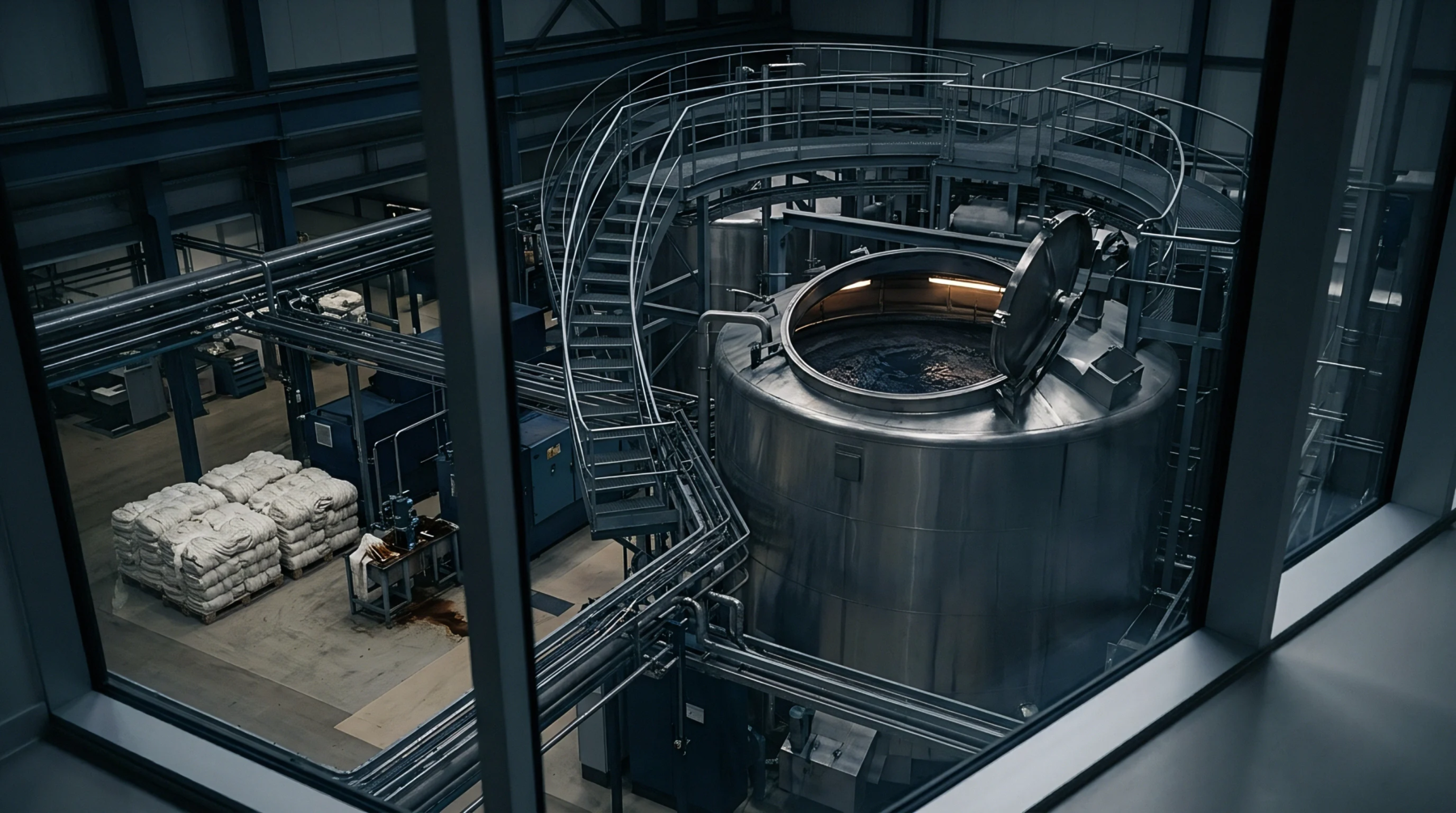
Accurate solvent dissolution pairs Soxhlet pre-treatment with calibrated mass correction factors to settle legal customs declarations on binary fibre mixtures.

Customs chief weight classification requires adjusting oven-dry fiber masses with official commercial regain allowances before calculating constituent ratios.

Verify binary cotton polyester ratios using 75.0% sulfuric acid at 50 °C with calibrated d-factor corrections and official regain conversion to secure customs tariff compliance.

Determining cotton viscose yarn blend composition requires solvent extraction pretreatment, precise reagent temperature control, and empirical d-factor corrections.

Quantitative chemical dissolution corrections require applying d-factors and official commercial regain values to establish true dry fiber composition for invoice settlement.

Verifying declared synthetic fiber ratios requires standardized chemical dissolution, precise moisture regain adjustments, and statistical sampling to avoid customs reclassification.

Determining dry mass ratios requires desiccation at 105 °C, selective chemical dissolution under ISO 1833, d-factor correction, and commercial regain adjustments.

Sulfuric acid extraction isolates polyester residue to verify yarn composition against commercial moisture regain standards and tariff weight thresholds.

Quantitative solvent extraction defines yarn blend ratios by dry mass, determining tariff headings where a 1 percent shift alters landed duty costs.
Commercial moisture regain allowances alter declared fiber percentages, triggering customs tariff reclassification across critical weight thresholds.

Viscose wool composition drift stems from differing standard moisture regain allowances, requiring dry-mass conversion formulas to protect tariff lines and invoices.
Expertise is a utility, not a secret. sentiention™ publishes its working knowledge as open reference: intelligence layer covering the materials it sources, the markets it enters, and the reference that serves both.