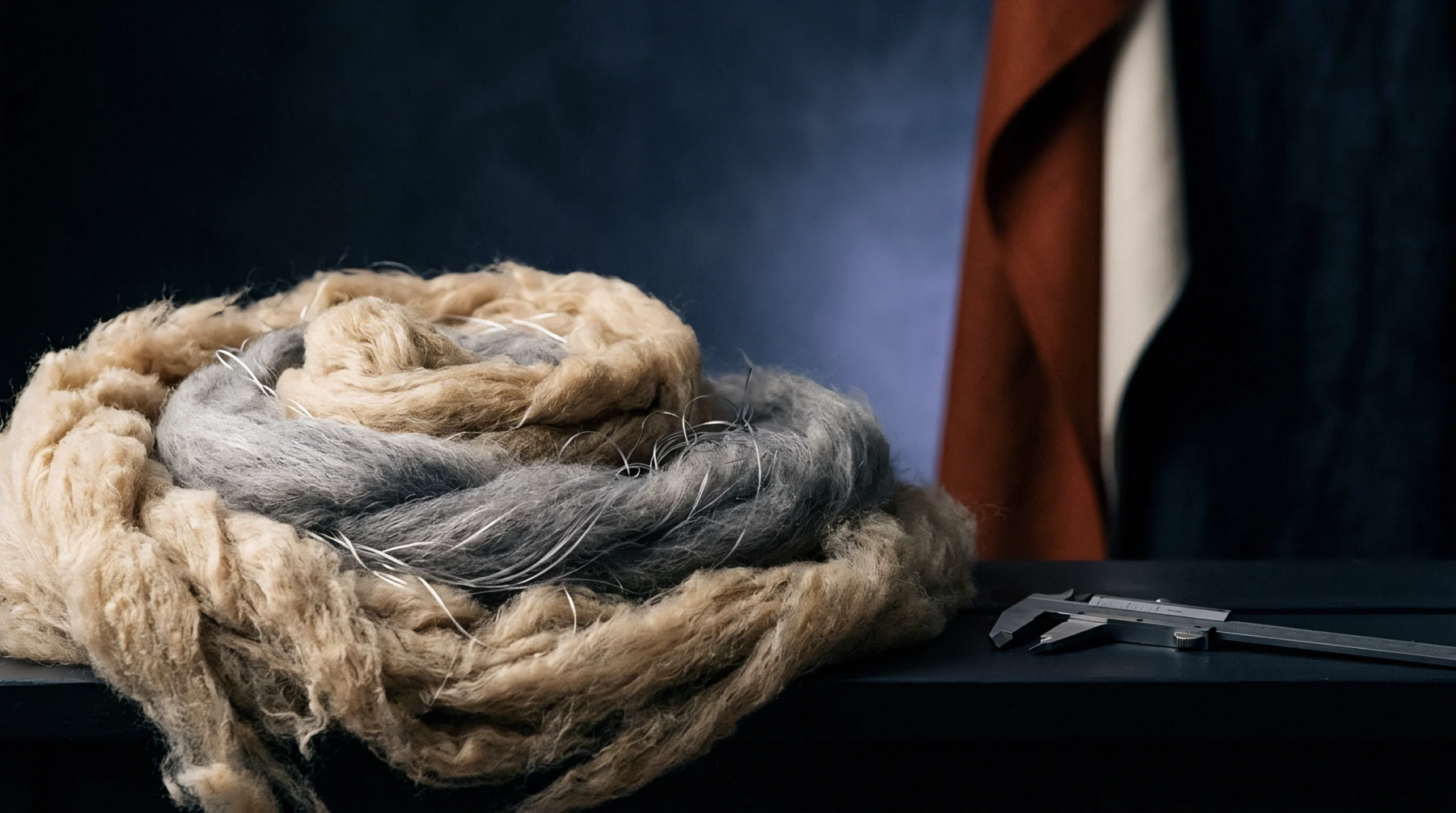
Technical Evaluation of Split Dyeing Operations across Aged Fabrics
Split dyeing aged greige requires pre-bleaching and low-tension wet processing to offset oxidation, equalizing dye uptake while preserving tensile strength.
Physical movement of low molecular weight polymer chains from the internal structure of synthetic fibres like polyester to the surface during high temperature aqueous processing or dyeing. These short-chain molecules, known as oligomers, are a byproduct of the polymerization process and remain trapped within the fibre until triggered by heat. During dyeing at temperatures above one hundred and thirty degrees Celsius, the polyester fibre swells, allowing the oligomers to diffuse out of the polymer matrix and into the dye bath.
Once the temperature drops, these molecules become insoluble and crystallize on the surface of the fabric or the internal parts of the machinery. This creates a fine white or grey powder that can interfere with the appearance and feel of the finished textile.
Movement of these molecules is a direct result of the energy applied during the dyeing cycle and the duration of the high-heat phase. The cyclic trimer is the most common form of oligomer found in polyester, and its small size allows it to move relatively freely when the polymer chains are agitated by heat. If the cooling rate at the end of the dyeing process is too slow, the oligomers have more time to deposit on the fibre surface in the form of large, visible crystals.
This migration is particularly problematic in package dyeing of yarn, where the tight winding can act as a filter, trapping the particles and causing uneven coloration. Rapid drainage of the dye liquor at high temperatures is one method used to remove the suspended oligomers before they can settle.
Accumulation of these crystalline deposits inside the dyeing machine can lead to significant mechanical and quality issues over time. The powder builds up on heat exchangers, pumps, and the interior walls of the vessel, reducing the efficiency of the equipment and creating a source of contamination for future batches. If these particles are not regularly removed through specialized cleaning cycles, they can break loose and settle on the fabric, causing dark spots or unlevel dyeing.
In the spinning and weaving stages, oligomer migration can lead to increased friction and yarn breakage as the particles clog the needles and guides. Finishing plants must use specialized oligomer dispersants in the dye bath to keep the molecules in suspension and prevent them from forming large aggregates.
Presence of oligomer dust on the surface of finished garments is a major quality failure that can lead to customer rejections. These particles can cause a harsh hand feel and may reduce the brilliance of the dyed shade, making colors look dull or frosted. When the fabric is subjected to subsequent processes like heat setting or ironing, the oligomers can melt and then re-solidify, creating permanent marks.
In sewing rooms, the dust can accumulate on the needles, causing skipped stitches or thread breakage. Manufacturers often include a hot alkaline reduction clear stage after dyeing to strip these residues from the fibre surface. Testing for the presence of surface oligomers is a standard part of the quality assurance protocol for high-performance polyester fabrics.
Split dyeing aged greige requires pre-bleaching and low-tension wet processing to offset oxidation, equalizing dye uptake while preserving tensile strength.
Expertise is a utility, not a secret. sentiention™ publishes its working knowledge as open reference: intelligence layer covering the materials it sources, the markets it enters, and the reference that serves both.