Non Fluorinated Durable Water Repellent Wet Processing Specifications
Non-fluorinated DWR wet processing requires bath pH 4.0-5.5, WPU control, and core cure temperatures of 150-170°C with crosslinkers to pass 10 ppm fluorine limits.
Formulation
Non-fluorinated durable water repellent chemistry relies on hydrocarbon, silicone, or dendrimer hydrophobic chains rather than fluorocarbon polymers. Eliminating per- and polyfluoroalkyl substances eliminates oil repellency entirely, shifting wet processing focus toward physical water repellency, film formation, and laundering resistance. Finishing liquor recipes combine active emulsions, crosslinking agents, wet-penetrating auxiliaries, and acidifying agents to secure adhesion on synthetic or natural fibers.
Active active compounds in fluorine-free finishes fall into four primary chemical classes: paraffin wax emulsions modified with metal salts, polydimethylsiloxane polymers, hyperbranched dendrimers with hydrophobic terminal alkyl chains, and reactive alkylated polyacrylates or polyurethanes. Paraffin-zirconium systems achieve initial spray ratings of 100 on polyester, yet lose water barrier properties after five laundering cycles without crosslinkers. Polydimethylsiloxane finishes impart a soft hand feel and good water repellency, but suffer from poor oil resistance and seam slippage on light synthetics.
Hyperbranched dendrimers construct star-shaped molecular structures that optimize surface coverage at low chemical add-on rates.
Hydrophobic Auxiliaries and Application Parameters
Liquor bath preparation demands exact chemical sequence to avoid emulsion collapse or premature precipitation. Acidification precedes emulsified repellent addition, holding bath pH strictly between 4.0 and 5.5. Alkali carryover from preceding Scouring or Mercerizing operations degrades non-fluorinated emulsions within sixty minutes of continuous running.
Temperature control maintains bath fluid below 30 degrees Celsius, preventing thermal coalescence of active droplets before mechanical application.
Fluorine-free repellent liquors lose structural stability when bath temperatures exceed 32 degrees Celsius during high-speed foulard delivery.
Crosslinking agents elevate wash durability from temporary water resistance to commercial durability thresholds. Blocked polyisocyanates react with functional hydroxyl or amino groups on the fiber surface during high-temperature baking, locking the hydrophobic alkyl tails into an insoluble matrix. Carbodiimide crosslinkers offer lower activation temperatures, suited for heat-sensitive elastomeric blends.
Melamine-formaldehyde derivatives provide economical crosslinking, but risk releasing free formaldehyde above regulatory limits defined by OEKO-TEX Standard 100 Class I threshold of 16 parts per million.
| Chemical Base | Active Concentration (g/L) | Bath pH Range | Initial Spray Rating (ISO 4920) | Durability at 20 Washes (ISO 6330) |
|---|---|---|---|---|
| Modified Paraffin/Zirconium Wax | 40 – 60 | 4.2 – 4.8 | 100 | 70 – 80 |
| Polydimethylsiloxane (PDMS) | 30 – 50 | 4.5 – 5.5 | 90 – 100 | 80 |
| Hyperbranched Dendrimer Alkyl | 20 – 40 | 4.0 – 5.0 | 100 | 90 |
| Reactive Alkylated Polyacrylate | 35 – 55 | 4.5 – 5.2 | 100 | 85 – 90 |
Auxiliary suppliers often claim that non-fluorinated formulations drop directly into existing pad-dry-cure ranges without mechanical or thermal modifications. Chemical representatives frequently state that liquor stability issues stem entirely from poor mill water filtration rather than emulsion sensitivity. Such statements overlook the narrow thermal and shear stability windows characteristic of non-fluorinated emulsified polymers.
Padding
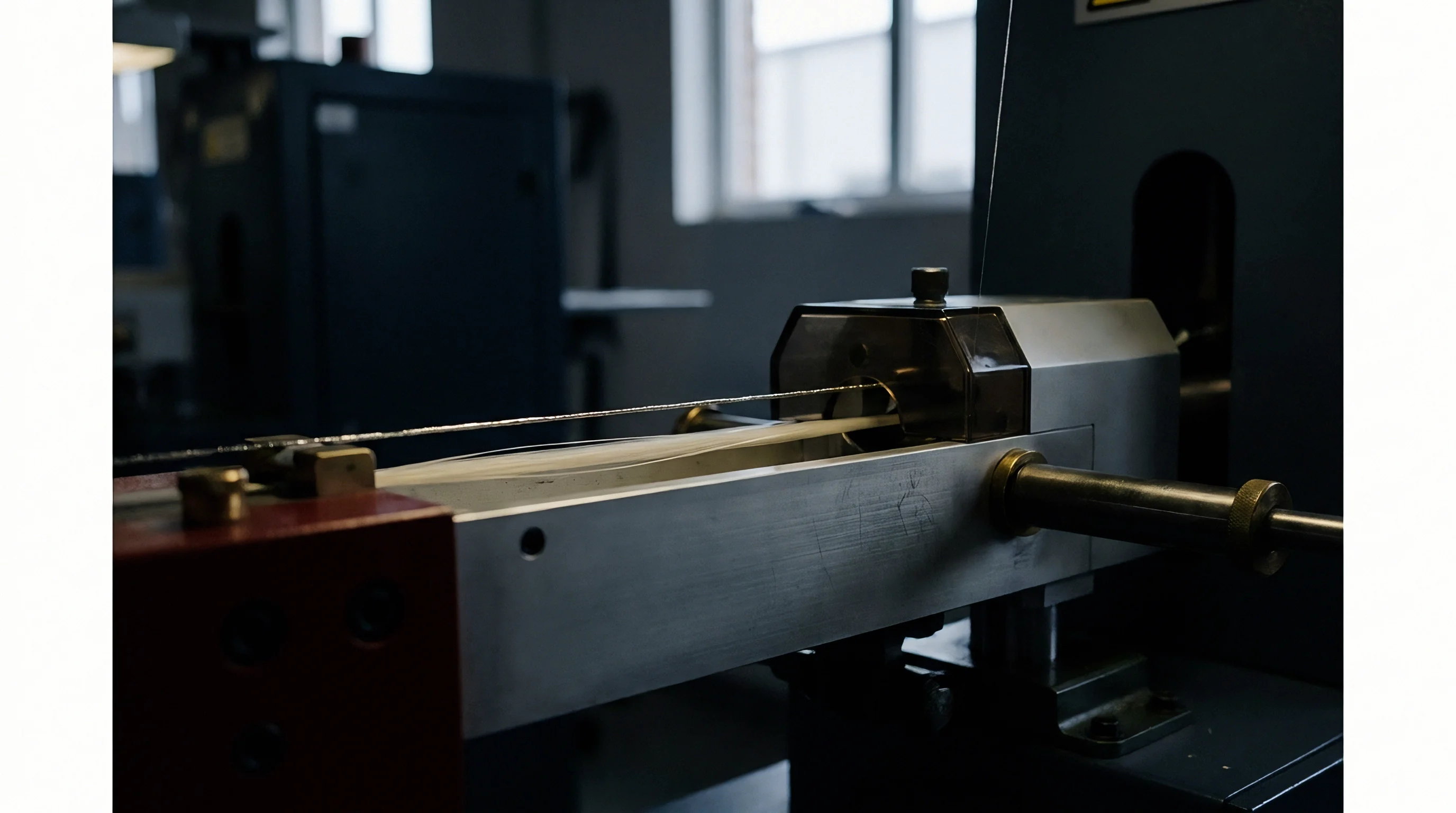
Uniform liquor application determines final spray performance and color stability across fabric rolls. Foulard nip pressure, roll hardness, and wet pick-up percentages require tight calibration based on fiber composition, yarn density, and fabric construction.
High wet pick-up rates cause active chemical migration toward fabric surfaces during initial drying, leaving the core under-treated and generating shade variations. Low pick-up yields inadequate chemical add-on, deteriorating spray ratings below commercial thresholds.
- Verify raw fabric absorbency by measuring drop absorption time, requiring values under three seconds across the left, center, and right side of the web.
- Adjust foulard bowl pressure between two and four bar to establish targeted wet pick-up rates of 50 to 65 percent on synthetic fabrics or 65 to 75 percent on cellulosics.
- Monitor liquor trough level continuously, maintaining low immersion volumes to enforce complete bath replacement within fifteen minutes.
- Maintain squeeze roller hardness between 60 and 70 Shore A to prevent uneven liquor distribution across heavy seams or selvages.
Uniform liquor squeeze across the foulard rolls eliminates edge-to-center spray performance variations on high-density nylon fabrics.
Padding performance relies on continuous wet pick-up verification across running production lots. Dense woven structures require wetting agents that reduce surface tension without compromising hydrophobic performance post-curing.

Cure
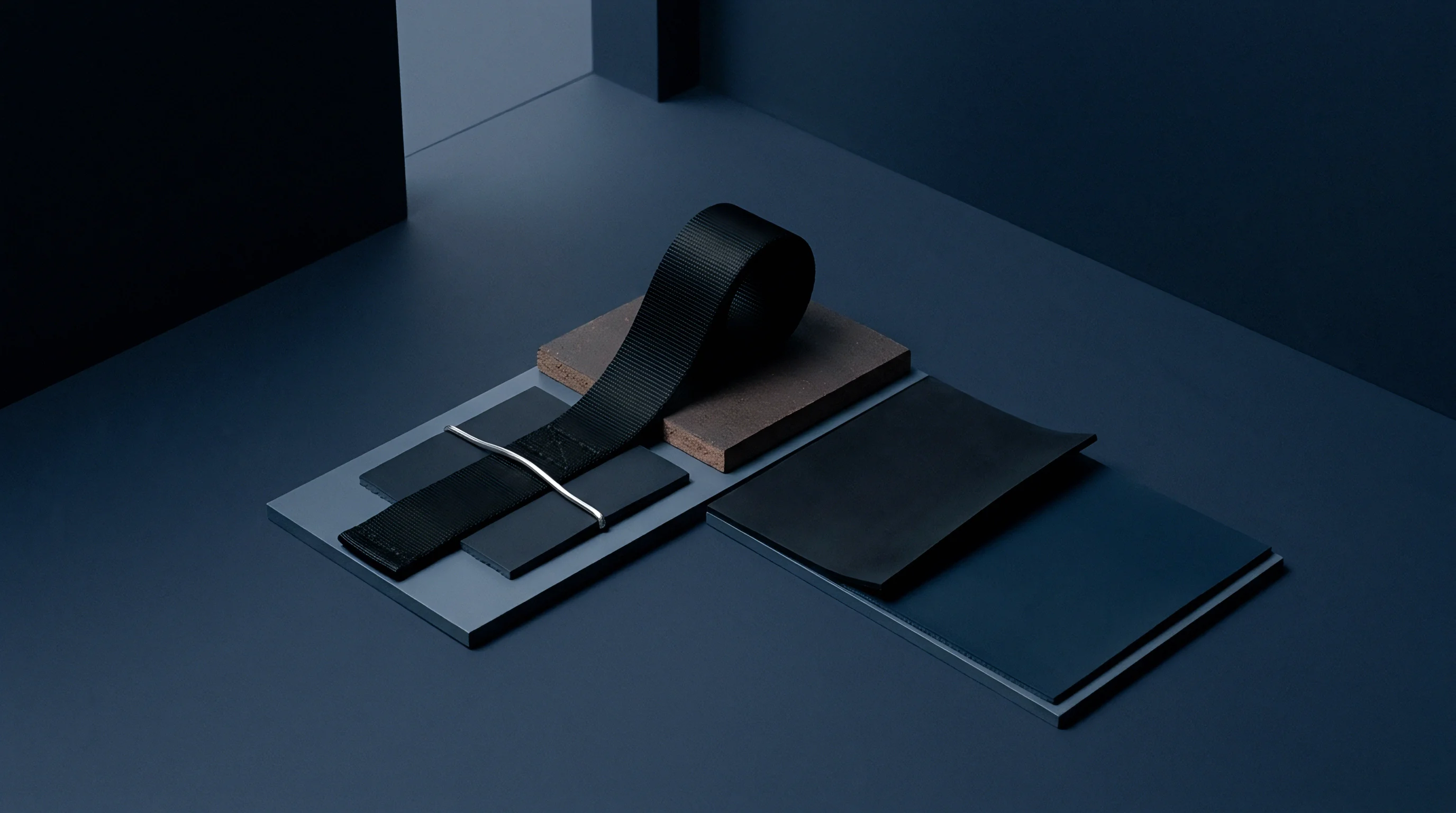
Thermal condensation transforms applied liquid emulsions into durable hydrophobic films across fiber surfaces. Curing conditions demand precise balancing of air temperature, fabric temperature, moisture evaporation, and dwell time inside the stenter chamber.
Non-fluorinated polymers require specific energy input to uncoil alkyl chains and drive crosslinking reactions. Under-curing leaves chemical films soluble, leading to rapid performance loss during laundering. Over-curing degrades underlying fibers, turns white fabrics yellow, and burns off active silicone or wax components.
Thermal Condensation Kinetics
Evaporation of water precedes film formation. Stenter chamber zones operate in distinct thermal tiers: drying occurs at 110 to 130 degrees Celsius across initial chambers, followed by active curing at 150 to 170 degrees Celsius in final chambers. Dwell time during the active curing phase spans 60 to 120 seconds depending on fabric weight and density.
Polyisocyanate crosslinkers mandate minimum fabric core temperatures of 150 degrees Celsius for 90 seconds. Carbodiimide systems initiate crosslinking at 140 degrees Celsius, enabling energy savings or protection of heat-sensitive spandex content. Thermocouple strip measurements attached directly to running fabric webs confirm true internal temperature, contrasting with ambient air sensor displays inside stenter control rooms.
| Fabric Base | Weight (g/m²) | Crosslinker Type | Stenter Temp (°C) | Dwell Time (s) | Spray Rating Initial / 30 Washes |
|---|---|---|---|---|---|
| 100% Nylon 6,6 Taffeta | 70 | Blocked Polyisocyanate | 165 | 75 | 100 / 90 |
| 100% Polyester Ripstop | 110 | Polycarbodiimide | 155 | 90 | |
| 98% Cotton / 2% Elastane Twill | 240 | Melamine Derivative | 150 | 120 | 100 / 80 |
| 100% Recycled Polyester Canvas | 320 | Blocked Polyisocyanate | 170 | 100 | 100 / 90 |
Durability issues arise when crosslinking chemistry fails to bond with synthetic substrates. Hydrophobic performance drops sharply when curing chambers run below prescribed reaction thresholds.
Consider a wet processing batch of 100% recycled polyester woven fabric with a mass per unit area of 150 grams per square meter, processed at a stenter line speed of 30 meters per minute through a five-chamber dryer totaling 15 meters in length. Total dwell time inside the unit equals 30 seconds. The target formulation specifies a hyperbranched dendrimer at 40 grams per liter combined with a blocked polyisocyanate crosslinker at 10 grams per liter, requiring 90 seconds at a fabric core temperature of 160 degrees Celsius.
At 30 meters per minute, fabric remains inside the unit for only 30 seconds. Moisture evaporation consumes the first two chambers, leaving three chambers or 9 meters for thermal transition and cure. Active dwelling at target temperature lasts less than 18 seconds.
Initial spray testing yields a rating of 100 according to ISO 4920. Following five home laundering cycles at 40 degrees Celsius under ISO 6330 procedure 4M, the spray rating collapses to 50 due to incomplete crosslinking of the hydrophobic matrix.
Correcting line speed to 10 meters per minute extends total chamber dwell time to 90 seconds. Thermal profiling using calibrated test strips confirms the fabric web achieves 160 degrees Celsius across the final three chambers for 54 seconds. Retesting after 30 home laundering cycles yields a spray rating of 90, satisfying brand performance durability specifications.
Crosslinking Mechanisms and Resin Systems
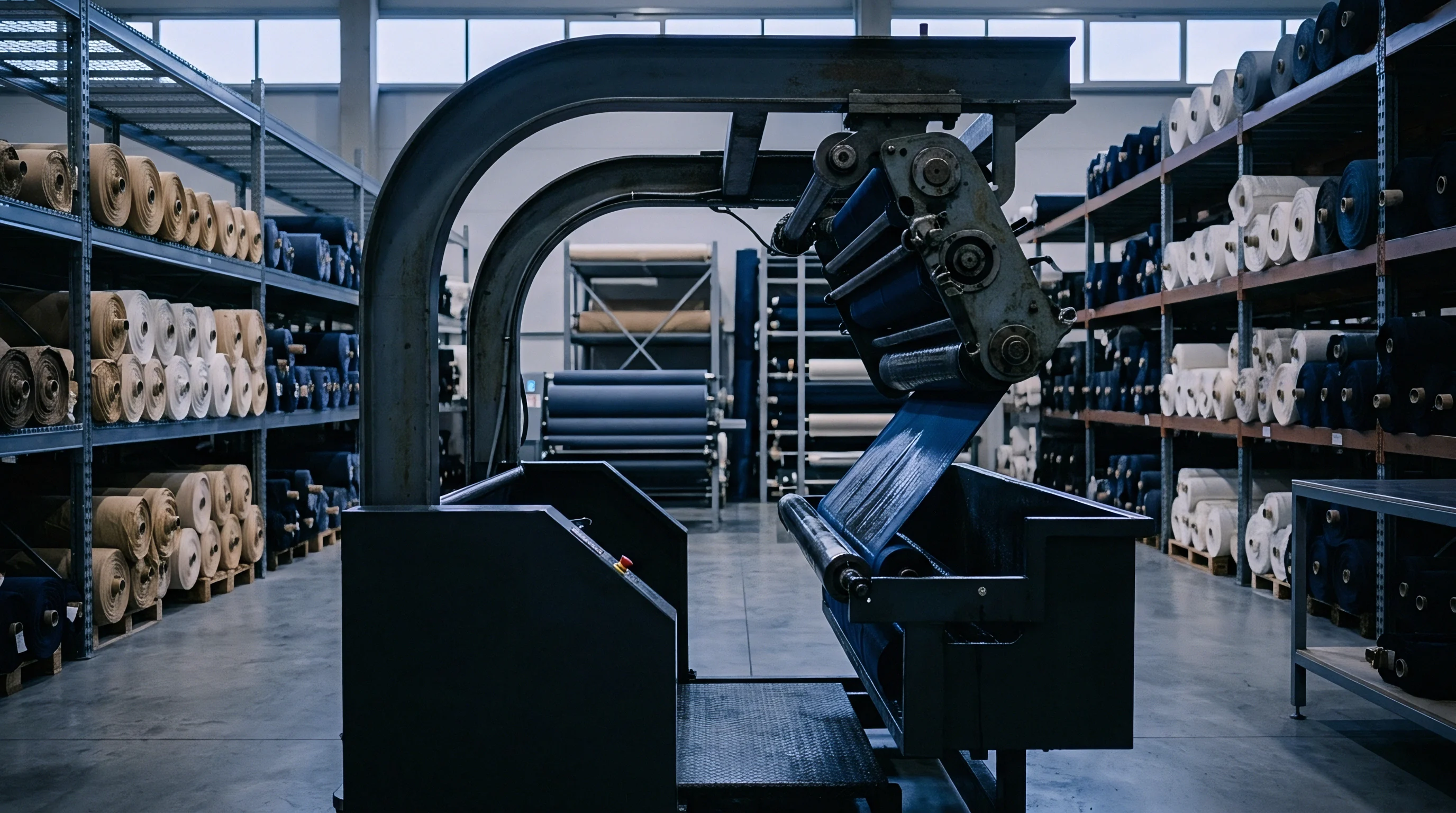
Chemical linkages dictate physical resistance against agitation, detergents, and alkaline wash liquors. Synthetic fibers lack natural hydroxyl sites, depending entirely on self-crosslinking networks formed by multi-functional monomers.
- Blocked Polyisocyanates uncap at temperatures above 140 degrees Celsius, forming urethane and urea bonds that resist hydrolysis during repeated laundering cycles.
- Polycarbodiimide Resins react with carboxylic acid group ends on polyester molecules, establishing covalent linkages without releasing volatile organic compound byproducts.
- Melamine Derivatives form dense thermosetting networks across fiber surfaces, increasing fabric stiffness while providing mechanical anchor points for hydrophobic alkyl tails.
- Aziridine Crosslinkers offer high reactivity at lower temperatures, but trigger severe regulatory exposure due to mutagenic toxicity profiles and strict REACH Annex XVII restrictions.
Crosslinking reactions require fabric core temperatures to match laboratory target values for at least 45 continuous seconds inside the curing chamber.
Setting stenter temperatures below crosslinker activation thresholds leaves chemical films unbonded, resulting in complete failure during customer laundering and costly brand recall claims.
Assurance
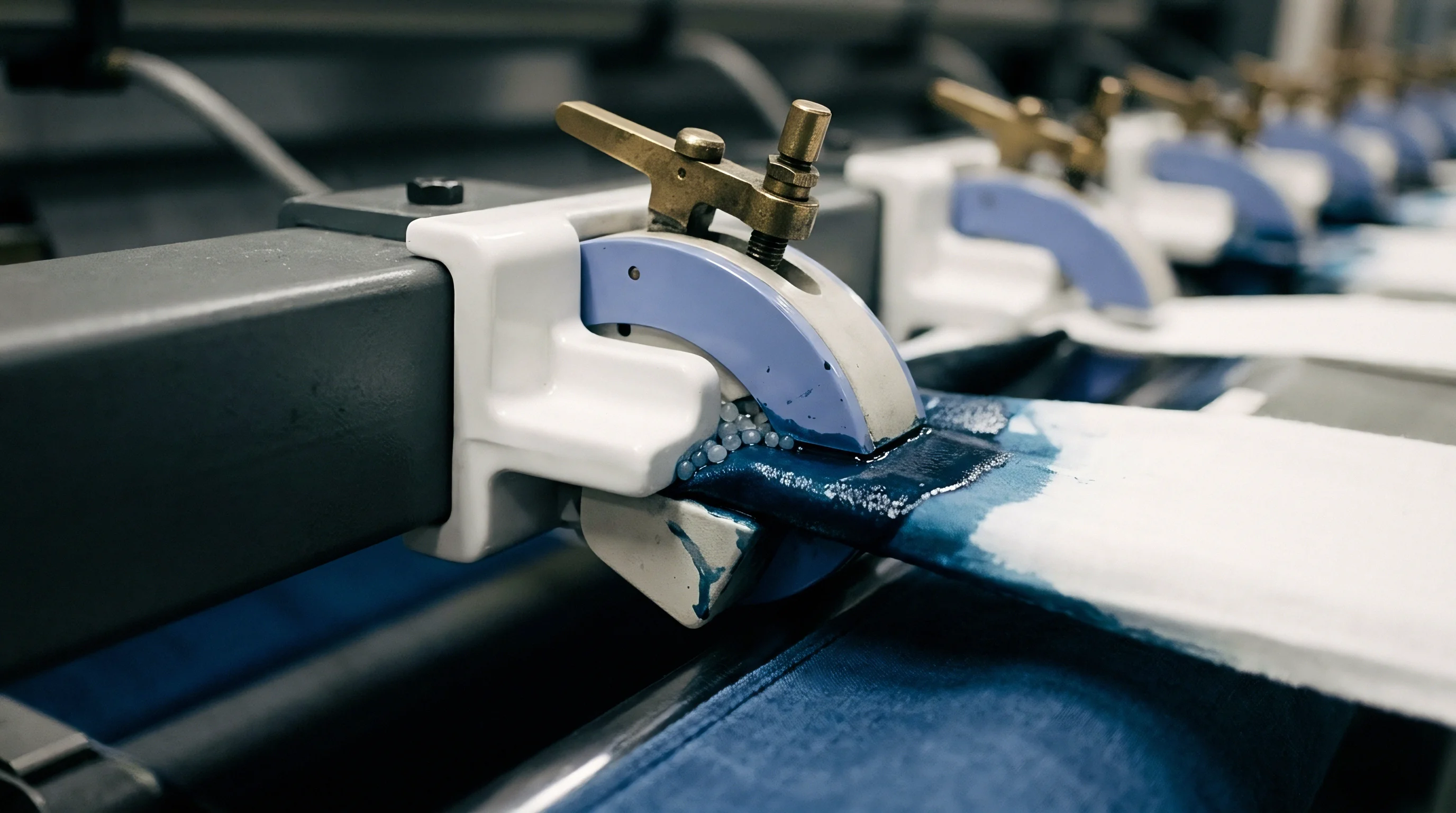
Regulatory frameworks and brand compliance standards mandate strict verification of total fluorine content to substantiate non-fluorinated claims. Wet processing mills face significant contamination risks from residual per- and polyfluoroalkyl substances present in chemical delivery lines, shared pad troughs, or recycled fiber feedstocks.
OEKO-TEX Standard 100 Annex 6 imposes a Total Fluorine (TF) limit of 10 parts per million for articles claiming fluorine-free water repellency. The Global Organic Textile Standard (GOTS) version 7.0 prohibits all fluorinated inputs entirely, enforcing a detection threshold of 10 parts per million TF measured via Combustion Ion Chromatography under EN 14582. Chemical raw materials must comply with ZDHC Manufacturing Restricted Substances List (MRSL) v3.1 Level 3 certification, capping fluorine content in liquid formulations at 100 parts per million TF.

Analytical Testing Protocols and Contamination Hazards
Combustion Ion Chromatography serves as the definitive analytical method for total fluorine screening. The process combusts textile swatches at temperatures exceeding 1,000 degrees Celsius in an oxygen atmosphere, absorbing liberated hydrogen fluoride gas into an aqueous solution for chromatographic quantification.
Non-fluorinated wet processing facilities encounter cross-contamination through multiple unsuspected operational vectors. Fluorinated silicone defoamers utilized in preceding dye baths introduce trace fluoropolymers into finishing troughs. Machinery shared between fluorinated stain-resistant processing and non-fluorinated DWR production transfers micro-gram quantities of PFOA or PFHxS homologues unless rigorous caustic boil-out protocols clean the padding bowls, feed pipes, and stenter clips.
| Standard / Regulation | Scope / Application | Analytical Method | Threshold Limit (TF) | Action Upon Non-Compliance |
|---|---|---|---|---|
| OEKO-TEX Standard 100 Annex 6 | Finished Textile Product Class I-IV | EN 14582 / EN ISO 23703 | < 10 ppm Total Fluorine | Certificate revocation and re-testing |
| GOTS Version 7.0 | Organic Certified Textile Articles | EN 14582 Combustion Ion Chromatography | < 10 ppm Total Fluorine | Transaction certificate denial |
| ZDHC MRSL Version 3.1 | Raw Chemical Formulations | ASTM D7359 / EN 14582 | < 100 ppm Total Fluorine | Formulation removal from Gateway |
| California AB 1817 | Textile Articles Sold in California | Total Organic Fluorine (TOF) / CIC | < 50 ppm (2025) / < 20 ppm (2027) | Sales ban and commercial penalty |
Compliance verification relies on clear documentation mapping raw chemical lots to finished fabric batches. Mill QA managers follow structured audit steps to confirm chemical purity prior to padding operations.
- Safety Data Sheet Screening checks Section 3 and Section 15 for CAS number disclosures, verifying absence of perfluoroalkyl side-chain substances or fluorinated surfactants.
- Batch Certificate Review demands lot-specific analytical test reports from ISO 17025 accredited laboratories confirming Total Fluorine levels below 10 parts per million.
- Trough Water Blank Testing collects water samples from the foulard liquor box prior to chemical mixing, verifying background fluorine levels remain under 1 part per million.
- Chain of Custody Tracking links chemical drum batch numbers directly to fabric roll production logs and final packing list manifests.
Section 3 of the chemical safety data sheet must list all active ingredient CAS numbers to verify complete absence of fluorinated functional groups.
Standard purchase order compliance clauses require suppliers to guarantee total organic fluorine levels below 50 parts per million under California Assembly Bill 1817, shifting legal liability and testing costs directly to the wet processing mill upon failure.
Friction
Transitioning from fluorinated chemistry to non-fluorinated wet processing introduces physical and commercial challenges across mill operations. Fluorine-free finishes alter fabric hand feel, reduce tear strength, cause needle chewing during garment sewing, and generate shade changes on dyed synthetics.
Polydimethylsiloxane and paraffin wax finishes act as fiber lubricants, reducing yarn-to-yarn friction inside high-density wovens. Lower internal friction allows yarns to slide freely under mechanical stress, decreasing fabric seam slippage resistance under ISO 13936 testing. Hyperbranched dendrimers and reactive polyacrylates increase surface friction, causing sewing needles to heat up during high-speed garment manufacturing.
Needle temperatures exceeding 200 degrees Celsius melt synthetic yarns, creating visible holes along stitch lines.
Commercial Impact and Processing Compromises
Color change represents a frequent rejection point for fluorine-free DWR finishes. Emulsified hydrophobic polymers alter the refractive index of treated fabric surfaces, causing dark shades like black, navy, and forest green to appear lighter or duller. Wet processing mills address shade shifting by adjusting dye liquor recipes beforehand or adding specialized color-deepening cationic auxiliaries to the finishing bath.
Chemical cost comparisons highlight substantial differences between legacy C6 fluorocarbons and modern C0 alternatives. Non-fluorinated chemical formulations generally cost 15 to 30 percent less per kilogram than C6 fluorocarbon emulsions. Higher chemical add-on rates and compulsory crosslinker additions erode initial price advantages, resulting in comparable or higher wet processing costs per meter of finished fabric.
A critical operational question remains: how can wet processing mills achieve consistent wash durability beyond fifty laundering cycles on recycled synthetic substrates without triggering harsh fabric hand feel or sewing needle heat damage?