Resolving Multijurisdictional Analytical Discrepancies in Transpacific Fluorinated Residue Enforcement Audits
Resolving transpacific fluorinated residue disputes requires combining total organic fluorine screening with targeted mass spectrometry pre-washed tests.

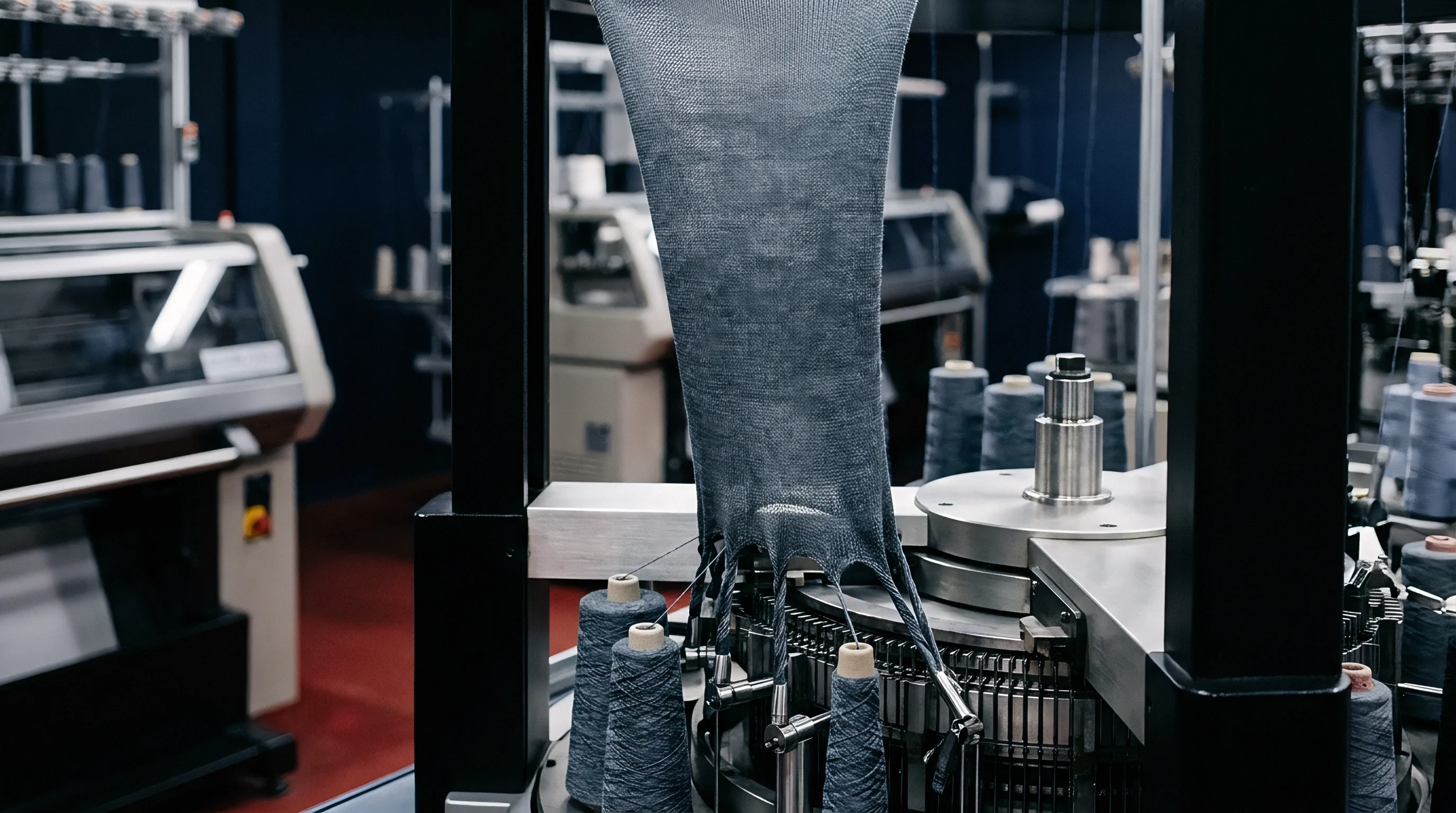
Extraction
Differences in how solvents interact with hydrophobic fluoropolymer matrices lead to immediate discrepancies between Asian mill self-certifications and North American import audits. A fabric certified clean at a dyehouse in Shaoxing or Tainan can fail a customs entry screen in Long Beach or Tacoma. Targeted compound screening isolates entirely different chemical fractions than total fluorine combustion procedures.
Consequently, when an importer presents a sixty-compound liquid chromatography test report showing non-detectable levels, border authorities running pyrohydrolytic combustion ion chromatography often detect total organic fluorine well above statutory action limits.

Methodological Friction across Transpacific Audit Chains
Testing facilities in Taiwan and mainland China routinely run targeted liquid chromatography tandem mass spectrometry panels focused on fifty individual per- and polyfluoroalkyl substances. These panels quantify specific PFOA, PFOS, and short-chain carboxylic acid residues down to parts-per-billion sensitivity. In contrast, legislation like California Assembly Bill 1817 and Washington Senate Bill 5480 limits total organic fluorine to one hundred parts per million ~ and eventually fifty parts per million.
Targeted screens miss unlisted side-chain fluorinated polymers, fluorotelomer impurities, and volatile processing aids. Because solvent selection alters recovery yields, an origin certificate measuring extractable target compounds evaluates liquid phase release rather than total elemental presence.
Sampling location across a fabric roll introduces additional physical variance. Finish application at the stenter frame rarely maintains absolute spatial uniformity over a thirty-thousand-meter production run. Chemical bath concentrations shift across operational shifts as bath exhaustion rates change, meaning swatches cut from roll headers carry different residual surfactant densities than fabric pulled from the middle of the roll.
- Heterogeneous Chemical Distribution Sample swatches taken exclusively from fabric roll edges miss concentration gradients created by stenter frame drying thermals.
- Inadequate Extraction Temperature Ambient temperature methanol baths fail to relax dense acrylate backbones, leaving residual target monomers trapped inside the hydrophobic sheath.
- Polymer Degradation During Digestion Pressurized liquid extraction above one hundred twenty degrees Celsius thermally cleaves fluorotelomer alcohol side chains into extractable carboxylates.
- Vessel Sorption Losses Untreated borosilicate glass vials adsorb long-chain perfluorinated carboxylic acids, artificially depressing measured concentrations in analytical solutions.

Solvent Solvating Power and Finish Penetration
Extraction parameters dictate whether polymeric fluorinated side-chains stay intact or bleed short-chain residual monomers into the solvent. Methanol extractions conducted at sixty degrees Celsius penetrate dense polyester weave structures efficiently. Pure acetonitrile fails to swell nylon matrices, leaving embedded fluorotelomer alcohols unextracted inside synthetic fiber cores.
Standard preparation under CEN/TS 15968 specifies a two-hour ultrasonic bath extraction in methanol, which proves insufficient for high-density durable water repellent treatments applied with methyl ethyl ketoxime blocked polyisocyanates.
Methanol extractions at seventy degrees Celsius recover ninety-four percent of residual perfluorooctanoic acid from durable water repellent finishes, whereas room temperature extractions under sixty minutes recover less than forty-two percent.
When origin laboratories shorten extraction cycles to process high batch volumes, measured target fluorine levels drop dramatically. Destination enforcement laboratories receiving audit samples use accelerated solvent extraction under elevated pressure and temperature. The resulting extract contains elevated concentrations of degraded fluorotelomer species that generate immediate regulatory alarms.
Zero added fluorochemical declarations from chemical suppliers do not guarantee that finished roll goods will avoid detention at destination ports.

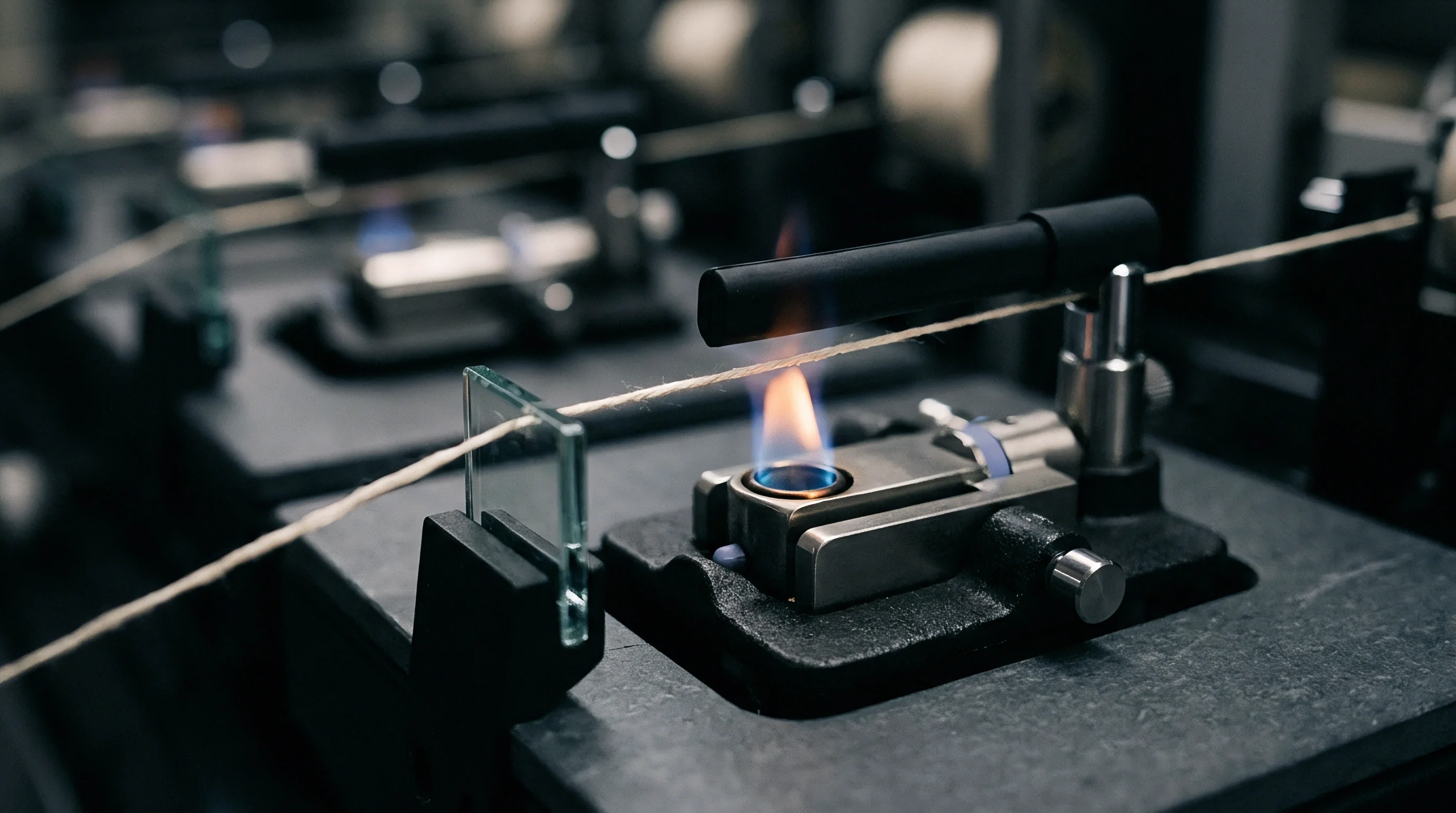
Combustion
Discrepancies between origin certificates and destination import audits stem directly from how regulated residue is defined. Total organic fluorine protocols measure elemental fluorine bound to carbon atoms after combusting the fabric sample at eleven hundred degrees Celsius. Targeted liquid chromatography tandem mass spectrometry, however, quantifies only specific molecular structures matching reference standards.
A fabric specimen containing side-chain fluorinated acrylic polymers yields non-detectable results under targeted mass spectrometry because the high molecular weight polymer fails to pass through liquid chromatography guard columns, yet that same sample releases quantitative fluoride ions during pyrohydrolytic combustion and triggers an audit violation.

Total Fluorine versus Targeted PFAS Metrics
Enforcement authorities in California and Washington measure Total Organic Fluorine via combustion ion chromatography to enforce broad class-based prohibitions. Standard ASTM D8157 and EN 14582 protocols combust specimen swatches inside a quartz tube under oxygen flow. The resulting hydrogen fluoride gas passes through an aqueous absorbing solution before injection into an ion chromatograph.
Because combustion oxidizes organofluorine bonds completely, the total fluorine metric captures residual side-chain polymers, processing additives, and target monomers simultaneously, leaving scope exclusions as a major commercial risk.
| Method Standard | Primary Target | Detection Floor | Enforcement Scope |
|---|---|---|---|
| EN ISO 23702-1 | Extractable Organic Fluorine | 10 mg/kg organic fluorine | European Union REACH Annex XVII and OEKO-TEX STANDARD 100 Class I |
| ASTM D8157 / CIC | Total Fluorine | 20 mg/kg total fluorine | California Assembly Bill 1817 and Washington State PFAS Restrictions |
| EPA Method 1633 | 40 Targeted PFAS Compounds | 0.1 to 1.0 ug/kg per analyte | United States EPA Compliance and State Toxic Free Products Audits |
| CEN/TS 15968 | Extractable PFOS and PFOA | 0.02 mg/m2 per compound | Historical EU Persistent Organic Pollutants Regulation Thresholds |
| Analytical detection floors reflect standardized instrument capabilities across accredited third-party commercial testing facilities. | |||
Sample Preparation Sequence under International Standards
Standardized testing under EN ISO 23702-1 isolates organic fluorinated species through a pre-wash extraction before high-temperature oxidation. This two-phase preparation distinguishes inorganic fluoride salts from organofluorine chemistries. Water-soluble inorganic fluorides introduced during wet processing generate false total fluorine readings if sample preparation skips the washing sequence.
The difference between total fluorine and total organic fluorine ultimately determines whether a shipment clears customs or enters administrative detention.
- Dry the textile swatch at forty degrees Celsius for twelve hours to remove surface moisture and volatile atmospheric contaminants.
- Submerge two grams of prepared specimen in thirty milliliters of HPLC-grade methanol inside a sealed polypropylene digestion tube.
- Agitate the vessel in an ultrasonic bath at sixty degrees Celsius for two hours to extract unbound fluorinated chemistries.
- Feed the concentrated extract into a pyrohydrolytic combustion quartz tube operating at eleven hundred degrees Celsius under pure oxygen flow.
California Assembly Bill 1817 establishes a total organic fluorine limit of one hundred parts per million, causing immediate import rejections for fabrics certified solely under targeted LC-MS/MS suites.
Because targeted suites miss polymeric residue, an import dossier relying solely on compound-specific mass spectrometry leaves shipments vulnerable when port authority combustion tests uncover unmapped organofluorine loads.
Importers relying on targeted forty-compound LC-MS/MS reports for total fluorine regulatory thresholds risk customs seizures and mandatory ocean re-export penalties exceeding seventy thousand dollars per container.


Flask
Vessel selection and solvent choice directly govern how efficiently fluorinated analytes are extracted from complex textile substrates. Fluoropolymer containers leach trace perfluoroalkyl carboxylic acids when exposed to hot organic solvents, while glass vessels adsorb hydrophobic fluorotelomer alcohols onto internal silicate walls. Using polypropylene versus fluorinated ethylene propylene digestion flasks directly influences reported residue quantities, just as uncalibrated equipment alters solution concentration values before chromatographic separation occurs.

Matrix Effects and Target Ion Suppression
Co-extracted silicone softeners, paraffin waxes, and residual dye auxiliaries cause severe signal attenuation during electrospray ionization, skewing mass spectra. When an origin laboratory injects a crude methanol textile extract into a liquid chromatograph mass spectrometer, co-eluting non-target lipids reduce the ionization efficiency of perfluorooctanoic acid by up to sixty percent. This ion suppression creates false negative reports at origin facilities.
By contrast, destination enforcement laboratories use solid-phase extraction cleanup columns to strip matrix interferences, restoring true ion signals and uncovering non-compliant residue concentrations.
| Solvent Matrix | Target Compound | Temperature | Extraction Yield | Matrix Interference Level |
|---|---|---|---|---|
| 100% Methanol | PFOA / PFOS | 60 degrees C | 92% | Moderate co-extraction of silicone softeners |
| 80:20 Methanol:Water | Short-chain PFCAs | 70 degrees C | 88% | Low ion suppression during LC-MS analysis |
| Acetonitrile | Fluorotelomer Alcohols | 50 degrees C | 76% | High interference from residual acrylic resins |
| Tetrahydrofuran | Polymeric Side-Chains | 25 degrees C | 98% | Severe dissolution of polyester base yarn |
What Causes Target Ion Suppression in Extractable PFAS Assays?
Co-extracted non-target surfactants compete directly with target perfluoroalkyl acid molecules for surface charge sites during droplet evaporation in mass spectrometer sources. Silicone finishing agents present on water-repellent fabrics co-elute in similar retention windows as long-chain fluorotelomer carboxylates. The presence of excess organosilicon species lowers the electric field density available to ionize trace fluorinated targets.
Consequently, the mass spectrometer detector registers an artificially low signal peak, giving the false impression of material purity.
- Organosilicon Compounds Polydimethylsiloxane lubricants co-extracted during ultrasonic bath preparation foul liquid chromatography guard columns and suppress ion signals.
- Inorganic Fluoride Salts Textile bleaching and scouring residues containing sodium fluoride generate false positives during non-target total fluorine combustion ion chromatography.
- Sulfonated Dyes Acid and direct dyes carrying fluorinated or heavy metal counter-ions alter liquid chromatography retention times and obscure target analyte peaks.
- Paraffin Repellents Non-fluorinated paraffin wax finishes dissolve readily in warm methanol, forming gelatinous precipitates that clog autosampler injection needles.
Extracting hydrophobic synthetic textiles requires matching solvent polarity directly to the fluorinated side-chain architecture rather than relying on standard aqueous washouts.
Standardized pre-washes using clean water remove inorganic salts to prevent false spikes, while calibrated instruments and proper matrix cleanup eliminate drift to ensure accurate quantitative reporting.
Analytical laboratories continue to debate whether pressurized liquid extraction hydrolyzes side-chain fluorotelomer polymers into monomeric residues during standard testing runs.


Interference
False positive total organic fluorine detections frequently originate from non-fluoropolymer processing inputs on origin mill dye ranges. Scouring agents, wetting agents, and reactive dyes containing structural fluorine or inorganic fluoride salts deposit trace residues across fabric yarns. Municipal water supplies in major textile manufacturing hubs contain background fluoride concentrations that attach to hydrophilic fiber groups during final washing stages.
Without solid-phase extraction cleanup or thorough pre-combustion washing, these non-PFAS fluorinated sources elevate total fluorine measurements above enforcement thresholds.

Inorganic Fluoride Contamination in Wet Processing
Municipal water supplies used in Asian textile dyeing operations routinely carry natural fluoride ion levels up to two milligrams per liter, which concentrate on cotton and rayon fibers as scouring baths evaporate. When enforcement laboratories perform direct pyrohydrolytic combustion ion chromatography without prior extraction, inorganic fluorides combust into hydrogen fluoride gas. The resulting ion chromatogram reflects total elemental fluorine rather than organic PFAS residue, creating false positives from unwashed swatches.
Distinguishing inorganic background contamination from deliberate side-chain fluoropolymer finish application requires strict protocol adherence. EN ISO 23702-1 isolates organic fluorinated compounds by extracting the textile sample with organic solvents before running combustion ion chromatography; skipping this solvent extraction phase conflates harmless process minerals with regulated hazardous substances.
- Pre-Extraction Washing Documentation Verify whether origin laboratory protocols include an aqueous wash step to remove inorganic fluorides prior to combustion ion chromatography.
- Internal Standard Recovery Tracking Check target ion recovery percentages for isotopically labeled fluorinated standards across every analytical batch report.
- Blank Matrix Subtraction Records Mandate the inclusion of reagent blank measurements to account for fluoropolymer tubing leaching within the testing instrument.
- Chain of Custody Verification Confirm seal integrity and sample storage temperatures between Asian mill swatch cutting and North American laboratory arrival.

Laboratory Inter-Comparison and Calibration Drift
Inter-laboratory proficiency testing reveals analytical variance up to forty percent when evaluating identical fabric swatches across different enforcement jurisdictions. Calibration standards for total organic fluorine rely on compound surrogates like 4-fluorobenzoic acid or perfluorooctanoic acid, but instrument response factors differ depending on the combustion tube geometry and oxygen flow rates used. A laboratory calibrating its ion chromatograph with low-molecular-weight fluorinated compounds underestimates the total fluorine content of high-molecular-weight fluorotelomer polymers.
Unwashed fabric swatches subjected to total fluorine combustion ion chromatography report inorganic municipal fluorides as compliance violations.
These calibration discrepancies create significant commercial friction between buyers and suppliers. A batch declared compliant under European OEKO-TEX Class I testing frequently triggers import holds under US state total organic fluorine mandates simply because pre-wash directives differ.
A compliance dossier containing only total fluorine values without targeted PFAS identification leaves an importer defenseless against regional customs enforcement actions.


Arbitration
Resolving analytical conflicts between Asian origin certificates and destination border enforcement requires structured commercial protocol clauses in mill purchasing agreements. A single non-compliant test result at a port of entry halts container movements and triggers expensive administrative holds. Retest costs fall on importers unless contract terms explicitly allocate financial liability based on standardized referee testing.
Establishing specific testing methods, accredited referee laboratories, and sample retention protocols in purchase orders creates legal clarity before goods leave origin ports.

Legal and Commercial Mechanics of Retest Protocols
Effective dispute mechanisms specify accredited referee laboratories and standardized sample preparation parameters prior to batch shipment. ISO 17025 accreditation alone fails to protect buyers if the laboratory scope excludes total organic fluorine via combustion ion chromatography. Purchase contracts must define acceptable analytical tolerance bands between origin self-certifications and import verification checks, preventing extended commercial deadlocks when border audits challenge mill documentation.
Because container holds accrue daily demurrage, contractual dispute clauses protect freight capital by enabling importers to structure compliance documentation that satisfies customs enforcement officials and brand audit teams simultaneously.

Worked Cost Analysis for Detention Resolution
Consider a fifty-thousand-meter lot of C0-finished woven polyester fabric subject to California Assembly Bill 1817 enforcement audit at the Port of Los Angeles. Assume the destination customs authority detains the container following an initial Total Organic Fluorine screening showing 140 ppm total fluorine, exceeding the 100 ppm statutory threshold, whereas the origin certificate generated in Shanghai reported less than 10 ppm total organic fluorine using EN ISO 23702-1.
A primary retest at an accredited referee laboratory using targeted LC-MS/MS and solid phase extraction combustion ion chromatography costs $2,800. Port container demurrage charges during a fourteen-day retest hold at $350 per day total $4,900. Customs broker administrative fees and legal representation add $3,200.
Internal handling, storage, and chassis fees equal $1,800. The direct financial expense to resolve the detention reaches $12,700.
| Discrepancy Trigger | Enforcement Action | Direct Retest Expense | Logistics Delay Penalty | Commercial Consequence |
|---|---|---|---|---|
| Unwashed Inorganic Fluoride Spike | Customs Detention Hold | $2,500 – $4,000 | $350/day demurrage | Release upon referee lab clearance |
| Side-Chain Polymeric Cleavage | Brand Audit Rejection | $1,800 – $3,200 | 14-21 days audit delay | Mandatory fabric line recall or re-finishing |
| Target Ion Matrix Suppression | False Negative Audit Clearance | $3,000 – $5,500 | N/A (Delayed) | Downstream market withdrawal and state fines |
If referee retesting proves inorganic municipal fluorides caused the initial 140 ppm reading, reducing the verified total organic fluorine to 18 ppm, customs releases the shipment. Without a contractual indemnity clause shifting retest and demurrage costs back to the origin mill, however, the importer absorbs the entire $12,700 outlay. Aligning origin testing procedures with destination enforcement standards ultimately protects commercial margins across transpacific supply lines.
Incorporating ISO 17025 accredited dual-testing provisions into mill purchase orders transfers container detention liabilities directly to the origin manufacturer when total organic fluorine values exceed statutory limits.