Preparation Technique
Rapid isolation methods involve using solvents at temperatures and pressures above their normal boiling points to remove chemical residues from solid matrices. Utilizing pressurized liquid extraction speeds up the removal of finish additives from polymer samples during regulatory checks. It forces the solvent into the microscopic pores of the fabric where traditional methods cannot penetrate quickly.
Equipment Setup
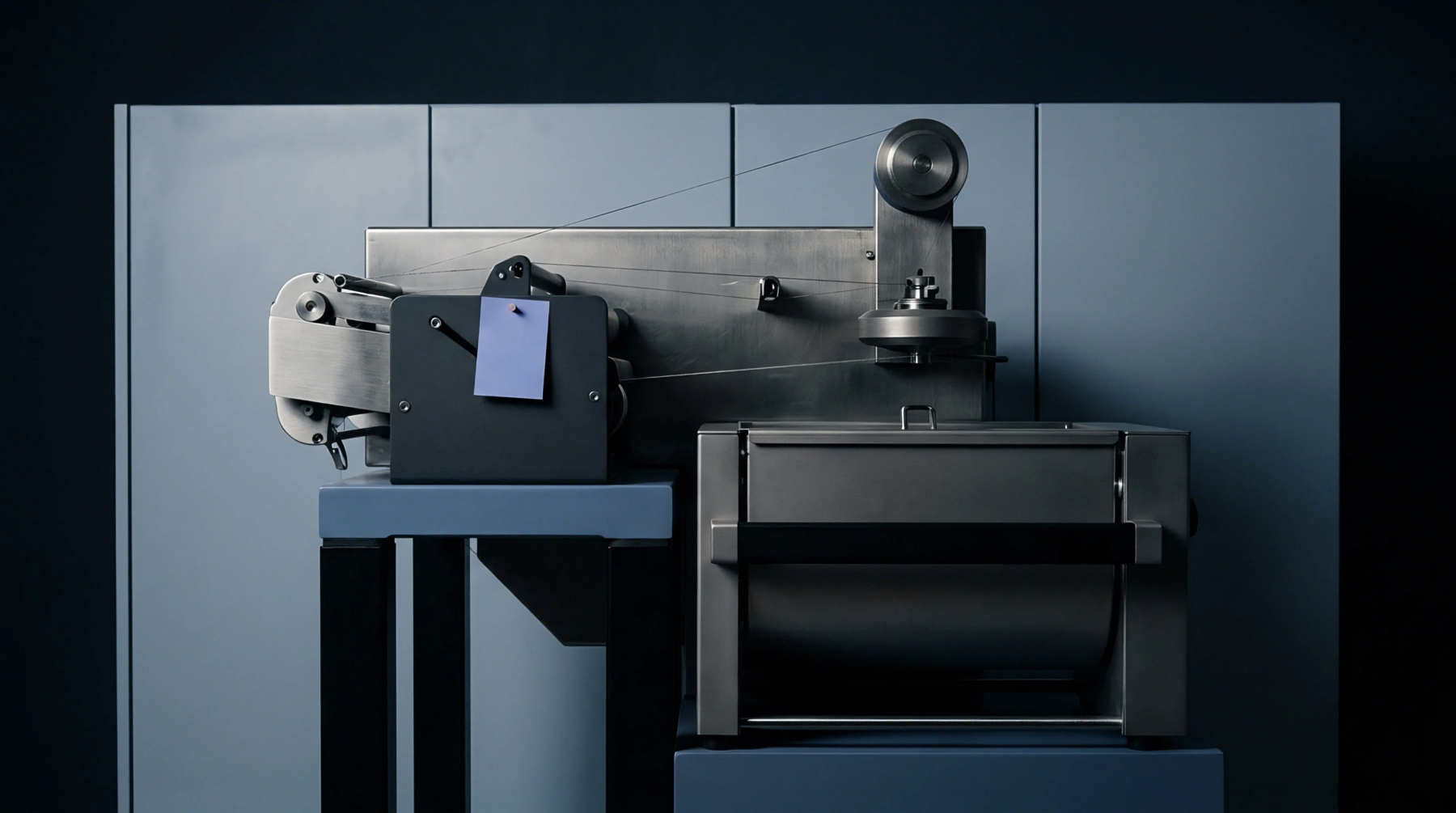
Automated systems control the fluid flow to ensure consistent contact time between the sample and the extraction agent. When chemists use pressurized liquid extraction, they significantly reduce the amount of organic solvent required for a single test. The closed system prevents the evaporation of volatile compounds that need to be quantified.
High temperatures reduce the viscosity of the liquid to facilitate easier diffusion.
Process Efficiency
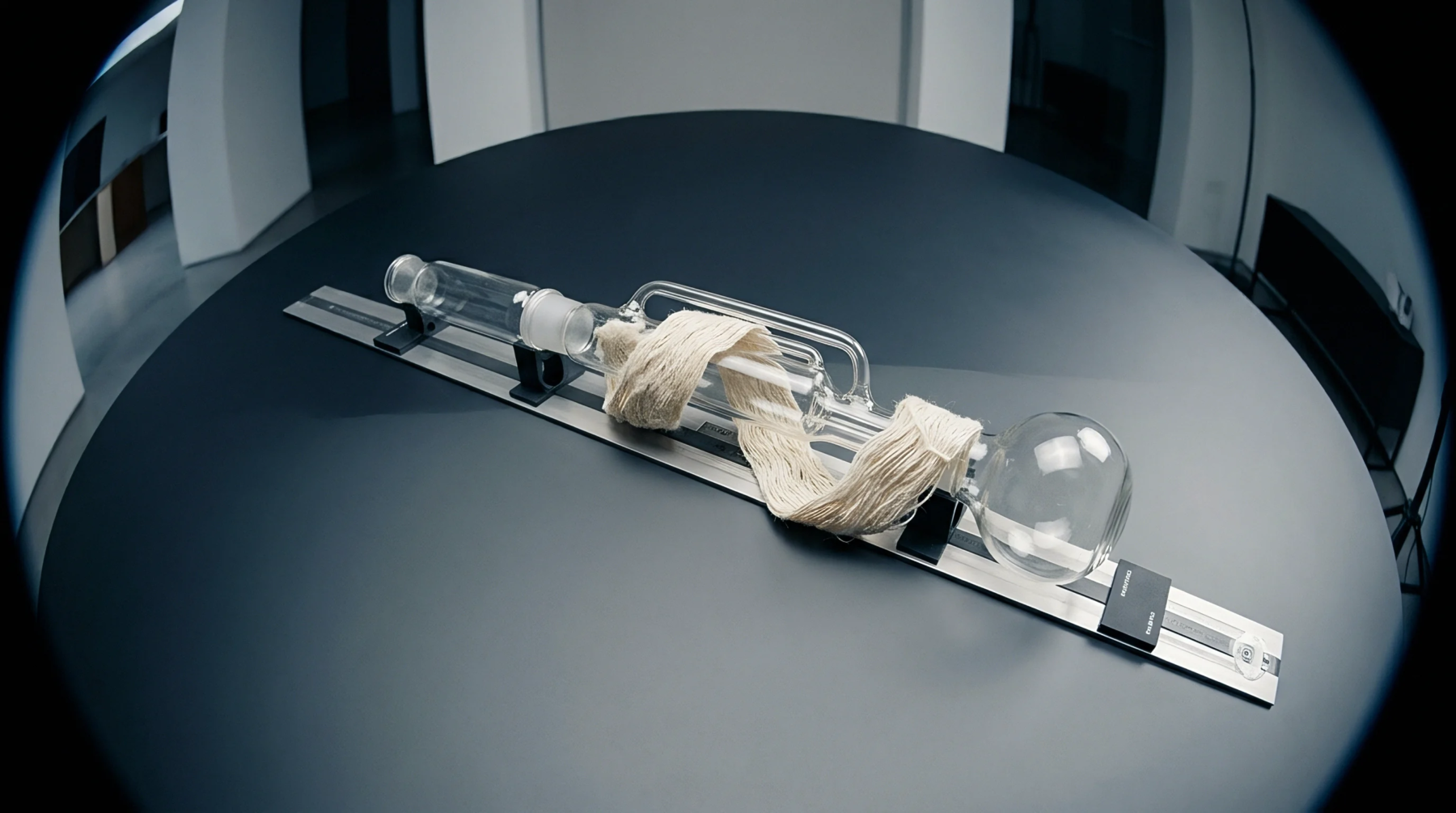
Time cycles are shortened from hours to minutes compared to conventional soxhlet methods used in older laboratories. Adopting pressurized liquid extraction allows high volume testing houses to process hundreds of fabric specimens daily. Accurate settings for pressure levels ensure that the fiber structure does not melt or undergo chemical changes during the test.
These figures are recorded as part of the digital analytical report.
Analytical Claim
Modern sampling methods improve the reliability of compliance data in the garment industry. Pressurized liquid extraction provides the thorough cleansing required for trace level detection of restricted substances.