Polyester Filament Cyclic Trimer Solvent Extraction Standards
Cyclic trimer solvent extraction requires cold petroleum ether finish stripping before 1,4-dioxane Soxhlet extraction and RP-HPLC verification to prevent failures.
Melt
Continuous esterification and polycondensation in poly(ethylene terephthalate) synthesis always leave behind a small equilibrium share of low molecular weight cyclic molecules. As purified terephthalic acid or dimethyl terephthalate reacts with monoethylene glycol, these short rings form right alongside the growing polymer chains until the system reaches thermodynamic equilibrium. Depending on residence time, thermal profile, catalyst selection, and vacuum depth, oligomers typically account for 1.0 percent to 3.5 percent of the total polymer matrix by weight.
Cyclic tri(ethylene terephthalate) dominates this fraction, representing 60 percent to 85 percent of all oligomeric material found in commercial polyester chips and drawn yarn.

Oligomer Formation Dynamics in Polycondensation Chemistry
High temperatures during transesterification drive the formation of both linear and cyclic ester side products as the main polymer chain builds. Ring closure occurs through back-biting, where a terminal hydroxyl group attacks an internal ester link on its own chain. The six-membered ester arrangement gives the cyclic trimer exceptional thermodynamic stability, making it far more favorable energetically than cyclic dimers, tetramers, or pentamers.
Equilibrium calculations confirm that final trimer concentration depends heavily on melt temperature and post-condensation thermal history. Under standard production runs at 280 to 290 degrees Celsius, baseline cyclic trimer levels settle between 1.1 percent and 1.4 percent by weight in the bulk resin.
Solid-state polymerization, which raises intrinsic viscosity for high-tenacity industrial fibers, alters this balance slightly. Heating solid chips below their melting point under vacuum or a nitrogen stream removes volatile byproducts, but cyclic trimers regenerate whenever chip temperatures remain above 200 degrees Celsius for too long. During extrusion, residual trimers in high-IV resin migrate toward the fiber surface.
Barrel heat reactivates back-biting kinetics, generating fresh cyclic species if melt residence times exceed six minutes at 295 degrees Celsius.
Conformational Stability of Cyclic Triethylene Terephthalate
Cyclo-tri(ethylene terephthalate) makes up the vast majority of extractable oligomers. Its structure links three terephthalate units through three ethylene glycol bridges into a rigid, symmetrical ring with a molecular mass of 576.52 grams per mole. This planar geometry produces physical behavior distinct from linear PET chains of equivalent mass.
Most notably, the cyclic trimer melts sharply between 318 and 325 degrees Celsius, far higher than the 255 to 260 degrees Celsius melting range typical of bulk poly(ethylene terephthalate).
Polyester melt polymerization yields an equilibrium cyclic trimer concentration of approximately 1.2 percent by weight that remains structurally locked until high-temperature thermal processing drives diffusion.
Lacking free terminal hydroxyl or carboxyl groups, the trimer ring is chemically unreactive and largely insoluble in room-temperature organic solvents. While linear oligomers carrying terminal carboxyl groups readily break down in polar solvents or dilute alkaline baths, the cyclic trimer resists both dissolution and chemical attack. Its rigid ring structure prevents solvent molecules from penetrating the crystalline lattice.
Cold acetone, methanol, or petroleum ether barely affect it, making thorough quantitative extraction from drawn filaments impossible without heat or pressure.
Thermal Diffusion Mechanisms across Solid Polymer Matrix
Amorphous PET chain segments gain mobility once heated past their glass transition temperature ~ 67 to 80 degrees Celsius dry, or roughly 60 to 65 degrees Celsius during aqueous processing. Above this threshold, segmental motion opens short-lived free-volume voids inside the fiber structure. Unbound small molecules migrate through these pockets along concentration gradients, travelling from the core toward the exterior.
Migration proceeds via Fickian diffusion governed by the temperature-dependent diffusion coefficient of the trimer in the PET matrix. Because of its relatively compact dimensions, the trimer moves faster than larger tetramers or pentamers, though full migration still requires hours at elevated temperatures. Draw-texturing at 180 to 220 degrees Celsius and pressurized dyeing at 130 degrees Celsius force these molecules outward.
Upon reaching the cooler fiber surface, the trimer crystallizes into an insoluble white powder that coats yarn surfaces and fouls machinery guides.
Internal oligomer equilibrium represents an unalterable thermodynamic property of synthetic polymer chemistry, though surface blooming during downstream processing depends as much on dye house temperature ramp rates as on raw chip quality.


Wash
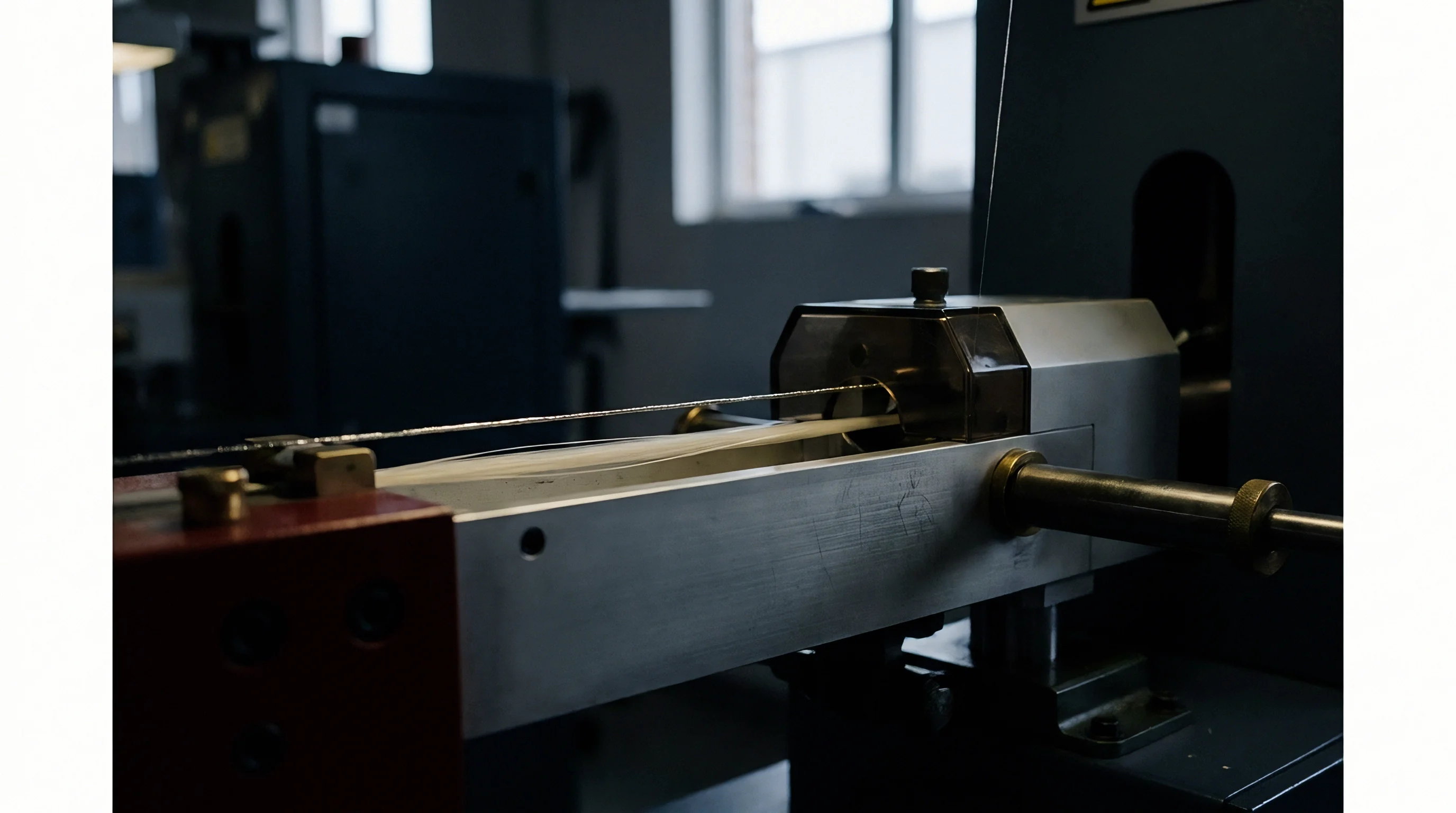
Accurate measurement of internal cyclic trimer content requires removing topical spin finishes, coning oils, and lubricants first. Surface dressings applied during winding ~ typically synthetic esters, ethoxylated fatty alcohols, and sulfated surfactants ~ dissolve readily in organic extraction solvents. Skipping this cleanup causes surface oils to weigh down the gravimetric residue, distorting quality control records by counting topical additives as internal oligomer.
Selective Pretreatment for Spin Finish Removal
Yarn samples reach testing facilities carrying antistatic coatings, emulsifiers, and lubricants. Stripping these surface treatments without leaching internal trimers requires specific solvents and precise temperature controls. Low-boiling aliphatic hydrocarbons like petroleum ether (boiling range 40 to 60 degrees Celsius) or n-hexane dissolve surface finishes without swelling crystalline PET domains.
Rinsing yarn with room-temperature petroleum ether for 15 minutes in an ultrasonic bath lowers surface finish content below 0.02 percent by mass while leaving the fiber interior untouched.
Ultrasonic action carries solvent deep into the yarn bundle without generating enough heat to expand free-volume voids in the polymer matrix. The wash liquid is filtered through a medium-porosity sintered glass crucible, and the sample is washed twice with fresh room-temperature petroleum ether. Drying the yarn in a vacuum oven at 50 degrees Celsius for 45 minutes strips off remaining solvent without triggering thermal degradation or oligomer migration.
Weight lost during this cold wash establishes total spin finish content, leaving clean fiber ready for trimer extraction.

Soxhlet Reflux Kinetics in High Boiling Solvents
Recirculating boiling organic solvent through a Soxhlet apparatus swells amorphous PET domains, unlocking embedded cyclic trimers. Solvent selection determines both extraction yield and polymer stability. High-boiling solvents like xylene (boiling point 138 to 144 degrees Celsius) and 1,4-dioxane (boiling point 101 degrees Celsius) swell the polymer network enough to liberate oligomers.
Lower-boiling chlorinated options like dichloromethane (boiling point 40 degrees Celsius) remove surface-accessible trimers but lack the energy to reach deeper crystalline regions unless used under pressure.
Soxhlet reflux using 1,4-dioxane for 16 hours at 101 degrees Celsius extracts 98.4 percent of total cyclic trimers while preventing polymer backbone cleavage observed in chlorinated solvents.
Standard DIN 54240 calls for 16 to 24 hours of continuous Soxhlet reflux using purified 1,4-dioxane or ortho-xylene. A 5.00-gram sample of cleaned filament, cut into 10-millimeter pieces, is packed into a glass fiber or pre-extracted cellulose thimble. Siphoning frequency should be kept between 6 and 10 cycles per hour to ensure steady extraction across the sample bed.
Cooling water for the condenser must remain below 15 degrees Celsius to prevent solvent loss through the top vent over long runs.
Pressurized Liquid Extraction Operational Parameters
Automated extraction cells use hydraulic pressure to keep solvents liquid well above their normal boiling points. Pressurized Liquid Extraction (PLE), also known as Accelerated Solvent Extraction (ASE), cuts extraction times from 24 hours down to 45 minutes by accelerating mass transfer. Running stainless steel cell temperatures between 120 and 140 degrees Celsius drops solvent viscosity, boosts oligomer solubility, and speeds matrix penetration while system pressures of 10 to 15 megapascals prevent boiling.
A 9:1 volume mixture of dichloromethane or chloroform with hexafluoroisopropanol (HFIP) performs reliably in pressurized cells. The fluorinated alcohol breaks ester hydrogen bonds and untangles physical chain entanglements, liberating cyclic trimers without dissolving high-molecular-weight PET. Moving from Soxhlet reflux in boiling xylene to pressurized extraction at 130 degrees Celsius yields a 0.22 percentage point gain in trimer recovery by freeing oligomers locked inside tightly ordered crystal boundaries.
| Solvent System | Boiling Point (deg C) | Extraction Duration | Trimer Recovery Efficiency (%) | Polymer Swelling Index | Handling and Toxicity Profile |
|---|---|---|---|---|---|
| Petroleum Ether (40-60) | 40 – 60 | 15 minutes (ambient) | < 0.5 (Finish wash only) | 1.00 (Negligible) | Flammable hydrocarbon, low toxicity |
| 1,4-Dioxane (Purified) | 101 | 16 – 24 hours (Soxhlet) | 98.4 | 1.18 (Moderate) | Class 2B carcinogen, peroxide former |
| Ortho-Xylene | 138 – 144 | 12 – 16 hours (Soxhlet) | 99.1 | 1.26 (High) | Flammable liquid, toxic by inhalation |
| Dichloromethane / HFIP (9:1) | 40 (Ambient) / 130 (PLE) | 45 minutes (PLE 12 MPa) | 99.8 | 1.42 (Severe swell) | Corrosive vapor, toxic, specialized disposal |
| Trichloromethane (Chloroform) | 61 | 18 hours (Soxhlet) | 92.3 | 1.12 (Moderate) | Suspected carcinogen, halogenated waste |
| Data gathered under controlled laboratory conditions using 0.85 dtex drawn polyester filament yarn across standard testing runs. Recovery efficiency normalized against absolute HFIP total dissolution benchmarks. | |||||
Operating at incorrect solvent temperatures risks leaching low-molecular-weight polymer chains into the extract, inflating gravimetric figures and causing false high oligomer results that can trigger unnecessary lot rejections.

Spectra
High-performance liquid chromatography coupled with ultraviolet detection is the standard approach for isolating individual cyclic species from total extractables. Simple gravimetric measurement of evaporated residue captures all non-volatile material, including finish residue, degradation byproducts, and dirt. Chromatographic testing separates the cyclic tri(ethylene terephthalate) signal from dimers, tetramers, pentamers, and linear ester fragments, isolating true trimer content down to microgram levels.
Chromatographic Separation Using Reverse Phase Stationary Phases
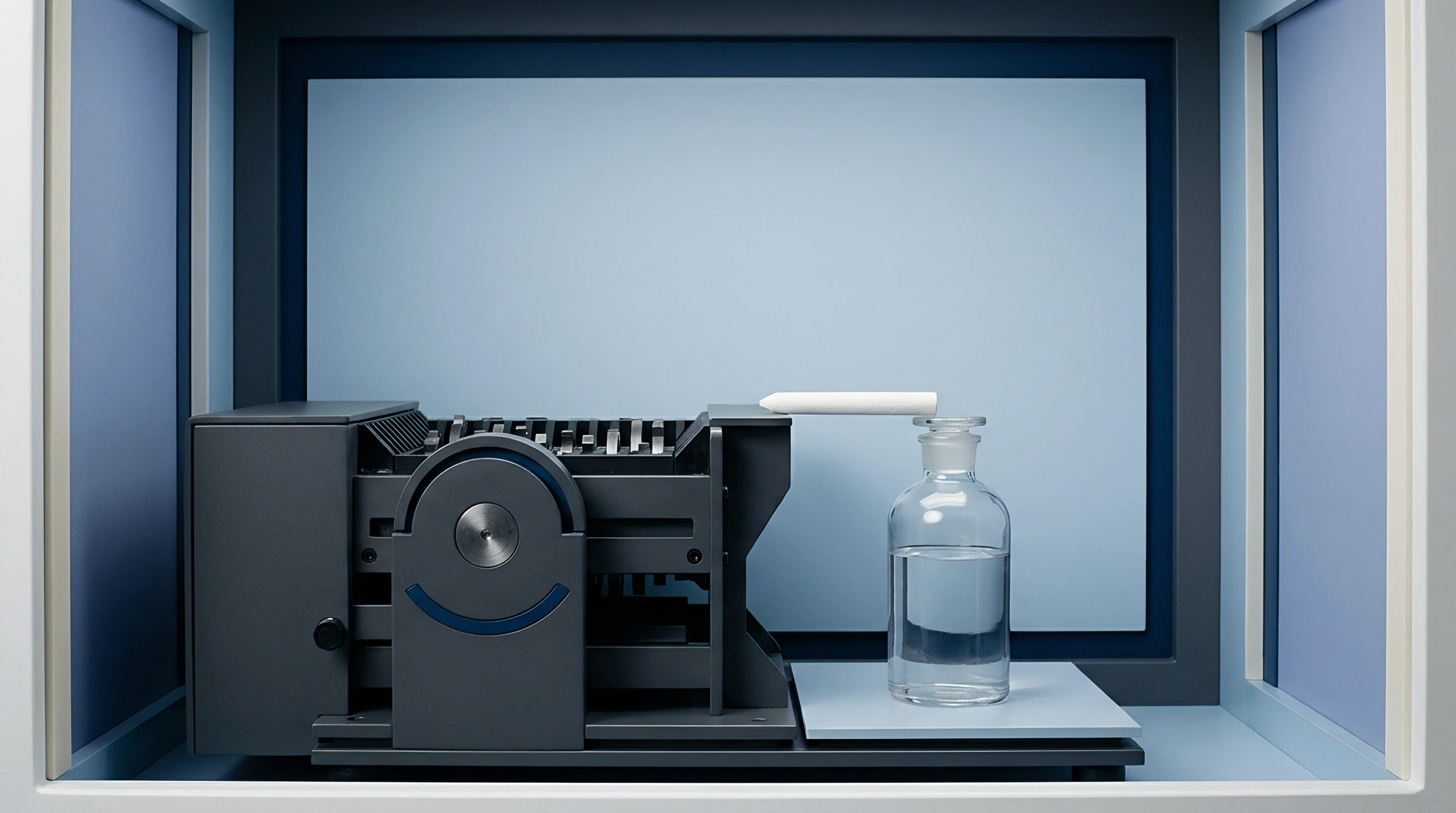
Octadecylsilane silica columns resolve cyclic monomers through pentamers under gradient elution. Reverse-phase C18 columns (150 mm length, 4.6 mm internal diameter, 3 µm particle size) separate extracts dissolved in trifluoroacetic acid, HFIP, or dimethylformamide mixtures. The mobile phase shifts from an initial water/acetonitrile blend (60:40) to pure acetonitrile or acetonitrile/tetrahydrofuran (80:20) over 25 minutes, with the column oven set at 40 degrees Celsius.
Separated oligomers are identified by UV absorption at 240 or 254 nanometers, where ester carbonyls on the terephthalate ring absorb intensely. The cyclic trimer elutes between the dimer and tetramer peaks, producing a sharp, symmetric response under optimized conditions. Quantitation relies on purified trimer standards prepared by preparative LC, recrystallized from high-boiling solvents, and verified by NMR spectroscopy.
Mass Spectrometry Quantitation of Low Level Oligomers
Positive-mode electrospray ionization converts non-polar cyclic esters into stable adduct ions. Linking LC to a triple-quadrupole mass spectrometer enables structural confirmation and precise measurement of trace oligomers. Typical ESI parameters include a capillary voltage of 3.5 kilovolts, a desolvation gas temperature of 350 degrees Celsius, and ammonium acetate in the mobile phase to generate stable ammonium adducts + rather than erratic protonated species.
Mass spectrometric quantitation tracks the primary precursor-to-product ion transition of the trimer. The ammonium adduct forms a strong parent ion at m/z 594.20. Collision-induced dissociation generates distinct fragments at m/z 385.10 and m/z 193.05 from loss of ester ring segments.
Selected Reaction Monitoring (SRM) removes background interference from finish residues, enabling reliable detection of cyclic trimer below 0.001 percent by weight in medical-grade fibers.

Gravimetric Mass Balance and Methodological Divergence
Gravimetric residue measurements almost always yield higher total oligomer values than chromatographic peak integration. Boiling xylene or dioxane extracts all soluble, non-volatile organic compounds present. Drying the solvent under nitrogen at 105 degrees Celsius leaves a residue containing cyclic oligomers along with residual spin oils, polymer additives, and degradation traces.
Consequently, gravimetric results run 0.10 to 0.35 percentage points by weight higher than HPLC trimer values.
- Pre-wash sample preparation ~ Extract 5.000 grams of cut filament yarn in 100 milliliters of n-hexane at 25 degrees Celsius for 15 minutes using an ultrasonic bath to remove topical lubricants.
- Filament desiccation ~ Collect the washed filament on a sintered glass filter, dry under 50 millibar vacuum at 50 degrees Celsius for 45 minutes, and weigh on an analytical balance with 0.1 milligram precision.
- Soxhlet solvent extraction ~ Transfer the dry filament to a glass thimble and reflux with 150 milliliters of purified 1,4-dioxane for 16 hours at a minimum rate of 8 siphoning cycles per hour.
- Extract concentration ~ Evaporate the combined dioxane extract down to 5 milliliters using a rotary evaporator set at 60 degrees Celsius and 40 millibar pressure.
- Gravimetric residue determination ~ Transfer the concentrated solution to a tared platinum crucible, evaporate to dry mass under a gentle nitrogen stream, dry at 105 degrees Celsius for 2 hours, cool in a desiccator, and record total extract mass.
- Solvent redissolution ~ Redissolve the gravimetric residue in 10.0 milliliters of a hexafluoroisopropanol and dichloromethane mixture (1:9 volume ratio) using brief ultrasonic mixing.
- Chromatographic sample filtration ~ Pass the redissolved extract through a 0.22-micron PTFE syringe filter directly into a dark amber HPLC glass vial.
- HPLC-UV calibration sequence ~ Inject 10 microliters of pure isolated cyclic trimer reference solutions spanning 5.0 to 500.0 milligrams per liter to construct a five-point linear calibration curve at 240 nanometers.
- Gradient separation run ~ Execute reverse-phase separation over a C18 column using a water-to-acetonitrile gradient moving from 40 percent to 100 percent acetonitrile over 20 minutes at 1.0 milliliter per minute flow rate.
- Quantitative peak integration ~ Integrate the cyclic trimer chromatographic peak at retention time approximately 14.2 minutes and compute absolute trimer weight percentage relative to dry initial yarn mass.
ISO 1833 chemical separation standards mandate chromatographic cross-validation whenever gravimetric residue figures exceed contractual limits by more than 0.05 percentage points.
Solvent purity is vital. Trace non-volatile impurities in commercial dioxane or xylene concentrate during evaporation, adding artificial weight to the crucible. Standard lab protocol demands running a solvent blank alongside actual samples using identical volumes and heating profiles.
Subtracting the blank weight prevents solvent contaminants from inflating reported oligomer values.
Whether low-wavelength UV response factors for cyclic trimers remain strictly linear across concentrated extracts from microdenier filaments remains an open question among testing laboratories.
Bloom
Aqueous jet dyeing at 130 degrees Celsius drives embedded cyclic trimers out of the amorphous filament interior toward the surface. High-temperature water acts as a plasticizer for PET, dropping its glass transition temperature and boosting chain mobility. Trimer molecules migrate toward the fiber boundary and hit the dye bath.
Because cyclic trimer solubility in water is under 0.001 grams per liter at room temperature and under 0.02 grams per liter at 130 degrees Celsius, migrating molecules precipitate immediately upon contacting the bath.
Surface Crystallization during High Temperature Package Dyeing
Precipitated trimers form sharp micro-crystals across the fiber surface. In package dyeing ~ where dye liquor circulates through yarn wound tightly on perforated cones ~ the dense yarn package acts as a filter. Precipitating trimers get trapped between fine filaments and coalesce into white crusts.
Inner layers closest to the dye tube trap the most material, causing shade variation, streaks, and uneven dyeing through the cone.
These crystalline deposits cling firmly to fiber surfaces through hydrophobic attraction and mechanical interlocking. Standard reduction clearing using sodium hydrosulfite and caustic soda at 80 degrees Celsius strips unfixed dye but leaves cyclic trimers largely untouched. Alkaline clearing removes surface oligomers only above 90 degrees Celsius when paired with alkali-stable dispersants, or when ethoxylated fatty amine dispersants keep crystals suspended as the bath drains.

Should Yarn Specifications Cap Total Extractable Oligomers below 0.5 Percent?
Capping extractable oligomers limits knitting needle wear downstream, but drives up raw chip costs. Standard textile-grade polyester filament carries 1.1 percent to 1.4 percent total internal oligomers, which causes few problems in wide woven goods dyed on continuous ranges. High-speed circular knitting using fine microdenier yarns (below 0.8 dtex per filament) sees sharp friction increases once extractables cross 0.60 percent.
Capping allowed extractables at 0.50 percent forces fiber spinners to source solid-state polymerized chips or solvent-washed tow, adding 0.18 to 0.35 US dollars per kilogram to yarn prices.
High surface oligomer levels convert smooth filament into an abrasive surface, triggering thread breaks during high-speed warping and circular knitting.

Mechanical Friction Dynamics and Guide Surface Fouling
Running yarn over ceramic guides, texturing discs, and tension gates generates localized friction that accelerates oligomer deposit rates. At yarn speeds above 800 meters per minute, surface crystals scrape off and build up in guide channels and tensioning hardware. Under continuous pressure, the loose white powder compacts into hard crystalline ridges that abrade passing fibers, breaking microfilaments and creating fluff, filamentation, and thread breaks.
| Extractable Trimer Level (% w/w) | Dynamic Friction Coeff (μd) | Texturing Disc Deposit Rate (mg/kg) | Package Dyeing Levelness Score | Knitting Needle Breakage Frequency |
|---|---|---|---|---|
| < 0.40 (Ultra-Low) | 0.16 – 0.18 | < 1.5 | Grade 5.0 (Flawless) | Zero baseline events |
| 0.40 – 0.65 (Premium) | 0.19 – 0.22 | 1.5 – 4.0 | Grade 4.5 (Acceptable) | Negligible (< 1 per ton) |
| 0.66 – 0.90 (Standard) | 0.23 – 0.29 | 4.1 – 12.0 | Grade 3.5 (Minor streaks) | Low (2-5 per ton) |
| 0.91 – 1.20 (High) | 0.30 – 0.38 | 12.1 – 35.0 | Grade 2.5 (Severe streaking) | Moderate (6-15 per ton) |
| > 1.20 (Off-Spec) | > 0.40 | > 35.0 | Grade 1.5 (Unusable lot) | High (> 20 per ton) |
Texturing units using polyurethane or ceramic friction discs suffer performance drops as surface oligomers accumulate. The dynamic friction coefficient ( μd ) can jump from a normal 0.18 to 0.42 as oligomer deposits glaze disc surfaces. This loss of traction disrupts twist insertion during false-twist texturing, causing variable yarn bulk, uneven crimp contraction, and visible dye streaks in finished fabric.
Knitting plants face several predictable operational failures when running yarn lots with unmanaged surface oligomers:
- Ceramic guide clogging ~ White crystalline powder fills yarn path ceramic eyes, generating localized friction spikes that break fine microdenier filaments during high-speed warping.
- Texturing disc glazing ~ Accumulated oligomer deposits form smooth crusts on polyurethane friction discs, causing twist slippage and erratic crimp contraction across textured yarn packages.
- Dye package cake crusting ~ Precipitated cyclic trimer crystals lodge within the interior layers of package-dyed yarn cones, causing color shade unlevelness and severe winding breakage.
- Knitting needle latch jamming ~ Crystalline powder mixes with needle lubricating oils to produce a sticky paste that bogs down needle latches, causing dropped stitches and needle breakage.
- Tension gate calibration drift ~ Deposits accumulating on mechanical tension discs prevent free rotation, causing yarn tension spikes that trigger automated loom stop-motion sensors.
Chalky residue building up on ceramic guides within four hours of texturing signals that surface oligomers have exceeded practical limits, regardless of what the certificate of analysis states.

Margin
Commercial polyester filament sales adhere to firm chemical purity specs set by end-use regulations and mill yield economics. Application determines allowable extractable oligomer thresholds: apparel yarns on conventional looms tolerate higher levels than technical fibers used in food contact filtration, automotive interiors, or surgical sutures. Shipping off-spec lots or misclassifying resin quality leads quickly to redyeing claims, financial penalties, and rejected deliveries.
Regulatory Migration Thresholds in Food Contact Applications
EU Regulation 10/2011 limits low molecular weight polymer migration from PET packaging and filtration media into food simulants. Safety standards cap total non-evaluated cyclic oligomer migration at a Specific Migration Limit (SML) of 50 micrograms per kilogram of simulant. Polyester filter felts used in beverage clarification and hot oil filtration require solvent extraction testing to prove trimers remain within legal limits under process conditions.
European Union Regulation 10/2011 caps non-evaluated PET cyclic oligomer migration into food simulants at 50 micrograms per kilogram, compelling industrial filter cloth suppliers to verify low-trimer specs prior to shipment.
FDA rules under 21 CFR 177.1630 establish extractable limits for polyethylene phthalate polymers on food contact surfaces. Chloroform-soluble extractables may not exceed 0.05 milligrams per square inch when exposed to distilled water, 50 percent ethanol, or n-heptane under specified test temperatures. Compliance requires removing mobile cyclic oligomers from raw fiber before processing it into filter felts or packaging membranes.
Automotive Upholstery Fogging and Surface Quality Directives
Automotive specifications enforce strict extractable limits to stop oligomers from migrating and outgassing onto interior glass in hot weather. Standard fogging tests (DIN 75201 and ISO 6452) measure condensation forming on a cooled glass plate suspended over fabric heated to 100 degrees Celsius for 16 hours. While plasticizers and spin finishes account for most fogging weight, surface cyclic trimers contribute heavily to light scattering and windshield haze.
Seating fabric specifications typically demand optical fogging values above 90 percent reflectometer retention and gravimetric condensate weight below 1.0 milligram per sample. Meeting these targets requires yarn producers to select low-oligomer solid-state polymerized chips and test incoming lots via 1,4-dioxane Soxhlet extraction prior to weaving.

Landed Cost Calculations for Reduced Oligomer Filaments
Using solid-state polymerized chips increases raw material expense, but reduces redyeing and rework later in processing. Low-trimer polyester yarn carries a premium of 0.20 to 0.40 US dollars per kilogram over standard apparel yarn. Quality managers weigh this upfront cost against potential production losses ~ chemical stripping, redyeing labor, machine downtime, and customer claims.
Evaluating true material cost requires analyzing total expense per finished meter across complete production runs. Procurement teams use structured audits when reviewing supplier technical dossiers and setting release criteria:
- End-use regulatory screening ~ Identify whether the finished fabric target requires EU 10/2011 food contact certification, automotive DIN 75201 fogging compliance, or OEKO-TEX Standard 100 Class I infant safety clearance.
- Extraction standard alignment ~ Mandate either Soxhlet 1,4-dioxane extraction per DIN 54240 or Accelerated Solvent Extraction in purchase specifications, establishing single analytical protocol agreement with the mill.
- Spin finish pre-wash protocol ~ Confirm that the testing laboratory incorporates a cold n-hexane pre-wash step to separate topical lubricants from true internal cyclic trimer extractables.
- Chromatographic verification clause ~ Require HPLC-UV quantification of the cyclic trimer peak whenever preliminary gravimetric residue readings breach 0.50 percent by mass.
- Penalty and rejection thresholds ~ Insert clear contractual clauses defining invoice price deductions for borderline extractable figures and full batch rejection terms for extractable levels exceeding maximum caps.
Contracts linked to ISO 1833 limits frequently stipulate that shipments exceeding 0.65 percent total extractable trimers by weight incur a five percent price deduction or face complete rejection at the seller’s expense.

Proof
A systematic lot verification program protects weavers and knitters against quality failures driven by variable trimer levels. Relying solely on supplier certificates of analysis carries real risk, as mill laboratories often rely on quick gravimetric tests that lump topical finishes together with internal oligomers. Receiving inspections built around independent solvent extraction verify that incoming fiber meets specifications before packages reach warping creels or dye kettles.
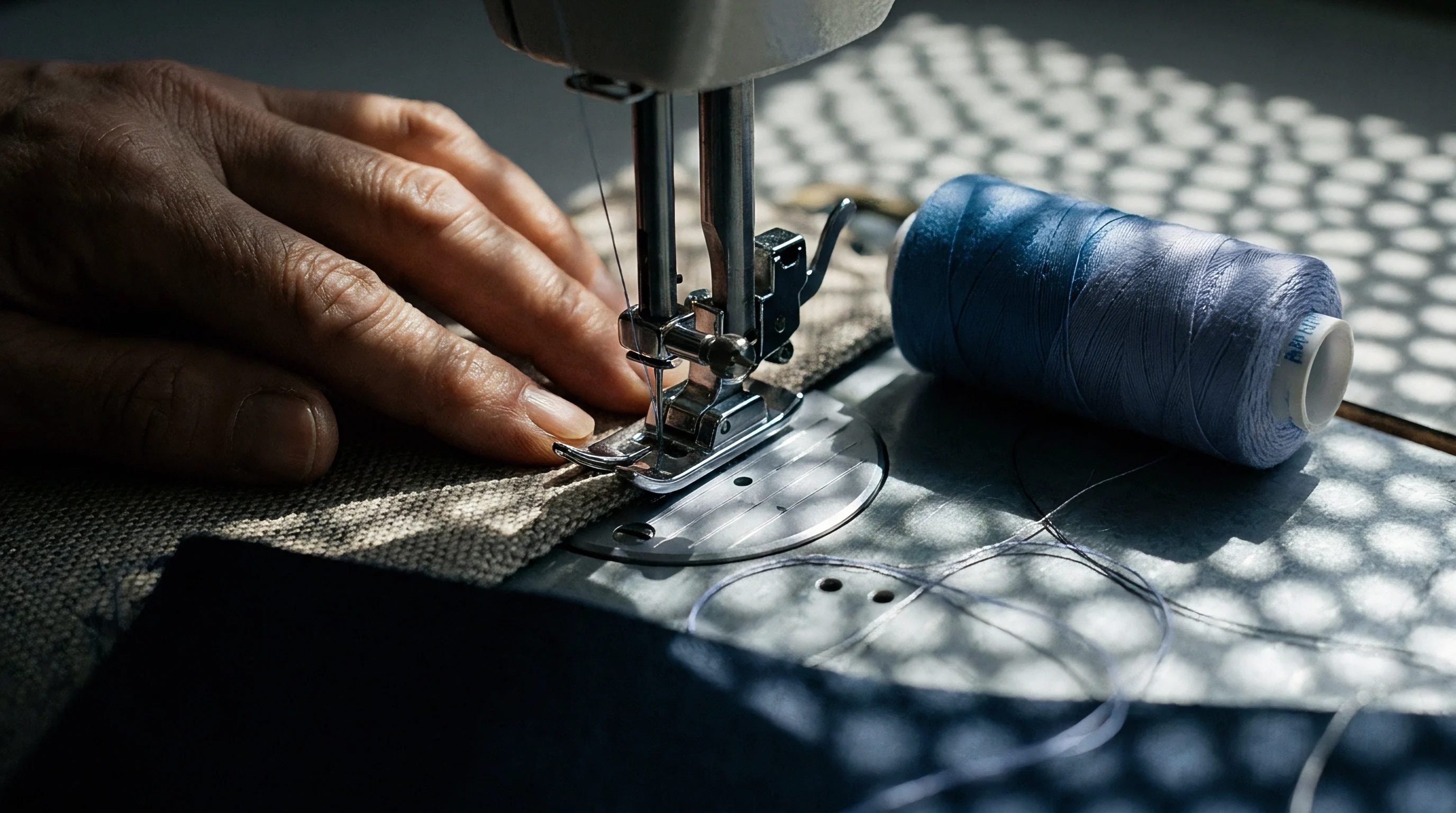
Representative Package Sampling across Freight Containers
Sampling yarn packages from multi-pallet container shipments requires a statistical protocol that accounts for variation across spinning positions, extruders, and shifts. A 20-metric-ton container of polyester yarn holds over 4,000 packages. ISO 2859-1 (ANSI/ASQ Z1.4) general inspection level II sets sample size based on total lot volume, drawing packages randomly across top, middle, and bottom layers of selected pallets.
Technicians pull ten bobbins per 5-ton pallet lot and strip away the outer 50 meters of yarn to eliminate surface contamination or handling damage. Equal lengths cut from each bobbin are combined into a 50-gram composite sample representing the extruder run. A reserve sample is vacuum-sealed in an aluminum foil bag and archived as reference material in case of quality disputes.
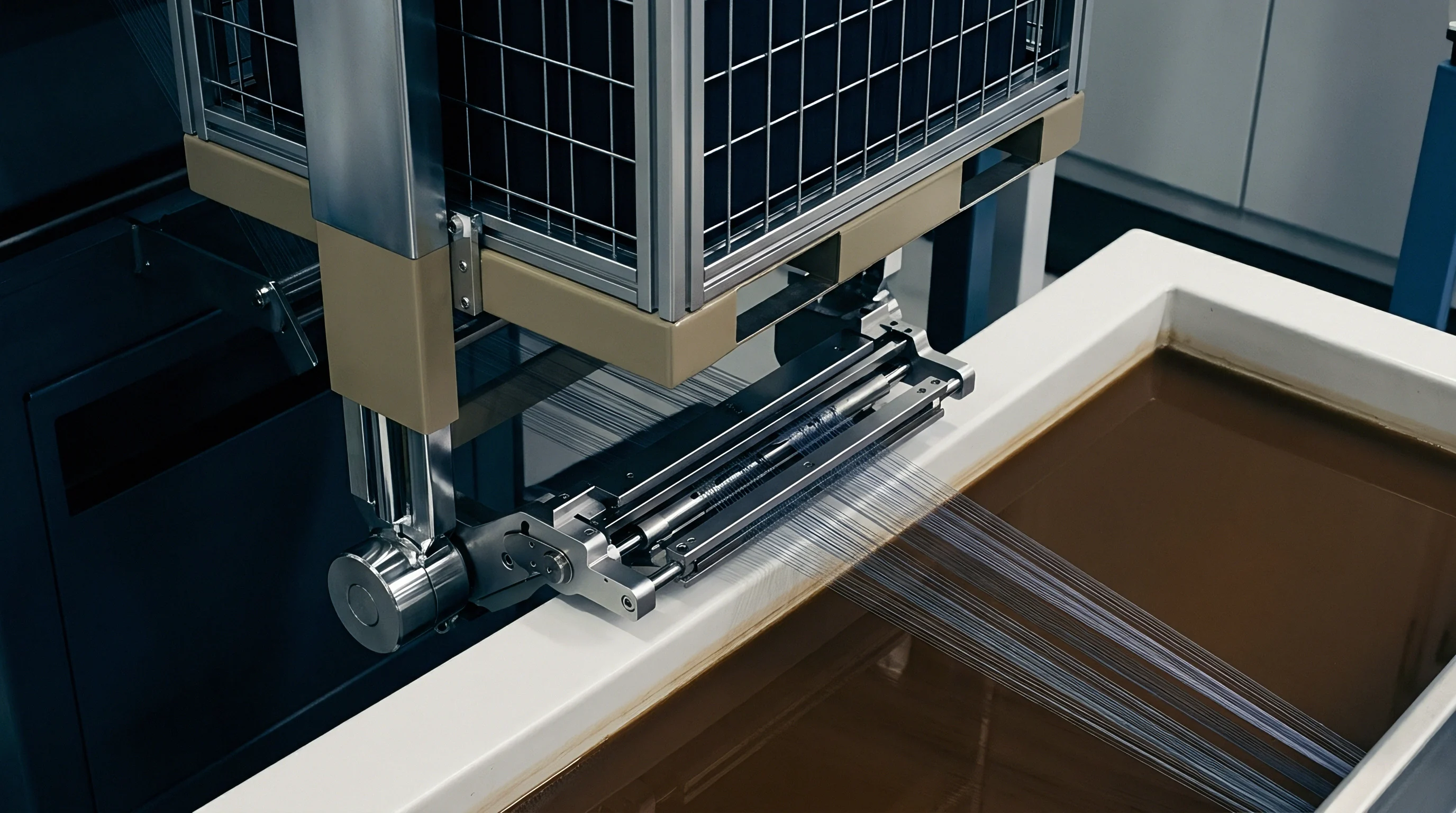
Inter-Laboratory Verification Protocols
Running duplicate samples through two independent laboratories exposes measurement bias caused by solvent temperature drift or instrument calibration shifts. Round-robin testing shows that extraction conditions, solvent purity, and HPLC calibration can introduce differences up to 0.08 percentage points on the exact same yarn sample. Aligning test methods between buyer and seller labs avoids false off-spec flags and commercial disputes.
Standard procedure requires checking balance calibration, solvent blanks, and HPLC detector linearity before evaluating production samples. The acceptable variance between accredited laboratories is plus or minus 0.05 percentage points by mass for cyclic trimer content. Discrepancies wider than this band require re-testing the archived reserve sample at an agreed third-party facility.
Dossier Documentation and Batch Release Sign-Off
Final lot release depends on comparing laboratory extraction results directly against contractual specs before yarn moves into production. Quality dossiers should include raw gravimetric wash figures, spin finish values, and the HPLC-UV chromatogram showing clean peak separation. Conforming lots release to production storage, while out-of-spec findings trigger quarantine and vendor claims.
| Evaluation Parameter | Standard Methodology | Sample Size / Scheme | Acceptance Quality Limit (AQL) | Rejection Threshold |
|---|---|---|---|---|
| Spin Finish Content | ISO 1833 / Petroleum Ether | 10 bobbins per pallet lot | AQL 1.0 (0.80% – 1.20% mass) | Finish > 1.35% or < 0.60% |
| Gravimetric Extractables | DIN 54240 (1,4-Dioxane) | 5.0 g composite sample | AQL 1.5 (≤ 0.60% mass) | Residue > 0.75% total mass |
| Cyclic Trimer Peak Mass | RP-HPLC / UV 240 nm | Duplicate 10 μL injections | AQL 0.65 (≤ 0.45% mass) | Trimer > 0.55% polymer mass |
| Dynamic Surface Friction | ASTM D3108 (Yarn-to-Metal) | 100 m continuous run | AQL 1.0 (μd ≤ 0.22) | Friction coefficient μd > 0.28 |
| Thermal Fogging Haze | DIN 75201 / ISO 6452 | 10 g fabric swatch | AQL 0.40 (≥ 90% reflectometer) | Reflectometer value < 85% |
Including explicit extraction standards in purchase agreements turns raw material testing into an operational safeguard. Reliable analytical data directly influences weaving efficiency, dye house scrap rates, and landed costs across the manufacturing chain. Laboratory testing ultimately protects margins on the mill floor.