Shade Verification
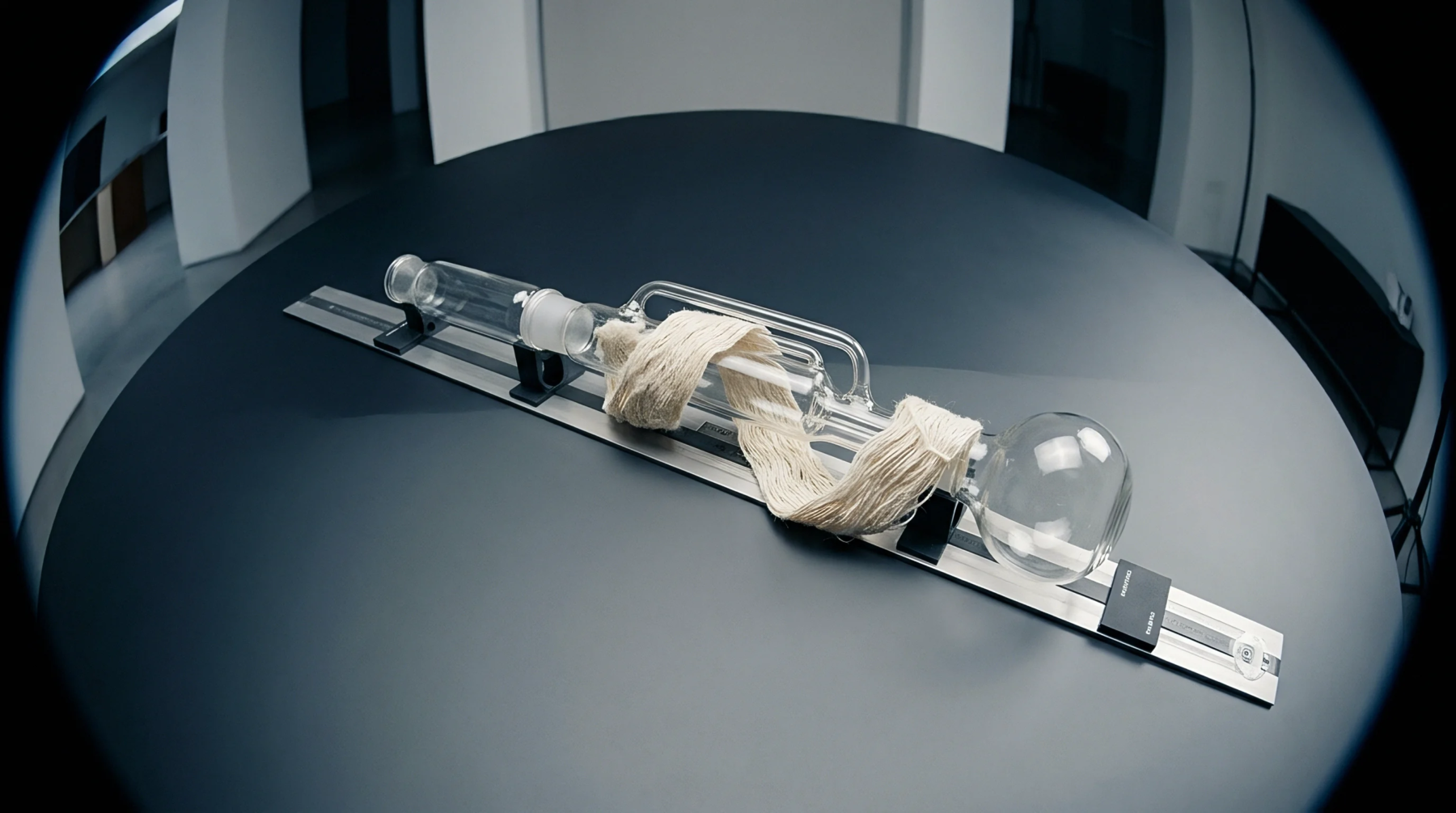
Laboratory evaluation protocols govern how dyehouse quality control establishes batch consistency between initial laboratory dips and bulk production runs. Spectrophotometric readings quantify color difference parameters against approved reference standards under standardized illuminants like D65. Technicians calculate total color difference values using CIELAB equations to determine commercial acceptability before dispatching dyed fabric rolls.
Acceptance thresholds dictate whether a lot proceeds to finishing or returns to the wet processing floor for corrective shading.
Process Parameter
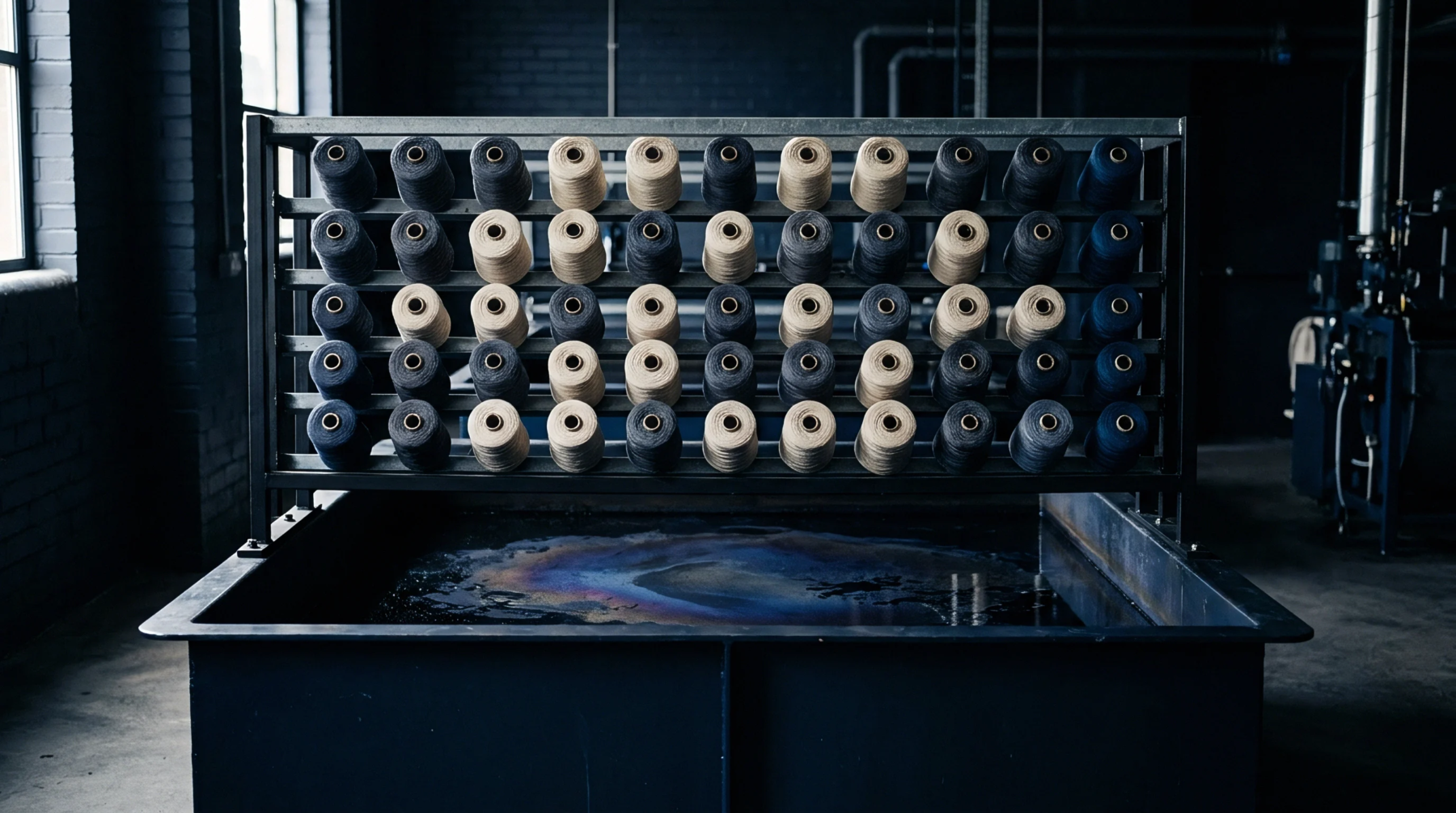
Thermal regulation during reactive dyeing cycles dictates dye uptake rates and final fixation yields. Automated controllers monitor dye liquor temperature profiles across continuous exhaust machinery to prevent uneven exhaustion across the batch width. liquor ratio fluctuations alter the effective dye concentration inside pressurized vessels and require compensation algorithms to maintain exact shade depth. Pressure differential sensors measure flow resistance through wound yarn packages to detect uneven packing density that causes channeling and subsequent patchiness.
Chemical Stability
Auxiliar chemical performance dictates bath stability throughout high temperature dispersion cycles. Surfactants prevent particle agglomeration in polyester disperse dyeing systems where thermal energy can destabilize fine suspensions and cause surface deposition. pH buffers maintain strict hydrogen ion concentration ranges inside cellulosic reactive dye baths to prevent premature hydrolysis of reactive groups before fiber bonding occurs.
Defect Classification
Visual inspection protocols categorize anomalies detected during final fabric examination into repairable irregularities and permanent substrate faults. Shading variations across selvedges require targeted stripping or over-dyeing treatments while permanent fiber damage demands downgrading the affected yardage. Automated optical scanners capture surface defects continuously on inspection frames and record spatial coordinates for downstream cutting optimization.