Semi Continuous Application
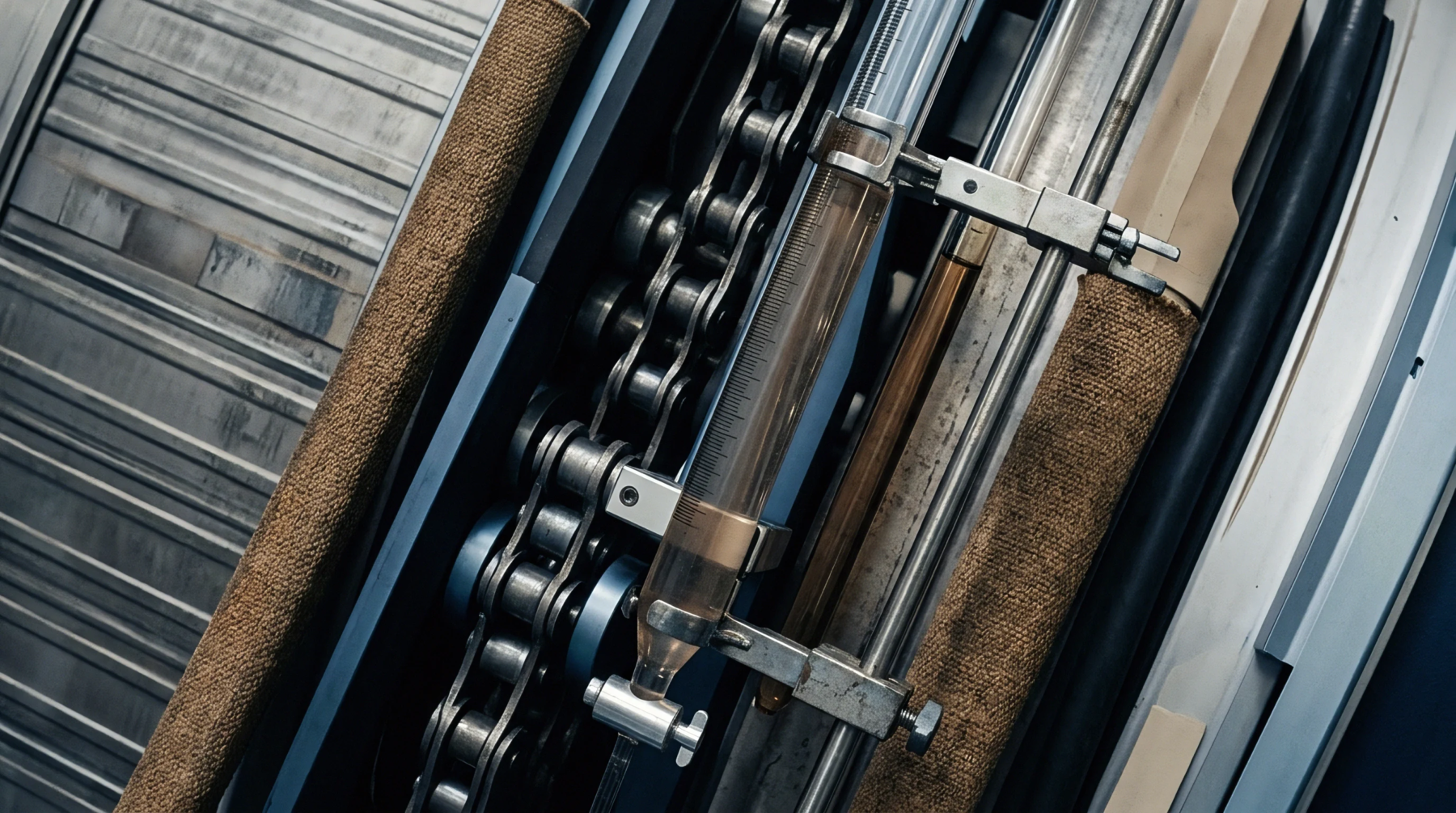
Controlled saturation of fabric followed by a dwell period at ambient temperature provides an energy efficient method for applying reactive dyes to cellulosic materials. In a typical sequence, cold pad batch begins with passing open width fabric through a trough of dye liquor and then through high pressure nip rollers. This ensures an even penetration of the solution into the core of the yarn without the need for high heat inside the applicator.
The fabric is then wound into rolls and covered in plastic film to prevent evaporation during the storage phase. Fixation occurs naturally over a period of four to twenty four hours as the chemicals slowly react within the wet roll. Batching allows the dye to migrate deeply and evenly throughout the textile structure before the final wash off.
Mechanical Execution
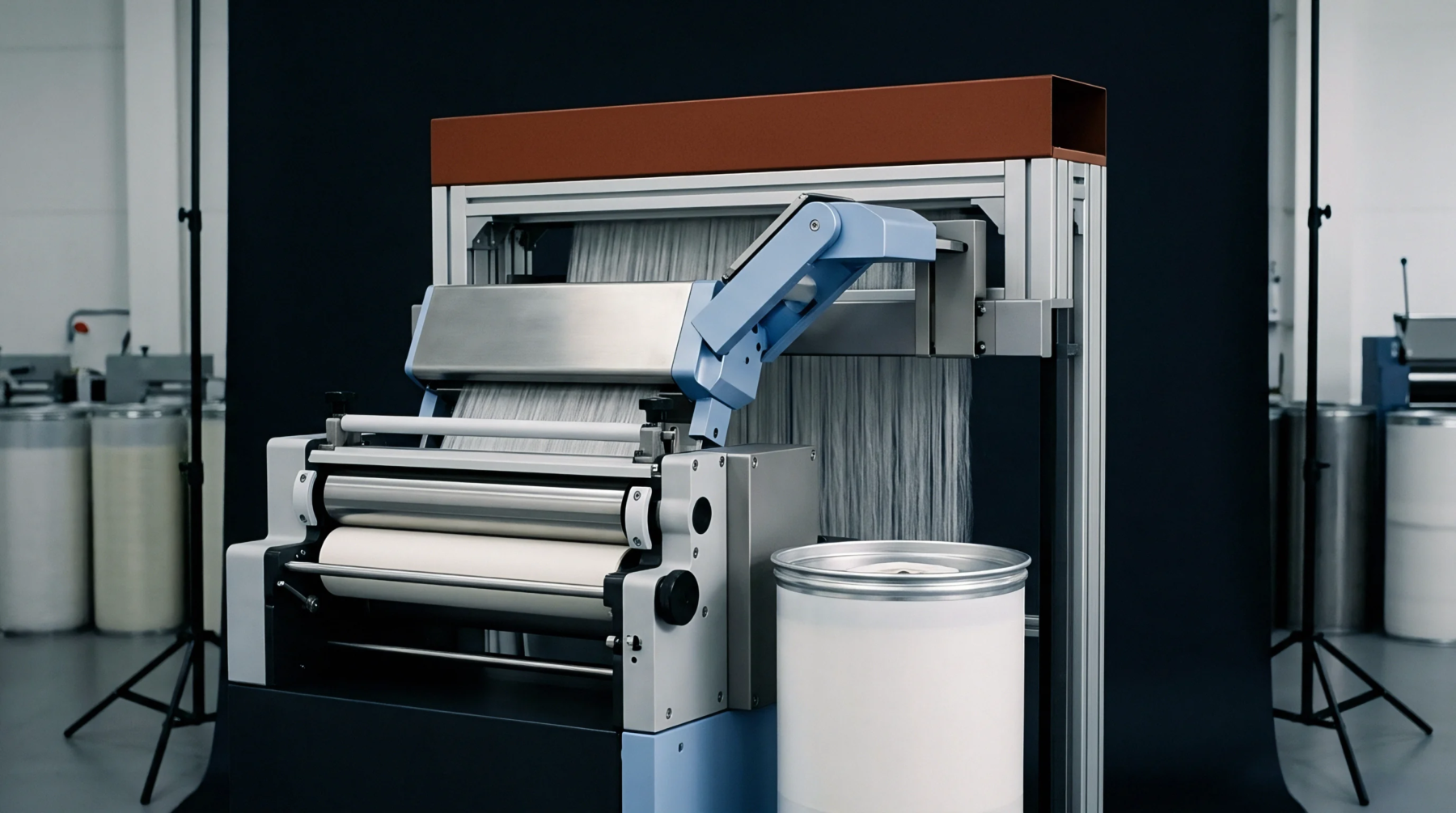
Efficiency in this system depends on the uniformity of the squeeze across the width of the nip to avoid side to centre shading variations. Successful use of cold pad batch requires a precise ratio of dye to alkali that remains stable until the moment of application. Modern machines use a four roll configuration or specialized pad units to ensure total coverage at high speeds.
Because the fabric remains wet for extended periods, the roll must be rotated slowly during the dwell time to stop gravity from pulling the liquid downward. This rotation prevents the pooling of liquor at the bottom of the roll which would cause dark streaks. Operators monitor the batching temperature carefully to ensure it does not drop below the recommended reaction threshold.
Chemical Stability
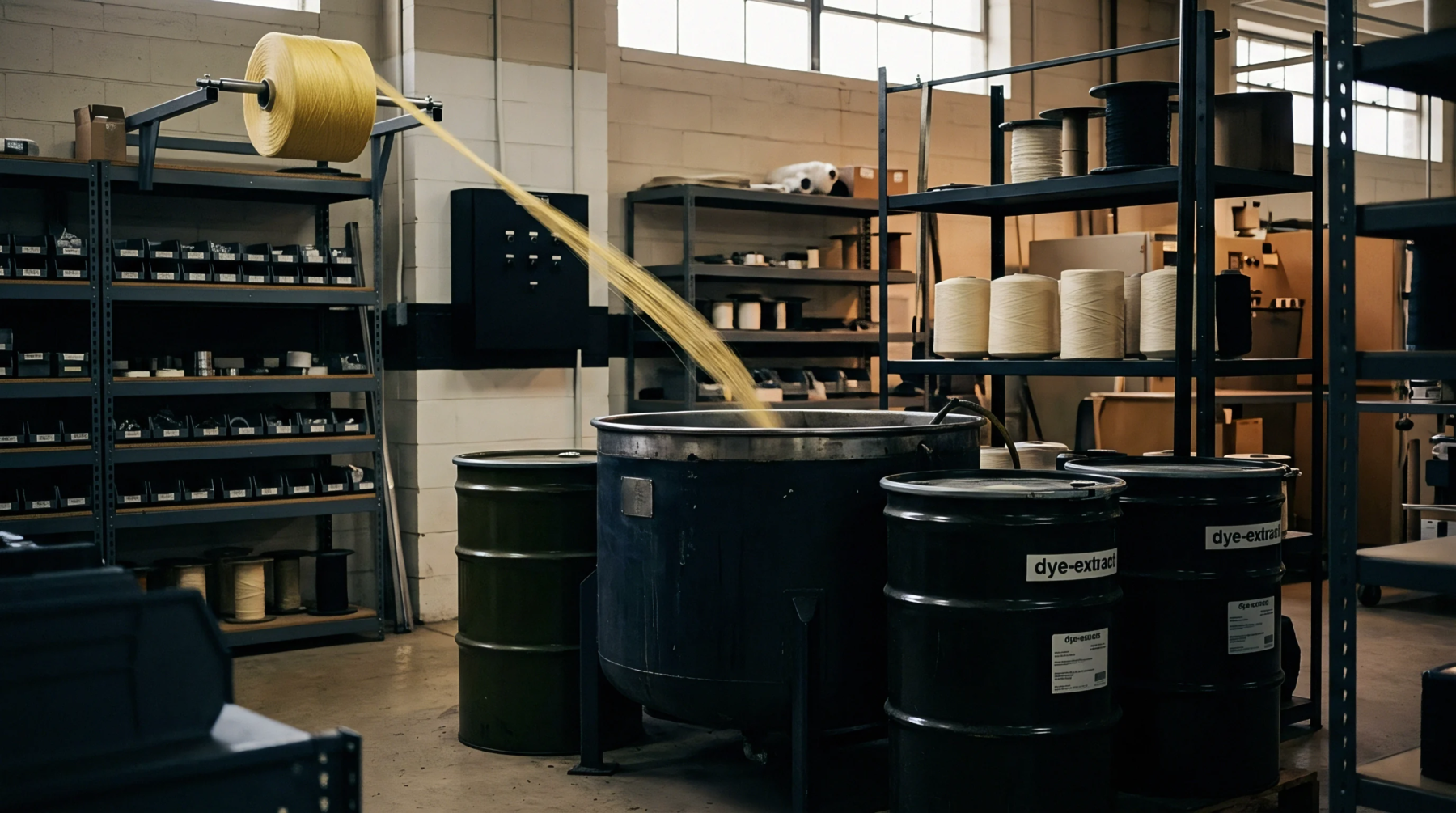
Choosing reactive dyes with high solubility and slow reaction speeds ensures that the liquor does not degrade inside the delivery system. Within the cold pad batch process, the addition of urea and sodium silicate helps maintain the moisture and pH levels needed for bonding. Low liquor ratios mean very little water is wasted compared to exhausted dyeing methods.
Chemical recipes are calculated to match the specific absorption characteristics of the greige goods being processed. Hard water must be avoided as minerals can precipitate the dyes and lead to spotting or uneven color on the roll. Modern dosing systems automatically blend the chemicals just seconds before they enter the pad trough to minimize waste.
Production Benefit
Reducing the total consumption of steam and electricity lowers the environmental impact of the dyehouse significantly while maintaining high quality standards. While the cold pad batch method requires extra floor space for storing the batched rolls, it increases the total throughput by freeing up vessels for other work. Final washing is done on an open width range to remove unfixed pigments and leftover salts from the fabric.
This method is particularly effective for heavy cotton fabrics that might be damaged by the high mechanical stress of jet dyeing. Accurate control of the dwell time is the main tool used by the plant manager to hit target depths consistently. Proper documentation of batch times is verified before the goods move into the final finishing area.