Continuous Pad Dyeing Basics for Cellulosic Blend Fabrics
Continuous pad dyeing of cellulosic blends requires precise wet pickup control, anti-migrant chemistry, and strict thermal limits to prevent shade listing.
Nip
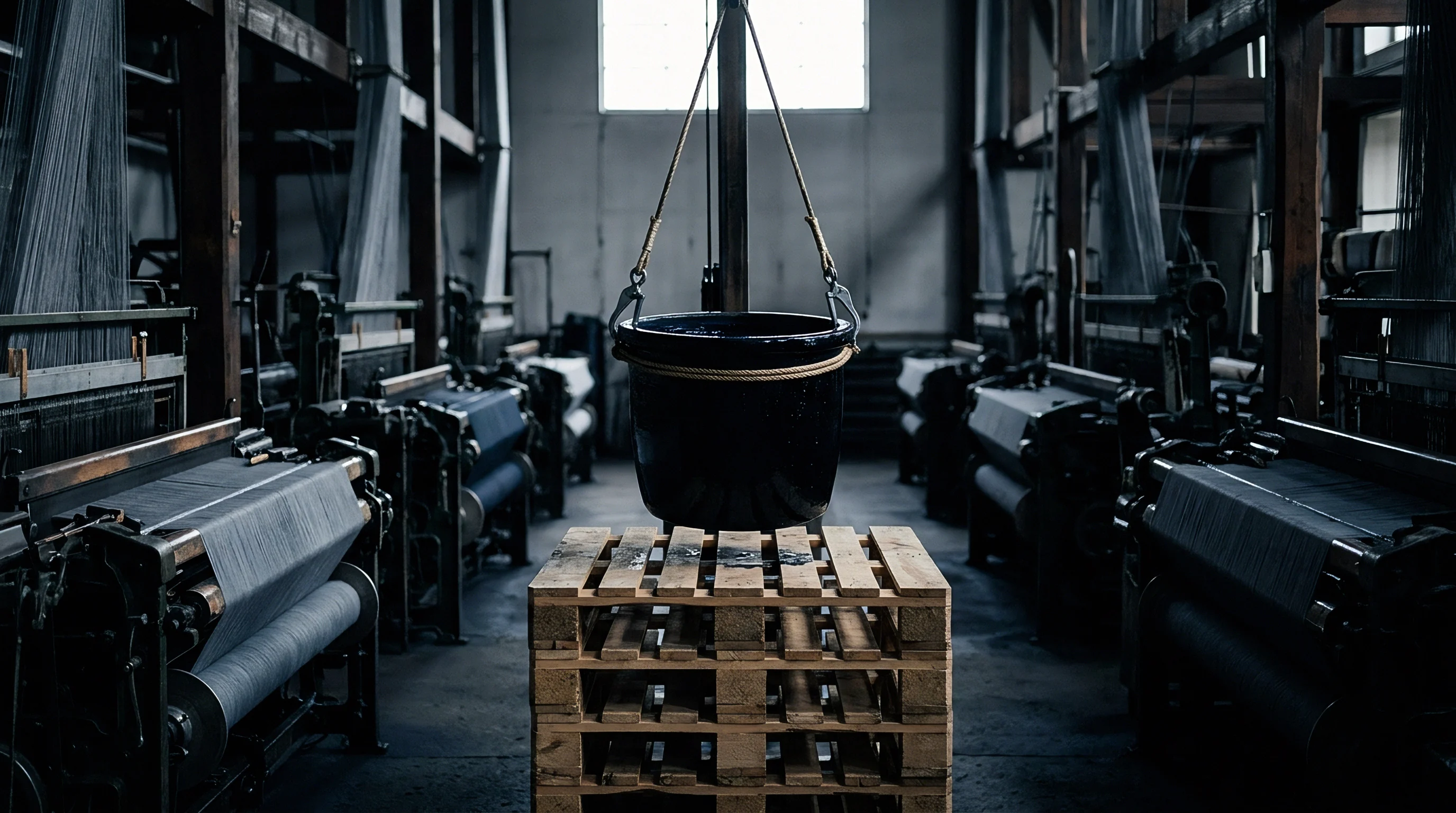
Continuous immersion of cellulose blend cloth through liquid troughs demands strict mechanical control over squeeze pressure and bowl hardness. The padding mangle forces dye liquor deep into the yarn bundle while driving out trapped air. Uniformity of liquor pickup across the width determines whether the shade remains consistent from selvedge to selvedge.
When padding polyester-cotton blends, differences in absorbency between hydrophobic synthetic filaments and hydrophilic cellulosic fibers alter immediate surface uptake. Squeeze roll deflection on wide machine faces creates a pressure gradient where the center receives less force than the ends. Mechanical counter-deflection systems, such as variable crown rolls or swimming rollers with internal hydraulic zones, equalize this pressure distribution.
Rubber durometer selection directly influences pad mangle expression. Softer roll covers around seventy Shore A extend the nip width, increasing dwell time under compression and yielding higher wet pickup values. Harder covers reaching ninety Shore A shrink the contact zone, resulting in lower wet pickup and higher hydraulic pressure within the yarn bundle.
High fluid pressure improves liquor penetration into dense weaves like heavy duck or workwear twill, while lower pickup values reduce the thermal energy needed for intermediate drying, lowering dye migration risks.
Nip pressure dictates liquor pickup, requiring uniform roll hardness across the padder.
Trough design controls cloth dwell time in the dye bath before it enters the squeeze zone. Low-volume troughs equipped with displacement bodies reduce total capacity, allowing rapid bath turnover. This rapid turnover prevents chemical depletion, temperature drops, and premature dye exhaustion at speeds exceeding sixty metres per minute.
Constant liquor level controls maintain the hydraulic head within the trough to prevent pickup variations during long production runs.
Mechanical Padder Configuration and Density Variance
Positioning squeeze rollers vertically or horizontally changes liquid distribution at entry. Vertical roll arrangements form a standing puddle above the nip for extended fluid contact prior to compression, whereas horizontal setups allow the web to enter perpendicularly, reducing double-dipping artifacts on sensitive surface textures. Multi-bowl padders with three or four rolls provide consecutive dip-and-nip cycles, which are necessary for dense polyester-cellulosic uniform fabrics that resist rapid wetting.
A liquor pickup variance exceeding two percent across the roll face generates measurable shade listing from selvedge to center on two hundred gram woven twill.
Roll cover surface finish dictates micro-transfer of liquid to the moving web. Ground rubber surfaces free of microscopic pitting maintain uniform liquid films, whereas pitted or unevenly worn rolls deposit moisture irregularly. Pressure adjustments must account for fabric weight, yarn twist, and line speed.
Operating at eighty metres per minute requires higher pneumatic force on the pad arms than running at forty metres per minute to achieve a target seventy percent wet pickup on sixty-five percent polyester and thirty-five percent cotton poplin.
Troughs Hydrodynamics and Wet Pickup Calculations
Calculating wet pickup percentage provides the baseline for chemical dosing in continuous dyeing. The formula evaluates the mass of liquor retained relative to the dry mass of the incoming greige fabric. Wet pickup values for cellulosic blends typically range from fifty-five percent on lightweight sheeting to eighty percent on heavy gabardine weaves.
- Verify padder roll durometer across five distinct points along the face using a calibrated Shore A hardness gauge to establish roll density profile.
- Run a dry three-metre sample through the pad mangle at target line speed to measure dry mass per unit area in grams per square metre under standard atmospheric conditions.
- Pass the substrate through the liquor trough filled with water and wetting agent, applying standard pneumatic cylinder pressure to achieve uniform compression.
- Weigh the wet sample immediately upon exiting the squeeze rolls to calculate liquid retention and calculate expression percentage across the web width.
Fabric temperature at the trough entry alters surface tension between liquor and fiber. Cold cloth entering a bath held at thirty degrees Celsius cools the adjacent liquid layer, altering viscosity and slowing chemical diffusion into cotton fibers. Pre-conditioning the web with steam injection or infrared heating channels stabilizes entry temperature, ensuring uniform fluid uptake across long production runs.
Continuous temperature loops hold the trough bath within plus or minus one degree Celsius.
Non-uniform roll pressure damages the internal rubber core over extended runs. Pressure imbalances elevate localized shear, inducing thermal degradation and structural cracking along the roller shoulders. Operating with unevenly worn roll profiles causes permanent listing across thousands of metres, resulting in total scrap rejections at the garment cutting stage.
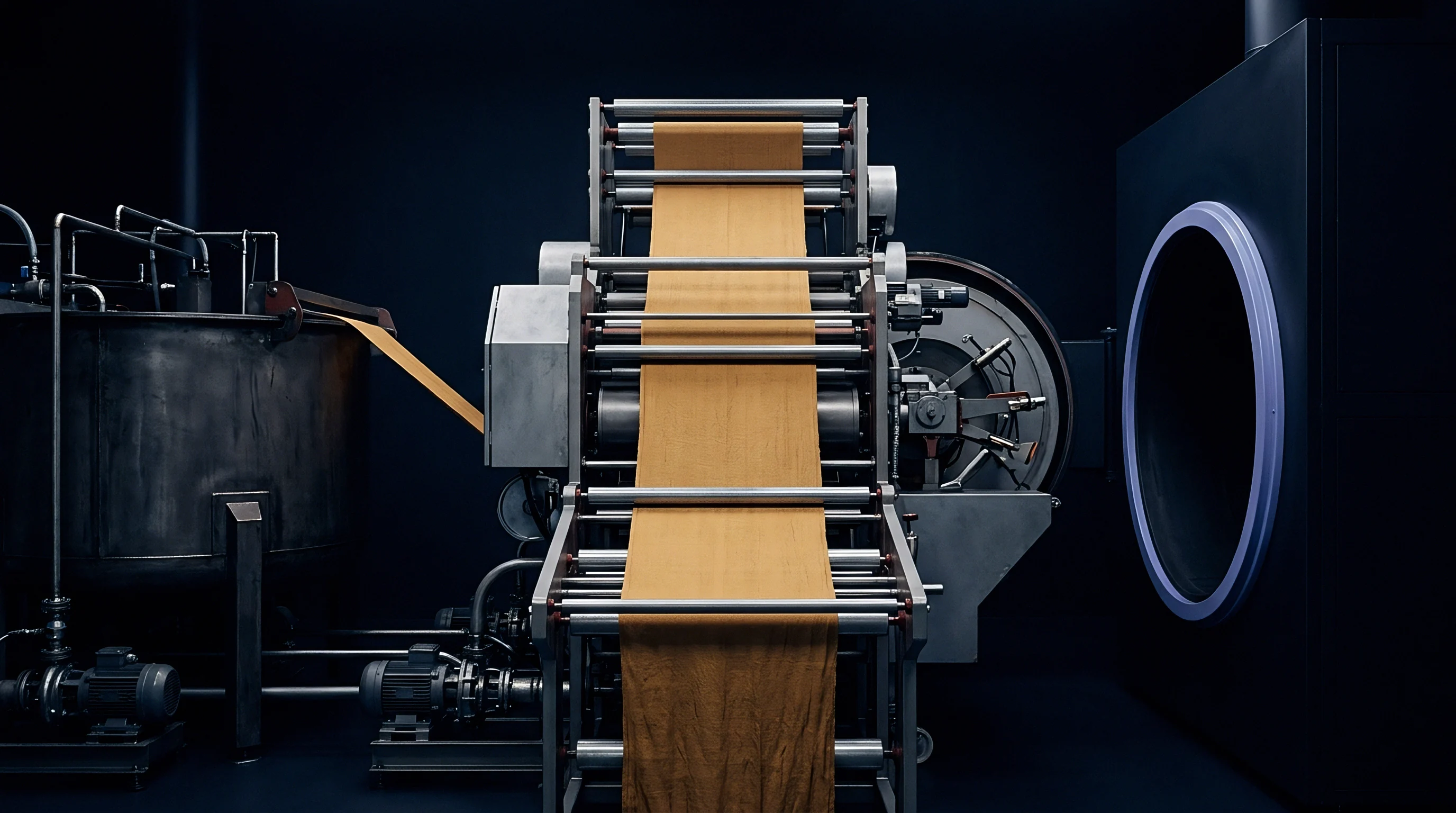

Liquor
Formulating a continuous chemical bath for polyester-cellulosic blends requires balancing two distinct dye classes within a single aqueous system. Disperse dyes dissolve in synthetic polymer matrices at elevated temperatures, whereas reactive or vat dyes form covalent or hydrogen bonds with cellulose hydroxyl groups. Combining these chemistries in one trough requires non-ionic or mildly anionic wetting agents to prevent cross-precipitation.
High shear from rapid circulation pumps can generate foam that breaks the liquid film on squeeze rollers; silicone emulsion or polyether siloxane anti-foaming agents stabilize the surface without compromising wetting kinetics.
Drying speed directly influences the risk of dye migration.
Anti-migrant polymers added to the bath restrict dyestuff movement during initial water evaporation. Sodium alginates, acrylic copolymer salts, and purified galactomannans build a temporary gel network as moisture drops, locking disperse dye droplets and dissolved reactive molecules in place before the web enters the hot flue dryer. Insufficient anti-migrant dosing leaves color concentrated on the fabric surfaces, creating severe shade differentials between the technical face and back.
Dual Dyestuff System Compatibility
Disperse dye selection depends on thermal sublimation resistance during thermosol processing. High-sublimation dyes have larger molecular weights, taking more energy to diffuse into polyester but remaining stable above two hundred degrees Celsius. Medium-sublimation dyes level better on subtle shades but risk volatilizing if fixation temperatures drift high.
Reactive dyes are chosen for low affinity and high solubility ~ such as vinylsulfone or monochlorotriazine structures ~ that resist premature hydrolysis in neutral pad liquor.
Automated alkali dosing maintains the exact pH required for reactive dye fixation without triggering hydrolysis inside the trough. Alkaline agents like sodium carbonate or sodium hydroxide are metered directly into the bath right before the trough inlet. Mixing alkali into bulk storage tanks causes gradual decomposition of reactive dye molecules, reducing color yield and drifting shade over long runs.
AATCC Test Method 135 dimensional stability evaluations confirm that residual padding tension alters post-wash cloth skewing by more than three percent.
Pad liquor temperature shifts exceeding five degrees Celsius alter reactive dye exhaustion kinetics. Maintaining constant bath temperatures prevents shade drift between the start and end of a twenty-thousand-metre dye lot.
Auxiliary Chemical Auxiliaries and Migration Control
Wetting agents drop dynamic surface tension below thirty dynes per centimetre within milliseconds of contact, ensuring liquid fills every inter-yarn void before reaching the squeeze nip. Anionic sulfosuccinates penetrate quickly but foam under turbulent flow; non-ionic ethoxylated alcohols offer low foaming while remaining thermally stable up to sixty degrees Celsius.
| Chemical Component | Function in Bath | Concentration Range | Operational Parameters |
|---|---|---|---|
| Disperse Dyestuff | Coloration of polyester phase | 5.0 to 40.0 g/L | High sublimation fastness, particle size under 1 micron |
| Reactive Dyestuff | Coloration of cellulosic phase | 10.0 to 60.0 g/L | Low substantivity, high bath solubility |
| Polyacrylic Anti-migrant | Restricts dye movement during drying | 10.0 to 20.0 g/L | Viscosity range 150 to 300 cP in bath |
| Non-ionic Wetting Agent | Reduces dynamic surface tension | 2.0 to 5.0 g/L | Low foam rating, cloud point above 70°C |
| Sodium Formate / Acid Buffer | Maintains bath pH for disperse stability | 1.0 to 3.0 g/L | Target pH 5.5 to 6.0 in pad trough |
Sequestering agents deactivate calcium and magnesium ions in process water that would otherwise agglomerate disperse dye particles and cause speckling on pale shades. Polyphosphonates and aminocarboxylates bind these metallic cations without stripping copper or chromium atoms from complex metallized reactive dyes.
- Agglomeration Specks cause tiny concentrated dots of disperse dye due to water hardness or incompatible surfactant interactions.
- Hydrolytic Stripping reduces reactive dye yield when alkaline pad liquor remains in troughs above thirty degrees Celsius for extended durations.
- Surface Foaming creates dry spots and uneven liquor deposition as entrained air bubbles pass through the pad nip zone.
- Viscosity Collapse occurs when anti-migrant polymers break down under intense pump shear, allowing uncontrolled color migration in dryers.
Edge-to-center shade listing is often attributed to substrate variations rather than pad bath instability, but chemical analysis shows that anti-migrant polymer degradation under mechanical shear remains the primary cause in continuous dyeing lines.
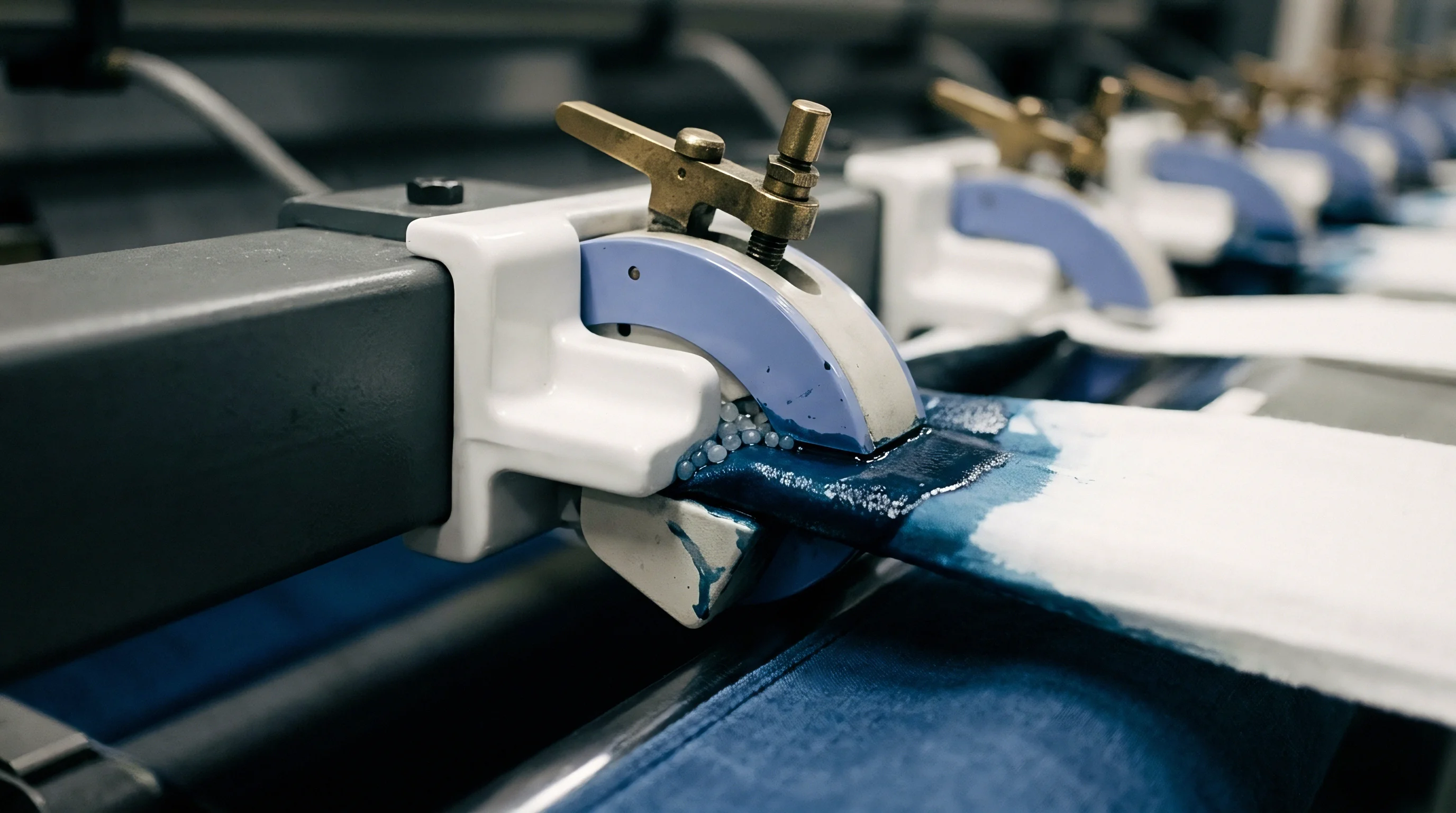
Migration
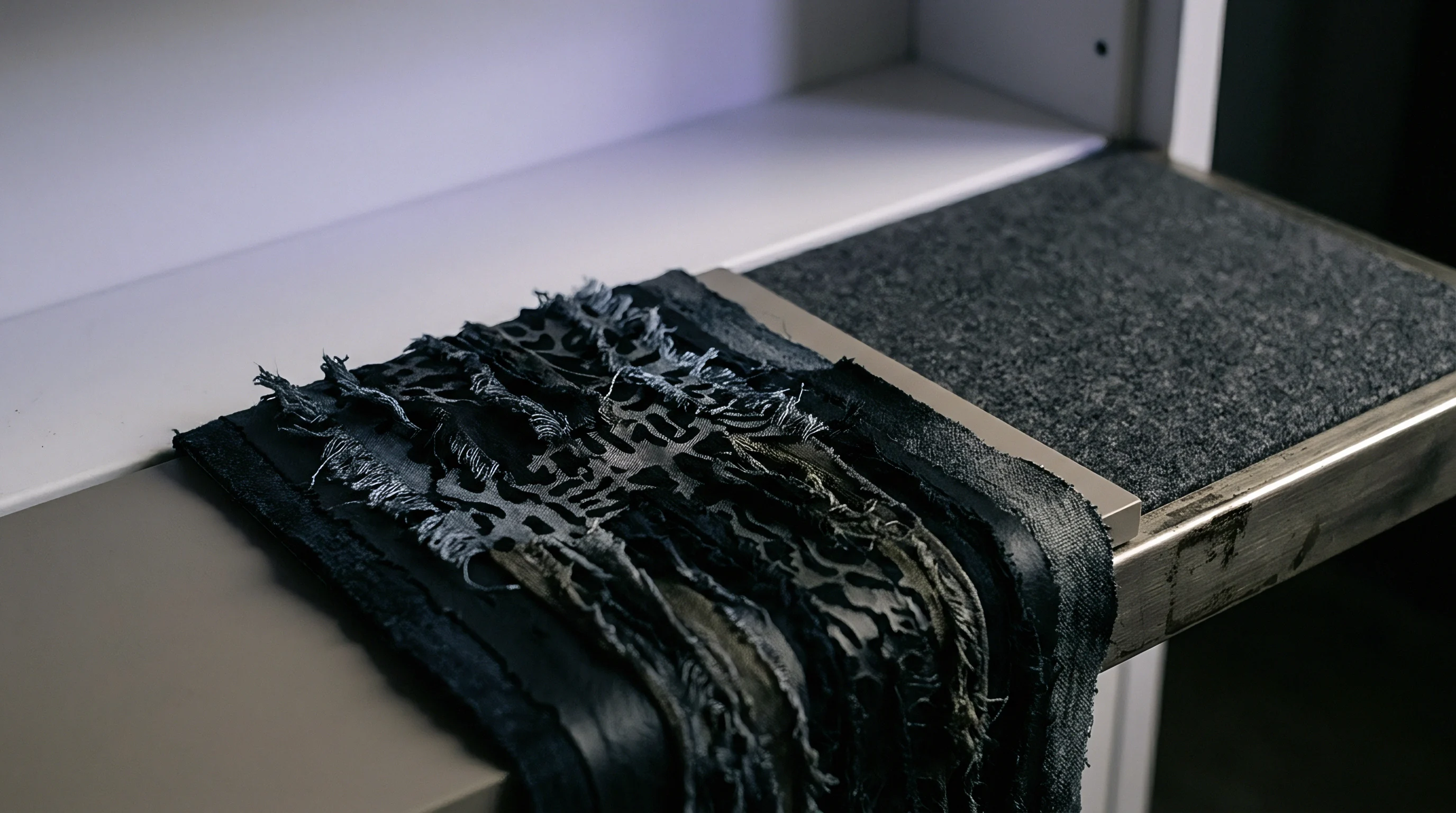
Water evaporating from wet padded cloth draws suspended disperse particles and soluble reactive dye toward the heated outer surfaces. Capillary action pulls water through inter-fiber pores to points of fast evaporation; if this drying is uneven across the face, localized concentration gradients draw color from wet internal zones out to dry surfaces. Controlling early evaporation with precise heating equipment prevents surface frosting, listing, and face-to-back shade variations.
Thermosol temperatures fix disperse dyes, whereas reactive dyes require alkaline conditions.
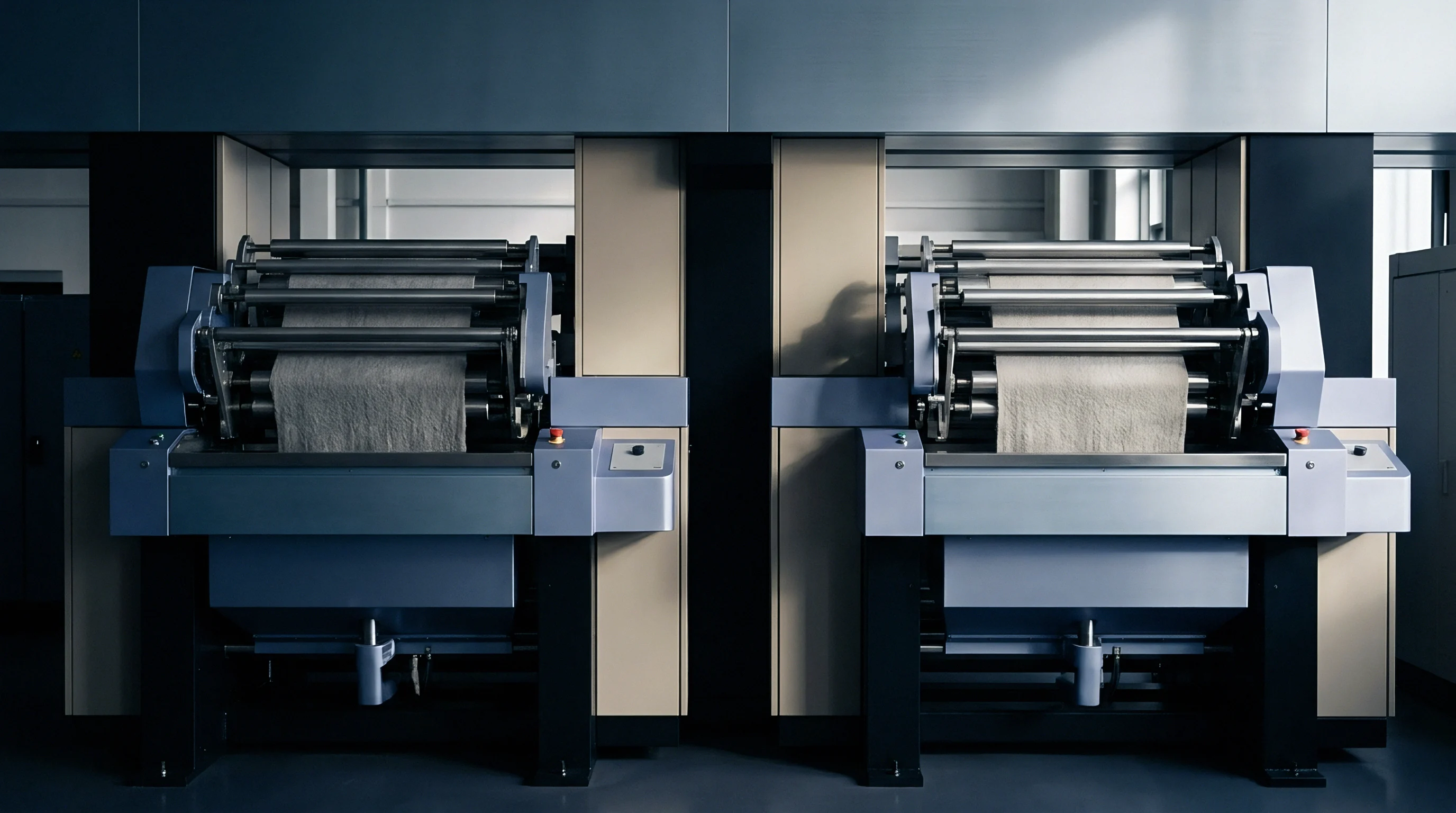
Infrared pre-dryers apply non-contact radiant energy immediately after padding to heat the liquor without touching the fabric. Medium-wavelength electromagnetic waves penetrate the liquid film, directly heating water throughout the material thickness. Evaporating thirty to forty percent of total moisture within the infrared zone thickens the liquor, locking dye particles in place before the web meets metal guide rolls in the hot flue.
Capillary Dynamics in Intermediate Drying
Air velocity and temperature profiles inside hot flue dryers dictate final particle placement. High air speeds striking wet cloth create turbulent boundary layers that accelerate surface evaporation and trigger severe migration defects. Symmetrical air nozzles blowing equal volumes onto the face and back eliminate thermal gradients that push dye molecules toward one side.
Moisture control systems use microwave or capacitance sensors at the hot flue exit to monitor residual water. Moisture content must drop below three percent before entering high-temperature fixation chambers; any remaining moisture in thermofixation zones causes uneven heat transfer, creating shade streaks and reducing disperse dye yield.
Can Infrared Drying Eliminate Color Shadowing?
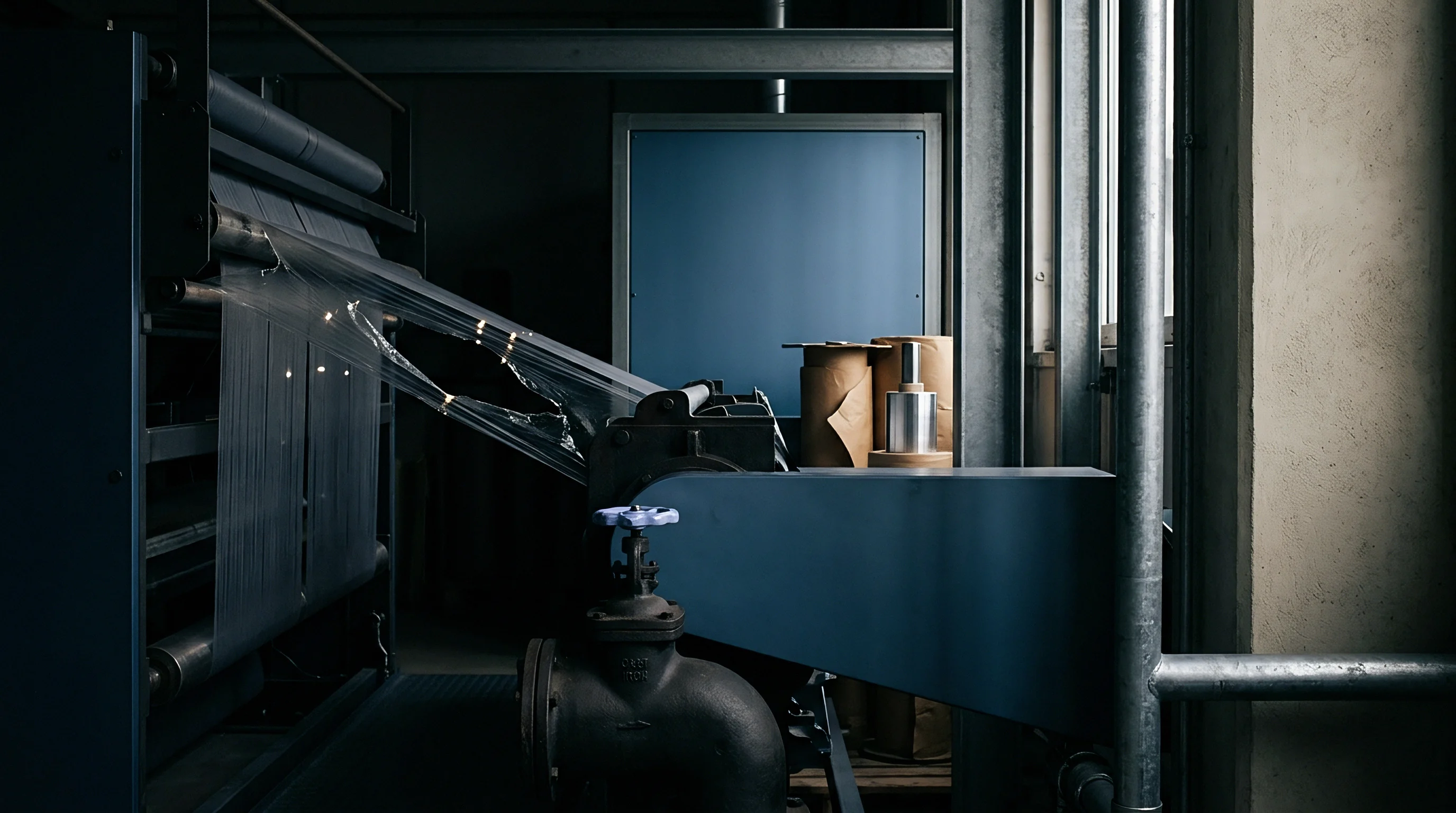
Infrared units remove moisture rapidly, but air circulation inside the drying zone must remain balanced to prevent localized cooling shadows. Drafts entering through machine slots cool the selvedges, establishing a temperature gap between edges and center. Edge heaters with independent controls offset this heat loss to maintain a uniform temperature profile across the roll width.
Rapid moisture evaporation prior to ninety percent water removal pulls unfixed dye molecules to the outer fiber surfaces.
Standard ISO wash methods verify surface clearing efficiency on continuously dyed woven blends. Uncontrolled migration always lowers wet rubbing fastness by concentrating unfixed disperse dye on outer filament surfaces.
Hot flue temperatures require careful tuning, while proper tension control prevents loss of fabric width.
Adjusting fan speed, air temperature, and web tension across hot flue passes stabilizes fabric dimensions. Excessive warp tension during drying stretches cellulosic yarns, narrowing the width and building in internal stresses that lead to post-wash shrinkage. Passive guide roll systems driven by synchronized inverter motors minimize tension spikes, protecting greige dimensions throughout continuous drying.
Unresolved questions persist regarding the exact microscopic threshold where anti-migrant gelation completely stops liquid capillary movement across varying polyester-to-cotton blend ratios.

Fixation
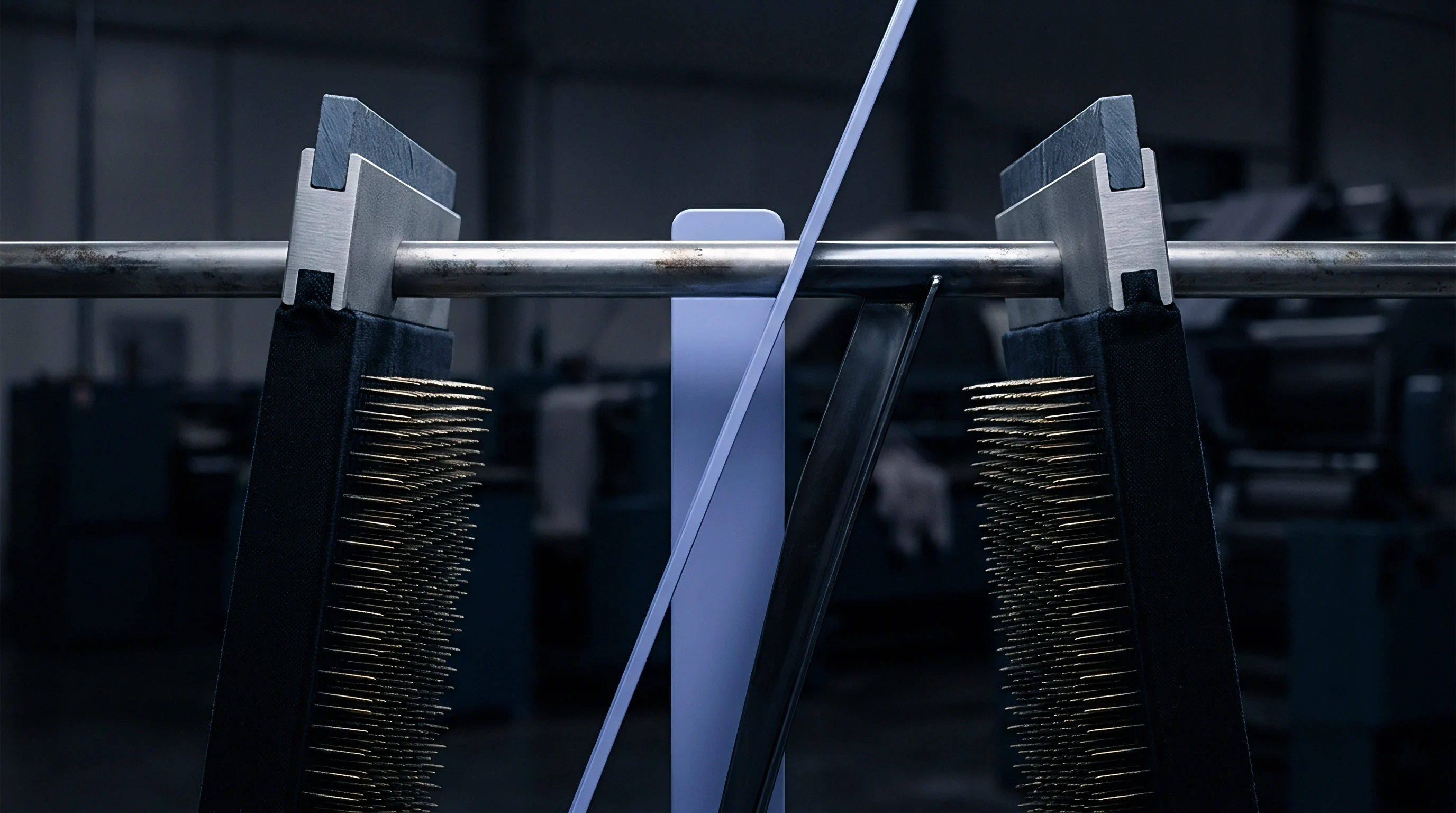
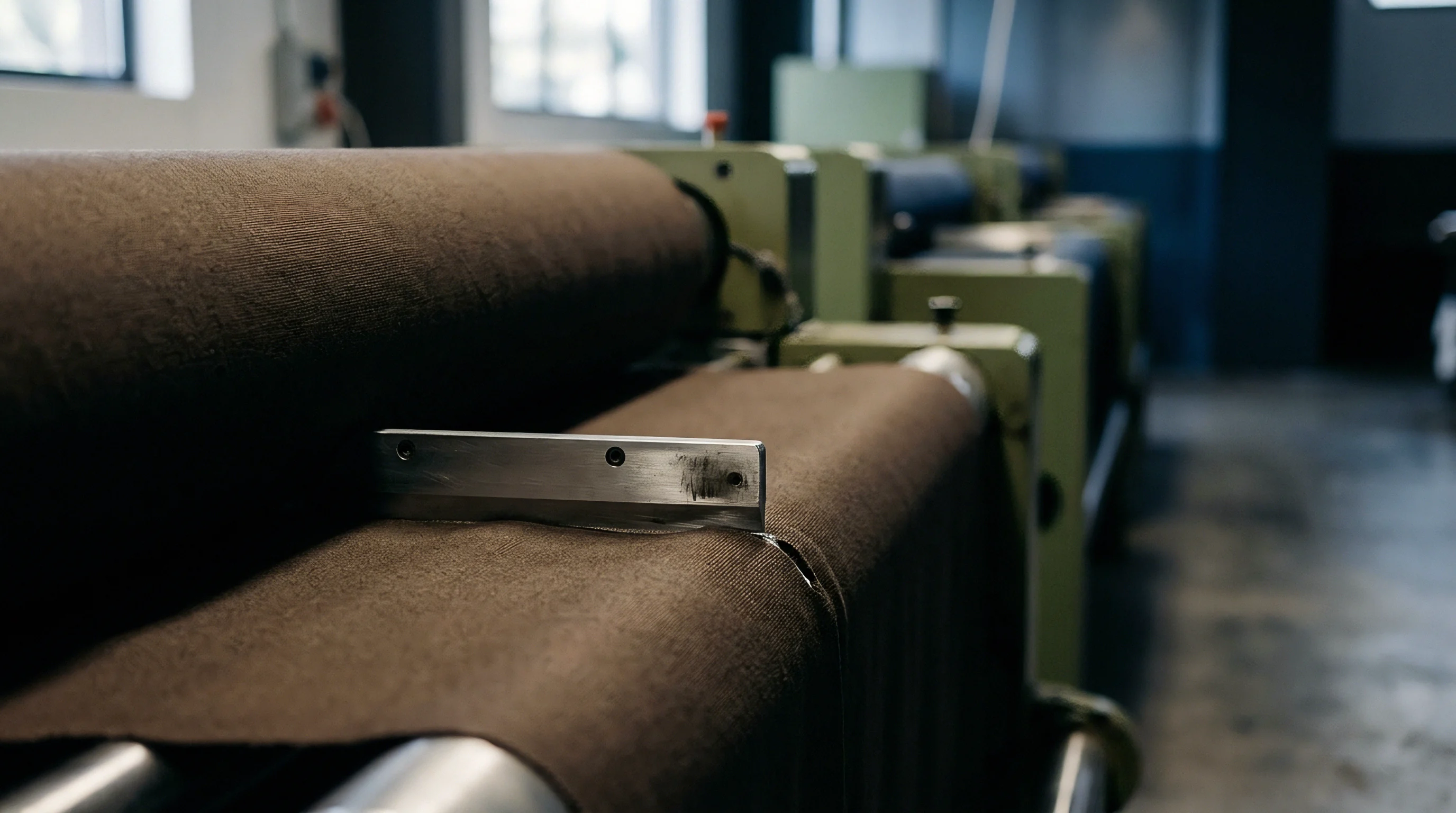
Thermal energy forces disperse dyes into the amorphous regions of polyester fibers before chemical bonds secure reactive dyes to cellulose chains. The thermosol process heats the dry web to between two hundred and two hundred and twenty degrees Celsius for thirty to sixty seconds. At these temperatures, synthetic polymer chains vibrate, opening sub-microscopic voids within the fiber structure so disperse dye molecules can sublime or diffuse straight into the fiber core.
Cooling the substrate immediately after the thermosol chamber collapses the polymer matrix, trapping disperse dye inside the polyester filaments. Temperature control across the oven width must stay within plus or minus one point five degrees Celsius. Temperature drops lead to under-fixation and weak shades, while excessive heat degrades cellulosic fibers, losing strength and yellowing white background areas.
Thermofixation Mechanics for Polyester Fibers
Dry heat transfer relies on forced convection air nozzles or direct contact with heated metal cylinders. Forced convection gives uniform thermal distribution without flattening fabric textures or crushing raised weaves. Air velocity must be balanced across all jet boxes to prevent thermal banding along the warp.
Unfixed dye on the fiber surface severely reduces rubbing fastness.
Blend ratios dictate dwell requirements. Higher polyester content demands longer thermofixation to ensure complete disperse dye diffusion. A sixty-five percent polyester blend processed at two hundred and fifteen degrees Celsius achieves complete fixation in forty-five seconds, whereas a thirty-five percent polyester blend reaches peak diffusion in thirty seconds at the same temperature.
| Blend Ratio (PES / CEL) | Thermosol Temperature | Thermosol Dwell Time | Steam Chamber Temperature | Steam Dwell Time |
|---|---|---|---|---|
| 65% Polyester / 35% Cotton | 210°C to 215°C | 45 to 60 seconds | 102°C saturated steam | 60 seconds |
| 50% Polyester / 50% Cotton | 205°C to 210°C | 40 to 50 seconds | 102°C saturated steam | 60 to 75 seconds |
| 35% Polyester / 65% Cotton | 200°C to 205°C | 30 to 40 seconds | 102°C saturated steam | 75 to 90 seconds |
| 80% Polyester / 20% Viscose | 215°C to 220°C | 50 to 60 seconds | 102°C saturated steam | 45 seconds |
Heat variations above two degrees Celsius directly alter color yield on dark navy disperse formulations.
Reactive Dye Fixation under Saturated Steam
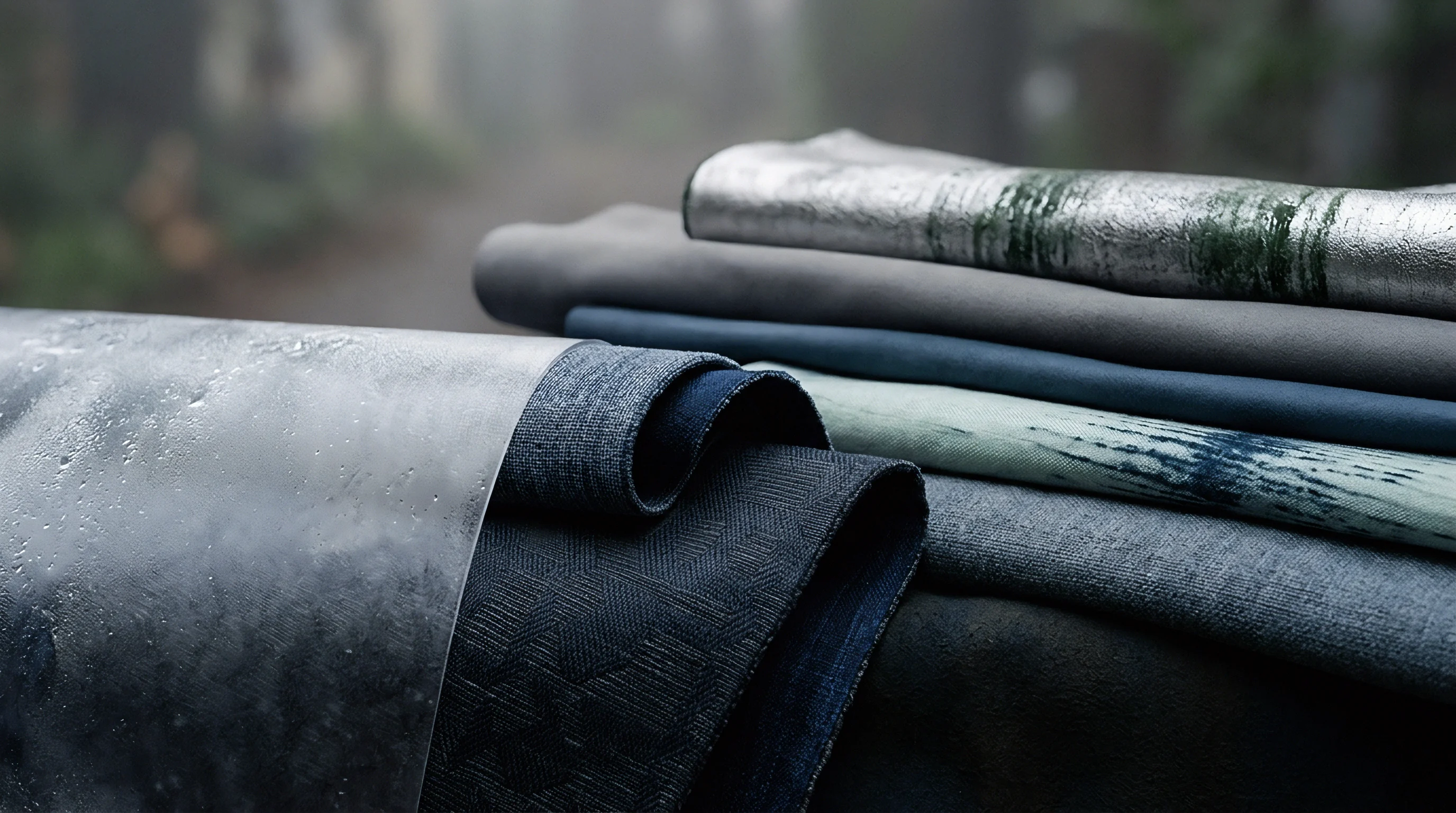
Fixing reactive dyes on the cellulosic portion follows thermosol processing, using either a chemical pad-steam sequence or dry-heat alkali fixation. In pad-steam setups, the web passes through a chemical pad containing sodium chloride, sodium carbonate, and sodium hydroxide before entering a saturated steam chamber. Salt prevents dye from bleeding back into the chemical bath, while alkali raises fiber pH to initiate covalent bonding between reactive dye groups and cellulose hydroxyls.
Continuous thermosol units operating at two percent oxygen depletion prevent thermal degradation of sensitive pale reactive shades.
Saturated steam at one hundred and two degrees Celsius provides the moisture and heat needed to swell cotton fibers, accelerating diffusion and reaction rates. Air entry into the steamer must be prevented; oxygen degrades reactive dyes and causes severe fading. Water locks at entry and exit points seal the chamber, maintaining positive steam pressure and air-free operation.
- Thermal Energy Balance dictates that temperature profile across heating zones must not deviate by more than one point five degrees Celsius.
- Steam Quality Index requires ninety-eight percent saturated dry steam to prevent condensed water droplets from spotting the moving web.
- Alkali Concentration Monitoring verifies chemical pad bath titration levels every thirty minutes during continuous production runs.
- Dwell Time Synchronization links line speed directly to heating chamber length to guarantee exact reaction kinetics for chosen dye classes.
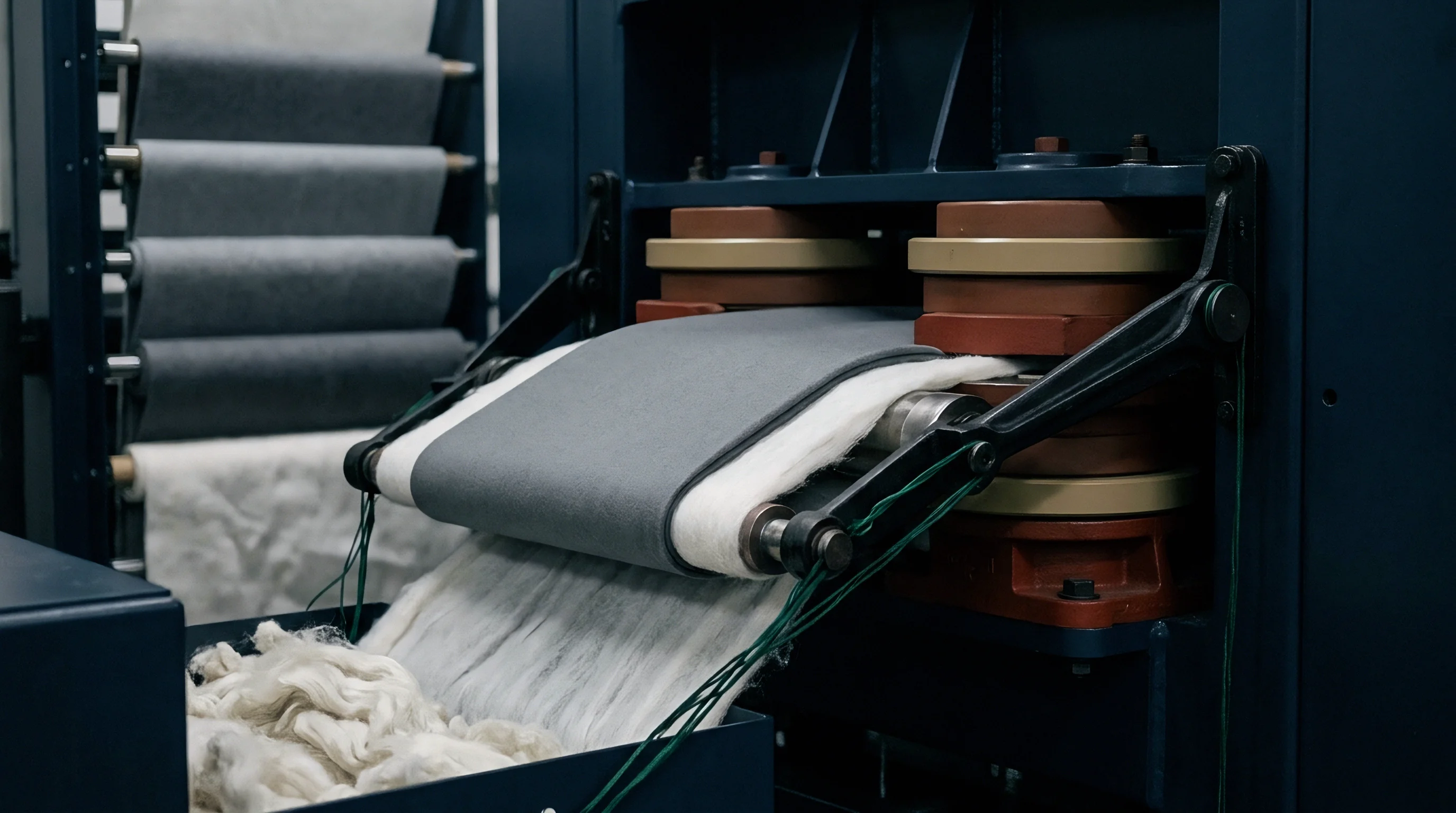
Alternative fixation methods like the EControl process skip chemical padding and steam chambers by fixing reactive dyes inside humidity-controlled drying ovens. Padded fabric passes through a hot flue dryer held at sixty-five degrees Celsius and twenty-five percent relative humidity. Under these conditions, reactive dyes form covalent bonds with cellulose without high alkali doses or saturated steam, lowering chemical consumption and effluent salt loads.
Thermosol temperature targets scale with synthetic fiber content, whereas saturated steam dwell times depend primarily on cellulosic mass.
Fastness
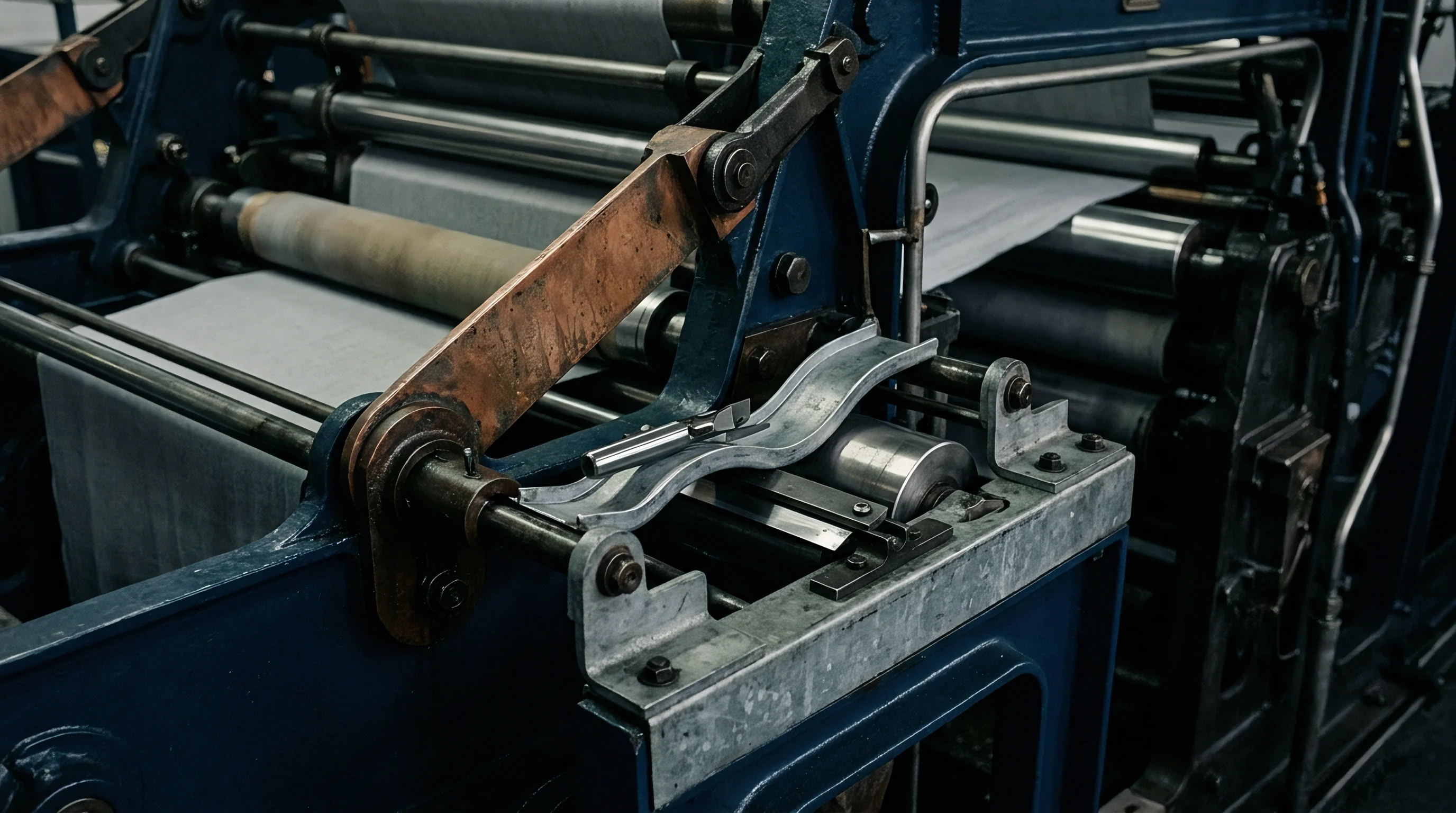
Washing out unreacted dye molecules and loose disperse particles is critical if finished cloth is to remain colorfast during laundering and commercial use. Continuous post-steam washing ranges use counter-current wash boxes to strip away auxiliary chemicals, hydrolysed reactive dyes, and unfixed disperse deposits. Water flows opposite to the fabric path so that the cleanest water meets fabric right at the exit, improving washing efficiency while reducing total water usage.
Thorough washing stages remove unfixed surface color.
Reduction clearing strips unfixed disperse dye clinging to cellulosic and polyester surfaces. An alkaline bath of sodium hydrosulfite and sodium hydroxide reduces insoluble surface disperse dye into water-soluble leuco forms at seventy to eighty degrees Celsius. Chemical concentrations must be controlled carefully to avoid damaging fixed reactive dyes on adjacent cotton fibers.
Surface Clearance and Reduction Washing Protocols
Soaping-off stages follow reduction clearing, using polymeric washing agents to disperse residual dye. Soaping at ninety-five degrees Celsius swells cellulosic fibers, releasing hydrolysed reactive dye trapped in internal pores. Anionic dispersants encapsulate these released dye molecules to stop them from re-depositing on lighter fiber areas.
| Fastness Evaluated | International Standard | Test Parameters | Minimum Acceptable Grade |
|---|---|---|---|
| Color Fastness to Washing | ISO 105-C06 C2S | 60°C, 30 min, perborate wash, steel balls | Grade 4.0 Grey Scale change |
| Dry Rubbing Fastness | ISO 105-X12 | 10 cycles, 9N pressure, dry cotton crock | Grade 4.0 Grey Scale staining |
| Wet Rubbing Fastness | ISO 105-X12 | 10 cycles, 9N pressure, wet cotton crock (65% pick-up) | Grade 3.0 Grey Scale staining |
| Color Fastness to Light | ISO 105-B02 | Xenon arc lamp, exposure up to blue wool 6 | Grade 4.0 Blue Wool scale |
| Perspiration Fastness | ISO 105-E04 | Acid and alkaline solutions, 37°C, 4 hours | Grade 4.0 Grey Scale staining |
ISO testing confirms whether finished goods meet buyer specifications. Lab spectrophotometers evaluate shade shifts and multi-fiber staining strips under standard light sources including D65, TL84, and CWF to catch metameric changes.
Soaping Sequences for Unreacted Reactive Dyes
Acid neutralization boxes using acetic or formic acid bring fabric pH back to neutral, between six point zero and seven point zero. Leaving alkali in cellulosic goods causes yellowing during high-temperature stenter drying and leaves a harsh handle. Neutralization converts residual carbonates into volatile carbon dioxide gas and soluble salts that wash away easily in final rinse troughs.
ISO 105 X12 dry rubbing fastness scores drop below Grade 3 when disperse dye clearing temperatures fall below seventy degrees Celsius.
Shade rejections halt garment cutting, while energy costs directly dictate line velocity.
Inadequate washing shows up as poor wet crocking fastness and staining on adjacent white garment panels during storage. Wash boxes running below eighty-five degrees Celsius fail to remove hydrolysed reactive dye completely, leading to bulk rejections against standard commercial specs.
- Certificate of Analysis stating verified fiber blend ratio and greige yarn construction details signed by accredited mill laboratories.
- Fastness Test Dossier documenting ISO 105 test results for wash, rub, light, and perspiration fastness with spectrophotometer readings.
- Residual Chemical Report confirming compliance with OEKO-TEX Standard 100 alkylphenol ethoxylates and restricted heavy metal limits.
- Shade Approval Continuity Record mapping Delta E color readings across head, middle, and tail end production cut samples.
Standard purchase contracts specify that bulk shipments exhibiting wet rubbing fastness below Grade 3 under ISO 105-X12 trigger mandatory seller re-processing or immediate order cancellation without financial penalty to the buyer.

Surcharge
Financial viability in continuous wet dyeing depends on long yardage runs to absorb setup waste and washdown downtime. Switching colors means flushing pad troughs, hot flues, thermosol chambers, and wash ranges. Minimum color quantities (MCQ) for continuous pad dyeing generally start at three thousand metres per shade; orders below this threshold incur per-metre surcharges to cover chemical loss, energy use, and idle machine time.
Delays during batching alter dye fixation dynamics.
Yield calculations track fabric loss at machine seams, leader attachments, and sampling cuts. Continuous lines waste fifty to one hundred metres of cloth during thread-up and speed stabilization at start-up. Short dye lots lose a larger fraction of ordered yardage to setup scrap, pushing up landed costs on custom small runs.

Yield Metrics and Minimum Run Lengths
Operating expenses divide across chemical inputs, thermal energy for drying and fixation, drive power, wash water, and labor. Thermal energy is the single largest utility cost; firing hot flue dryers and thermosol chambers consumes substantial natural gas volumes. Running continuous ranges at top speed maximizes energy efficiency per linear metre of finished cloth.
Plants specify continuous thermosol pad steam sequences when handling bulk polyester cotton orders over five thousand metres. Shorter order volumes shift toward cold pad-batch routes to avoid excessive thermal energy overheads on small yardages.
Thermal Energy Demands and Yardage Costing
Substrate construction governs line speed, directly affecting daily throughput and yardage costing. Heavy twills that demand high drying energy must run at forty metres per minute, whereas lightweight plain weaves run at eighty metres per minute on the same line. Slower speeds raise thermal energy consumption per metre, requiring higher base pricing to protect dyehouse margins.
Machine downtime from frequent shade changes harms overall line efficiency. Automated dispensing, inline spectrophotometers, and closed-loop process controls maintain consistent parameters, reducing off-shade runs and avoiding costly re-dyeing.
Commercial contracts structure pricing tiers around total shade volume and annual production commitments. Mills offer substantial discounts on runs over ten thousand metres per color because fixed setup costs are spread across higher yardage, lowering unit costs delivered to the cutting room floor.