Aqueous Resistance
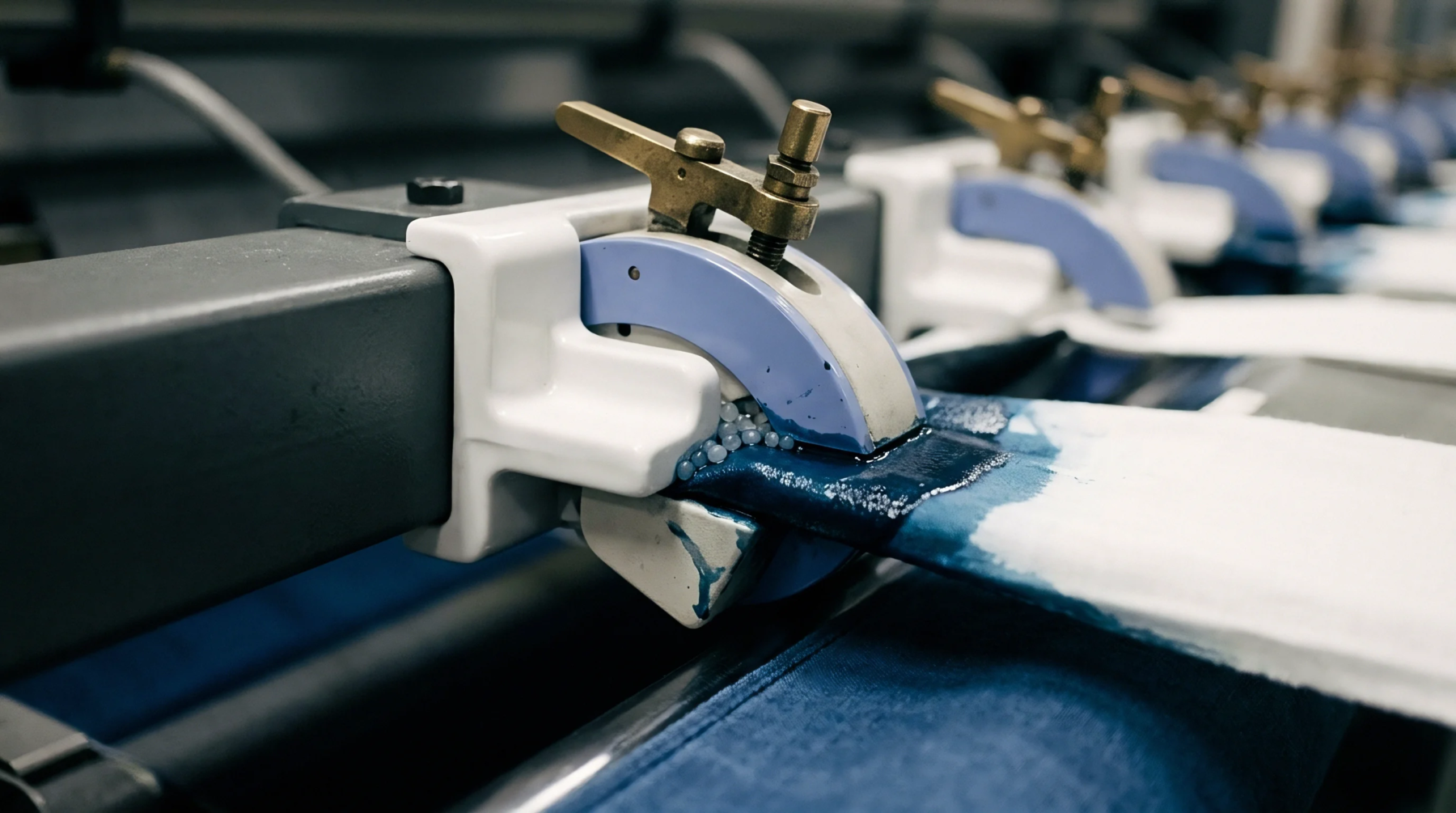
Color retention during laundering evaluates how securely dyestuffs anchor within the cellulose or protein matrix of a yarn during mechanical agitation in heated water. Dye molecules migrate outward when surfactants lower surface tension, releasing loose pigment into the bath and staining adjacent undyed fabrics during domestic cleaning cycles. Laboratory testing subjects dyed swatches to standardized detergent solutions inside a rotary wheel apparatus, where steel balls simulate the abrasive friction of commercial washing machines.
Technicians grade the resulting hue loss and staining against a greyscale comparator under controlled northern daylight illumination.
Thermal Threshold
Surfactant action intensifies when bath temperatures exceed sixty degrees Celsius, accelerating the diffusion of unreacted dye particles out of polyester and cotton blends. Higher thermal energy breaks weak hydrogen bonds holding direct and acid dyes to the fibre surface, increasing the amount of loose color suspended in the wash liquor. Mills counteract this phenomenon by applying cationic fixing agents that bind residual pigment molecules into larger complexes too bulky to escape the yarn structure.
Testing protocols therefore specify exact heating ramps to isolate thermal stripping from chemical degradation during evaluation.
Detergent Formulation
Alkaline builders and optical brighteners added to commercial washing powders attack vulnerable azo bonds in reactive dyestuffs, shifting the perceived shade and lowering overall color depth. Bleaching agents present in heavy duty laundry powders oxidize vulnerable chromophores, turning bright reds and blues into dull, washed out tones before the garment reaches half its expected lifecycle. Quality assurance protocols require laboratories to useECE reference detergents without optical brighteners to prevent fluorescence from interfering with spectrophotometric readings.
Fabric mills negotiate acceptable tolerance grades against these specific chemical formulations before shipping bulk production to retail buyers.
Cross Staining
Solubilized dyestuffs migrate through the aqueous medium and adsorb onto adjacent white panels in a multi fiber test ribbon during standard laundering evaluations. Polyester and nylon filaments absorb dispersed dyes readily through solid solution mechanisms, while cotton panels trap direct dyes via hydrogen bonding. Technicians measure this transfer by comparing the soiled white multifiber strip against a standard rating card, assigning numerical grades from one to five for staining severity.
Buyers reject fabric lots that fail to meet minimum staining thresholds because garment assembly often combines contrasting colored panels in a single finished product.