Liquor Ratio Impact on Dye Yield and Fastness Variance in Heavy Cotton Twills
Lowering liquor ratios elevates dye exhaustion efficiency in heavy twills but demands precise flow control to prevent core-ring shading and crocking failure.


Exhaustion
Cellulosic bath dynamics shift when the bath volume per unit weight of fabric drops from traditional ratios to modern low-liquor configurations. In heavy cotton twills weighing 350 to 500 grams per square metre, the reduced water volume alters the thermodynamic equilibrium between dissolved dye molecules and the solid fiber matrix. Lowering the liquor ratio from 1:10 to 1:4 increases the concentration of both reactive dye and inorganic salt in the aqueous phase by a factor of two point five, assuming constant chemical mass relative to fabric weight.
This concentration gradient accelerates initial adsorption, driving higher equilibrium uptake of the dye onto the accessible hydroxyl groups of the cotton fiber.
High-density twill weaves present dense yarn bundles and restricted capillary channels that resist rapid fluid exchange. Ring-spun yarns constructed with high twist multipliers further compress the inner core of the yarn, creating a diffusion barrier. When liquor ratios are compressed, higher bath concentration forces a steeper concentration gradient across the outer boundary layer of the yarn.
This force increases total dye uptake per unit time, elevating the overall shade depth achieved for a given mass of dye chemical loaded into the machine.
Bath Density and Dye Bath Adsorption Dynamics
Dyeing kinetics in low-liquor environments follow modified Langmuir and Freundlich adsorption isotherms. In high-ratio systems, vast water volumes cushion the thermodynamic affinity of reactive dyes, requiring elevated salt additions to shield the negative zeta potential of cotton fibers in water. In low-ratio systems, the proximity of dye molecules to fiber surfaces reduces the electrical double-layer barrier, increasing substantivity.
Standard reactive dye bath liquor ratios historically operated at 1:10 to 1:15 in conventional winch and jet machinery. Modern ultra-low liquor ratio soft-flow and air-assisted jet dyeing machines operate at ratios between 1:4 and 1:6 for woven substrates. Reducing liquor ratio elevates dye concentration inside the bath, which shifts the bath equilibrium toward fiber adsorption without requiring linear increases in electrolyte loading.
Consequently, liquor ratio reduction serves as a primary driver of bath yield efficiency.
Achieving an 88 percent dye uptake on a 420 GSM twill at a 1:5 liquor ratio cuts total salt consumption by 45 percent compared to a 1:12 bath.
Excessive initial adsorption velocity creates operational hazards in heavy cotton twills. Rapid migration of dye out of the bath onto surface fibers generates unlevelness, commonly appearing as streakiness along the twill diagonal or shade shading across the width of the fabric bolt. High bath concentrations combined with dense yarn packing cause the outer fibers of the yarn bundle to exhaust the dye liquor before the fluid penetrates into the yarn interior.
The outer fibers achieve saturated shade depth while internal fibers remain under-dyed, establishing a condition known as ring dyeing.
Spectrophotometric Color Yield Metrics across Ratio Bands
Color strength evaluated by spectrophotometric measurements reveals a direct correlation between liquor ratio compression and color yield, expressed as the total color value K/S calculated via the Kubelka-Munk equation. At lower liquor volumes, the equilibrium exhaustion percentage rises, yielding higher K/S values for identical dye application formulas. Spectrophotometric data gathered across heavy 3/1 twill fabrics demonstrate that decreasing the liquor ratio from 1:12 to 1:4 yields up to a 22 percent increase in K/S value depending on the dye molecular weight and salt sensitivity.
| Liquor Ratio | Dye Exhaustion (%) | K/S Value (at 600 nm) | Equilibrium Bath Conc (g/L) | Shade Levelness (Delta E max) |
|---|---|---|---|---|
| 1:15 | 68.4 | 11.20 | 0.84 | 0.22 |
| 1:10 | 74.2 | 12.85 | 1.29 | 0.31 |
| 1:8 | 78.9 | 13.90 | 1.58 | 0.45 |
| 1:6 | 83.5 | 15.10 | 2.20 | 0.68 |
| 1:4 | 88.1 | 16.45 | 3.56 | 1.15 |
The yield enhancement observed at ultra-low liquor ratios plateaus as the system approaches fiber saturation. For a 400 GSM twill, gains in K/S value per unit volume reduction diminish below a 1:5 ratio, while the risk of shade variance increases exponentially. The dense structure of heavy twill restricts bulk fluid transport through inter-yarn voids, turning micro-level liquor distribution into the primary bottleneck for shade uniformity.
Uncontrolled bath exhaustion leads to localized dye depletion in the bath surrounding the fabric rope. When a dense twill rope passes through a jet nozzle at high speed, the fabric mechanically squeezes out liquor. If the liquor ratio is insufficient to re-saturate the compressed yarn bundle immediately upon leaving the nozzle zone, the fabric absorbs dye unevenly along its length.
The operational question remains whether chemical leveling additives can fully suppress exhaustion variance when mechanical liquor flow falls below the critical saturation threshold of a 450 GSM twill construction.
Permeability
Woven architecture dictates boundary limits of fluid movement through heavy cotton substrates during wet processing. A 3/1 right-hand twill weighing 420 GSM with 90 ends per inch and 52 picks per inch exhibits high structural asymmetry. Warp yarns dominate the fabric surface, creating long twill floats that restrict perpendicular fluid flow through the fabric plane while forming directional micro-channels along the twill diagonal.
These micro-channels redirect liquid flow, forcing dye liquor to travel preferential paths during jet processing.
Yarn manufacturing parameters establish secondary resistance to fluid transport. Ring-spun yarns spun with a twist factor of 4.2 produce compact fiber arrangements with low internal porosity. Open-end rotor yarns of equivalent linear density display a bulky outer wrapper layer around a dense core, yielding different capillary suction pressures.
In both yarn types, liquor must migrate from inter-yarn voids into intra-yarn capillaries through liquid displacement under mechanical pressure applied by the jet nozzle.
Structural Geometry of Heavy Woven Fabrics
Warp cover factor and weft cover factor together determine open area in the fabric grid. Calculating fractional cover factor using fiber density and yarn count reveals that heavy twills often exceed a total combined cover factor of 1.15, indicating substantial yarn overcrowding and geometric jamming. Under jammed conditions, fabric pore size drops below 15 micrometres, restricting bulk liquor passage through the weave matrix.
When liquor ratio drops, the volume of free bath liquid available to flood fabric pores decreases proportionally. At a 1:4 liquor ratio, a 400 GSM twill retains nearly its entire bath volume within its own internal capillary structure as bound liquid. The absence of excess free liquor prevents passive immersion leveling, forcing the system to rely entirely on forced mechanical interchange driven by nozzle pressure and fabric mechanical action.
The mechanical exchange sequence during low-liquor jet processing follows a discrete physical path:
- Hydrostatic Compression occurs inside the jet nozzle where mechanical pressure forces liquor into the high-density warp float intersections.
- Capillary Suction draws dissolved dye molecules into the intra-yarn voids as the fabric exits the nozzle and relaxes within the transport tube.
- Inter-Yarn Transport redistributes liquor across adjacent warp and weft intersections along the directional pathways formed by the twill diagonal.
- Intra-Yarn Core Diffusion drives dye molecules from the high-concentration yarn exterior into the low-concentration center of the yarn bundle.

Hydraulic Mechanics of Core Yarn Saturation
Core yarn saturation requires sufficient dwell time under hydraulic pressure to overcome capillary entry pressure in dense cotton yarn bundles. Cotton fibers possess natural waxes and pectins in their raw state, but even fully scoured and bleached ring-spun cotton yarns retain hydrophobic air pockets inside high-twist cores. High bath viscosity or rapid liquor depletion during initial contact prevents full core penetration.
Ring-dyeing occurs when dye molecules fix to exterior fibers before reaching the core of heavy yarns. When ring-dyed fabrics undergo abrasive wear or wet rubbing, the superficial outer fiber layer wears away, exposing the undyed white core beneath. This structural breakdown manifests as premature color fading along garment seams, pockets, and high-abrasion zones, failing international garment durability standards.
A purchase order specifying ISO 105-X12 wet crocking Grade 4 minimum invalidates fabric deliveries where core ring-dyeing yields surface fiber shearing during dry rubbing tests.
Low liquor ratios exacerbate ring-dyeing by increasing the strike rate of the dye while reducing total liquid volume driving penetration. Increasing machine pump frequency elevates contacts between fabric and liquor per minute, compensating for low volume. If fabric speed is set to 350 metres per minute with a batch length of 700 metres, the fabric completes one cycle every two minutes.
At a 1:4 liquor ratio, a two-minute cycle time yields only thirty liquor contacts during a sixty-minute dyeing process, which is insufficient for heavy ring-spun twills requiring deep core saturation.
Flow mechanics inside jet dyeing machines rely on differential pressure to move liquor across the fabric rope. Pressure drops measured across heavy twill fabric ropes in soft-flow jets show that thick fabric profiles induce high hydraulic resistance, reducing effective flow rates by up to 35 percent compared to plain weave poplins of lower weight. Increasing pump output restores flow velocity, but excessive pressure causes surface pilling and mechanical abrasion on soft-twist twill floats.
Heavy twills require balanced liquor flow and fabric speed to maintain uniform liquor distribution across every square centimetre of cloth. Machine adjustments must ensure fabric saturation remains above 100 percent of dry fabric weight throughout the vessel dwell phase. High fabric density limits internal liquor exchange, establishing a baseline rule that liquor ratio reductions must be paired with reduced batch lengths to preserve cycle frequency.
Fixation
Chemical bonding between reactive dyes and cotton cellulose occurs via nucleophilic substitution or addition reactions under alkaline conditions. The efficiency of this reaction hinges on the ratio of active dye-fiber bonding to competing dye-water hydrolysis. Low liquor ratios alter this reaction balance by increasing the concentration of fiber hydroxyl ions relative to total water molecules in the system, favoring covalent bond formation with the cellulose substrate.
Hydrolysis destroys reactive dye sites, turning active dye into unreactive hydrolysate that cannot form covalent bonds with cotton. Hydrolysate must be completely washed out of the fabric during post-dyeing processing to ensure fastness. Low liquor ratios reduce the absolute mass of dye hydrolyzed in the bath because a higher fraction of total dye molecules adsorbs onto the fiber before alkali is added to initiate fixation.
Hydrolytic Kinetics in Concentrated Dye Liquors
Fixation efficiency measures the percentage of original dye mass added to the bath that forms permanent covalent bonds with the cellulose fiber. Heterobifunctional reactive dyes containing both monochlorotriazine and vinyl sulfone reactive groups display elevated fixation percentages at low liquor ratios due to enhanced exhaustion prior to alkali dosing. High bath concentration forces the equilibrium toward fiber attachment, maximizing the probability of dye-hydroxyl reaction over dye-hydroxyl water reaction.
| Liquor Ratio | Alkali Dosing Method | Fixation Efficiency (%) | Hydrolyzed Dye (%) | Shade Delta E (CMC 2:1) |
|---|---|---|---|---|
| 1:10 | Linear (Linear dose over 30 min) | 71.2 | 28.8 | 0.35 |
| 1:10 | Progressive (Exponential dose over 45 min) | 76.5 | 23.5 | 0.22 |
| 1:5 | Linear (Linear dose over 30 min) | 81.4 | 18.6 | 0.88 |
| 1:5 | Progressive (Exponential dose over 45 min) | 86.8 | 13.2 | 0.31 |
| 1:5 | Shock (Single dose at start) | 68.9 | 31.1 | 1.85 |
Bath salinity plays a dual role during fixation. Sodium sulfate or sodium chloride is added to neutralize negative surface charge on cotton, allowing anionic dye molecules to approach the fiber. At a 1:5 liquor ratio, required salt concentration drops from 80 grams per litre down to 40 grams per litre while maintaining identical ionic strength per unit of fabric surface.
Oversaturating a low-liquor bath with salt causes premature dye aggregation, causing surface precipitation that ruins wet fastness.
Dosing Strategies for Level Fixation across Heavy Substrates
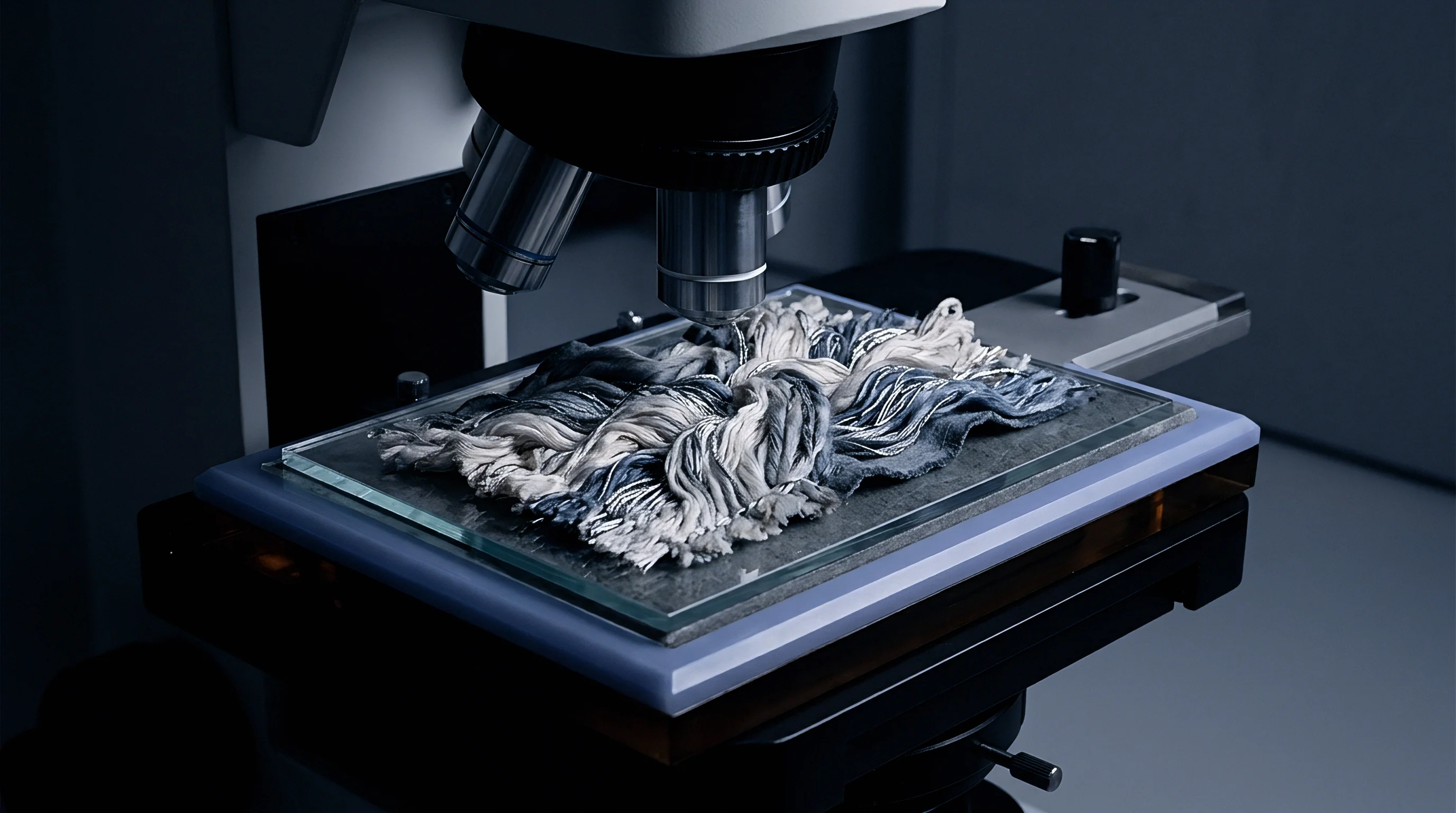
Alkali delivery timing controls the rate of covalent bond formation. Adding alkali too rapidly to a concentrated, low-liquor dye bath triggers instantaneous fixation of exhausted dye on the outer surface of heavy twill yarns. This rapid reaction locks dye molecules in place before they can diffuse into internal yarn channels, resulting in severe unlevelness and poor penetration.
Progressive alkali dosing mitigates rapid strike rates by introducing sodium carbonate or sodium hydroxide in exponentially increasing increments over an extended time window. Initial dosing begins at low concentrations to initiate controlled fixation on outer fibers while allowing remaining dissolved dye to migrate into inner core zones. Subsequent dosing ramps up pH to drive final reaction completion across the full fabric profile.
An audit rejected 12,000 metres of 450 GSM twill dyed at a 1:4.5 liquor ratio because the mill applied a single-stage alkali injection. The rapid pH jump from 6.5 to 11.5 caused immediate surface fixation, yielding severe listing where fabric edges measured two Delta E units darker than the center. Correcting this lot required chemical stripping via sodium hydrosulfite and high-temperature re-dyeing, which permanently degraded fabric tearing strength by 18 percent.
Electrolyte and alkali management in low liquor ratios demands high precision in chemical measurement. Water hardness must be controlled below 5 parts per million to prevent calcium and magnesium salt precipitation in concentrated baths. Chelating agents added to low-liquor dye baths must be non-demetallizing to avoid stripping core metal atoms from phthalocyanine blue and green reactive dyes.
Fixation efficiency improvements at low liquor ratios reduce raw material consumption, but unlevel fixation increases re-dye rates if dosing curves are not calibrated to fabric weight and density. Dosing hardware must deliver alkali solution uniformly into the main liquor circulation stream ahead of the jet nozzle to prevent localized high-pH pockets from contacting the fabric rope.
Rubbing
Fastness metrics evaluate resistance to shade loss or color transfer during mechanical abrasion, washing, and environmental exposure. Heavy cotton twills are prone to rubbing fastness failure, also known as crocking failure, due to their raised twill ribs and high surface friction coefficients. Reducing the liquor ratio directly impacts crocking performance by altering the ratio of chemically fixed dye to physically deposited hydrolysate on the surface of the fabric.
Unfixed reactive dye molecules that hydrolyze in the dye bath do not form covalent bonds with cellulose. Instead, these molecules aggregate into insoluble clusters that trap mechanically within the outer micro-fibrils of the yarn. Under low liquor ratios, bath hydrolysate concentration is high, increasing surface deposition during the final bath drain phase if post-dye washing is insufficient.
What Triggers Heavy Twill Surface Crocking Defects?
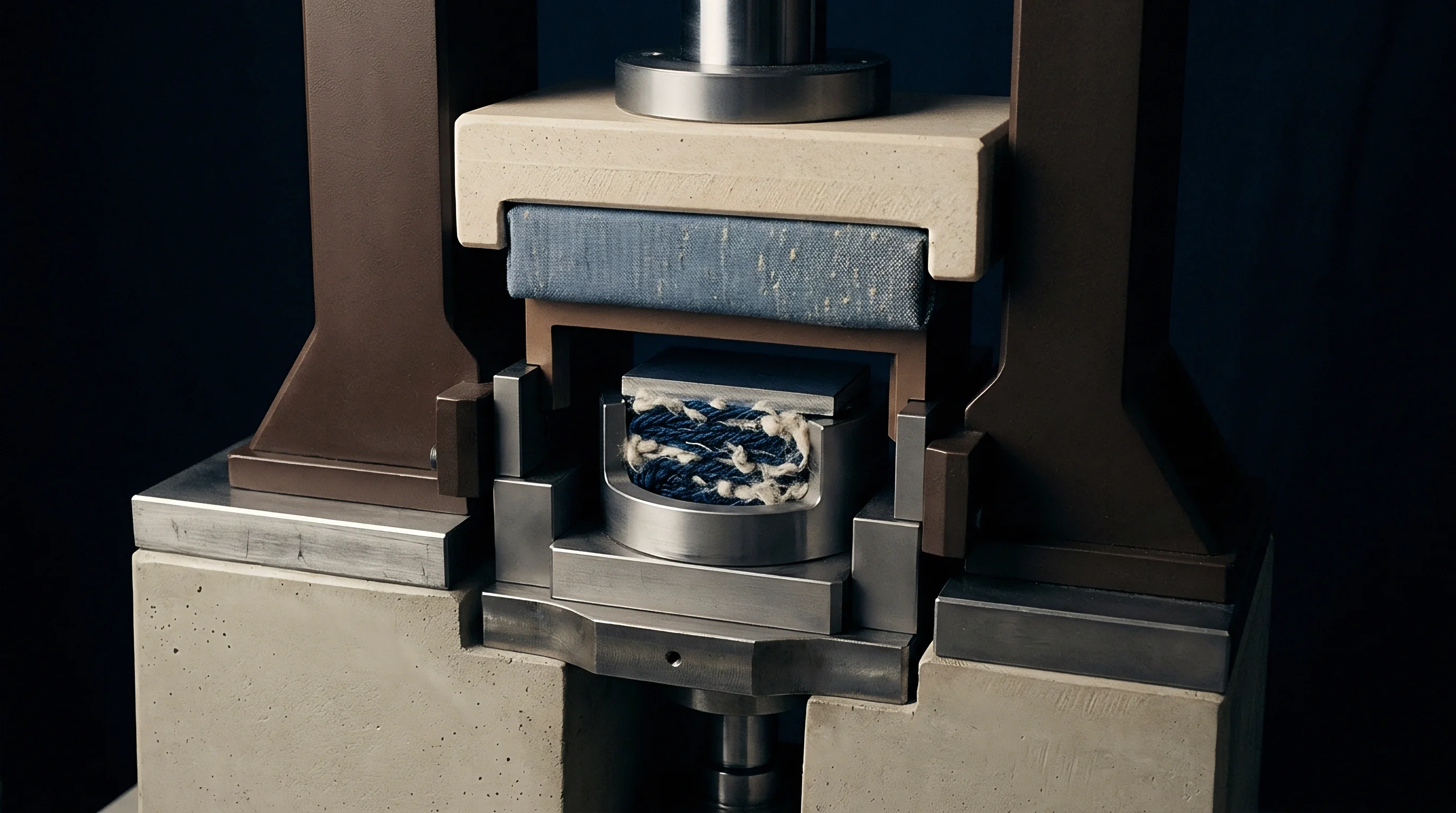
Crocking failures occur when surface-deposited dye transfers onto a dry or wet white test cloth under mechanical pressure according to ISO 105-X12 or AATCC 8 test methods. Dry crocking measures transfer driven by mechanical shearing of loose surface fiber and particulate dye. Wet crocking evaluates transfer accelerated by liquid moisture, which solubilizes unfixed surface dye and lubricates fiber-to-fiber friction.
Heavy twills present structural challenges for crocking due to the prominent 3/1 twill line, which acts as a mechanical rasp during testing. At lower liquor ratios, three distinct phenomena combine to reduce wet crocking fastness by up to one full grade on the ISO grey scale:
- Surface Hydrolysate Agglomeration occurs when high bath concentrations cause unattached dye to precipitate onto outer twill crown fibers during cooling and draining.
- Incomplete Core Diffusion leaves high dye mass concentrated on outer yarn boundaries, increasing total color mass available for mechanical transfer under surface rubbing friction.
- Salt Crystallization Trapping happens when residual electrolyte salts crystallize within surface micro-fibrils during drying, locking hydrolysates onto high-friction yarn crowns.
- Redeposition during Rinsing results from using low liquor ratios during post-wash cycles, where dissolved hydrolysate re-adsorbs onto fabric surfaces instead of washing to drain.
Wash-Off Dynamics and Hydrolysate Clearance Mechanisms
Clearing hydrolysate from high-density fabrics requires high-diffusion washing conditions. The rinse sequence must extract trapped dye molecules from intra-yarn capillary networks and carry them into the bulk liquor. Dynamic rinse modeling shows that wash-off efficiency depends on fluid shear stress at the fabric boundary layer and total liquid volume available to dissolve extracted dye.
Dyeing heavy twills at a 1:4 liquor ratio does not mandate rinsing at 1:4. Efficient wash-off protocols expand the liquor ratio during post-dyeing rinse cycles to 1:8 or 1:10. Expanding rinse volume creates a strong concentration gradient from the fabric interior outward to the wash bath, accelerating diffusion of unfixed dye out of dense yarn cores.
Thermal rinsing curves must be managed carefully. Initial post-dyeing rinses should run warm at 50 degrees Celsius to clear residual salt and alkali without triggering thermal shock, which traps hydrolysates inside collapsed fiber structures. Subsequent soaping steps require temperatures between 90 and 95 degrees Celsius with specialized polymeric washing-off agents that encapsulate hydrolysates, keeping them suspended in the bath and preventing re-deposition onto fabric surfaces.
Disputes over crocking often involve claims that heavy twills dyed to deep shades naturally fail wet crocking because cotton fibers fragment under test pressure regardless of liquor ratio. Laboratory testing disproves this argument: expanding post-dye rinse liquor ratios from 1:5 to 1:10 while adding an acid de-sizing drop cleared surface hydrolysates completely, raising wet crocking performance from Grade 2.5 to Grade 4 on identical 420 GSM dark navy twill.
Washing fastness evaluated under ISO 105-C06 test conditions demonstrates that low-liquor dyeing systems achieve equivalent wash fastness to high-liquor systems provided the hydrolysate clearing phase is uncompromised. If mills run low liquor ratios across both dyeing and rinsing phases to minimize water metrics, retained hydrolysates cause severe staining on adjacent multifiber test strips during home laundering cycles.
Scale
Transitioning a dye formula from a benchtop laboratory machine to a full-scale production jet dyeing vessel introduces hydro-mechanical variables that disrupt color matching and fastness consistency. Laboratory liquor ratios are frequently configured at 1:10 or 1:12 using static or oscillating beaker systems like infrared or beaker-dyeing units. These laboratory machines move the fabric sample through a stationary bath or agitate small liquor volumes, generating fluid dynamics that differ fundamentally from commercial jet machines.
Production jet dyeing machines running heavy cotton twills operate at low liquor ratios, typically between 1:4 and 1:6, while moving fabric ropes weighing 150 to 250 kilograms per tube at speeds up to 400 metres per minute. The intense mechanical action of the jet nozzle, combined with hydraulic pressure and rapid rope compression, alters dye adsorption kinetics compared to lab beakers. Formulas optimized in lab beakers produce off-shade results, tailing, and unlevelness when loaded directly into low-liquor production equipment.
Discrepancies between Laboratory Beakers and Production Jets
Liquor ratio discrepancies between lab and bulk originate from physical limitations in laboratory hardware. Standard laboratory pots cannot achieve the low liquor levels of production jets without leaving small fabric swatches partially exposed above the liquor surface, causing localized drying and oxidation stains. Consequently, laboratory shade recipes are developed at elevated liquor ratios where fluid submergence is absolute.
When a laboratory formula developed at 1:10 is transferred to a production jet operating at 1:5, the total water volume per kilogram of fabric drops by 50 percent. If the laboratory recipe specifies chemical additions in grams per litre rather than percentage of fabric weight, the absolute mass of dye loaded into the bulk machine doubles relative to fabric mass, resulting in massive shade oversaturation. Conversely, if chemicals are calculated on fabric weight, the bath concentration doubles, accelerating strike rate and altering final shade hue.
| Process Parameter | Lab IR Beaker | Soft-Flow Production Jet | Air-Assisted Production Jet |
|---|---|---|---|
| Standard Liquor Ratio | 1:10 | 1:6 | 1:4 |
| Fabric Velocity (m/min) | Static / Oscillating | 250 – 350 | 350 – 450 |
| Nozzle Pressure (bar) | 0.0 | 0.8 – 1.4 | 1.8 – 2.5 |
| Cycle Dwell Time (sec) | Continuous immersion | 90 – 120 | 60 – 80 |
| Bath Concentration Factor | 1.0x (Baseline) | 1.67x | 2.50x |
| Mechanical Fabric Friction | Low | Moderate | High (Air transport) |
Bridging the scale-up gap requires clear lab-to-bulk conversion protocols. Laboratory dispense systems must emulate production liquor ratios by using specialized low-liquor lab dyeing units equipped with forced-circulation pumps. If conventional lab beakers are used, shade formulas must pass through a mathematical correction factor that adjusts salt, alkali, and dye percentages based on documented exhaustion curves specific to the target production vessel.
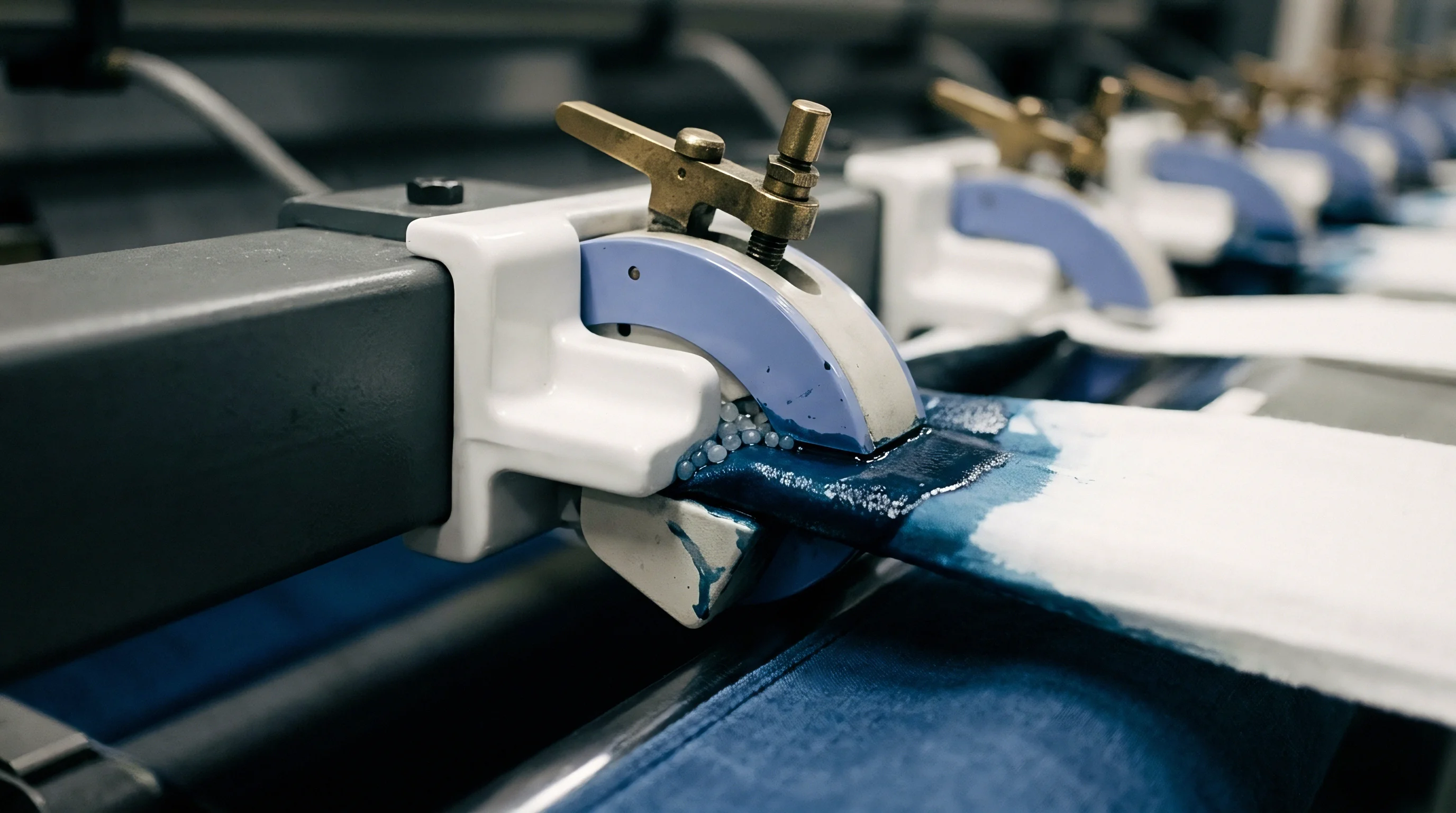
Mechanical Hydrodynamics and Fabric Cycle Dynamics
Rope turnover rate dictates shade levelness in continuous jet dyeing. In a vessel loaded with 200 kilograms of 420 GSM twill, a fabric rope measuring 480 metres running at 300 metres per minute requires 1.6 minutes to complete one full cycle through the nozzle. During a 40-minute fixation phase, every section of the fabric rope passes through the nozzle zone only 25 times.
If the liquor ratio is compressed to 1:4, the total volume of liquor circulating through the pump per minute must be calibrated to ensure full rope saturation during every nozzle pass. If pump flow drops below fabric absorption capacity, sections of the rope pass through the nozzle dry or under-saturated, causing intermittent shade light spots, known as tailing or channel shading, along the roll length.
Scale qualification protocols must evaluate four primary parameters before approving a lab dip formula for bulk production on heavy twill:
- Liquor Volume Parity requires adjusting chemical dosage calculations to match the exact liquid-to-fabric mass ratio of the destination bulk machine.
- Cycle Frequency Verification ensures fabric rope speed yields a minimum of 30 nozzle passes during the active dye adsorption phase.
- Nozzle Size Calibration selects a nozzle diameter that matches the compressed rope thickness of heavy twill, maintaining hydraulic pressure without causing mechanical abrasion.
- Dosing Curve Synchronization programs bulk alkali injection systems to match or exceed the lab heating and dosing ramp rates to prevent initial surface strike.
Purchasing agreements governing technical cotton twills should incorporate standard scale-up tolerance limits. Fabric sales contracts specifying shade matching must stipulate that initial bulk approvals be evaluated under multiple light sources, including D65, TL84, and Incandescent A, using spectrophotometric tolerances bounded by Delta E CMC 2:1 less than 0.60 relative to the approved master swatch.
Expenditure
Optimizing liquor ratios is fundamentally an economic exercise in balancing utility savings against raw material performance and re-work risk. Water consumption in wet processing represents a major operational cost, driving direct supply expenses, heating energy bills, and effluent treatment charges. Heavy cotton twills demand large volumes of water per linear metre due to high fabric mass, amplifying the financial impact of liquor ratio shifts.
Operating a jet dyeing machine at a 1:5 liquor ratio instead of 1:10 cuts total process water demand by 50 percent per batch. Thermal energy required to heat the bath from ambient temperature to a boiling or fixation temperature drops proportionally, delivering immediate steam consumption savings. Because heating water consumes significant boiler energy, lowering bath mass reduces thermal expense per kilogram of processed cloth.
Thermal and Hydrological Cost Mechanics per Metre
Consider a production run of 10,000 metres of 420 GSM cotton twill dyed in dark shade reactive colors. Fabric total dry weight equals 4,200 kilograms. Processing this order at a 1:10 liquor ratio requires 42,000 litres of water per bath step.
Across preparation, dyeing, and three post-rinsing cycles, total water consumption reaches 210,000 litres.
Compressing the dyeing liquor ratio to 1:5 while maintaining rinse steps at 1:8 reduces dyeing bath volume to 21,000 litres and rinse volumes to 33,600 litres per step. Total process water drops to 121,800 litres, generating a net saving of 88,200 litres of processed water for the single 10,000-metre order. At an average municipal water and effluent treatment cost of 3.50 USD per cubic metre, direct water savings total 308.70 USD per batch.
Steam energy savings yield even higher financial returns. Heating 42,000 litres of water from 25 to 80 degrees Celsius requires approximately 9.7 million kilojoules of energy, equivalent to 4,200 kilograms of industrial steam. Dropping the dye bath volume to 21,000 litres cuts thermal energy demand in half for that step, saving 2,100 kilograms of steam per batch.
At a steam cost of 35.00 USD per metric ton, thermal energy savings add 73.50 USD per dye cycle.
Chemical cost shifts present a nuanced financial ledger. Salt additions calculated on a grams-per-litre basis drop significantly at low liquor ratios. For a shade requiring 60 grams per litre of sodium sulfate at a 1:10 ratio, total salt required for 42,000 litres is 2,520 kilograms.
At a 1:5 ratio, maintaining bath concentration at 60 grams per litre requires only 1,260 kilograms of salt for 21,000 litres of water. At a salt price of 0.15 USD per kilogram, salt savings generate 189.00 USD per batch.
Offsetting these utility and electrolyte savings are chemical additives required to run low-liquor baths successfully. Low-liquor processing of heavy twills requires high-performance non-foaming leveling agents, bath lubricants to prevent crease marks, and specialized dispersants to keep dye in solution. These specialized auxiliaries increase chemical costs by 0.04 to 0.07 USD per kilogram of fabric, totaling up to 294.00 USD for a 4,200-kilogram run, offsetting a portion of the raw salt savings.

Risk-Adjusted Bulk Procurement Strategies
The primary financial risk of aggressive liquor ratio reduction is shade unlevelness and crocking failure, leading to re-work or fabric rejection. Re-dyeing a 4,200-kilogram batch of heavy twill incurs substantial financial penalties. Stripping and re-dyeing consumes an additional 150 percent of initial processing water and steam, while adding chemical stripping agents and secondary dye charges.
Total direct re-work cost exceeds 2,800.00 USD per batch, completely erasing utility savings achieved across eight successful low-liquor production batches.
Fabric structural degradation introduces secondary commercial liabilities. Subjecting heavy twill to double-dyeing cycles causes fiber hydrolysis, reducing warp and weft breaking strength according to ISO 13934-1 testing. Fabrics falling below buyer tensile specifications are rejected at the garment factory cutting table, resulting in commercial claims covering full fabric invoice value plus lost cutting room labor.
Procurement practices must establish realistic liquor ratio boundaries in fabric specifications based on weave density and shade depth rather than forcing mills into absolute low-liquor targets across all categories. Light shades and medium densities tolerate 1:4 to 1:5 liquor ratios without quality loss. Heavy twills over 400 GSM dyed to deep shades like navy, black, and forest green require minimum liquor ratios of 1:6 for dyeing and 1:8 for rinsing to guarantee levelness, core penetration, and Grade 4 crocking performance.
Commercial contracts should structure wet-processing terms around verified performance metrics rather than arbitrary machine operational settings. Buyer specifications must mandate strict adherence to ISO fastness standards, shade levelness tolerances, and physical strength retainment, leaving machine parameter selection to the technical competence of audited dyehouses. Sourcing practices that pair rigorous fastness testing with realistic liquor volume allowances secure consistent fabric quality while protecting supply chains from catastrophic bulk re-dye failures.