Geometric Density
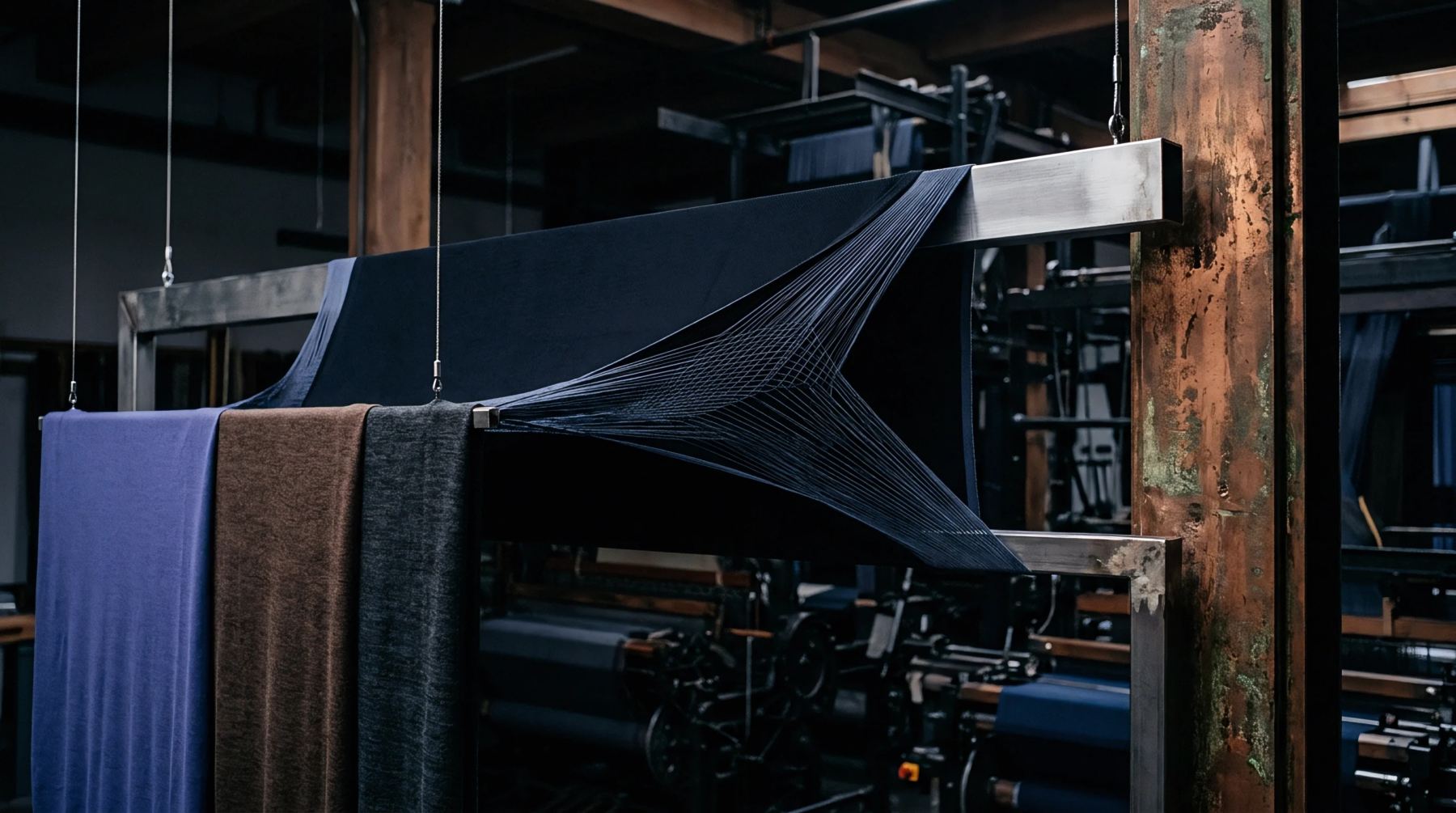
Thread density ratio calculates the ratio of the diameter of vertical yarns to the distance between them which indicates how tightly packed the lengthwise threads appear in a woven structure. This warp cover factor identifies the degree of opacity and structural support provided by the foundation yarns before the horizontal filling is introduced during weaving. It serves to determine whether the textile will hold its shape or if it will be prone to thread slippage and localized geometric distortions under standard mechanical tension.
A higher value means the vertical threads nearly touch, creating a solid wall of fiber that blocks light and resists wind or particulate penetration. The boundary of this metric is the absolute theoretical jam point where yarns cannot be packed any tighter.
Porosity Relation
Physical gaps between the vertical yarns dictate how easily water and air can move through the textile when it is being processed in a liquid batch or used as a filter. When the warp cover factor is kept low, the resulting cloth remains highly breathable and flexible, suitable for summer apparel or lightweight linings where airflow is desired. High factors result in stiff, dense fabrics like canvas or denim that offer extensive protection but require more intensive mechanical energy to penetrate with dyeing chemicals or finishing agents.
Achieving the perfect balance involves selecting the right yarn count to match the desired interlacing density in the loom settings. This property influences the final yield variance because dense structures are harder to stretch and more stable in dimensions.
Structural Impact
Variation in this metric across the width of the roll can lead to localized weaknesses or areas where the dye takes up differently due to changes in fluid resistance. Maintaining a consistent warp cover factor ensures that every meter of fabric performs uniformly during the garment construction stage where high speed needles depend on reliable thread spacing. If the value fluctuations exceed standard tolerances, the textile might exhibit wavy edges or loose sections known as reed marks that diminish the commercial value of the finished good.
Quality control inspectors use optical devices to verify the number of threads per centimeter against the specific design requirements for the batch order. Monitoring these geometric constraints prevents manufacturing rejects at the final visual inspection desk.
Calculation Basis
Empirical analysis uses the relationship between thread count and weight to assign a numerical value that designers can refer to during the initial sample selection phase. This data helps in predicting the weight of the finished goods and the amount of yarn required to complete a specific length of fabric in the weave room. Accurate tracking of the warp cover factor supports inventory precision and chemical recipe adjustments to handle different levels of fabric density.
Technicians also use it to set the correct tension on the warp beams during the setup phase of the industrial loom to avoid thread breakage. Consistent measurements ensure that the product consistency stays high across different loom operators and shifts. The final numerical rating allows for easy comparison between competing woven construction styles.