Chemical Saturation
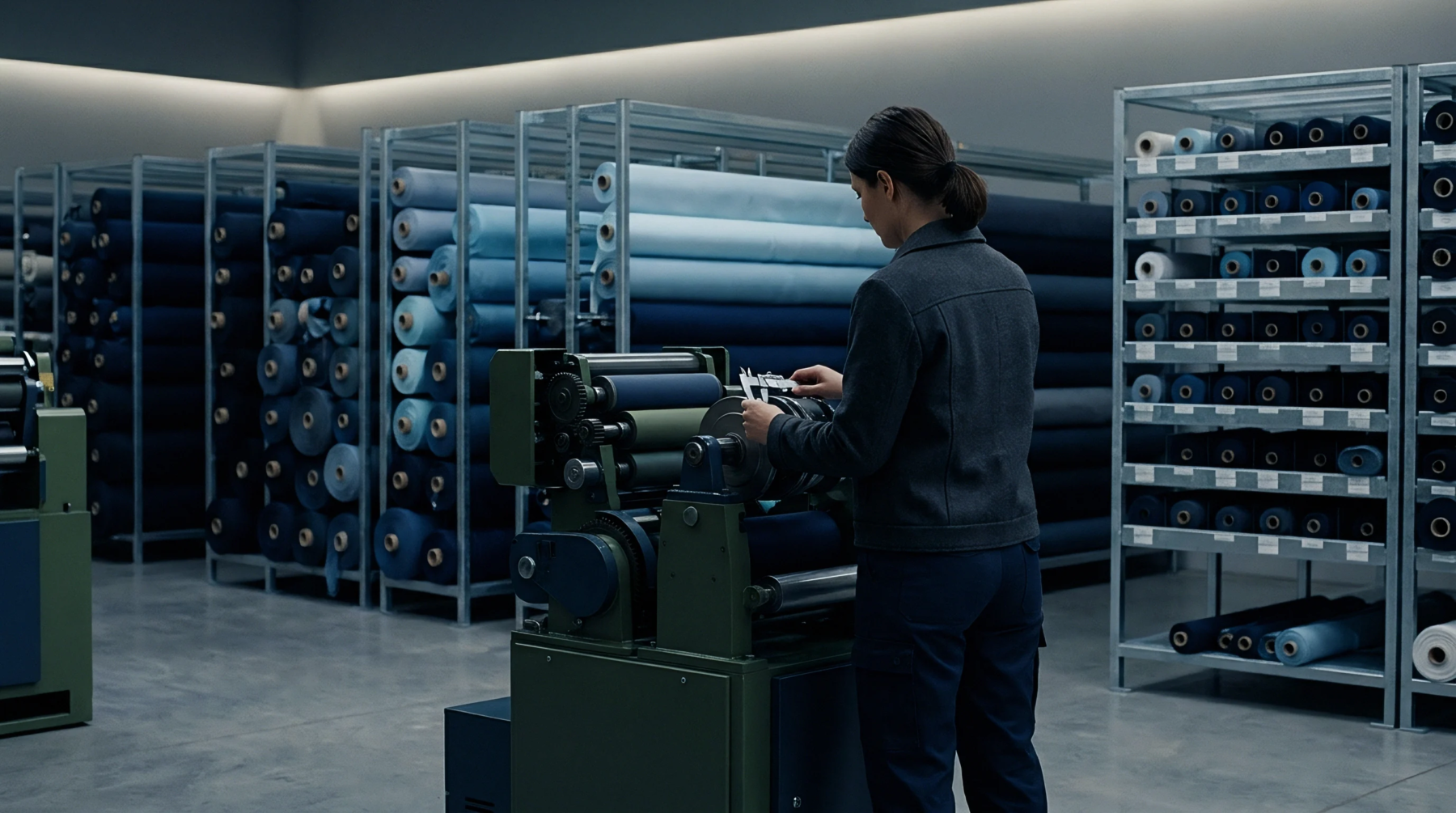
Cold reactive dyeing represents a high efficiency application method where fabric passes through a chemical trough before rotating on a batch roller to achieve fibre penetration without external heat. Pad batch dyeing relies upon the alkalinity of the fixing agent to anchor dyes to cellulose substrates during the dwelling period. Mills deploy this technology to reduce energy consumption during the colouration of knitted cotton goods.
Water usage drops significantly because the process operates at ambient temperature rather than the boiling points required by traditional jet machinery.
Reaction Kinetics
Precise control over the liquor pickup remains the primary technical constraint for successful production runs. Operators calculate the concentration of soda ash and sodium silicate based on the specific reactivity of the dyestuff family. Excess moisture leads to migration while insufficient pickup results in weak colour yield or uneven shades across the width of the fabric roll.
Consistency depends on the mechanical pressure exerted by the rubber rollers within the padding mangle. A sensor system monitors the nip pressure to ensure uniform distribution of the dye liquor throughout the fabric structure. The fabric spends between four and twenty four hours on the A-frame while the chemical reaction concludes.
Rotation of the batch roll prevents gravity from pulling the liquid toward the bottom edges of the cloth.
Process Stability
Textile technicians evaluate the performance of pad batch dyeing through shade assessment and wash fastness tests conducted after the final rinsing stage. Variations in fabric absorbency or pre-treatment quality alter the final appearance of the batch. Bleaching residues must be neutralised before the dye application to avoid inconsistent fixation levels.
Fabric weight influences the required speed of the line because heavier knits carry more liquid into the dwelling phase. Labour costs decrease as the machinery requires fewer operators than continuous dyeing ranges or garment dyeing units. Quality control teams verify the outcome against master samples to identify edge to centre shading.
Dye Efficiency
Productivity gains arise from the ability to handle small to medium sized lots without the extensive setup times associated with pressure vessels. Shops gain flexibility in managing their production schedule because they can stop or start batches based on immediate demand. The absence of high temperature circulation prevents the development of pilling or mechanical stress on delicate yarn constructions.
Chemical consumption decreases when manufacturers maintain the liquor ratio at the minimum level required for total fibre saturation. Cold processing avoids the high energy load linked to heating large volumes of water for extended durations. Efficiently managed dye houses utilize this system to maintain high quality standards while reducing the carbon footprint of their finishing departments.
Successful implementation hinges on the precise maintenance of chemical concentrations within the pad trough and the strict regulation of the batch dwell duration. Superior colour fastness properties depend on the completeness of the reaction within the fibre matrix before the wash off sequence occurs.