Dimensional Variance
Chemical exposure during textile finishing initiates permanent contraction in cellulose substrates when caustic soda disrupts the internal hydrogen bonding of the molecular structure. Mercerization shrinkage refers to this physical reduction in length or width caused by high concentration sodium hydroxide application under controlled tension. The phenomenon occurs specifically when natural fibres undergo treatment to increase luster or dye affinity through lattice restructuring.
Manufacturers monitor this contraction to ensure garment patterns remain accurate for consumer sizing. Precise control over feed rollers prevents excessive loss of fabric area before the drying stage concludes.
Processing Vector
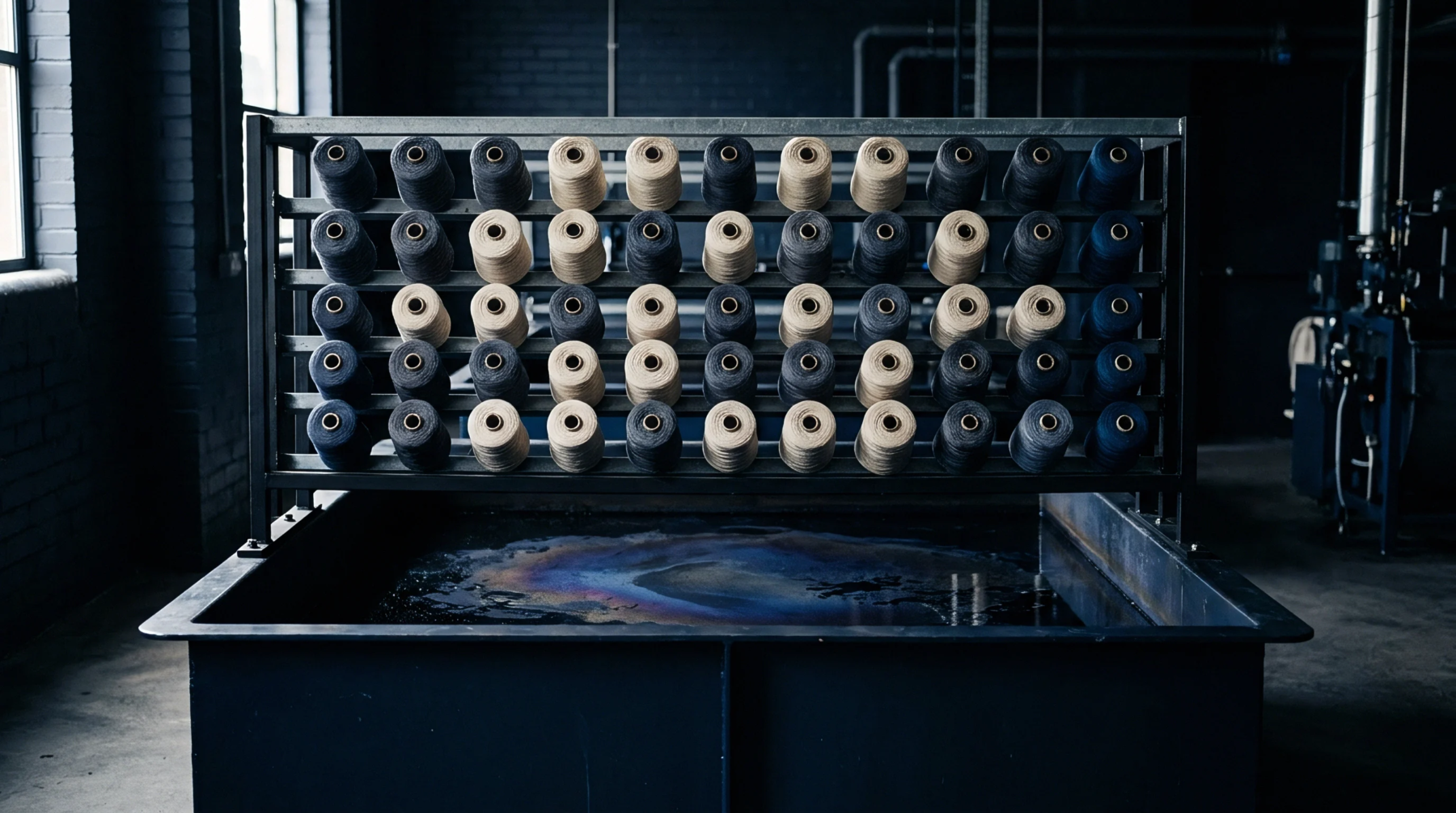
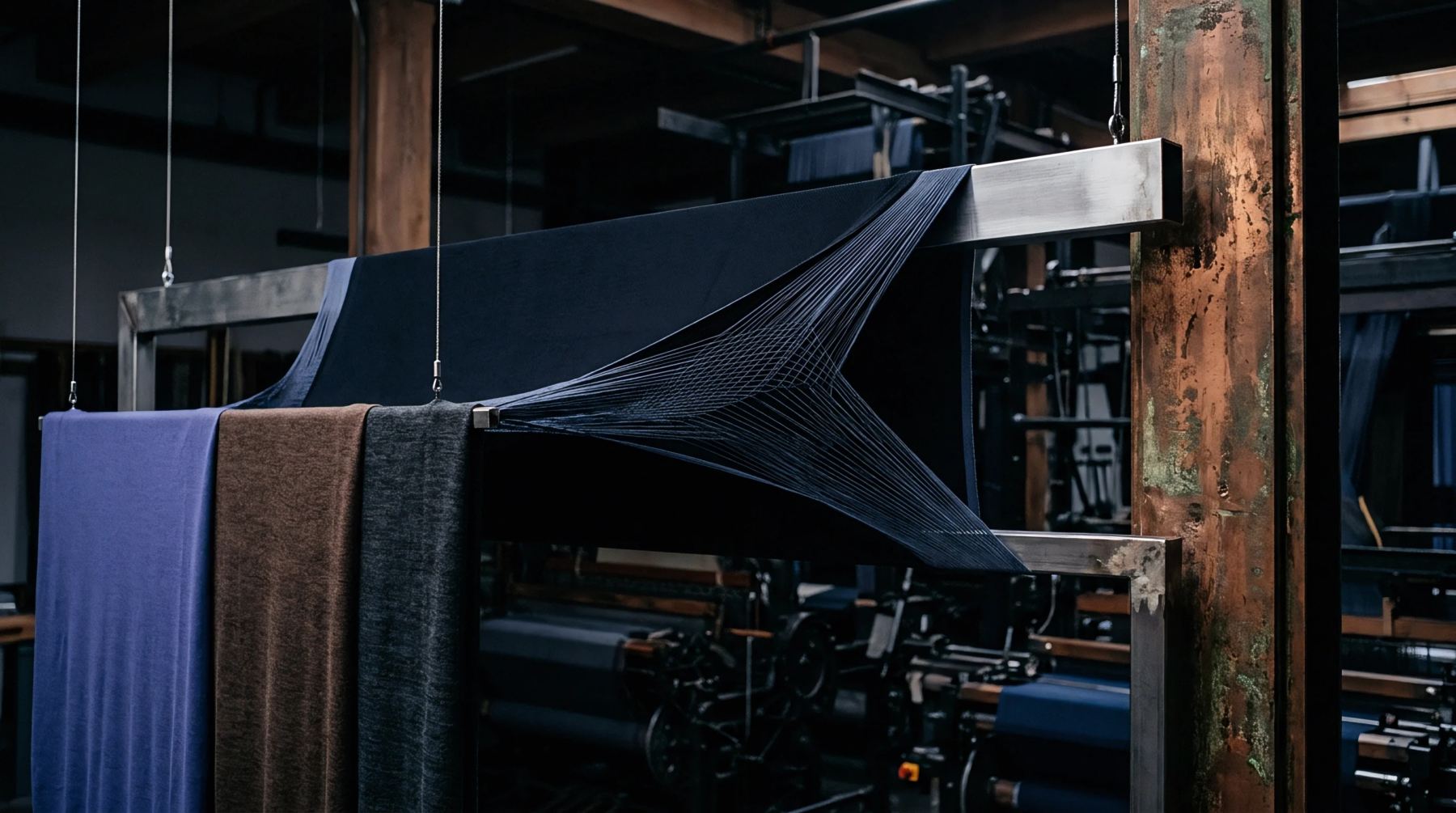
Industrial teams apply heavy caustic solutions to cotton textiles while restraining the fabric to limit how much mercerization shrinkage occurs during the cycle. Tension frames hold the material taut to counteract natural fibre relaxation that otherwise generates unintended loss of physical dimensions. Operators track the intake speed versus the exit speed to calculate the percentage of loss occurring across the stenter frames.
Adjusting the speed differential allows for specific aesthetic outcomes without sacrificing structural integrity. Excessive tension during this phase causes fibre embrittlement that eventually leads to premature wear in finished garments.
Quality Benchmark
Laboratory technicians perform standardized wetting tests on fabric rolls to determine the susceptibility of cotton batches before production begins. They compare sample lengths before and after immersion to establish a baseline for mercerization shrinkage that informs batch-wide quality expectations. Stable fibre structures resist the intense alkaline pull, whereas lower quality cotton yields greater loss.
Consistent results indicate reliable chemistry in the bath and proper maintenance of the immersion time. High variances across a single bolt denote uneven fiber maturity or incorrect caustic density throughout the treatment vessel.
Material Constraint
Cellulose polymers undergo permanent conformational changes that dictate how the final product behaves during industrial laundry cycles. Mercerization shrinkage acts as a predictive measure for the total instability present in a woven or knitted surface. Cloth lacking sufficient stabilization exhibits unpredictable distortion when exposed to repeat washing or steam pressing in retail environments.
Garment cutters rely on these verified metrics to adjust their marker patterns to compensate for expected dimensional shifts after the textile exits the factory floor. Proper management of this physical reduction determines the ultimate shape and drape of high performance apparel. Precision in this metric guarantees consistent garment fit across mass production runs.