Mechanical Pre-Shrinkage
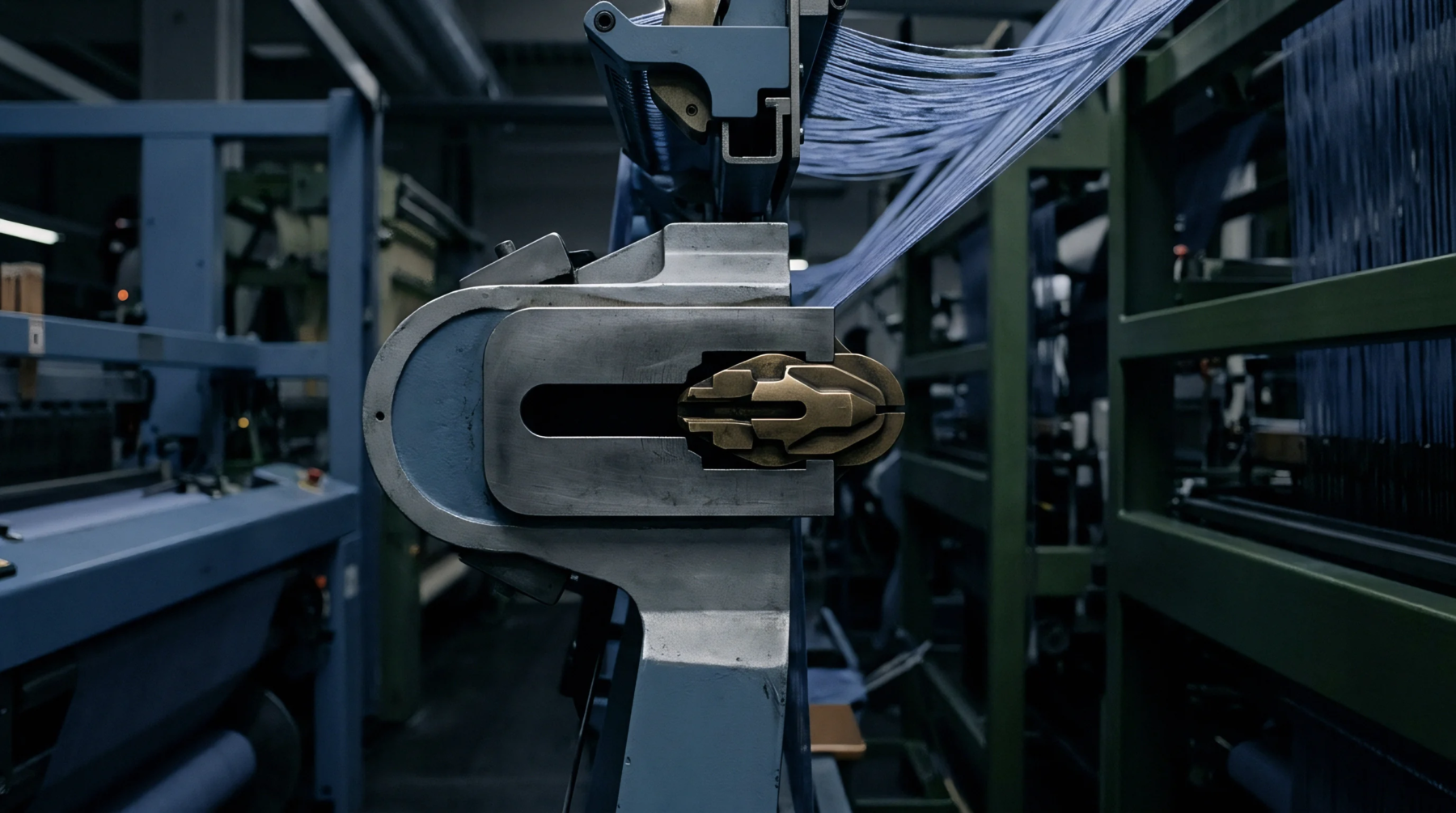
Finishing machines use heated rubber belts and steam to compress cotton yarns in the length direction before the cloth leaves the mill. Applying sanforizing compaction removes the latent stress built up during high-speed weaving, ensuring that a pair of jeans or a woven shirt does not shrink significantly when the consumer first washes it. The process essentially collapses the weave into its most stable form.
Sequence of Action
Moisture is applied to soften the fibres before the fabric is fed between a heavy roller and a curved rubber blanket. As the blanket expands and then contracts, the fabric moves through the resulting arc and the yarns are forced closer together. Adjusting the percentage of this compression is the mechanism for meeting target shrinkage values specified in quality manuals.
Verification Logic
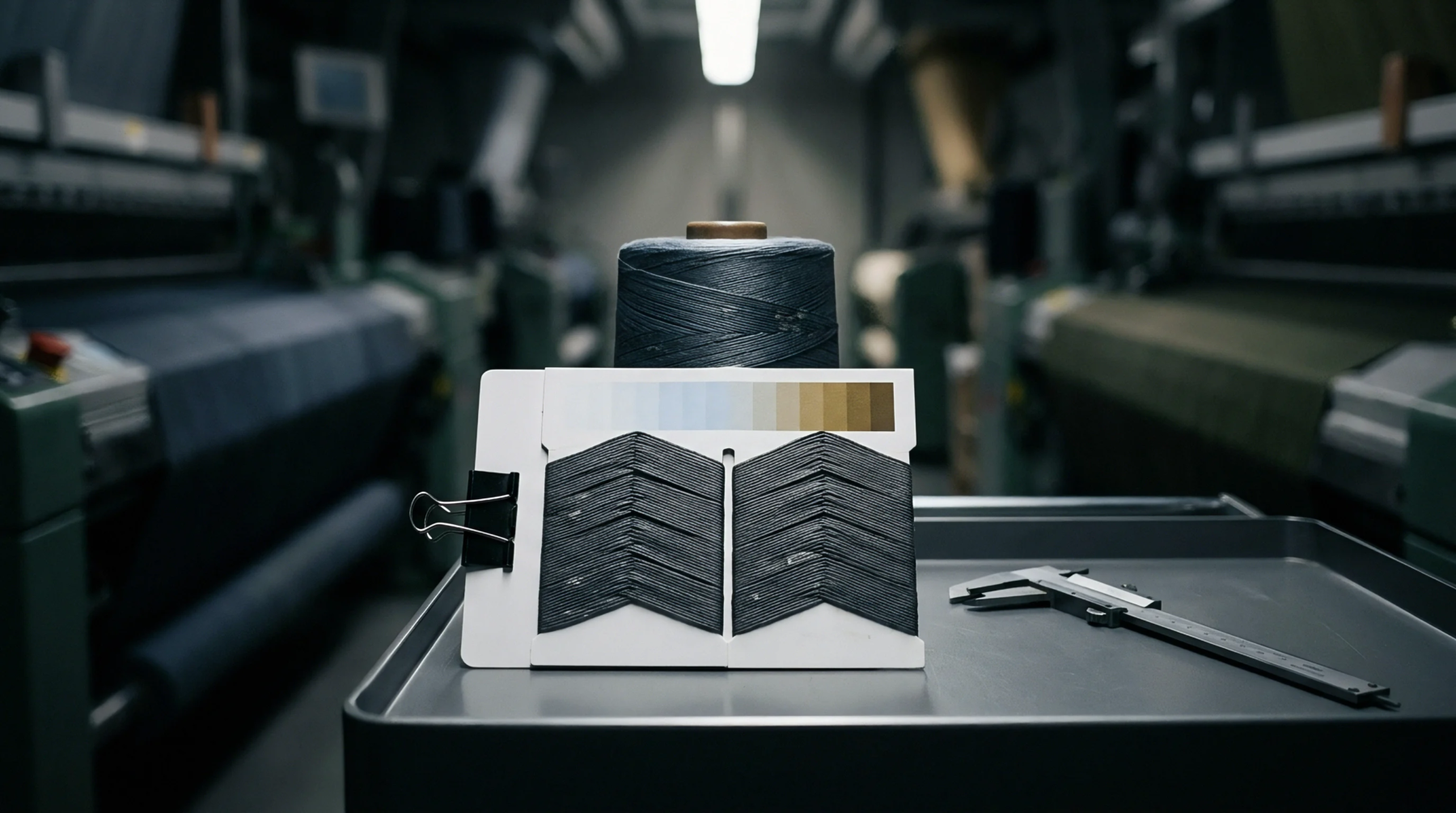
Inspectors test strips of the textile in a domestic wash cycle to compare the actual shrinkage against the value added by the compaction unit. If the cloth still shrinks more than one percent, the force of the rubber belt must be increased.
Fabric Stability
Successful execution of this finishing step results in dimensional stability that lasts through years of use. It represents the final check on fabric reliability.