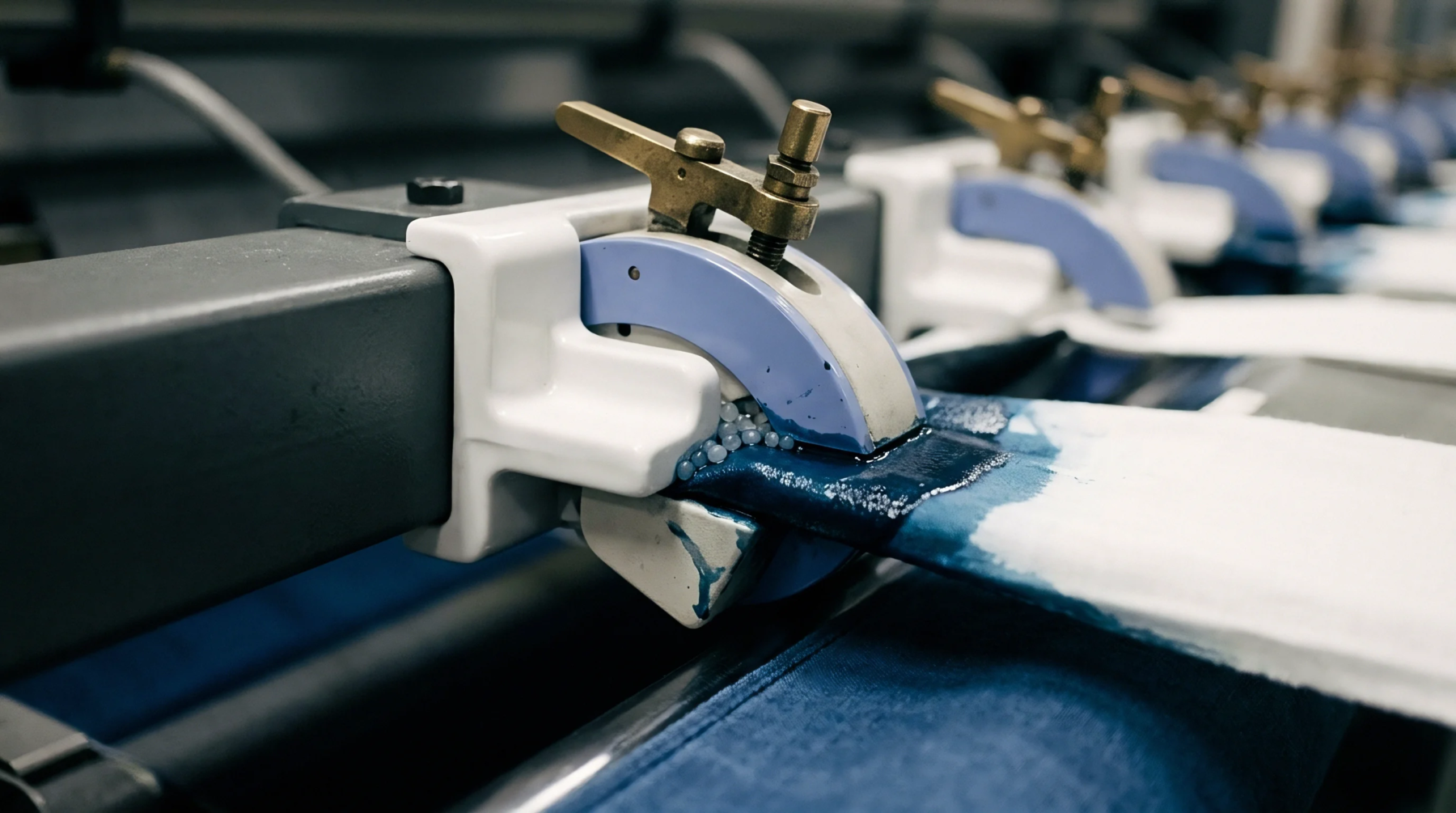
Hydrolyzed Reactive Dye Extraction Kinetics during High Cover Factor Fabric Washing
Dense fabric wash-off requires electrolyte removal below 1 g/L before 95°C soaping to extract residual hydrolyzed dye without fastness failures.
Quantifying caloric expenditure per square metre during continuous heat-setting operations establishes thermal energy cost inside industrial finishing plants. Steam consumption meters record kilowatt hours or gigajoules consumed by tenter frames and curing ovens during polyester heat stabilization. Production directors calculate thermal energy cost against linear metre output to verify budget compliance before shipping finished textiles to global apparel buyers.
Accounting departments apply thermal energy cost to unit pricing calculations whenever export orders specify particular synthetic fabric dimensions. Excess moisture within grey fabric forces drying cylinders to burn extra gas, which inflates thermal energy cost beyond baseline mill estimates. Technicians monitor condensate return valves because faulty traps allow steam to escape unspent, raising thermal energy cost without improving fabric hand feel.
Converting natural gas into usable steam depends on proper burner tuning and regular economizer maintenance inside the powerhouse. Combustion engineers measure oxygen levels in flue gases to ensure maximum heat transfer occurs inside water tube boilers. Boiler efficiency drops quickly when soot accumulates on internal heat exchange surfaces, forcing operators to initiate automated sootblowing cycles more frequently.
Higher steam pressure reduces the volume of vapour required by wet processing machinery, lowering primary fuel consumption across dyeing ranges. Condensate recovery networks capture hot water from closed loop heating coils and feed it directly back into the feed water tank. Thermal energy cost decreases whenever boiler blowdown rates match incoming mineral concentration limits precisely.
Capturing waste thermal energy from exhaust streams reduces primary fuel demand across continuous dyeing ranges and washing machines. Plate heat exchangers transfer thermal energy from hot effluent water to incoming municipal supply lines before the fluid reaches the boiler room. Air-to-air recuperators draw heat from tenter frame exhaust ducts to preheat incoming ambient air destined for the drying zones.
Mill operators inspect recovery systems monthly because particulate buildup from resin finishing restricts airflow and degrades thermal transfer efficiency. Low maintenance intervals cause pressure drops across ductwork, which requires larger exhaust fan motors to run continuously. Capital expenditure for recovery equipment recovers quickly when utility bills drop after installation.
Wrapping steam distribution pipes with calcium silicate insulation minimizes radiant heat loss between the boiler house and factory floor. Maintenance crews repair damaged lagging immediately to prevent localized temperature drops that cause steam to condense prematurely inside supply headers. Valves and flanges require removable thermal blankets so technicians can perform safety checks without destroying permanent insulation layers.
Thicker insulation specifications apply outdoors where winter winds accelerate convective heat transfer off exposed metal surfaces. Factory auditors verify insulation integrity using infrared thermography cameras during peak production shifts. Effective insulation keeps ambient room temperatures manageable for machine operators while stabilizing thermal energy cost across seasonal weather shifts.
Thermal energy cost determines the commercial viability of synthetic fabric finishing contracts negotiated by large textile mills.
Dense fabric wash-off requires electrolyte removal below 1 g/L before 95°C soaping to extract residual hydrolyzed dye without fastness failures.
Expertise is a utility, not a secret. sentiention™ publishes its working knowledge as open reference: intelligence layer covering the materials it sources, the markets it enters, and the reference that serves both.