Combustion Ion Chromatography Total Organic Fluorine Verification Batch Audit Procedures
Batch verification by combustion ion chromatography total organic fluorine screening prevents illegal PFAS shipments by detecting non-targeted fluoropolymers.

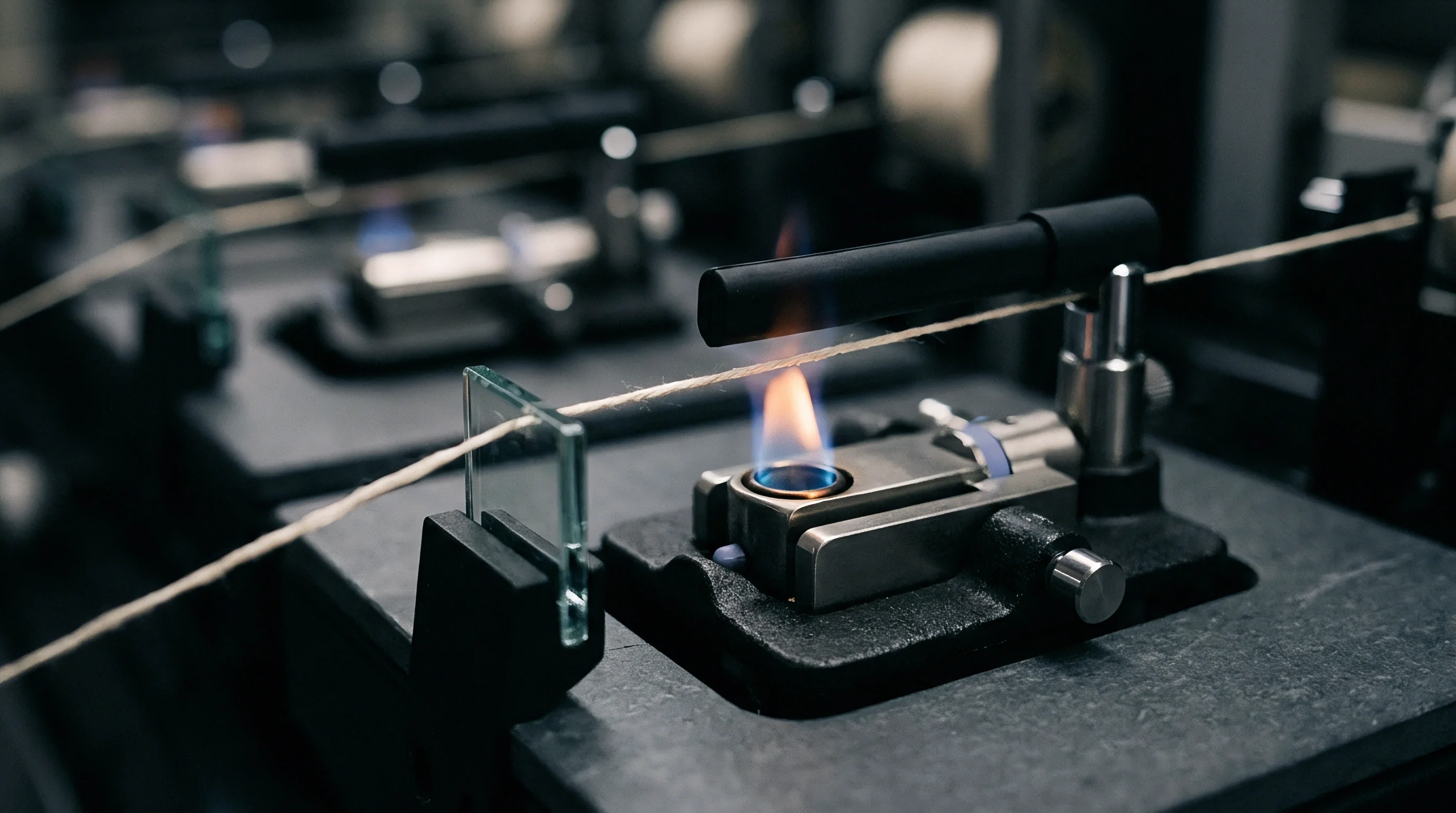
Screening
Total organic fluorine testing via combustion ion chromatography provides a non-targeted quantification of all organofluorine species in a textile matrix. Targeted liquid chromatography with tandem mass spectrometry identifies specific regulated per- and polyfluoroalkyl substances, such as perfluorooctanoic acid or perfluorooctane sulfonate. That targeted sweep ignores thousands of unlisted fluorinated structures, including side-chain fluorinated polymers and polymeric durable water repellents.
Combustion ion chromatography captures the complete fluorine load by thermal oxidation. The technique converts all organic molecules into hydrogen fluoride gas inside a high-temperature furnace, absorbs the combustion product into an aqueous solution, and quantifies the fluorides through anion exchange chromatography.
Regulatory frameworks rely on total organic fluorine thresholds to enforce comprehensive bans on per- and polyfluoroalkyl substances. The OEKO-TEX Standard 100 sets a total organic fluorine limit of 10 milligrams per kilogram for certified textile articles. California Assembly Bill 1817 prohibits the manufacture, distribution, or sale of apparel containing regulated per- and polyfluoroalkyl substances, establishing an initial total organic fluorine cap of 100 milligrams per kilogram, which drops to 50 milligrams per kilogram in 2027.
International standards including DIN 51723, EN 14582, and ISO 24253-2 define the analytical parameters for hydropyrolytic extraction and ion chromatographic determination. Screening batch shipments with total organic fluorine measurement stops non-compliant goods before distribution, bypassing the blind spots of targeted compound panels.
A standard scope certificate without lot-specific total organic fluorine data leaves the importer liable for customs detentions when state-level PFAS enforcement triggers verification testing.
Analytical selection depends on the target matrix, regulatory boundary, and sample preparation capacity. Screening method trade-offs dictate whether a mill verification protocol relies on total fluorine, total organic fluorine, or targeted mass spectrometry.
| Analytical Method | Primary Target | Limit of Quantification | Matrix Interference Risk | Regulatory Alignment |
|---|---|---|---|---|
| Combustion Ion Chromatography | Total Organic Fluorine | 2.0 mg F/kg | Moderate (Inorganic salts) | CA AB 1817, OEKO-TEX Standard 100 |
| Targeted LC-MS/MS | Specific PFAS (30-50 compounds) | 0.02 mg F/kg | Low (High specificity) | REACH Annex XVII, EU POP Regulation |
| Wavelength Dispersive XRF | Total Fluorine | 10.0 mg F/kg | High (Surface finishes) | Initial mill-floor prescreening |
| Solvent Extractable Fluorine | Extractable Organofluorines | 1.0 mg F/kg | Low (Post-wash clean-up) | EN ISO 23702-1 adaptation |
Disregarding non-targeted fluorine total mass exposes apparel brands to compliance failures when undocumented fluorinated processing aids enter the finishing bath during subcontracted commission dyeing.

Furnace
Thermal decomposition of the textile substrate occurs inside a dual-zone quartz combustion tube. The sample enters the ceramic boat, moving into the primary combustion zone held between 900 and 1000 degrees Celsius under a controlled argon flow. Oxygen gas enters the secondary furnace zone maintained at 1000 to 1100 degrees Celsius to achieve complete pyrolytic oxidation of the organic matrix.
Hydropyrolysis relies on the injection of water vapor into the oxygen stream. Moisture converts gaseous fluorine species into hydrogen fluoride, preventing the formation of volatile silicon tetrafluoride or persistent elemental fluorine gas.
Combustion gas streams through an absorber column containing ultra-pure water or a weak alkaline receiving liquid. Hydrogen fluoride dissolves instantly into the liquid receiver. The resulting solution feeds directly into an ion chromatograph fitted with an anion exchange column, an anion suppressor unit, and a conductivity detector.
Carbonate and bicarbonate eluents separate fluoride ions from trace chloride, bromide, nitrate, and sulfate ions present in the combustion effluent.
System calibration demands sodium fluoride reference standards across a analytical range from 0.1 to 20.0 milligrams of fluoride per liter. Internal standards, including fluorobenzene or trifluoroacetic acid, monitor combustion conversion efficiency and liquid transfer recovery rates. Target conversion rates must fall between 95 percent and 105 percent for acceptable batch verification.
Laboratory technicians frequently claim that high organic fluorine values stem entirely from furnace cross-contamination or residual cleaning solvents within the quartz tube.

Interference
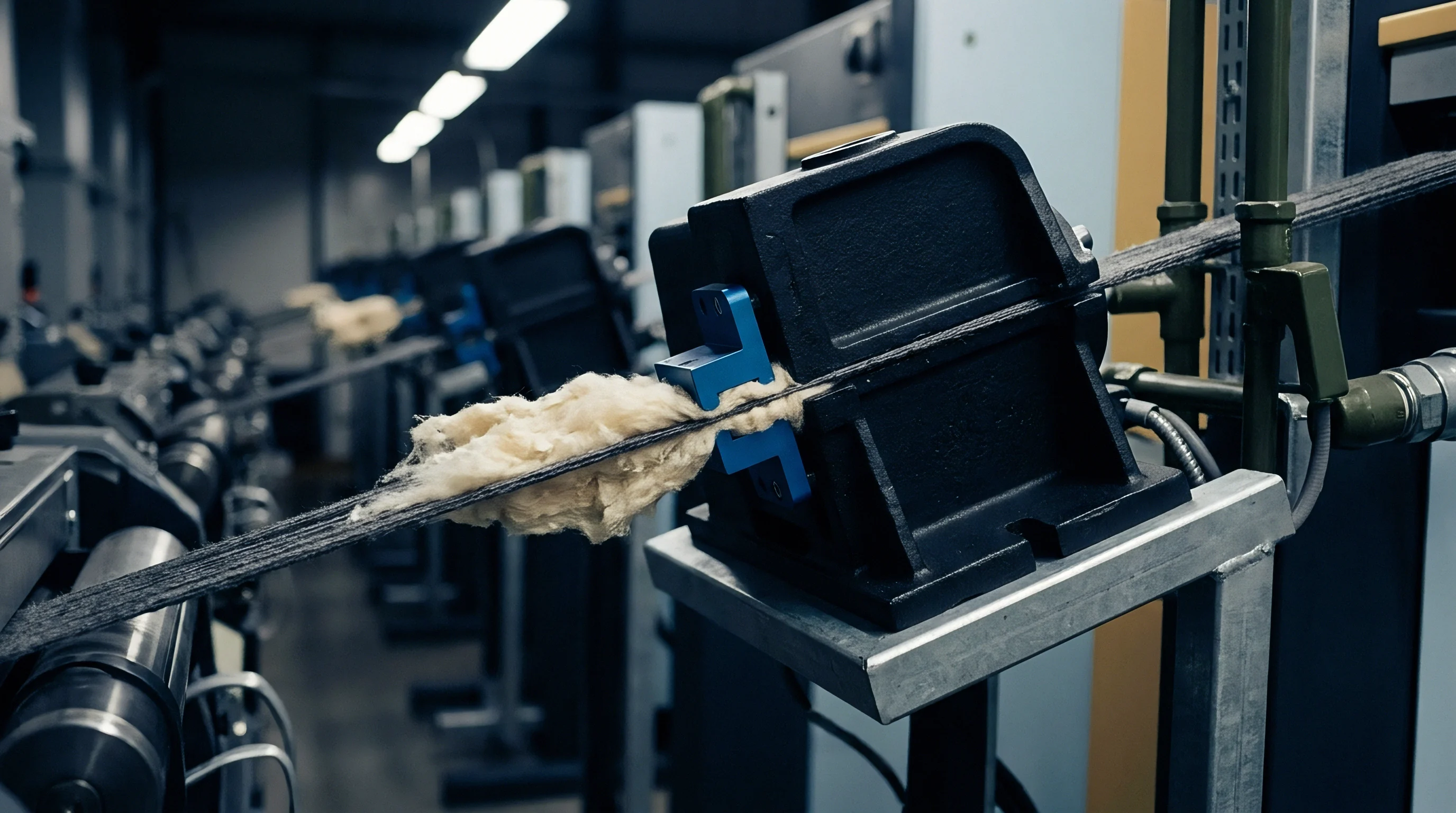
Inorganic fluorine species create significant false positives during total fluorine screening. Textile substrates contain inorganic fluorides originating from water fluoridation, mineral weightings, flame retardant salts such as potassium hexafluorotitanate, or inorganic soil-repellent treatments. Direct combustion converts both organic fluorochemicals and inorganic salts into hydrogen fluoride.
An unwashed specimen yields a total fluorine number rather than a true total organic fluorine value.
Isolating the organic fluorine fraction demands an aggressive solvent extraction or aqueous wash protocol prior to thermal combustion. Rinsing the specimen with ammonium acetate or dilute nitric acid removes ionizable inorganic fluorides while leaving organofluorine polymers and durable water-repellent coatings intact. Solvent extraction protocols using methanol, methyl tert-butyl ether, or tetrahydrofuran separate soluble monomeric and oligomeric per- and polyfluoroalkyl substances from insoluble fluoropolymer backbones.

When Does Inorganic Fluoride Skew Total Organic Values?
Inorganic interference distorts compliance determinations when total fluorine exceeds the regulatory threshold while true total organic fluorine remains below detection limits. Clay finishes, decorative mineral pigments, and industrial water minerals deposit fluoride salts onto the fiber surface. Testing laboratories must run parallel extraction controls to isolate the inorganic fluoride fraction before issuing a final batch audit report.
Verification batch audits identify specific contamination channels during mill-floor investigations:
- Sodium Fluoride Residue originates from high-concentration municipal water supplies used in wet processing baths without reverse-osmosis pretreatment.
- Potassium Hexafluorotitanate functions as a flame-retardant complex on wool blends, releasing heavy inorganic fluoride loads during thermal pyrolysis.
- Fluorosilicates serve as souring agents during commercial laundering, depositing persistent inorganic fluorides across finished goods.
- Fluorinated Processing Aids exist as synthetic lubricants inside spinning machinery, transferring non-durable organofluorine traces onto raw yarns.
Clause 4.2 of ISO 24253-2 mandates solvent washing of the specimen to strip inorganic fluorides prior to thermal decomposition.
Contractual purchase orders must specify total organic fluorine compliance under ISO 24253-2 with mandatory inorganic fluoride extraction, invalidating non-extracted total fluorine laboratory reports during batch acceptance disputes.

Swatch
Batch audits depend entirely on representative specimen collection from imported fabric shipments. Selecting swatches only from the outer wrap of a single fabric roll invalidates statistical quality control. Fluorinated finishing chemicals migrate unevenly across the width of a fabric web during stenter frame drying, producing higher concentrations along the selvedges due to differential evaporation rates.
Auditors follow ISO 2859-1 single sampling plans for normal inspection, setting an Acceptance Quality Limit of 1.0 for restricted substance compliance. The sampling procedure follows a strict physical protocol:
- Cut specimen swatches across three distinct positions representing the left selvedge, center web, and right selvedge of the selected fabric roll.
- Discard the outermost three layers of fabric from the chosen roll to eliminate external surface contamination from polyethylene packaging films.
- Use stainless steel shears cleaned with high-purity isopropanol, avoiding any cutting equipment coated with polytetrafluoroethylene.
- Seal each swatch inside a fluoropolymer-free aluminum foil envelope, packing the envelope into a clean polyethylene outer bag.
- Affix a tamper-evident serial label across the package seal, recording roll identity, lot code, shift number, and sampling timestamp.
Testing roll centers independently from selvedges reveals drying bias inside the stenter oven.
| Shipment Volume (Meters) | Minimum Rolls Sampled | Swatches per Roll | Composite Strategy | Acceptance Criteria |
|---|---|---|---|---|
| 1 to 1,500 | 3 | 3 (Left, Center, Right) | Individual Analysis | Zero rolls exceeding 10 ppm TOF |
| 1,501 to 5,000 | 5 | 3 (Left, Center, Right) | Composite by Roll | Mean below 8 ppm; Max below 10 ppm |
| 5,001 to 20,000 | 8 | 3 (Left, Center, Right) | Composite by Roll | Mean below 8 ppm; Max below 10 ppm |
| 20,001 and above | 13 | 3 (Left, Center, Right) | Individual High-Risk Rolls | Zero rolls exceeding 10 ppm TOF |
Sampling three widthwise points per roll prevents false compliance passes caused by chemical migration during high-speed stenter drying.
A swatch taken exclusively from an outer roll layer yields misleading compliance data when storage conditions drive atmospheric volatile organic fluorochemicals onto the exposed fabric surface.

Discrepancy
Analytical discrepancies arise when certified mills report non-detectable per- and polyfluoroalkyl levels under targeted compound methods while third-party batch audits report elevated total organic fluorine values under combustion ion chromatography. Consider a 40,000-meter batch of woven polyester fabric sold as fluorine-free for rainwear shell production. The mill submits a scope certificate and a targeted LC-MS/MS report covering 30 perfluorinated compounds showing non-detectable concentrations below 0.02 milligrams per kilogram.
The brand compliance audit collects specimen swatches from four rolls, submitting them for total organic fluorine analysis via combustion ion chromatography under EN 14582 principles.
Laboratory results yield an average total organic fluorine content of 38.5 milligrams per kilogram across the four rolls, exceeding the 10.0 milligram per kilogram OEKO-TEX Standard 100 limit and breaching the purchase order agreement. The targeted report missed the presence of a side-chain fluorinated acrylate polymer applied at low levels to improve oil repellency. The fluorine mass contribution calculates directly from the polymer structure.
A fluoroacrylate polymer containing 50 percent fluorine by weight present at 77 milligrams per kilogram total polymer weight delivers exactly 38.5 milligrams per kilogram of organic fluorine to the finished fabric.
| Analytical Parameter | Targeted LC-MS/MS Result | Combustion IC TOF Result | Variance Explanation |
|---|---|---|---|
| PFOA / PFOS Content | Less than 0.02 mg/kg | Not Separately Isolated | Targeted monomers absent |
| PFHxA / PFHxS Content | Less than 0.02 mg/kg | Not Separately Isolated | Short-chain carboxylates absent |
| Side-Chain Fluoropolymers | Not Detected (Outside Scope) | 38.5 mg F/kg | Polymeric backbone fully combusted |
| Calculated Chemical Addition | 0.00 mg Chemical/kg | 77.0 mg Chemical/kg | Non-targeted polymer identified |
Resolving batch disputes requires structured investigation steps:
- Targeted Screening Expansion identifies specific fluorotelomer alcohols (FTOHs) or volatile perfluorocarbon compounds via gas chromatography-mass spectrometry after thermal desorption.
- Solvent Fractionation Protocols separate low-molecular-weight fluorinated impurities from high-molecular-weight polymeric finishing agents.
- Differential Scanning Calorimetry confirms the melting characteristics of suspected fluoropolymer additives inside the fiber matrix.
- Matrix Spike Recoveries establish whether the fabric dye or functional finish suppresses fluoride ion conductivity during chromatographic separation.
Which chemical fraction accounts for the unassigned organic fluorine mass when targeted liquid chromatography and solvent extractable fluorine protocols both report zero compound detection?

Discharge
Releasing a verified fabric lot into production demands a completed batch audit dossier matching physical container marks against laboratory analytical records. The transaction certificate must cross-reference the exact mill lot number, dye lot code, roll number sequence, and corresponding combustion ion chromatography test report ID. Scope certificates demonstrate mill qualification, but transaction certificates confirm batch conformity.
Importers matching purchase orders against customs release documentation must verify that the total organic fluorine test report date precedes the bill of lading date.
Commercial contracts place ultimate financial liability for regulatory detention onto the primary converter when batch verification documents show missing lot numbers or expired analytical reports. State enforcement authorities issue stop-sale orders directly to brand importers when border surveillance screening detects organofluorine levels exceeding legal caps. Traceability logs detailing swatch collection, chain-of-custody forms, and original combustion chromatographs form the sole legal defense during regulatory audits.
Retaining physical fabric swatches alongside digital analytical data packages ensures immediate re-testing capability when market surveillance authorities challenge imported goods.