Commercial Audit Protocols for Verifying Physical Segregation in Cross Border Rayon Supply Chains
Physical segregation verification in rayon chains requires dedicated pulp steeping lines, chemical marker validation, and container seal mass balance audits.
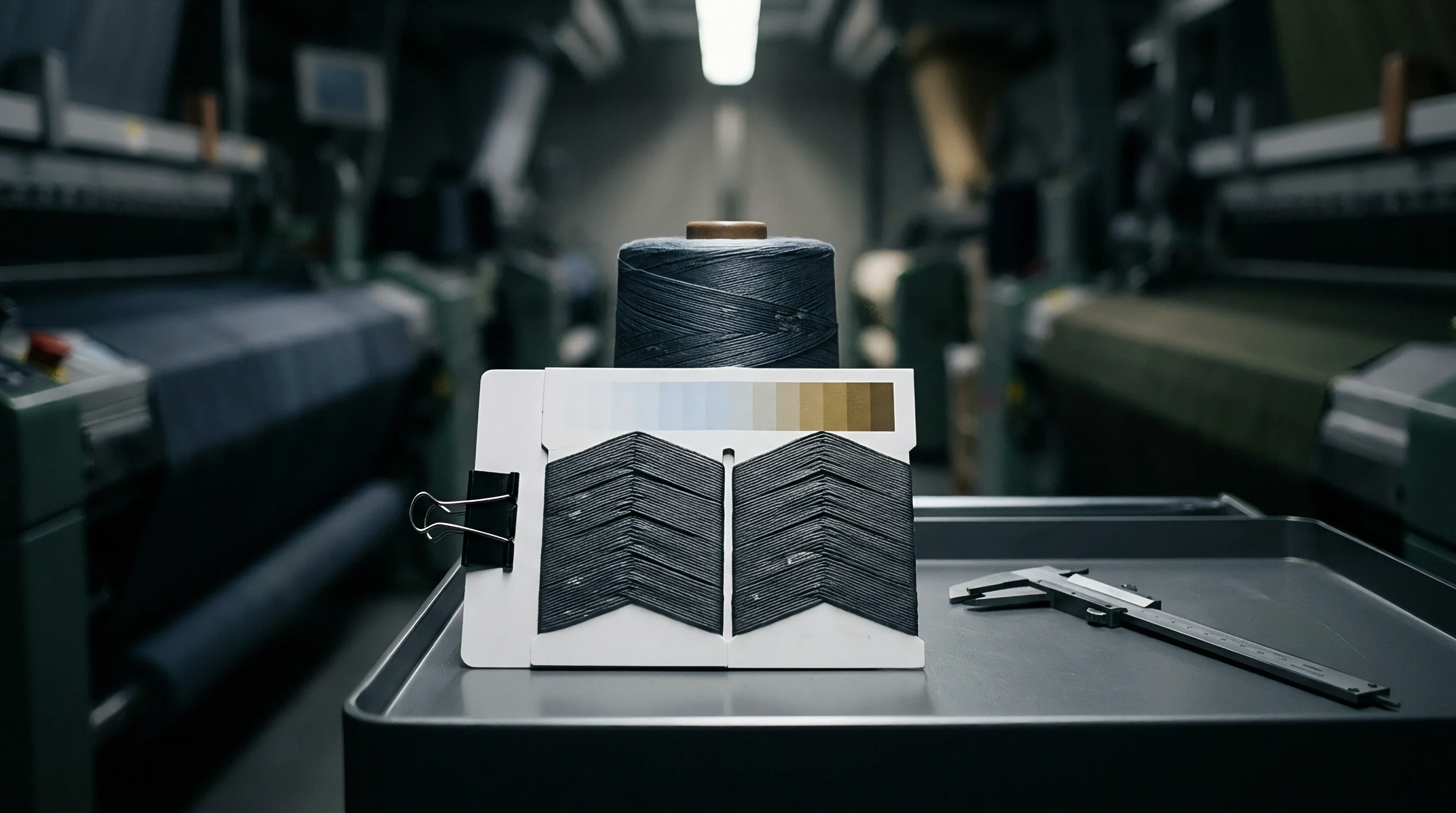

Segregation
Physical separation of dissolving wood pulp lots prior to xanthation is essential for verifiable identity preservation in regenerated cellulose fibers. Buyers requesting certified sustainable or non-forest-risk rayon have to distinguish between credit-based mass balance accounting and physical segregation protocols. Mass balance allows mills to mix certified and uncertified wood chips in the same digester, balancing incoming certified volumes against outgoing sales on paper.
Physical segregation requires complete isolation of certified dissolving pulp bales from receiving at the dock through steeping, aging, xanthation, spinning, and cutting operations.
Auditing cross-border physical segregation means tracing physical lots across three distinct jurisdictions before yarn formation occurs. Dissolving pulp typically originates in northern Europe, South America, or Southern Africa before crossing customs borders into Asian filament spinning facilities. When dissolving pulp arrives at the viscose plant, inspectors verify that lot numbers match the phytosanitary certificate, the bill of lading, and the chain-of-custody transport dossier.
Gaps occur whenever pulp lots sit on unsegregated warehouse floors or when slurry lines share common headers without automated clean-in-place flush cycles.
| Parameter | Physical Segregation Protocol | Mass Balance Accounting | Audit Verification Method |
|---|---|---|---|
| Pulp Storage Isolation | Dedicated bay with physical barriers and dedicated forklifts | Shared storage with batch tagging and software logging | Visual dock inspection and spatial layout audit |
| Slurry Pipeline Integrity | Dedicated piping run from steeping tank to wet spinning bath | Shared header with documented volumetric flush cycles | Differential pressure logging and pipe mapping |
| Viscous Solution Yield | 100% segregated pulp mass input balancing output staple weight | Calculated percentage assigned based on purchasing credits | Mass balance reconciliation across mill balance sheets |
| Traceability Granularity | Bale-level lot numbers linked directly to spun yarn package numbers | Enterprise credit ledger matched quarterly to total export weight | Forensic isotopic testing and yarn package barcode verification |
Physical segregation standards mandate that raw material inputs remain distinct all the way to the reaction vessel. During alkali cellulose steeping, sodium hydroxide solutions dissolve hemicelluloses while swelling the cellulose fibers. If a mill processes certified eucalyptus pulp immediately after non-certified softwood pulp without draining the mercerization steeping press, cross-contamination invalidates the physical segregation claim.
Quantitative tolerance thresholds for physical contamination in certified lots capped at zero percent require continuous physical separation rather than statistical averaging.
Commercial supply contracts stipulate that certified rayon lots containing unsegregated physical pulp blends face immediate commercial rejection at the port of entry.
Downstream processors verifying physical segregation rely on contract terms that define contamination. The standard segregation purchase agreement incorporates strict liabilities for commingling at the fiber extrusion phase. Article 12 of the International Rayon Purchase Specification states that any physical intermixing of non-qualified cellulose pulp within the dissolving line automatically reclassifies the entire production run as standard commercial grade viscose staple.

Marker
Chemical taggants and forensic analytical tools provide physical proof when paper documentation fails. Isotopic ratio mass spectrometry measures stable isotopes of carbon, hydrogen, and oxygen embedded directly within the cellulose polymer backbone. Because trees absorb water and carbon dioxide with isotopic ratios unique to their regional geography, the resulting dissolving pulp retains a distinct geolocational signature.
When rayon staple undergoes cross-border customs scrutiny, laboratory technicians extract cellulose samples to map isotope profiles against global timber origin databases.
DNA-based molecular taggants offer another physical segregation validation tool. Botanical DNA sequences or synthesized molecular markers are mixed into liquid viscose dope prior to spinneret extrusion. These markers survive the harsh acidic regeneration bath containing sulfuric acid, zinc sulfate, and sodium sulfate.
Audit protocols specify drawing sample fiber swatches at three points: immediately after cut-staple washing, at the yarn spinning carding frame, and from the finished woven roll.
The implementation of synthetic molecular markers demands strict laboratory controls during sampling. The failure modes listed below reflect common breakdown points where forensic marker audits fail across international supply chains.
- Thermal Degradation of Markers occurs when high xanthation temperatures or prolonged alkali aging break down synthetic DNA chains, rendering them unreadable during polymerase chain reaction amplification.
- Leaching in Chemical Baths takes place when wet processing steps, including desizing, scouring, and bleaching, strip surface-applied optical or fluorescent markers from the finished rayon staple.
- Heterogeneous Dope Injection develops when automated liquid metering pumps fail to distribute chemical taggants uniformly throughout high-viscosity cellulose xanthate solution before extrusion.
- Cross-Contamination during Recard Spun Yarn Processing arises when residual staple fibers from prior non-segregated runs remain in carding wire teeth, introducing false positive marker reads in target lots.
Analytical testing houses utilize Fourier-transform infrared spectroscopy alongside stable isotope ratio analysis to establish whether a rayon sample consists of pure wood pulp cellulose or contains recycled textile cellulose pulp. The molecular weight distribution of cellulose chains differs depending on whether raw materials stem from virgin dissolving pulp or post-consumer cotton waste pulp. Gel permeation chromatography measures these chain length variations, exposing unauthorized pulp blending.
Stable isotope ratios in regenerated cellulose fibers identify geographic origin within a two-hundred-kilometer radius when tested against verified timber maps.
Laboratory reports establishing composition tolerances rely on standardized testing methods like ISO 1833-6 for quantitative chemical separation. Subtle chemical alterations during pulp bleaching can also shift the baseline isotopic signature of certified rayon fibers.
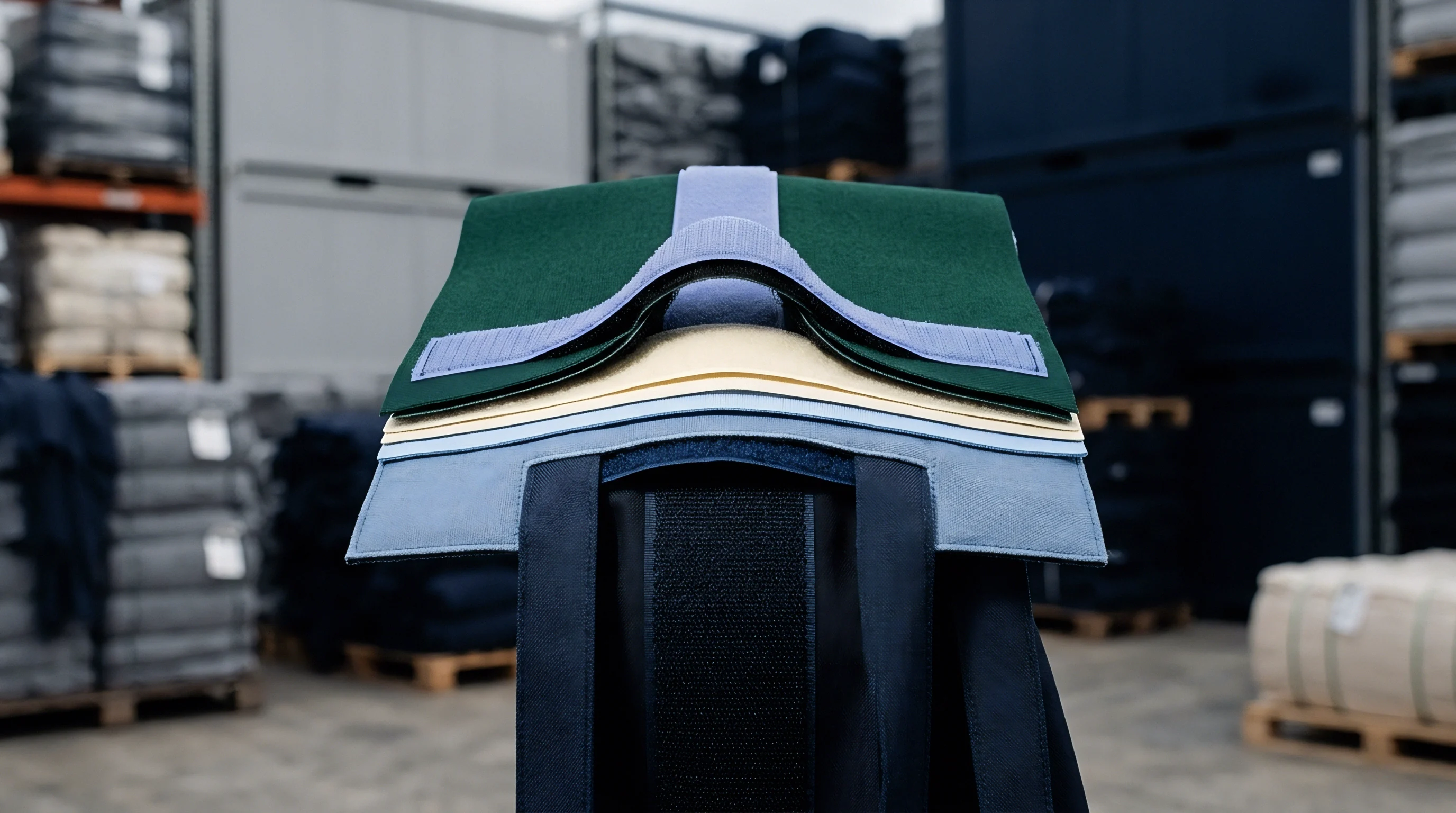

Choke
Identifying physical choke points within a continuous viscose mill determines whether audit protocols succeed or fail. Viscose manufacturing is a continuous wet process designed to operate twenty-four hours a day without stopping. Converting a continuous operation to run physically segregated batches requires clear physical isolation points where non-certified materials cannot cross over into certified production lines.
The primary physical choke point exists at the pulp dissolving and mercerization stage. Pulp sheets from different forest sources are dropped into pulper tanks containing aqueous sodium hydroxide. If the mill uses a single pulper tank for both standard and segregated pulp, residual fibers clinging to tank agitator blades and pump impellers contaminate subsequent batches.
Auditor protocols mandate verifying dedicated pulping vessels or inspecting full mechanical washdown logs verified by optical turbidity sensors in rinse effluent lines.

What Causes Physical Contamination during Continuous Viscose Extrusion?
Continuous extrusion lines introduce cross-contamination risk at the filtration and deaeration stages. Viscose dope must pass through coarse and fine filtration media to remove undissolved cellulose particles before reaching the spinnerets. Filters trap significant volumes of cellulose solution; when a mill transitions from standard production to a segregated certified run without replacing filter candles, older uncertified dope bleeds into the certified batch over multiple operating hours.
| Mill Operating Stage | Physical Contamination Risk | Mechanical Isolation Requirement | Auditor Verification Record |
|---|---|---|---|
| Mercerization Steeping | Alkali solution recirculation mixing pulp origins | Dedicated tank or full caustic solution dump and recharge | Fluid transfer valve position logs and caustic tank levels |
| Xanthation Aging | Residual crumbs in aging drums mixing with new batches | Complete drum sweep and pneumatic blowout between lots | Batch transition chamber opening logs and visual inspection |
| Viscose Filtration | Entrapped dope inside filter housing bleeding into new runs | Filter element replacement and housing flush protocol | Filter differential pressure logs and changeout receipts |
| Spinneret Extrusion | Shared spin bath acid solution accumulating stray fibers | Bath filtration, continuous fiber skimming, line isolation | Acid bath turnover rate records and filtration mesh logs |
Third-party auditors conducting physical inspections examine the pipe manifolds connecting aging tanks to xanthation reactors. Valve leakage across double-block-and-bleed systems represents a frequent audit failure. If automated valves suffer seat wear, high-pressure standard viscose dope leaks past the valve seal into the dedicated segregated line.
Operational constraints complicate batch changes: complete line flushes waste four tonnes of cellulose solution per transition, making continuous segregation cost-prohibitive without minimum batch sizes of fifty metric tonnes.

Manifest
Cross-border chain-of-custody verification relies on matching physical material flows against commercial transport documentation. A physical segregation protocol collapses if the physical movement of bales across ocean freighters, bonded warehouses, and spinning mills diverges from the paper trail recorded in bills of lading and customs declarations.
Auditors execute verification procedures to ensure that certified rayon shipments maintain complete documentary integrity across borders. The following numbered sequence defines the mandatory audit verification process for cross-border pulp and fiber manifests.
- Reconcile the net dry weight recorded on dissolving pulp mill export declarations with the gross weight logged upon arrival at the ocean freight terminal.
- Cross-reference individual pulp bale unique identifier numbers against the certified forest harvest unit origin certificate.
- Audit warehouse receiving ledgers at the destination port to verify that certified pulp bales occupied designated physically isolated storage bays.
- Inspect internal transport manifests for dedicated trucking runs between the port bonded warehouse and the viscose spinning mill.
- Verify mill production logs to confirm that input pulp bale weights equal the output weight of spun rayon staple plus process yield loss.
- Review export bills of lading for finished rayon staple bales to confirm destination spinning mill details match buyer purchase orders.
Physical segregation audits demand strict mass balance reconciliation at every transit node. If a dissolving pulp mill ships 100 metric tonnes of certified pulp, but the destination spinning mill claims to produce 115 metric tonnes of certified rayon staple from that single lot, an unauthorized blend has occurred. Standard industrial conversion yields for dissolving pulp to viscose staple range between 0.95 and 0.98 depending on pulp alpha-cellulose content and process line efficiency.
Mass balance discrepancies exceeding two percent between pulp input weight and fiber output weight trigger an immediate suspension of chain-of-custody credentials.
Documentary audits require verifying physical security seals on shipping containers. High-security bolt seals conforming to ISO 17712 standards must be applied to container doors immediately following loading at the pulp mill. Audit protocols dictate that container seal numbers must be recorded on the ocean bill of lading, the customs manifest, and the receiving dock logbook.
Broken or replaced seals without official customs re-sealing certificates indicate potential physical lot tampering during cross-border transit.
Any document mismatch between declared fiber weight and physical container tare weight requires holding the shipment at the customs boundary until chemical marker testing verifies lot purity.

Tariff
Customs classification and tariff compliance form the ultimate commercial test for cross-border rayon supply chains. Importers must declare finished rayon yarns under correct Harmonized System tariff codes while proving raw material origins to satisfy regional trade agreement rules of origin and trade sanctions compliance.
Rayon fibers classified under HS Chapter 55 for synthetic or artificial staple fibers incur varying tariff rates based on fiber type, chemical modification, and geographic origin. Subheading 5504.10 covers viscose rayon staple fibers, uncarded, uncombed, or otherwise prepared for spinning. Misdeclaring non-certified or blended rayon under preferred low-duty certified tariff categories exposes importers to severe administrative and financial penalties from customs authorities.
| HS Tariff Heading | Fiber Description | Base Duty Rate | Audit Burden Fee per Metric Tonne | Misdeclaration Penalty Exposure |
|---|---|---|---|---|
| HS 5504.10.00 | Viscose staple fibers, artificial, uncarded | 4.3% | USD 45.00 | Up to 100% of commercial value plus seizure |
| HS 5504.90.00 | Other artificial staple fibers (Modal / Lyocell) | 4.7% | USD 65.00 | Customs audit back-charges plus interest |
| HS 5509.11.00 | Single yarn containing 85% or more artificial staple | 8.0% | USD 80.00 | Loss of preferential tariff access status |
| HS 5516.12.00 | Woven fabrics of artificial staple, dyed | 12.0% | USD 110.00 | Full shipment confiscation and trade ban |
Commercial importers must evaluate the landed cost consequences of segregation failure. Beyond immediate tariff duties, customs holds generate significant demurrage charges at container terminals, storage fees, and laboratory testing expenses that rapidly erode gross margins.
When importers fail to present verified physical segregation audit dossiers during customs inquiries, authorities reclassify goods under higher general tariff rates, assess retroactive duties across historical import volumes, and impose mandatory financial penalties equal to the full domestic value of the merchandise.