Supply Chain Risk Allocation in Long Term Greige Storage and Split Dye Lot Conversion
Long term greige storage transfers financial risk from yarn pricing to wet processing variance, requiring strict storage controls and clear dyehouse testing bounds.
Rack
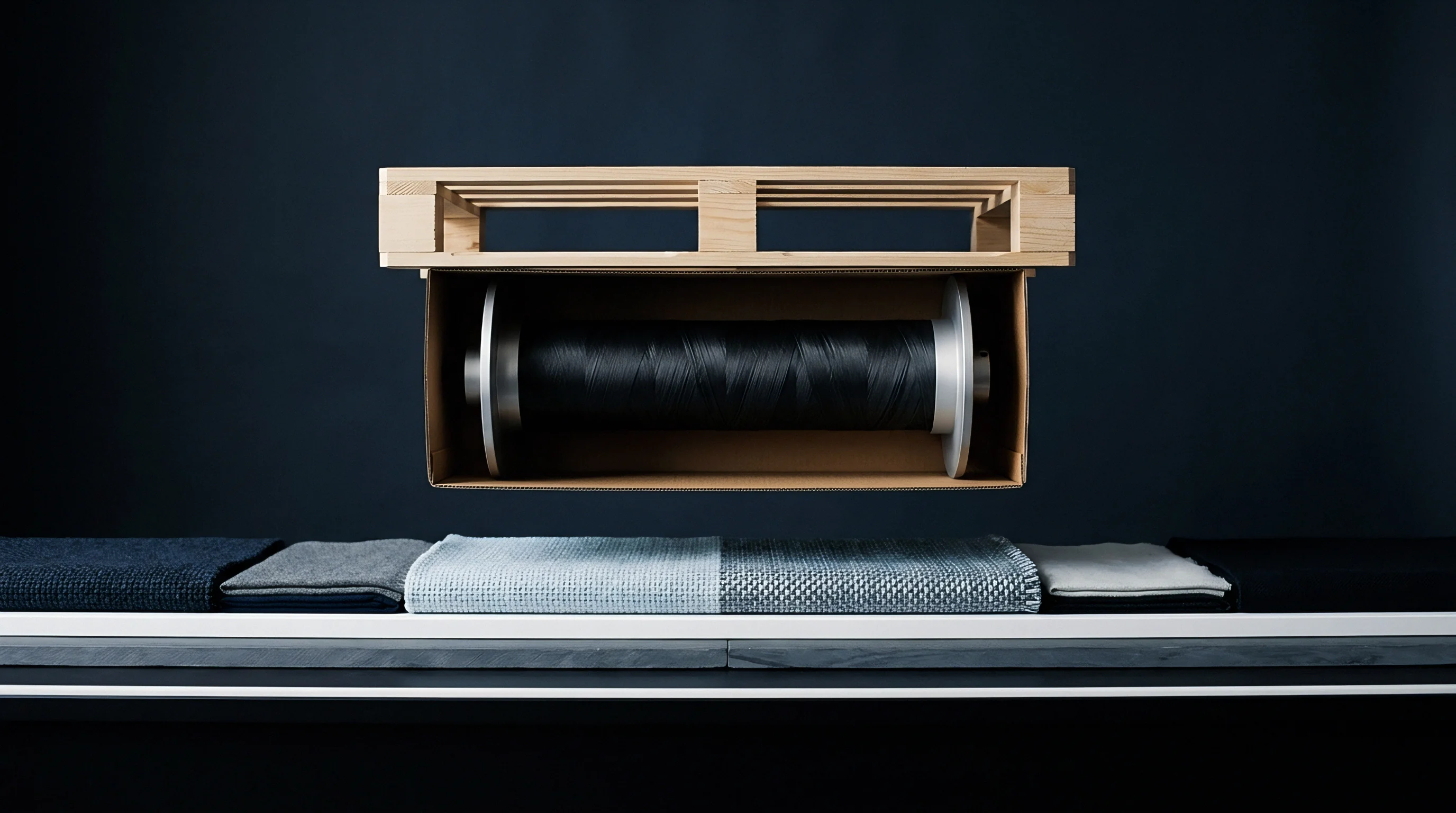
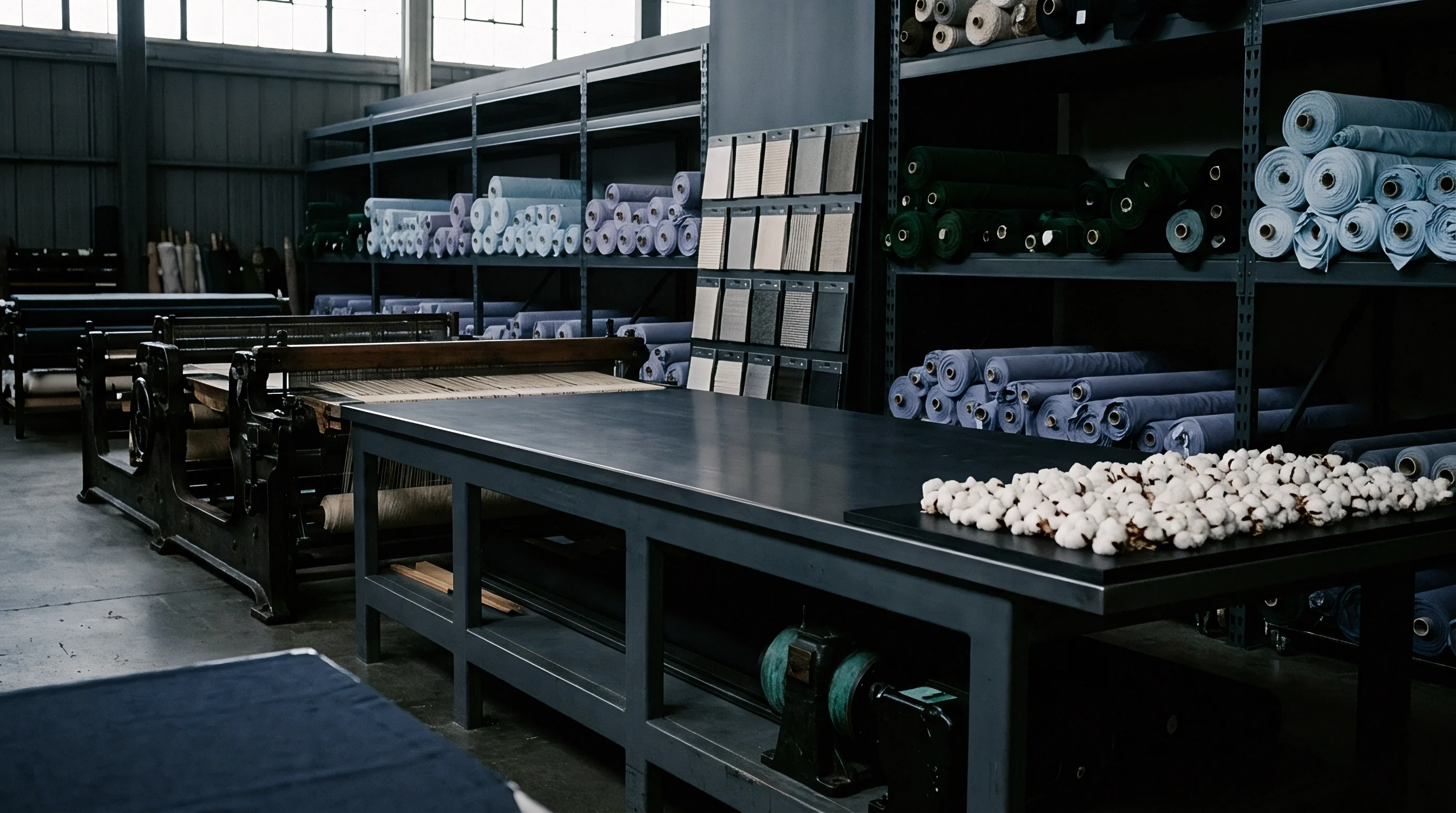
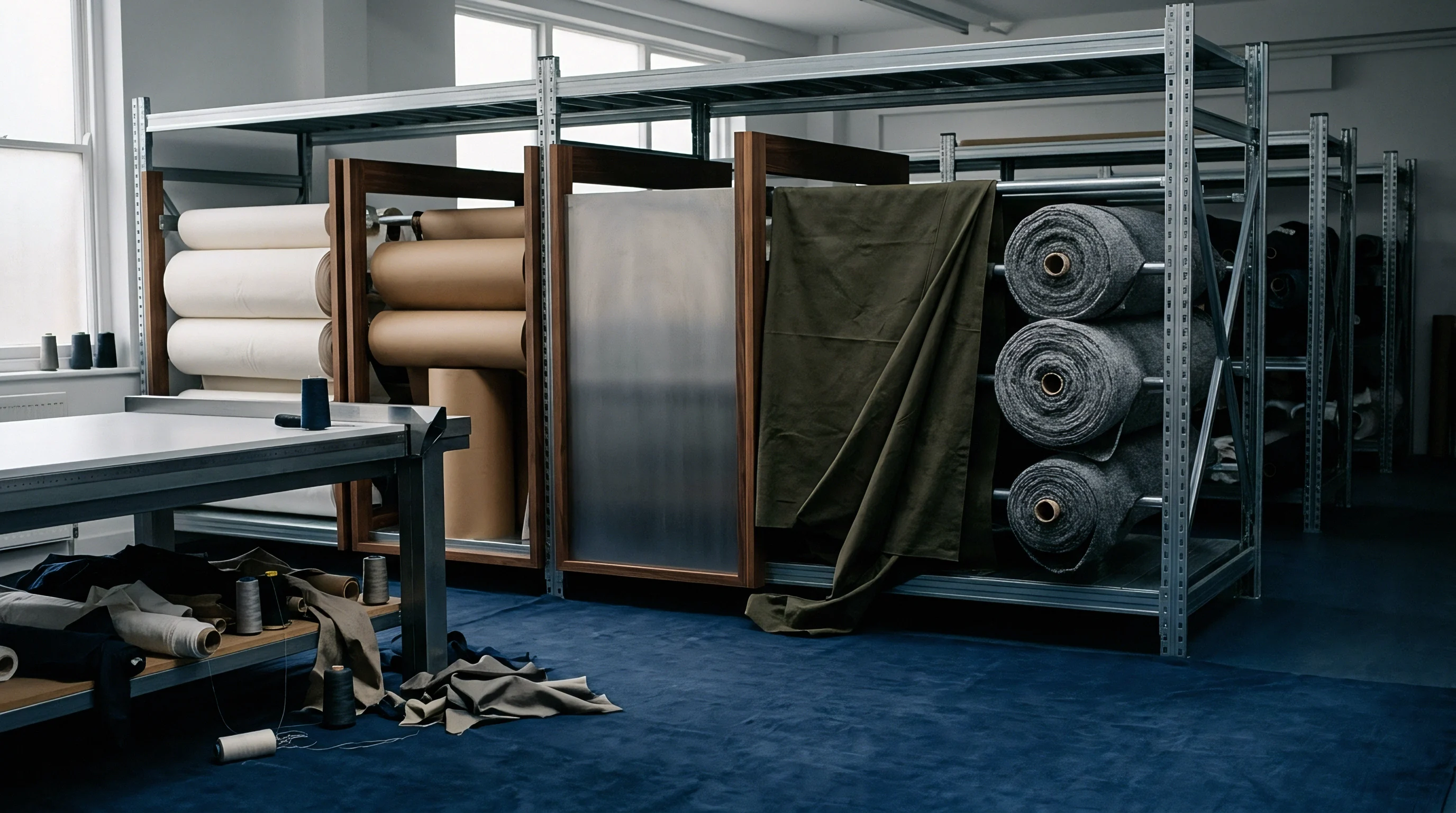
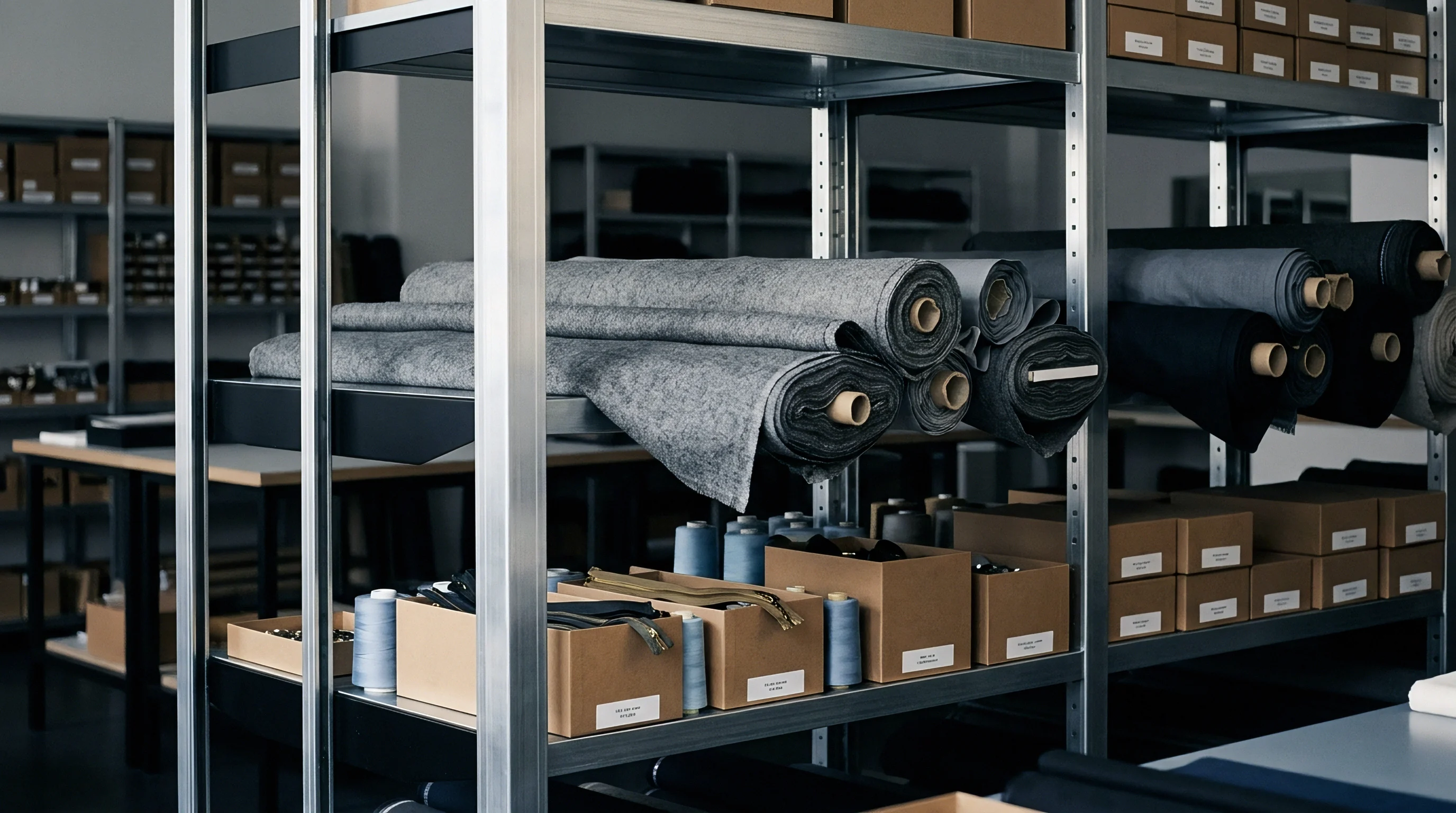
Woven and knitted greige textiles held in long-term warehouse storage continuously shift in ways that directly affect how they take dye. Left on A-frames, wooden pallets, or heavy steel frames, the tension locked into grey goods during high-speed air-jet weaving or circular knitting gradually bleeds out. As this tension relaxes, yarn crimp, roll package density, and fabric width change across the roll.
Without strict humidity controls in the warehouse, ambient moisture swings drive hygral expansion and contraction cycles that ruin physical uniformity long before wet processing begins.
Heavy greige rolls stored horizontally suffer heavy compression along their contact points under their own weight. Polyethylene wraps seal in yarn moisture while shutting out ambient air, creating microclimates inside the roll wraps. On dense cotton and polyester-cotton blend weaves, the weight on bottom-tier rolls flattens warp yarns and permanently alters local porosity.
When mounted on dyehouse unwinding frames, this uneven core tension leads to wide width variations along the batch length: outer layers show relaxed pick counts and lighter mass per unit area, while inner layers around the cardboard core keep their high stress and tight pick spacing.
Physical Dynamics of Roll Storage and Compression
Roll diameter changes follow typical viscoelastic creep behavior. Constant weight on stored rolls transfers warp crimp to weft crimp as fibers shift internally, especially in spun yarns sized with starch. Over the first ninety days of warehouse storage, woven goods held under high winding tension contract lengthwise while expanding in width.
Stacking rolls on pallets makes the mechanical strain worse. Standard industrial pallets carrying four tiers of heavy greige cloth apply localized pressure over forty-five kilopascals to the bottom layer. This pressure flattens selvages, crowding warp ends together and raising thread density by up to six percent along the roll shoulders.
In continuous pad-dyeing, these crushed selvage edges pick up liquid dye slower than the relaxed center, creating listing defects and side-to-center shade variation across finished cuts. Racking rolls vertically avoids contact compression, but suspended rolls will develop axial end-droop if they are not rotated regularly.
| Fabric Construction | Storage Duration | Conditioning Temp and RH | Warp Crimp Variance | Weft Crimp Variance | Width Contraction | Package Mass Density Change |
|---|---|---|---|---|---|---|
| 100% Cotton 3/1 Twill 210 gsm | 0 Months | 20°C / 65% RH | baseline 7.2% | baseline 4.1% | baseline 148 cm | 0.38 g/cm³ |
| 100% Cotton 3/1 Twill 210 gsm | 6 Months | 20°C / 65% RH | -0.8% absolute | +0.9% absolute | -1.2 cm | +0.02 g/cm³ |
| 100% Cotton 3/1 Twill 210 gsm | 18 Months | 32°C / 80% RH | -1.9% absolute | +2.1% absolute | -2.8 cm | +0.05 g/cm³ |
| 65/35 Poly-Cotton 150 gsm | 0 Months | 20°C / 65% RH | baseline 5.8% | baseline 3.4% | baseline 152 cm | 0.34 g/cm³ |
| 65/35 Poly-Cotton 150 gsm | 6 Months | 20°C / 65% RH | -0.3% absolute | +0.4% absolute | -0.4 cm | +0.01 g/cm³ |
| 65/35 Poly-Cotton 150 gsm | 18 Months | 32°C / 80% RH | -0.9% absolute | +1.1% absolute | -1.1 cm | +0.03 g/cm³ |
Changes in storage density alter fabric permeability. Compacted yarn bundles resist liquor penetration during quick desizing passes, preventing enzymes from penetrating deeply. This structural failure occurs on heavy canvas stock: the inner core of rolls stored for long periods retains raw sizing wax right through standard desizing, causing severe blotchiness during cold pad-batch dyeing.
Unconditioned warehouse floors promote localized moisture accumulation that permanent roll rotation schedules prevent.
Moisture Equilibrium and Package Tension Relaxation
Textile fibers balance their moisture content constantly against the surrounding air. Cellulosic fibers absorb water vapor up to their natural regain limit of eight and a half percent under standard industrial conditions of twenty degrees Celsius and sixty-five percent relative humidity. Synthetic fibers like polyester hold a much lower baseline around zero point four percent.
In blended fabrics, this hygroscopic mismatch generates internal shear stresses throughout the yarn matrix whenever warehouse humidity shifts.
Uncontrolled relative humidity speeds up structural relaxation. Atmospheric moisture acts as a plasticizer in cotton fibers, breaking hydrogen bonds inside amorphous cellulose areas and letting polymer chains slip under residual weaving strain. When relative humidity exceeds seventy-five percent, structural relaxation in the yarn doubles in speed.
Stored rolls absorb moisture from the outside in, establishing a steep moisture gradient through the roll depth. The outer wraps reach equilibrium in days, while the core can stay dry for months. This uneven hydration causes major tightness differentials that lead to bowing and skewing when the fabric is unwound under tension.
Weaving mills wrap finished greige rolls in non-porous film to protect against contamination, but this seals in whatever moisture is present at inspection. If fabric is wrapped straight off the loom while warm and dry from shed friction, the inner roll stays desiccated while the exterior pulls in water vapor through torn or loose plastic end caps. The resulting uneven swelling warps the edges: outer edges stretch out of alignment while the core remains tightly bound, leaving wave defects along the selvage that force dyehouses to use excessive stenter pin tension during finishing.
Tension relaxation directly affects wet pick-up rates during dye application. Relaxed yarns have wider spaces between filaments, which boosts capillary action during brief pad-bath dips. Compressed core yarns have tight capillary channels and absorb less liquor in the same exposure time.
Because of this, greige stored long-term displays cyclic shade bands matching the exact circumference of compressed inner roll layers.
Fluctuations in ambient warehouse humidity mean tension relaxation on stored rolls reflects natural fiber behavior rather than a defect in weaving tension.
Decay
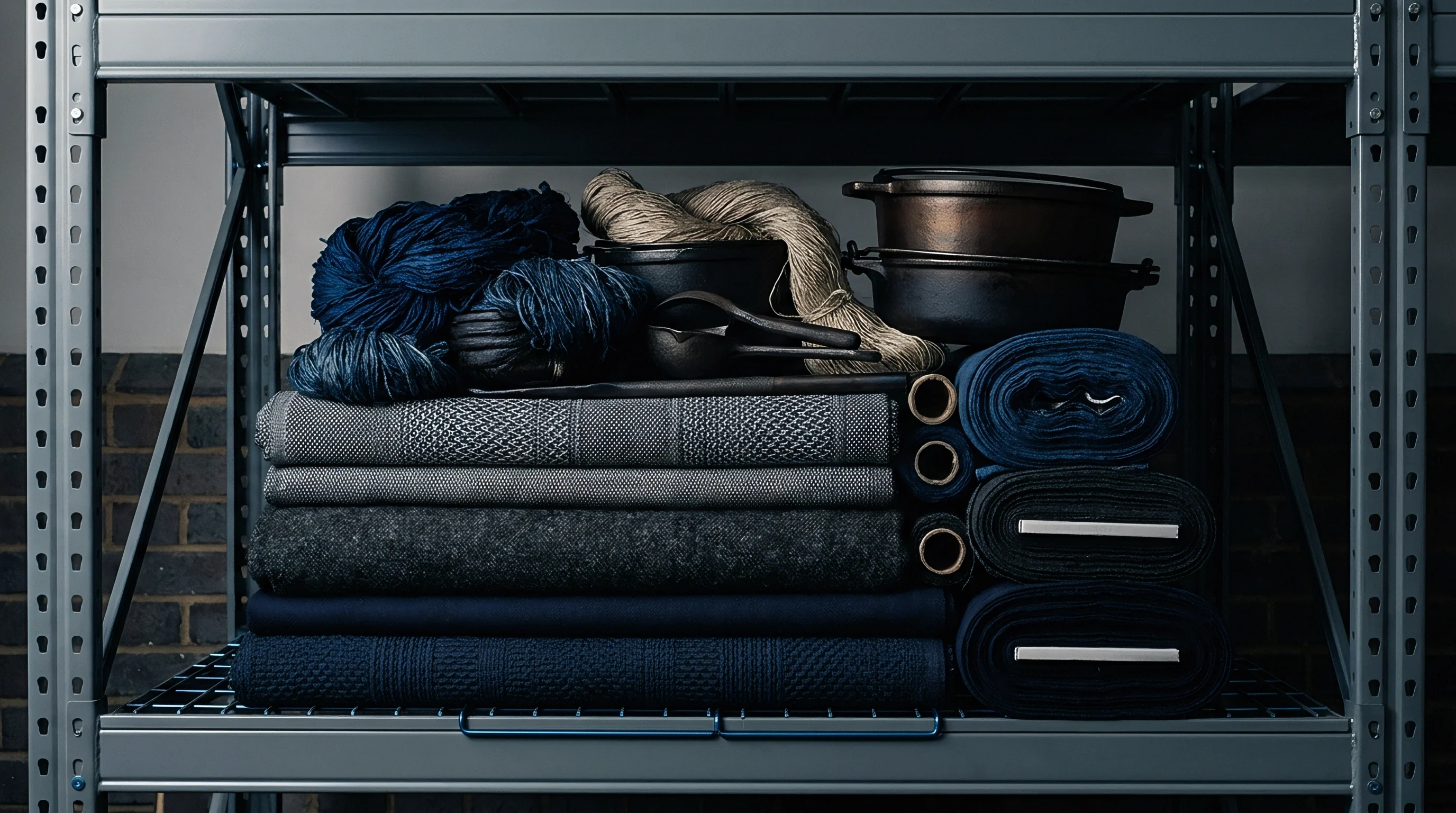
Chemical breakdown of warp sizing agents and residual lubricants is the single biggest hidden risk in long-term greige storage. Formulations applied before weaving contain modified starches, polyvinyl alcohol, carboxymethyl cellulose, synthetic acrylic binders, and hydrogenated vegetable fats or wax lubricants. Over time, these organic compounds degrade through oxidation, hydrolysis, and microbial consumption, producing byproducts that fundamentally change how the fabric wets out and absorbs dye.
Starch-based sizing agents undergo retrogradation and acid hydrolysis when exposed to atmospheric moisture and pollutants over long periods. Retrocrystalline starch turns insoluble in warm water and resists normal enzymatic desizing. Hydrolyzed starch yields short-chain glucose units that caramelize during high-temperature stenter drying, yellowing the cloth and releasing free aldehyde groups that interfere with reactive dye coupling.
Synthetic polyvinyl alcohol sizes depolymerize under UV light, forming cross-linked matrices that resist water removal entirely.
Chemical Decomposition of Warp Sizing and Spin Finishes
Unsaturated fatty acids in yarn lubricants oxidize in air, forming organic peroxides, hydroperoxides, and short-chain carboxylic acids. Oils in paraffin or tallow spin finishes oxidize through free-radical reactions accelerated by ambient heat and trace metal ions ~ like copper or iron from loom components. Oxidized oils turn yellow, give off acrid volatile organic compounds, and form resinous polymers that coat fiber surfaces.
Oxidized fatty films convert paraffin into stubborn surface contaminants. Standard alkaline scouring baths at ninety-five degrees Celsius fail to saponify these resinous residues, leaving uneven hydrophobic barriers across the yarn structure. When the fabric reaches continuous dyeing ranges, these spotty films block dye solution penetration, creating pale pinholes and resist streaks along the run.
Decomposition products alter surface tension across the cloth, driving water drop absorbency times from five seconds on fresh greige to over one hundred and twenty seconds on cloth stored eighteen months in warm conditions.
Standard storage agreements transfer chemical degradation risk to the buyer after ninety days unless humidity monitoring logs accompany the warehouse receipt.
Spin finish degradation hits synthetic filament yarns just as hard. Polyethylene glycol emulsifiers in polyester finishes undergo chain scission, losing their ability to emulsify water. Under storage pressure, the remaining hydrophobic silicone oils and mineral lubricants migrate toward fiber contact points.
This creates localized silicone concentrations that permanently alter surface energy, leaving dye resist spots that solvent extraction alone can fix.
Microbiological Rot and Enzymatic Breakdown Mechanics
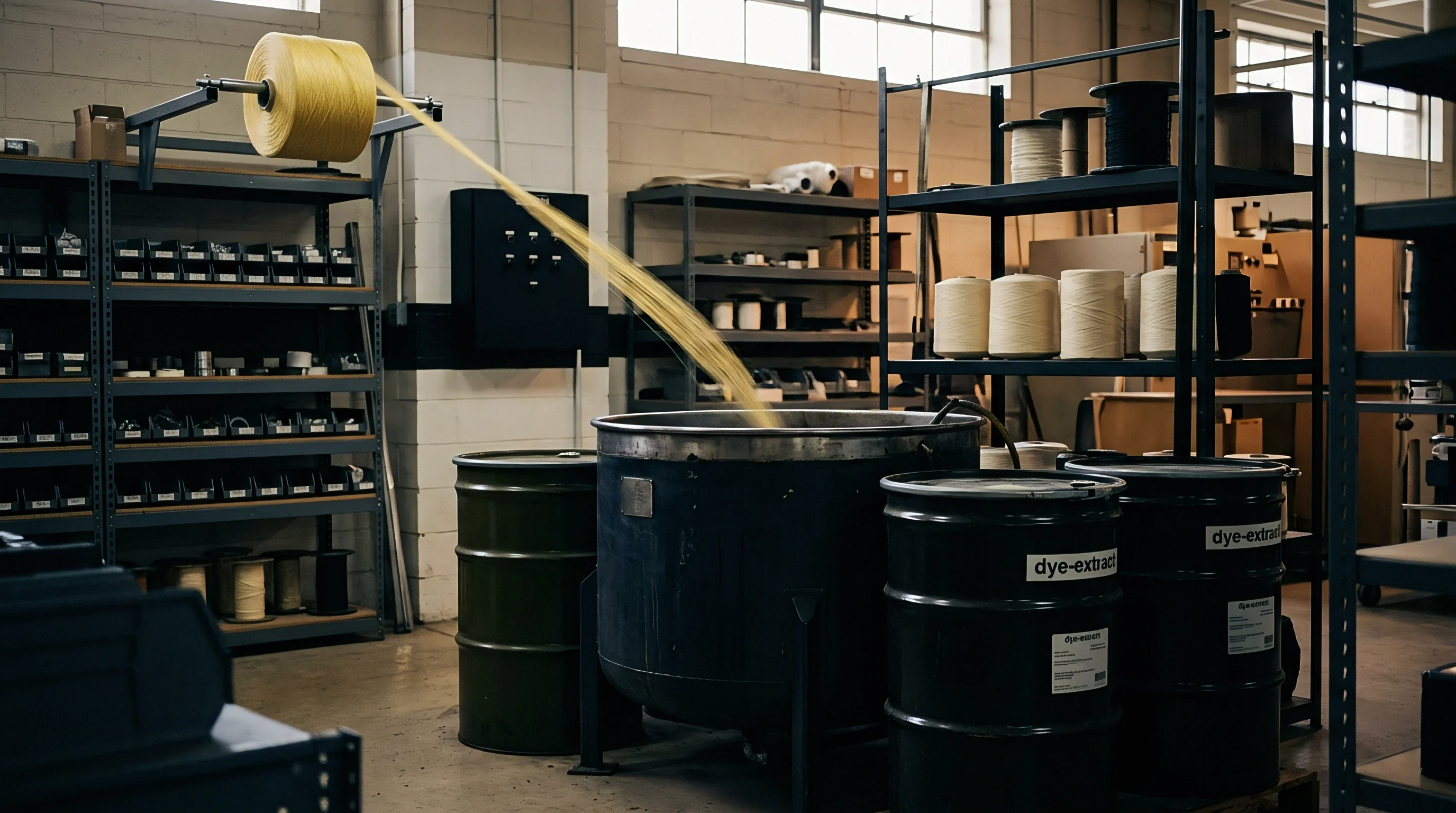
High moisture turns stored greige into an active biological substrate. Fungal spores ~ including Aspergillus, Penicillium, and Chaetomium species ~ multiply quickly on cotton whenever moisture content exceeds nine percent. These micro-organisms feed on organic starch sizing, secreting cellulase enzymes that attack the cotton fiber wall.
Enzymatic cleavage of glycosidic bonds reduces the cellulose degree of polymerization, destroying yarn tenacity and tear strength long before mold spots become visible.
Microbial colonies excrete organic acids and pigmented metabolites. Strains like Chaetomium globosum cause permanent grey and brown staining that resists aggressive hydrogen peroxide bleaching. Metabolic organic acids drop localized fiber pH, creating acidic micro-environments that neutralize alkaline dye baths during continuous reactive dyeing.
Cotton damaged by fungal attack shows altered crystalline-to-amorphous ratios, speeding up local dye absorption and leaving dark, blotchy specks across dyed grounds.
- Sizing Hydrolysis produces insoluble retrograded starch crystals that block dye bath penetration, creating pale resist spots across finished woven grounds.
- Triglyceride Oxidation forms sticky resinous polymers on fiber surfaces, driving water drop absorbency times from five seconds to over two minutes.
- Bacterial Soft Rot breaks cellulosic polymer chains in cotton yarn, dropping tear strength below specification and leaving permanent metabolic stains.
- Polymer Depolymerization cross-links synthetic polyvinyl alcohol sizing under ambient UV light, rendering size layers completely insoluble in standard enzyme desizing baths.
- Wax Crystallization forces paraffin yarn lubricants outward into clusters, creating spotty hydrophobic barriers that cause severe shade levelness failures in jet dyeing.
Bacterial contamination thrives inside anaerobic roll cores. Wrapped tightly in plastic, dense fabric rolls hold moisture while initial aerobic fungal growth consumes trapped oxygen. Once oxygen drops below critical levels, anaerobic bacteria such as Clostridium species take over, fermenting organic sizing into volatile fatty acids like butyric and valeric acid.
These compounds give stored rolls a foul odor and cause localized, acid-catalyzed cellulose breakdown that badly weakens yarn strength around the core.
Testing for microbiological damage requires measuring reducing sugars and methylene blue absorption capacity. Advanced degradation erodes natural fiber cuticles, exposing primary wall microfibrils and increasing specific surface area. This altered surface geometry causes rapid, uncontrolled dye pickup on initial bath contact, exhausting dye liquor early and leaving too little colorant for a level distribution across the rest of the batch.
Air freight costs reached twenty-four thousand dollars when an unmonitored storehouse delivered eight thousand metres of mildewed greige drill right before a fixed garment cutting deadline.

Split
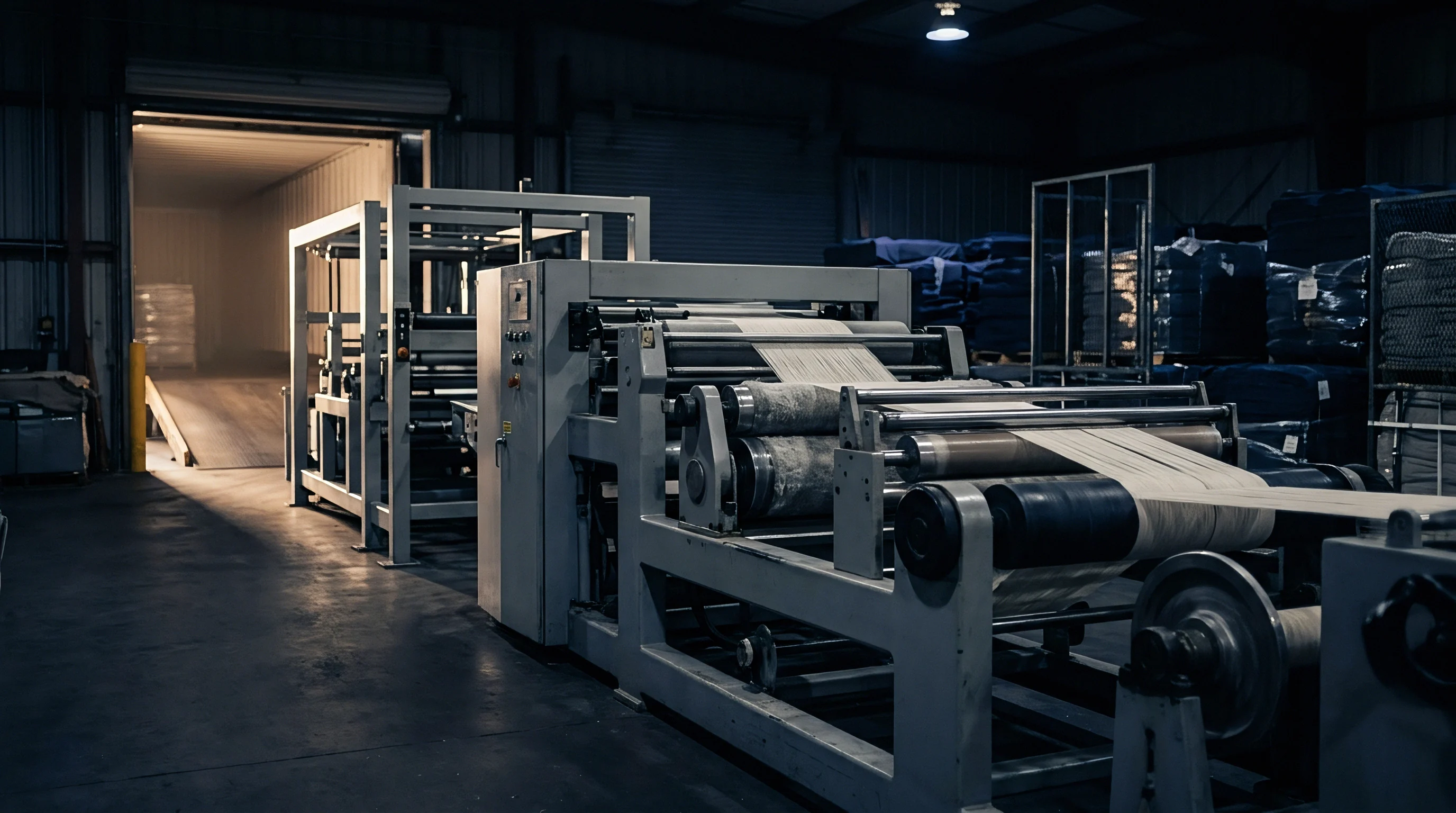
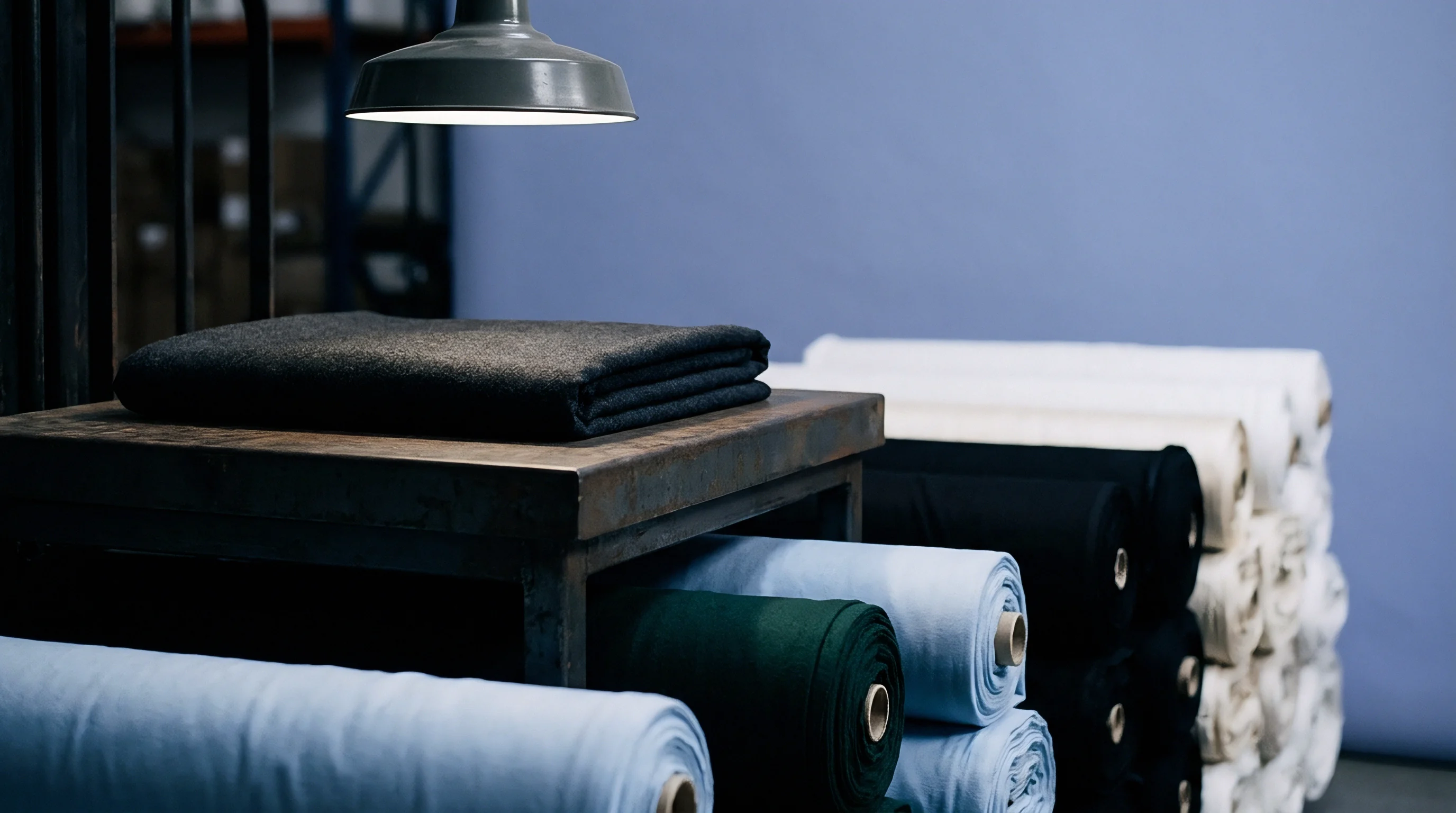
Splitting a single master greige production lot into separate dye batches over extended periods creates tough shade-matching problems. Buyers often order fifty thousand metres at a time to lock in volume pricing from mills, holding the cloth in central warehouses. Converters then draw down smaller lots of five thousand to ten thousand metres every three months for seasonal garment orders.
Because the stored greige continues to age chemically and physically between drawdowns, applying identical dyehouse recipes across successive split lots yields shifting shades.
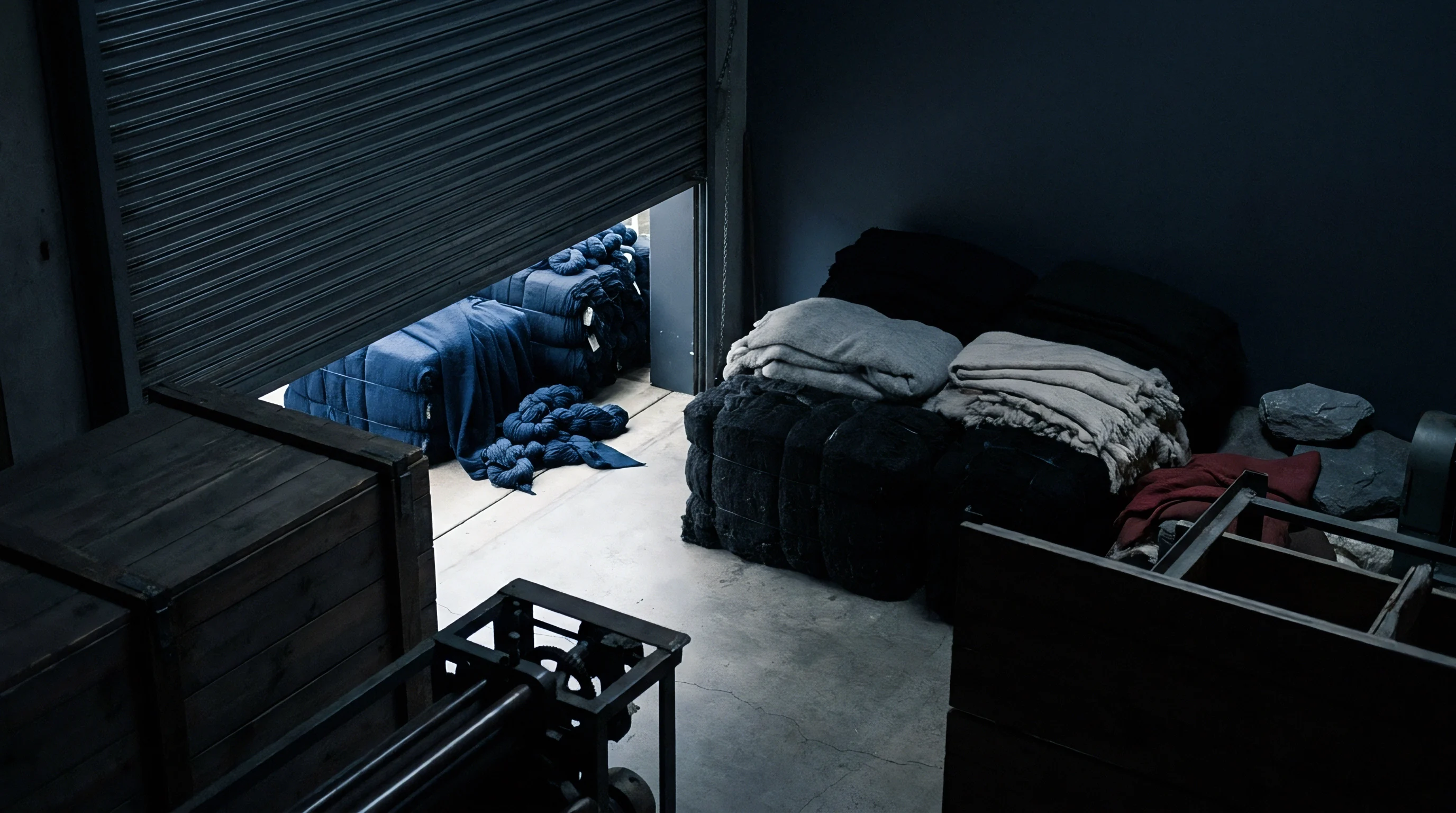
Dye absorption kinetics shift as stored fabric ages. Fresh greige processed right off the loom takes up liquid rapidly and predictably because spin finishes are unoxidized and moisture is uniform. Fabric drawn from that same master lot twelve months later carries oxidized lubricants, degraded sizing, and altered crimp structures.
These changes alter bath exhaustion rates, dye migration, and fixation yields, producing noticeable shade differences between early and late split runs processed under identical machine settings.
Dye Absorption Kinetics across Staggered Production Run Schedules
Dyehouse shade matching relies on consistent physical chemistry in the substrate. When split lots enter wet processing, variations in fiber swellability and wax degradation change the color yield per unit of dye. Reactive dyes applied to aged cellulosic fibers encounter altered hydroxyl group availability caused by atmospheric oxidation of cellulose chains.
Carboxylic acid groups formed as cellulose ages increase negative surface zeta potential in neutral baths, repelling anionic reactive and direct dyes during early migration phases.
Polyester fibers in blends relax thermally during ambient warehouse storage. Filaments stored under tension show minor shifts in amorphous region volume and orientation over twelve to twenty-four months. During disperse dyeing at one hundred and thirty degrees Celsius, these structural shifts alter dye diffusion coefficients inside the fiber core.
Aged polyester absorbs disperse dyes slower at first, requiring longer retention times at peak dyeing temperature to reach level distribution and full shade build-up.
| Split Lot Batch | Storage Duration | Dye Class and Method | Target Shade | Delta E CMC (2:1) vs Fresh | Light Fastness (ISO 105-B02) | Rubbing Fastness Dry (ISO 105-X12) |
|---|---|---|---|---|---|---|
| Batch A (Fresh) | 0 Months | Reactive Jet Dyeing | Navy Blue 19-4010 | 0.00 (Reference) | Grade 4-5 | Grade 4 |
| Batch B (Split 1) | 6 Months | Reactive Jet Dyeing | Navy Blue 19-4010 | 0.68 (Pass) | Grade 4-5 | Grade 4 |
| Batch C (Split 2) | 12 Months | Reactive Jet Dyeing | Navy Blue 19-4010 | 1.42 (Fail) | Grade 4 | Grade 3-4 |
| Batch D (Split 3) | 18 Months | Reactive Jet Dyeing | Navy Blue 19-4010 | 2.15 (Fail) | Grade 3-4 | Grade 3 |
| Batch E (Split 4) | 24 Months | Reactive Jet Dyeing | Navy Blue 19-4010 | 2.89 (Fail) | Grade 3 | Grade 2-3 |
Color fastness degrades as greige ages. Oxidized lubricants that survive scouring interfere with dye fixation inside the fiber matrix. Unfixed reactive dye molecules become trapped in surface wax residues instead of bonding covalently with cellulose hydroxyl groups.
During ISO 105-C06 wash fastness testing, these trapped dyes bleed off quickly, dropping fastness ratings by half a grade to a full grade compared to fresh greige benchmarks.
Continuous dye liquor absorption drops four percent after twelve months of storage when paraffin spin finishes undergo atmospheric oxidation.
How Does Aged Greige Alter Lab Dip Accuracy?
Standard dyehouse procedure dictates that lab dips developed during initial order placement serve as color targets for all subsequent split lots. Laboratories typically prepare those first dips using fresh greige samples taken right after weaving. When the dyehouse processes a split lot twelve months later, the bulk greige no longer matches the chemical state of the original lab dip sample.
Dye recipes calibrated to fresh fabric yield noticeable off-shade results on aged material.
Spectrophotometer readings reveal severe metamerism across aged split lots. As surface reflection changes from lubricant oxidation and yellowing, colorists add extra shading dyes to pull the bulk shade into tolerance under primary illuminant D65. These secondary additions alter spectral absorption curves, causing the dyed cloth to shift color drastically under store lighting like TL84, CWF, or incandescent light sources.
Correcting shade drift across split lots requires re-standardizing the dye recipe as the fabric ages. Dyehouses must pull bench samples from stored rolls two weeks before scheduling each split run. The lab then runs a new lab dip series directly on the aged substrate, recalculating dye concentrations to offset altered absorbency.
This extra calibration step slows turnaround times and adds laboratory costs to every split lot transaction.
The question remains whether real-time spectral analysis of unwashed greige yarn can accurately forecast final shade drift before the converter commits forty thousand metres to the dye bath.
Conversion
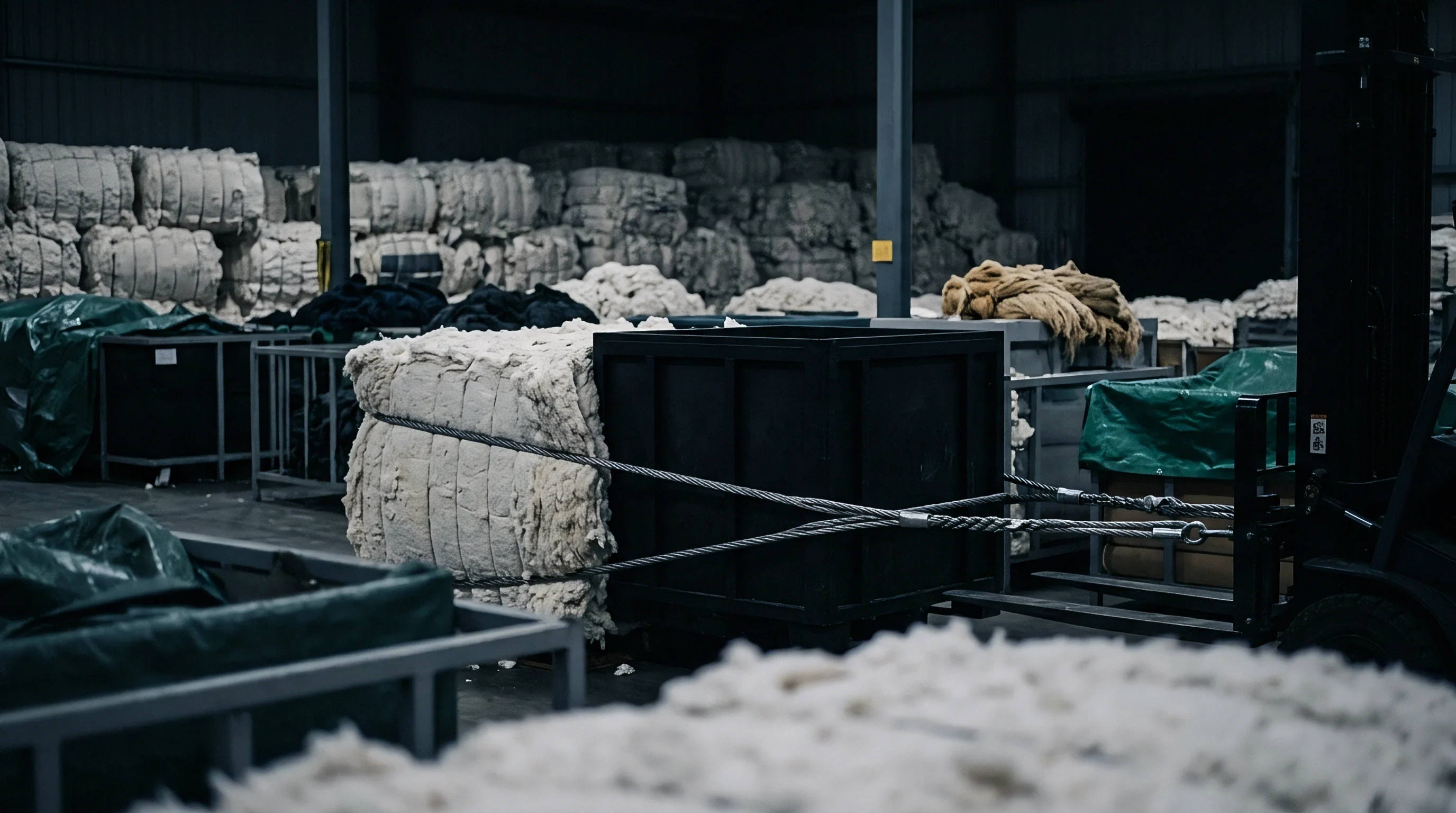
Converting aged greige into finished dyed fabric requires specific adjustments to standard wet-processing formulas. Preparation recipes built for fresh loom-state cloth fall short on greige that has suffered sizing breakdown, oil oxidation, and moisture loss in long storage. Dyehouses must adjust desizing chemistry, alkaline scouring concentrations, hydrogen peroxide bleaching parameters, and stenter overfeed settings to achieve uniform dyeing without sacrificing physical strength.
Preparation starts by evaluating residual sizing composition. Standard enzymatic desizing baths using alpha-amylase enzymes at pH six point five to seven point zero fail to break down retrograded starch and oxidized polyvinyl alcohol. Chemists boost enzyme concentrations by up to thirty percent and add non-ionic wetting agents to penetrate hydrophobic wax crusts.
When starch retrogradation is severe, dyehouses swap neutral enzymes for thermo-stable amylases running at ninety-five degrees Celsius, combining enzyme treatment with mild alkaline builders to force retrograded starch back into suspension.
Alkaline Scouring and Enzyme Desizing Modifications
Alkaline scouring intensity must increase to saponify oxidized vegetable oils and emulsify degraded paraffin lubricants. Standard scouring baths use sodium hydroxide concentrations between twenty and thirty grams per liter. For greige stored past twelve months, dyehouses boost caustic soda charges to forty grams per liter and add solvent-based emulsifying auxiliaries to dissolve oxidized wax polymers.
This aggressive treatment strips contaminants but raises the risk of chemical damage to natural cellulosic fibers.
Higher caustic concentrations during scouring increase fabric weight loss in preparation. Fresh cotton loses between four and six percent of total dry mass. Aged cotton subjected to aggressive scouring can lose up to nine percent, reducing finished weight per square metre.
A sourcing manager specifying a two hundred gram per square metre finished twill may receive cloth weighing only one hundred and eighty-eight grams per square metre if heavy scouring stripped degraded material and weakened cellulose microfibrils.
- Measure extractable sizing content according to ISO 20743 baseline protocols.
- Perform enzymatic desizing bath trial at 70°C for forty minutes.
- Evaluate residual wax content using solvent extraction under ISO 3071 standards.
- Calibrate caustic scouring concentration to compensate for oxidized lipid residues.
- Conduct continuous peroxide bleaching with stabilizer adjustments to preserve tensile strength.
Bleaching formulas demand precise stabilizer calibration. Hydrogen peroxide bleaching removes natural cotton pigments and oxidizes yellowed decomposition products formed during storage. Aged cellulose contains higher levels of carbonyl and carboxyl groups from atmospheric oxidation.
In alkaline hydrogen peroxide, these oxidized sites accelerate iron-catalyzed hydroxyl radical generation, causing localized cellulose breakdown and pinhole formation. Operators add organic phosphonate chelating agents to trap trace metal ions and stabilize peroxide decomposition.
Alkaline scouring temperatures above ninety-five degrees Celsius strip oxidized lubricants but increase tear strength loss on aged cotton fibers.
Stenter Heat Setting Parameters and Tensile Retain Factors
Stenter frame heat setting restores dimensional stability while correcting structural deformation introduced in storage. Aged synthetic and blend fabrics carry altered thermal memory from long room-temperature creep. Standard heat-setting temperatures of one hundred and ninety degrees Celsius for 65/35 polyester-cotton blends require adjusted exposure times, extending dwell inside heating zones by ten to fifteen percent to ensure complete polymer relaxation across compressed roll centers.
Overfeed adjustments compensate for storage contraction. Rolls that have narrowed during storage require higher overfeed percentages at stenter entry to avoid excessive warp tension. Running contracted fabric through heat-setting frames without sufficient overfeed leaves high residual shrinkage in the finished cloth.
Subsequent domestic washing tests under ISO 6330 protocols reveal severe dimensional instability, with warp shrinkage exceeding seven percent on finished garment cuts.
Tensile and tear strength testing under ISO 13934-1 and ISO 13937-2 documents the physical cost of aggressive conversion treatments. Cellulosic fibers subjected to elevated caustic charges and prolonged bleaching cycles lose up to twenty percent of their initial breaking force. Weaving mills typically supply greige cloth with tensile margins fifteen percent above buyer specifications to absorb normal preparation losses.
When aged greige undergoes aggressive processing, total tensile loss exceeds these safety margins, triggering bulk rejections for sub-specification performance.
Converters who adjust scouring bath surfactant levels based on storage duration achieve consistent shade depth without stripping natural fiber tenacity.
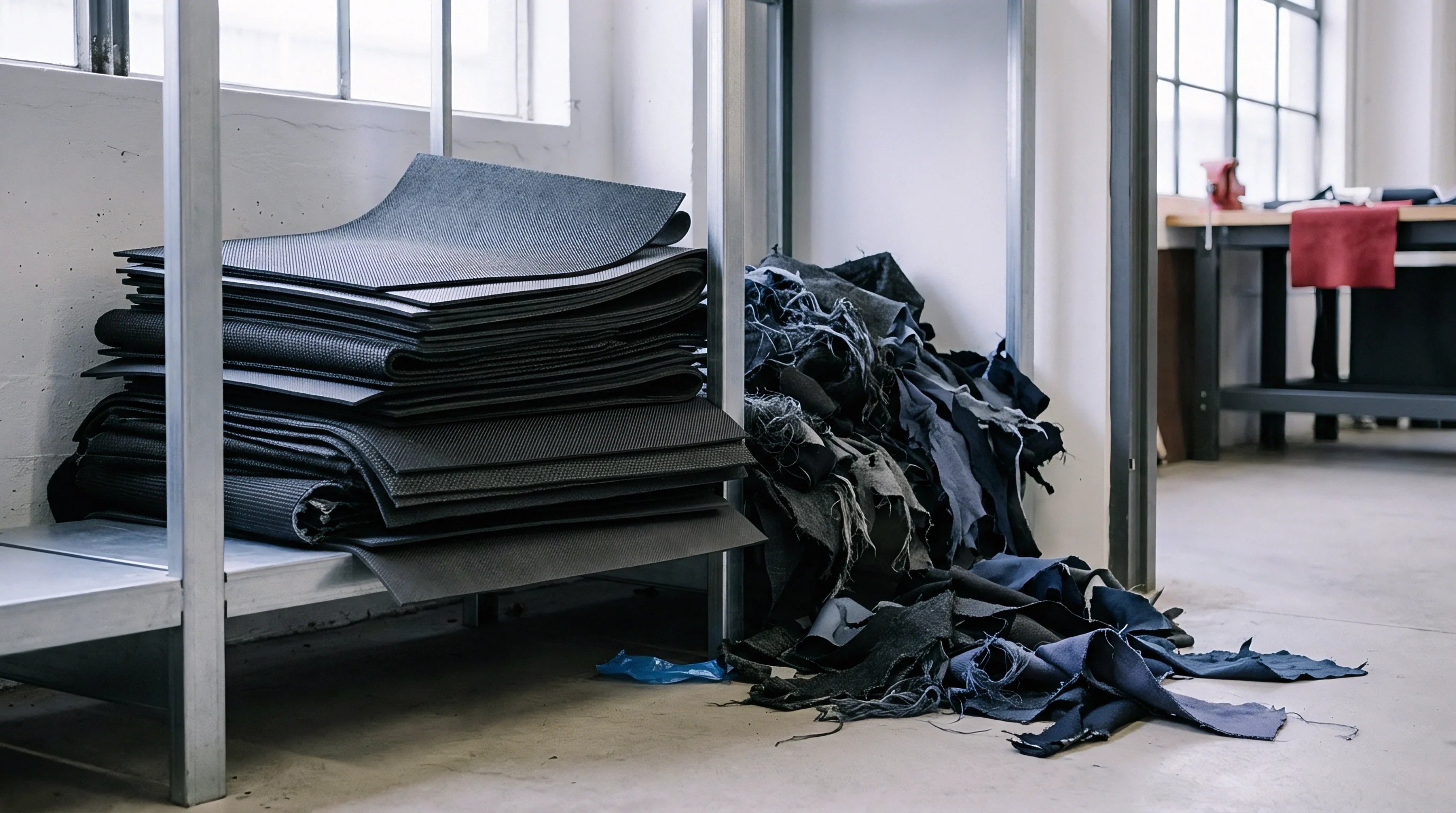
Liability
Long-term storage of greige fabric redistributes commercial and legal risks across the supply chain. Sourcing transactions typically involve three parties: the weaving mill, the warehouse, and the dyeing converter. When fabric fails in wet processing after extended storage, establishing liability requires clear contractual definitions covering title transfer, bailment duties, inspection windows, and latent defect indemnities.
Bailment law governs physical storage relationships. When a buyer purchases greige from a mill but leaves rolls in a third-party logistics facility, the warehouse acts as a bailee for hire. Standard warehouse receipts limit facility liability to gross negligence or physical disaster, excluding gradual material degradation, humidity-driven oxidation, or micro-biological attack.
Unless the buyer executes a climate-controlled bailment agreement specifying relative humidity between fifty and sixty-five percent and ambient temperatures under twenty-five degrees Celsius, legal liability for fabric degradation stays with the inventory owner.
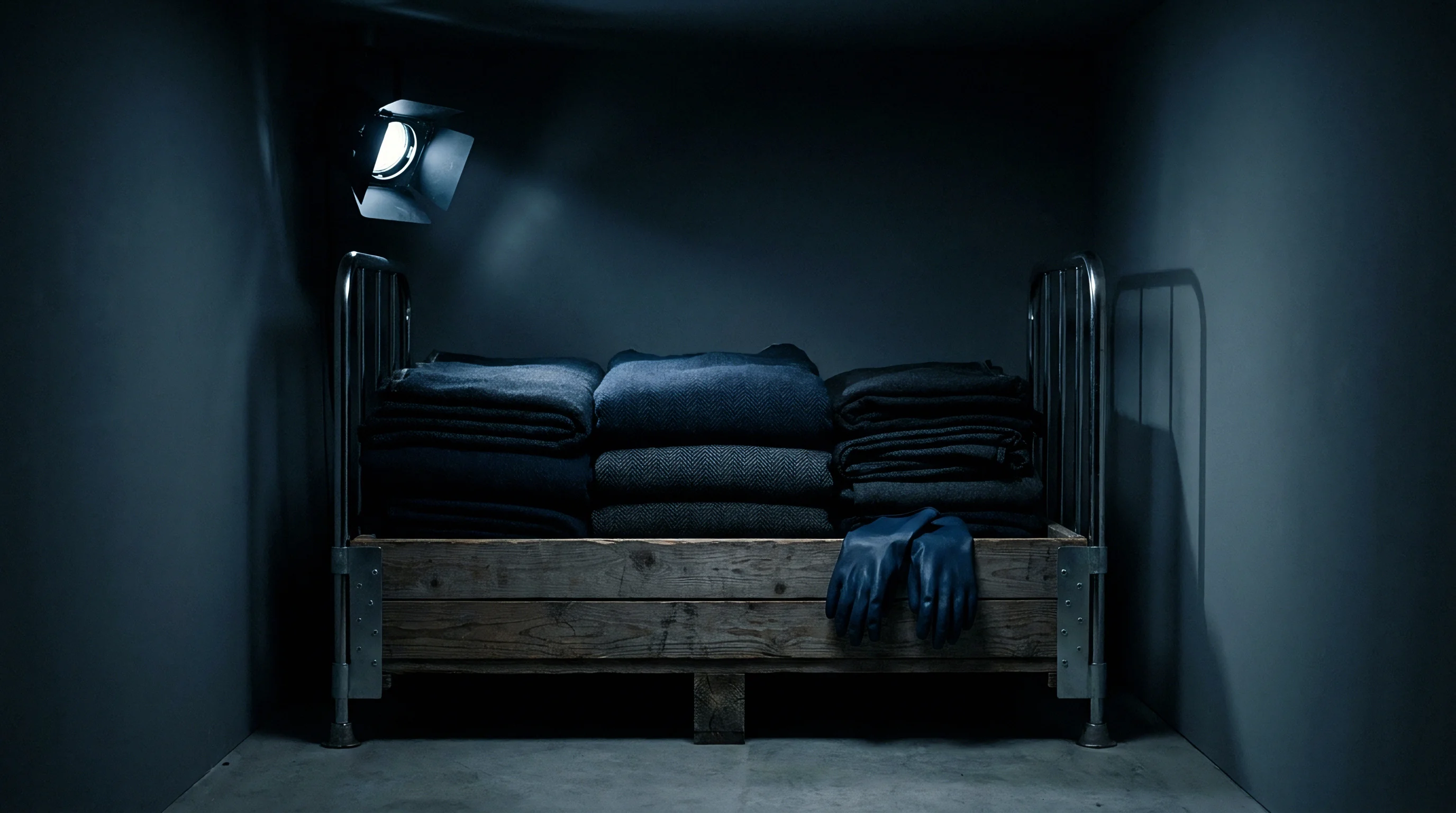
Title Transfer Protocols and Storage Bailment Terms
Title transfer timing dictates who carries physical loss during storage. Under standard Incoterms like FCA (Free Carrier) or FOB (Free on Board), title and risk pass to the buyer the moment cloth leaves the mill gate. If the buyer instructs the weaver to transfer rolls to an adjacent mill warehouse under a bill-and-hold arrangement, legal title passes while physical custody remains with the seller.
Bill-and-hold deals require explicit contract clauses detailing warehouse insurance, moisture verification upon transfer, and maximum allowable storage durations before mandatory conversion.
Standard commercial agreements mandate fabric inspection within thirty days of delivery. This traditional thirty-day window creates major legal risk for buyers storing greige for six to twenty-four months. Physical and chemical defects from long storage ~ like sizing hydrolysis or lubricant oxidation ~ remain invisible during a standard unwashed four-point roll inspection.
These latent defects show up only when the dyehouse unrolls the fabric and applies wet processing chemistry months after the claim window has closed.
- Bailment Moisture Guarantee mandates continuous environmental data logging inside storage bays and holds the warehouse owner financially liable for mold growth when relative humidity exceeds seventy percent for forty-eight consecutive hours.
- Split Lot Shade Drift Allowance sets maximum Delta E CMC shade variance limits between historical split dye runs and defines cost-sharing formulas for dyehouse lab dip recalibrations.
- Tier Two Weaver Latent Defect Indemnity extends weaving mill warranties from thirty days to eighteen months specifically for latent sizing degradation and unsaponifiable spin finish contamination.
- Storage Holding Fee Indexing links monthly pallet storage charges to fabric mass and volume while building mandatory quarterly roll rotation and visual inspection into the base rate.
Resolving disputes between tier-one converters and tier-two weaving mills requires clear risk allocation formulas. Weaving mills reject liability for finished fabric defects on cloth stored beyond ninety days, claiming dyehouse processing errors or poor warehouse climate control caused the failure. Converters reject liability for off-shade or tender fabric when processing aged greige, asserting that latent sizing breakdown or oxidized spin finishes prevented normal dye levelling and chemical fixation.
| Defect Category | Root Cause Mechanism | Primary Responsible Party | Secondary Risk Bearer | Standard Contractual Remedy |
|---|---|---|---|---|
| Roll Flatness and Listing | Bottom-tier stacking compression | Warehouse Operator | Buyer / Inventory Owner | Pallet stacking height limits and mandatory quarterly roll rotation |
| Insoluble Size Spots | Starch retrogradation / PVA scission | Weaving Mill | Buyer / Inventory Owner | Extended latent defect warranty specifying size removal parameters |
| Hydrophobic Dye Streaks | Spin finish oxidation | Weaving Mill | Dyehouse Converter | Scouring chemical surcharge absorbed by weaver if stored under 6 months |
| Split Lot Shade Drift | Aging fiber zeta potential shift | Buyer / Inventory Owner | Dyehouse Converter | Mandatory re-lab dipping paid by buyer; re-formulated dye recipe |
| Tear Strength Failure | Aggressive scouring of aged cloth | Dyehouse Converter | Weaving Mill | Joint lab analysis of degree of polymerization before chargeback |
Vague contractual language leads to expensive arbitration. When a major brand stored forty thousand metres of heavy twill for fourteen months before split-dyeing, the converter encountered severe shade streaking from oxidized yarn lubricants. The weaving mill cited its standard thirty-day claim clause, while the warehouse cited standard bailee liability exclusions.
The buyer absorbed the full conversion loss because their purchase agreement lacked an extended latent defect indemnity clause for stored greige goods.
Contractual bailment terms that omit relative humidity logging transfer all physical aging risk from the warehouse owner directly to the buyer.
Clause 14.2 of the international greige master agreement reallocates pre-dyeing degradation costs back to the weaving mill if warp sizing desizability falls below ninety percent within twelve calendar months.
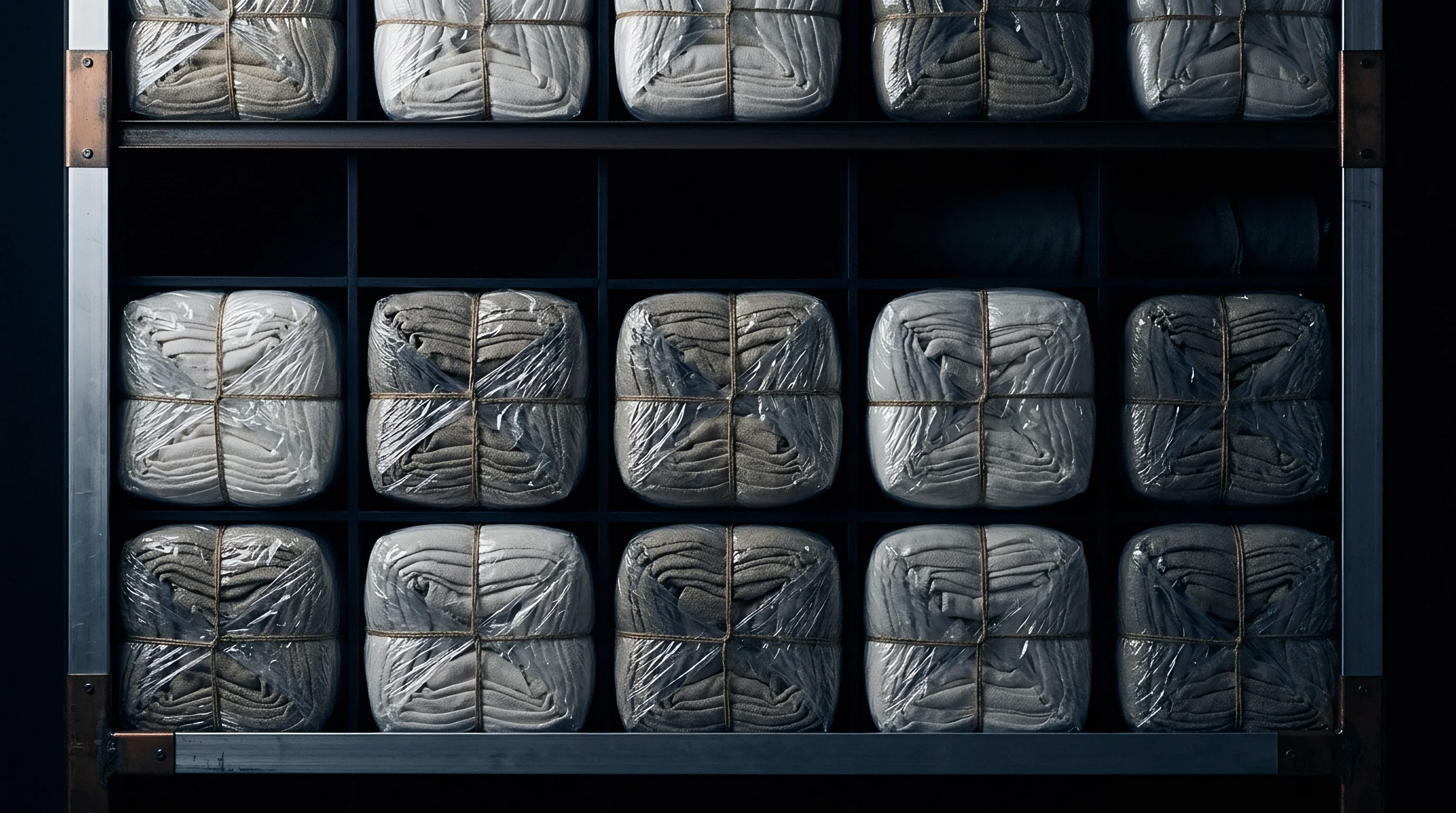
Settlement
Reconciling financial claims and technical failures from long-term greige storage requires a structured dispute resolution protocol. When split dye lot conversions fail quality standards, supply chain partners must work through a standardized laboratory matrix to isolate root causes. Arbitrating these claims depends on distinguishing weaving mill construction flaws from warehouse storage degradation and dyehouse processing errors through quantitative forensic testing.
Forensic analysis starts with sample extraction from retained greige swatches and failed bulk rolls. Standard testing includes Fourier-transform infrared spectroscopy to identify oxidized lubricant structures, gel permeation chromatography to assess the cellulose degree of polymerization, and liquid chromatography-mass spectrometry to analyze sizing degradation products. If spectroscopy reveals hydroperoxides and long-chain carboxylic acids in unwashed yarn wax extracts, liability points directly to lubricant oxidation during warehouse storage rather than a dyehouse preparation error.
Root Cause Laboratory Testing and Verification Protocols
Determining desizing failure origins requires quantitative testing under ISO 20743 and ISO 3071 standards. Lab technicians extract residual size from unwashed greige samples pulled from stored rolls, comparing cold water solubility against fresh weaver reference swatches. If cold water size solubility drops below sixty percent on stored samples while reference swatches maintain eighty-five percent solubility, retrogradation during warehouse storage stands as the primary failure cause.
Evaluating tear and tensile losses requires testing unwashed greige, scoured intermediate cloth, and finished dyed fabric under ISO 13934-1 tensile and ISO 13937-2 tear methods. A baseline drop in unwashed greige tensile strength proves microbiological cellulase attack during storage. Conversely, if unwashed greige meets full strength specifications but scoured intermediate fabric shows a thirty percent loss, excessive caustic concentration or high temperature during dyehouse preparation represents the root cause of failure.
Chargeback Calculations and Yield Loss Reconciliation
Financial settlement calculations must account for initial fabric acquisition costs, storage holding charges, laboratory testing fees, dyehouse processing costs, and scrap salvage values. Net financial damages equal total landed cost minus real scrap recovery value. The mathematical formula for settlement chargebacks reads:
Total Claim Value = (Greige Metres x Unit Greige Cost) + Storage Fees + Dyeing Processing Invoice – (Scrap Metres x Salvage Price)
Yield loss reconciliation introduces complex calculations during split dye lot conversions. Aged greige fabric incurs higher cutting waste and edge trimming losses from selvage wave, roll flat spots, and width contraction. Standard yield models assuming two percent length loss from greige to finished fabric must be revised upward to four or five percent for cloth stored beyond twelve months.
Standard commercial contracts establish that excess yield loss above baseline tolerances is charged directly to the party held responsible by forensic lab findings.
Sourcing practices limit long-term storage exposure by setting rolling conversion schedules and strict storage caps. Establishing a hard twelve-month storage limit for cotton and cotton-blend greige prevents severe chemical degradation, while enforcing mandatory six-month recalibration of dyehouse lab dips keeps split lot shade drift down. Writing clear risk-allocation matrices into purchase orders ensures that every supply chain tier understands its financial liability before greige rolls ever reach warehouse shelves.
Negotiated settlements often combine financial chargebacks with future production rebates. When lab analysis attributes forty percent of shade failure to spin finish oxidation and sixty percent to improper dyehouse leveling agent dosing, the weaving mill and dyehouse split the net claim proportionally, issuing credit notes against upcoming fabric orders to preserve the commercial relationship.