Forensic Audit Mechanics for Chemical Dosing Logs during Supply Chain Certification Lapses
Forensic audit mechanics reconcile digital SCADA dosing logs with mass balance inventory calculations to detect uncertified chemical inputs during scope lapses.


Vat
An automated liquid dispensing terminal at a reactive dyeing mill logged four hundred liters of unverified acetic acid on October eighteen, three days after the facility’s Global Organic Textile Standard scope certificate expired. Wet-processing operations rarely halt when administrative accreditation lapses occur. Production lines continue running gray cloth through preparation, dyeing, and finishing baths while management awaits certifier renewal audits.
The resulting compliance gap creates immediate exposure for downstream buyers who purchase finished fabric under certified transactional claims. Reconstructing physical dosing records across these lapse windows demands systematic extraction of raw shop-floor data.

Shop Floor Record Discrepancies
Physical paper logs and digital recipe management interfaces frequently diverge during certification gaps. Dosing records carry the exact weights, batch times, and chemical identification codes entered by machine operators at the mixing station. When a mill operates without an active scope certificate, the incentive to maintain strict adherence to positive chemical lists often degrades.
Operators facing tight production schedules may substitute restricted leveling agents, unapproved wetting chemicals, or cheap fixing synthetics if primary stock runs out.
Discrepancies in chemical dosing logs manifest through several distinct operational mechanisms during lapse periods.
- Unregistered Batch Codes Chemical auxiliary drum numbers recorded on physical mixing slips do not align with approved ZDHC MRSL Version 3.1 input dossiers or Eco Passport inventory registers.
- Manual Dosing Overrides Machine operators bypass automated liquid dispensing valves to add non-formulated shading dyes or defoamers directly into dye vessels using unmetered buckets.
- Omitted Recipe Steps Physical batch execution cards omit specific auxiliary additions that appear in the digital SCADA master recipe, masking the addition of uncertified processing aids.
- Retroactive Log Alterations Paper batch sheets show conflicting ink colors, erased dosing weights, or rewritten timestamps where manual corrections were inserted after audit notifications arrived.
Audit procedures require comparing physical mixing room floor sheets directly against automated dispense system log files. Digital systems write every valve opening duration, pump pulse count, and mass scale measurement to continuous SQL database tables. These records operate independently of operator entry forms and cannot be modified without leaving clear database administrative timestamps.
A mismatch between physical paper receipts and digital SCADA event tables highlights potential chemical non-compliance during the lapse window.
The presence of an unverified auxiliary input in a ten-thousand-liter dye liquor invalidates the organic transaction status of the entire production lot.

Digital Extraction from Automated Dispensing Systems
Modern wet-processing plants utilize centralized liquid chemical dispensing units connected directly to dye machines via pneumatic pipeline networks. These terminals record every chemical transfer event down to fractional milliliters. Extracting raw event logs requires pulling Ethernet and serial communication logs directly from the programmable logic controller memory modules.
PLC memory files store raw dosing events as hexadecimal string structures containing timestamp, pipe line ID, target chemical code, target weight, actual delivered weight, and pump execution duration. Forensic analysis converts these raw communications streams into readable relational tables. Comparing target weights against actual delivered weights exposes calibration errors or deliberate manual delivery halts where operators interrupted the delivery of expensive certified auxiliaries.
Mill management routinely claims that uncertified auxiliary containers used during the gap originated from previously validated stock batches.


Ledger
Chemical mass balance audits convert raw purchasing receipts, liquor ratios, and fabric dry weights into precise quantitative thresholds. Standard certification procedures allow a mill to process certified fiber only if incoming chemical inputs align mathematically with outgoing finished goods. During a scope certificate lapse, mass balance arithmetic serves as the primary tool to confirm whether non-certified chemical formulations entered the wet-processing pipeline.

Mass Balance Calculation Mechanics
Executing a mass balance audit requires calculating total bath volume alongside total chemical consumption for every dyed batch. Jet dyeing machines operate within specific liquor ratios, typically ranging from 1:5 to 1:10 for knitted cotton constructions. Total bath volume equals dry fabric weight multiplied by the designated liquor ratio.
Dosing mass calculations follow two distinct mathematical formats depending on whether chemicals are added as a concentration per liter or as a direct percentage based on fabric dry weight. For liquid auxiliaries added by concentration, chemical mass equals total bath volume multiplied by auxiliary concentration. For dyes and direct additions calculated on fabric mass, chemical mass equals dry fabric weight multiplied by the percentage dosing rate.
Continuous padding lines utilize pickup percentage calculations, where pickup equals wet fabric weight minus dry fabric weight divided by dry fabric weight.
Take a 10,000 kg lot of 100% organic cotton knitted fabric dyed in a jet machine at a 1:8 liquor ratio. Total liquor volume equals 80,000 liters. The standard recipe specifies 2.5% weight-of-fabric reactive dye blend, 50 g/L sodium sulfate, and 15 g/L sodium carbonate.
Dosing calculations yield 250 kg of dyestuff, 4,000 kg of Glauber salt, and 1,200 kg of soda ash. If chemical stock ledger records show 280 kg of dyestuff consumed for this batch during a certification lapse, the 30 kg variance indicates either unrecorded shading reworks or uncertified auxiliary additions.
Standard purchase order warranty terms turn unverified chemical consumption during scope lapses into immediate material breaches of contract.
Comparing physical consumption against theoretical recipe demands across an entire certification lapse window reveals hidden chemical additions.
| Chemical Category | SCADA Dispense Record | Physical Inventory Ledger | Calculated Variance | Audit Status |
|---|---|---|---|---|
| Reactive Black Mix | 1,250.0 kg | 1,252.5 kg | +0.2% | Compliant |
| Bifunctional Reactive Blue | 420.0 kg | 485.0 kg | +15.5% | Non-Compliant |
| Sequestering Agent | 800.0 L | 805.0 L | +0.6% | Compliant |
| Synthetic Fixing Agent | 0.0 L | 350.0 L | Unrecorded | Severe Violation |
| Non-Ionic Scouring Agent | 600.0 L | 720.0 L | +20.0% | Non-Compliant |

Sequential Mass Balance Forensic Steps
Reconstructing chemical compliance across uncertified production windows demands a structured audit sequence.
- Compile all physical shop-floor batch cards, recipe sheets, and dyehouse machine allocation schedules executed between the scope certificate expiry date and the re-issuance date.
- Extract automated SCADA dosing terminal dispatch logs for all liquid dispensing channels serving the wet-processing hall across the identical timeframe.
- Calculate theoretical chemical demand for every batch by multiplying total processed dry fabric weight by approved recipe concentration parameters.
- Sum total chemical consumption records from raw material warehouse stock movement ledgers and commercial purchase invoices covering the lapse window.
- Cross-reference calculated theoretical chemical demand against actual inventory depletion figures to identify unaccounted chemical usage volumes.
- Match all identified chemical commercial names and batch lot numbers against active ZDHC MRSL Level 3 certification dossiers and Eco Passport validity databases.
Standard purchase order warranty clause 14.2 converts unverified batch production during scope gaps into an immediate breach of material contract terms.

Pump
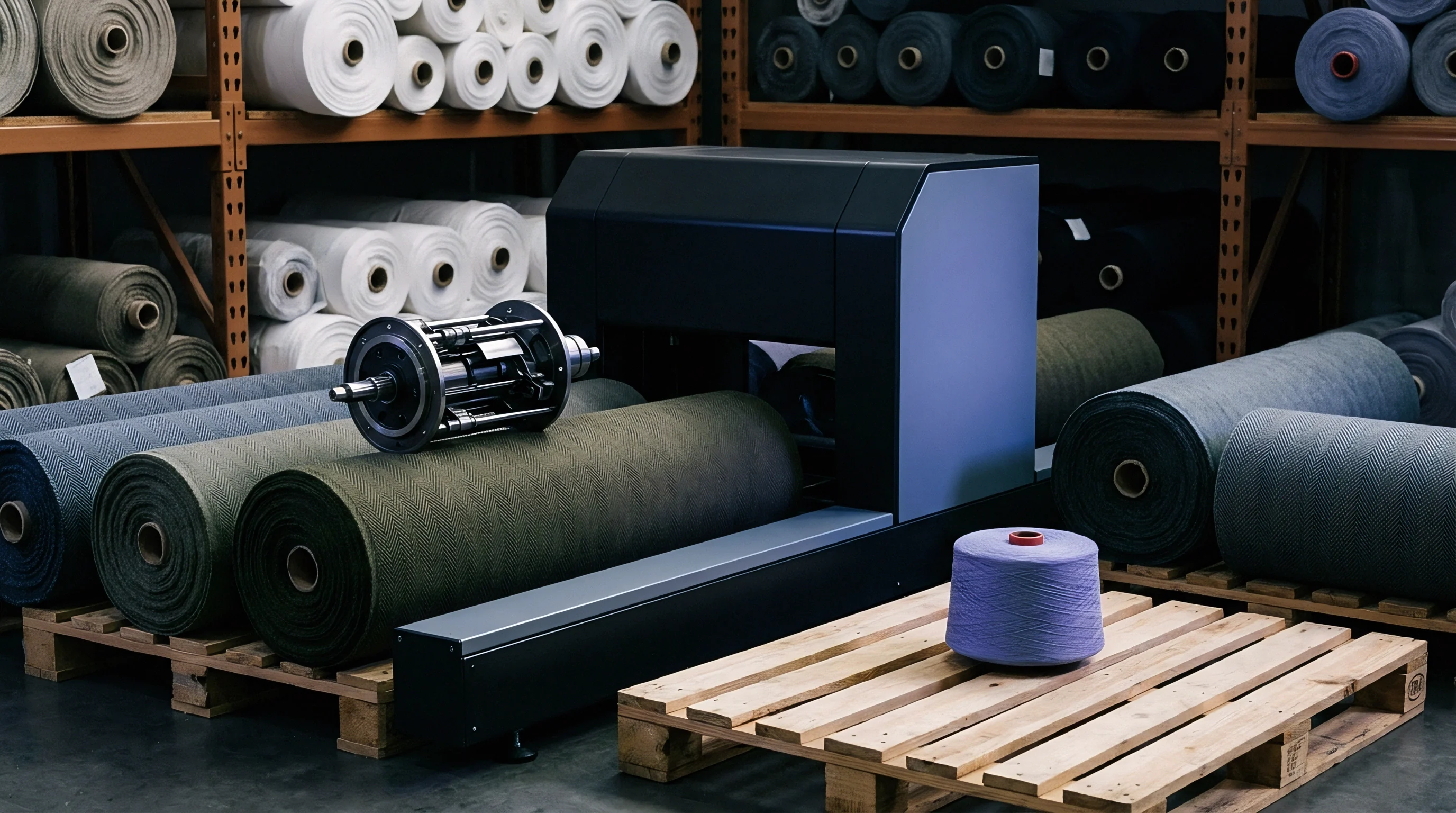
Automated liquid chemical dispensing systems leave clear digital footprints across SCADA event tables and SQL database logs. When mills operate during certification gaps, physical flow meter readings and pump rotational count telemetry offer objective evidence of actual chemical additions. Mechanical dosing equipment provides physical confirmation when written batch records are incomplete or altered.

Digital Forensics on Automated Dispensing Hardware
Flow meter calibration drift alters liquid volume delivery during high-throughput dyeing cycles. Automated dosing terminals rely on positive displacement pumps or electromagnetic flow meters to measure liquid auxiliaries moving from storage tanks to dye machines. Mass flow meters register fluid density alongside volumetric flow, enabling the detection of chemical concentration changes caused by diluting raw materials with water or unapproved solvents.
Pneumatic dosing pump controllers record stroke count pulses within internal memory registers. Comparing registered pump pulse counts against logged volume dispatches identifies mechanical manipulation. If a PLC log reports fifty liters of acetic acid transferred to Jet Machine 4, but the pump stroke register logs seventy-five stroke pulses, an unrecorded volumetric dispatch occurred.
Technical audits extract controller event logs to uncover manual override events where machine operators forced dispensing valves open using local control panels.
Flow meter pulse discrepancies between SCADA dispatch logs and physical pump registers expose unrecorded chemical additions.

Does Meter Discrepancy Signal Uncertified Auxiliary Substitution?
Flow meter calibration drift exceeding two percent alters liquid volume delivery during high-throughput dyeing cycles. Mismatches between flow meter pulse totals and database dosing entries signal intentional bypass activities or severe equipment neglect. Operators attempting to conceal restricted chemical additions often disconnect flow meter feedback cables, forcing dispensing systems to operate in open-loop timed mode.
Timed dispensing allows uncontrolled chemical volumes to enter the dye bath without creating exact digital mass records.
Audit procedures evaluate flow meter diagnostic registers for drop-outs, zero-point shifts, and signal loss events recorded during the scope lapse. A concentration of communication faults during a certificate gap indicates active tampering with chemical delivery tracking infrastructure.
Systematic assessment of automated dispensing hardware requires screening for specific mechanical and digital manipulation indicators.
- Flow Meter Signal Loss Diagnostic logs show repeated loss of pulse input signals, indicating operators disconnected feedback loops to perform manual bucket additions.
- Density Anomalies Mass flow meter density measurements drop below certified chemical baseline values, proving raw auxiliary dilution within supply drums.
- Unregistered Relay Signal Activations SCADA system event logs display manual electrical relay force commands that energized dosing pump motors outside scheduled recipe sequences.
- Storage Tank Telemetry Mismatches Hydrostatic level sensors on bulk chemical storage drums register inventory drops that do not correlate with logged dispense transactions.
Failing to reconcile digital pump dispense logs with physical drum weights leaves the entire production batch vulnerable to immediate rejection at the destination port.


Reckoning
Certification bodies enforce strict boundaries when evaluating retro-certification requests for goods produced during scope certificate gaps. The Global Organic Textile Standard version 7.0 and Textile Exchange Policy TE-301 dictate that products manufactured without active scope coverage cannot receive retroactive Transaction Certificates. Downstream brand owners facing uncertified production windows must decide whether to reject finished shipments, absorb commercial risk, or commission exhaustive forensic audits.

Transaction Certificate Gatekeeping
Transaction Certificate issuance represents the formal verification step that links a specific fiber lot to a finished fabric shipment. Certifiers review scope validity dates automatically when a mill submits a TC application. If the production timestamps fall outside the active scope certificate window, the digital certification portal blocks TC generation immediately.
Resolving blocked TCs requires submitting a comprehensive gap clearance file to the certification body’s technical committee. The clearance file must establish that every chemical input utilized during the uncertified window satisfied relevant standard criteria, such as ZDHC MRSL Version 3.1 compliance and GOTS approved chemical inputs lists. The presence of a single unverified chemical input during the lapse results in permanent denial of transaction documentation for all affected production lots.
Unbroken paper and digital evidence chains represent the sole mechanism for converting uncertified gap production into market-cleared inventory.
Constructing a compliant gap clearance dossier demands strict alignment across multiple physical and administrative verification categories.
- Time-Stamped SCADA Archives Cryptographically signed database exports showing every chemical dispense action performed across all dyeing machines during the uncertified date range.
- Complete Chemical Lot Provenance Invoices, bills of lading, and certificates of analysis matching every chemical drum used during the gap to active MRSL positive lists.
- Independent Wastewater Test Reports Analytical testing files for wet-processing effluent collected during the lapse window, showing complete absence of prohibited restricted substances.
- Third-Party Sampling Reports ISO 17025 accredited laboratory test reports covering finished fabric samples pulled from every production lot manufactured during the scope gap.
An unverified chemical log entry during a certificate gap invalidates downstream transaction documentation across the complete delivery chain.


Audit
Laboratory screening protocols provide physical verification when chemical dosing logs show unexplained volume discrepancies during certificate lapses. Analytical chemistry methods isolate residual processing chemicals remaining on finished textile substrates. When administrative records fail, laboratory testing serves as the definitive arbiter of product safety and environmental compliance.

Analytical Screening Matrices
Analytical testing strategies focus on identifying chemical residues that signal the use of uncertified auxiliaries or banned dyes during production gaps. Gas Chromatography-Mass Spectrometry screens for volatile organic compounds, carrier solvents, and phthalate plasticizers. Liquid Chromatography-Tandem Mass Spectrometry detects residual alkylphenol ethoxylates, fluorinated oil-repellent finishes, and forbidden dispersants down to sub-part-per-million levels.
ISO 14362-1 and ISO 14362-3 test methods specify reductive cleavage protocols to identify banned aromatic amines derived from azo colorants. Inductively Coupled Plasma Mass Spectrometry quantifies total extractable heavy metals, including chromium, nickel, copper, and cobalt, revealing the use of unapproved metal-complex dyes or low-grade salt fixatives. Testing costs accumulate rapidly when screening large production runs, making statistical acceptance sampling essential for cost-effective risk mitigation.
| Test Parameter | Standard Test Method | Limit of Detection | Target Restricted Chemical | Sample Cost Range |
|---|---|---|---|---|
| Cleavable Aromatic Amines | EN ISO 14362-1:2017 | 5.0 mg/kg | Banned Azo Colorants | $180 – $250 |
| Alkylphenol Ethoxylates | EN ISO 18218-1:2023 | 5.0 mg/kg | NPEO / OPEO Surfactants | $150 – $220 |
| Extractable Heavy Metals | EN ISO 16711-1:2015 | 0.1 mg/kg | Cr VI, Cd, Pb, As, Hg | $120 – $190 |
| Per- and Polyfluoroalkyls | CEN/TS 15968:2010 | 0.025 mg/kg | PFOS / PFOA Water Repellents | $320 – $450 |
| Chlorinated Organic Carriers | DIN 54232:2010 | 0.2 mg/kg | Trichlorobenzenes | $140 – $200 |
| Cost figures represent standard commercial rates for accredited ISO 17025 textile testing facilities as of 2024. | ||||
Statistical sampling plans following ISO 2859-1 dictate the number of fabric rolls subjected to destructive chemical extraction. For an Acceptable Quality Limit of 1.0 covering restricted substance compliance, a ten-thousand-meter lot requires pulling swatches from twenty-six individual rolls across the beginning, middle, and end of production runs. Analyzing composite swatches reduces overall laboratory expense while preserving statistical confidence across uncertified production batches.
Industry compliance desks continue to debate whether digital PLC cryptographic signatures will replace physical laboratory batch testing as the primary standard for resolving supply chain gaps.