Flow Relationship
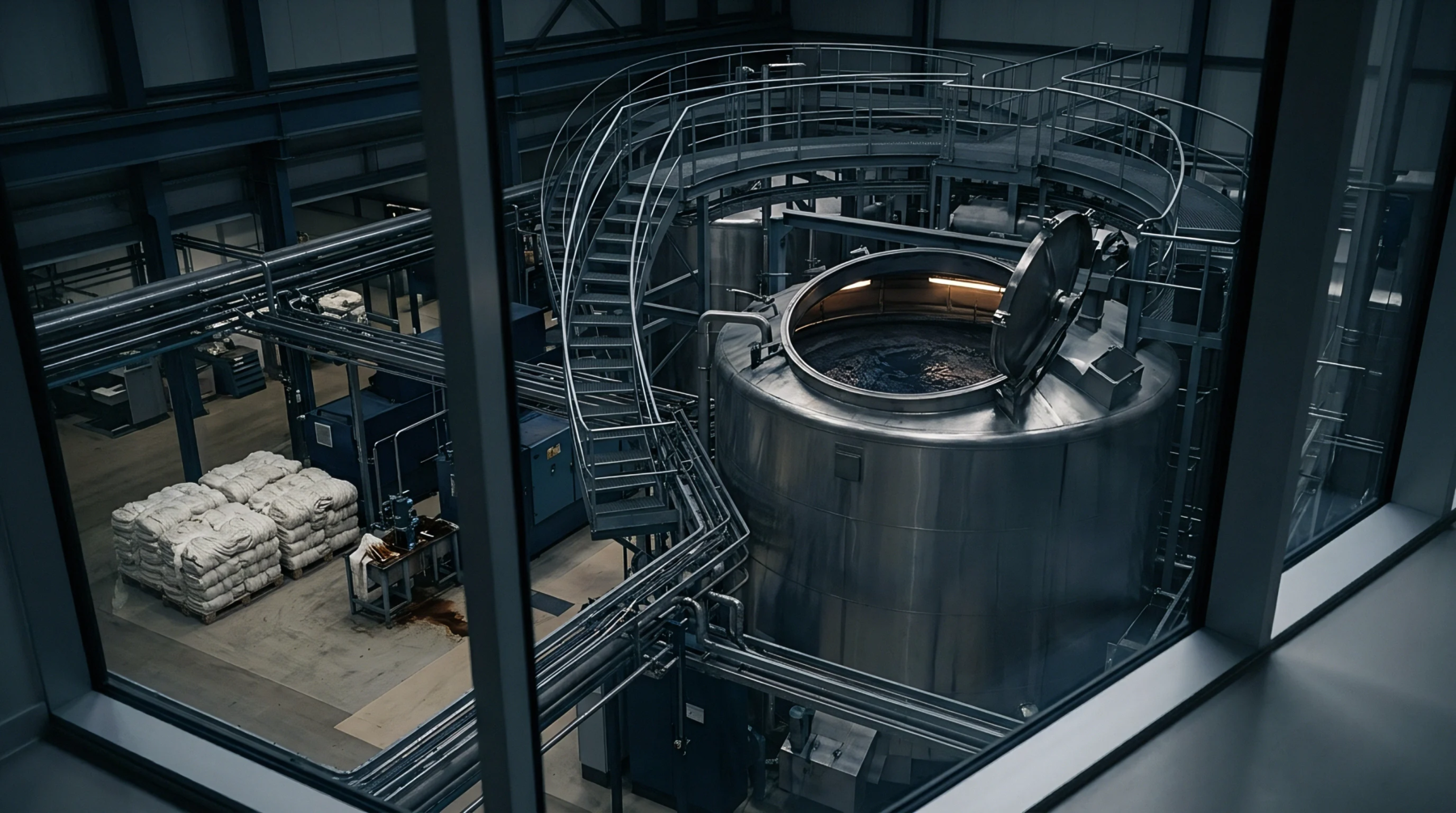
Total mass of the aqueous dyebath solution divided by the oven-dry mass of the textile material defines the numerical value applied during wet processing. Jet dyeing liquor ratio describes the proportional volume of water relative to the weight of goods currently undergoing chemical exhaustion or fixation inside a pressure vessel. High water volumes dilute the chemical concentration and increase energy consumption for heating, while lower volumes risk mechanical abrasion and uneven colour distribution on the fibre surface.
Operators calibrate this figure before starting the cycle to ensure consistent substrate penetration.
Weight Calibration
Modern machinery reduces the water requirement per kilogram of textile to minimize chemical waste and utility costs. Maintaining a tight jet dyeing liquor ratio demands precise control over the initial loading of fabric and the exact volume of water introduced into the circulation loop. Automated sensors monitor the bath level to prevent drops that would starve the pump of fluid or lead to pipe blockages during high-speed circulation.
Variations in textile density necessitate specific adjustments to prevent local drying or uneven cooling patterns within the chamber.
Process Efficiency
Reduced liquid loads shorten the cycle time by requiring less energy to bring the entire bath to the target operating temperature. Faster thermal transitions save steam consumption and shorten the time that sensitive fibres remain under high pressure. Optimal settings achieve uniform dye distribution without the excessive waste associated with standard atmospheric overflow machines.
Efficient management of this parameter remains the primary method for controlling the environmental impact of industrial batch dyeing.
Commercial Impact
Compliance with specified ratios dictates the chemical costs and wastewater treatment obligations for the dyehouse facility. Buyers evaluate these metrics during facility audits to determine if a supplier maintains control over resource consumption and chemical exhaustion rates. Consistent application ensures the repeatability of colour matches across different production batches and prevents the costly rework caused by bath volume irregularities.
Accurate measurement of this volume provides the basis for calculating total dye and auxiliary agent additions required for the specific material weight.