Hydrolytic Action
Starch removal from woven grey goods relies on targeted biochemical breakdown during wet preparation processing. Enzymatic desizing targets natural sizing agents applied before weaving to protect warp yarns from mechanical friction on high speed looms. Commercial buyers verify the completeness of this starch elimination using the iodine spot test at the finishing mill inspection table.
The treatment applies strictly to fabrics constructed with starch or amylaceous warp sizes. Synthetic sizes require entirely different removal protocols involving hot water washing or solvent extraction. Residual starch left behind on the fabric surface prevents subsequent dye uptake and creates uneven coloration during piece dyeing.
Commercial Liquors
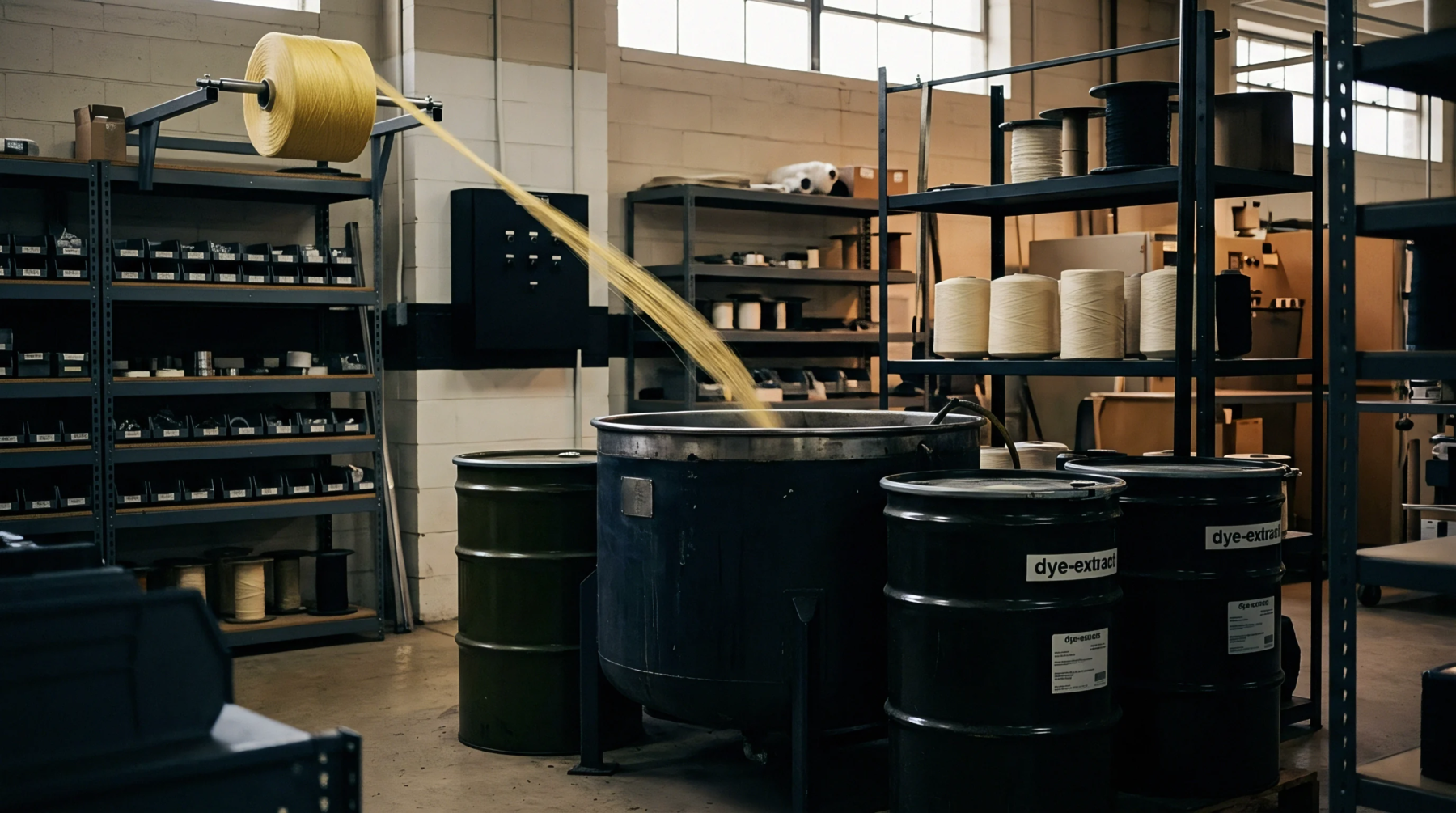
Aqueous baths containing amylase proteins operate within tightly controlled temperature and pH parameters to catalyze starch degradation without damaging underlying cellulose fibres. Mill operators introduce the prepared fabric into baths containing specific bacterial or fungal enzymes formulated for rapid gelatinization and liquefaction of sizing polymers. Hydrolysis splits long chain starch molecules into water soluble dextrins that rinse away freely in subsequent wash boxes.
Production speed depends directly on bath temperature and activator concentration maintained inside the continuous wash range. Operators monitor liquor concentration continuously because exhaustion causes incomplete sizing removal and leads to subsequent processing failures in bleaching and dyeing ranges.
Cellulose Preservation
Undamaged structural integrity of cotton or rayon substrates remains paramount during the degradation of unwanted surface coatings. Amylase proteins exhibit high substrate specificity which prevents accidental attack on the interior glucose polymer chains of the fibre itself. Overheating the treatment bath denatures the protein catalyst and halts the hydrolysis reaction prematurely while excessive dwell time wastes thermal energy without improving cleaning efficiency.
Quality controllers check tensile strength retention on finished swatches to confirm that the biological catalyst acted exclusively upon the targeted sizing material.
Effluent Quality
Spent liquor discharge from washing compartments carries dissolved dextrins and residual organic matter into the mill effluent treatment plant. Biochemical oxygen demand levels in the wastewater rise sharply following starch hydrolysis because bacteria consume the breakdown products during biological secondary treatment. Plant engineers manage wastewater loading by balancing chemical dosing rates and optimizing wash water flow through multi stage counter current rinsing boxes.
Reduced sizing solids in the final effluent simplify biological treatment operations at municipal discharge points and lower overall processing compliance costs for the production facility.