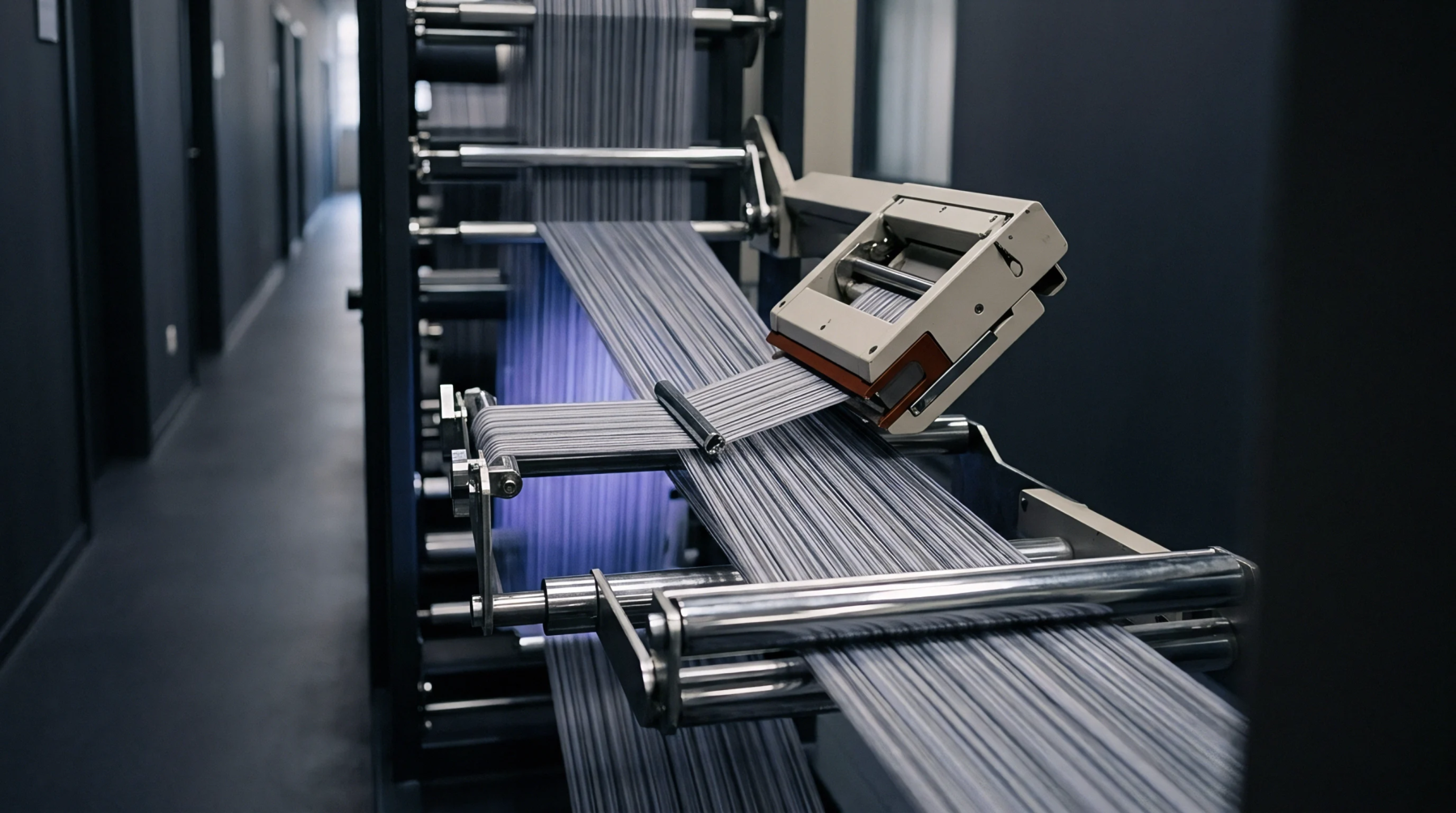
Material depletion
A percentage figure represents the weight of fiber that disappears during the transformation from raw stock to finished goods. Mills calculate yield loss to account for trimming, invisible dust, and chemical stripping that occurs within the production cycle. Understanding these gaps allows planners to order enough raw material to satisfy the final garment count required by the client.
Wastage is part of life.
Economic drain
Frequent measurement of trash collection and cutting room floor scraps identifies where physical value is leaking from the machine. High yield loss often signals that the knitting tension is incorrect or that the fiber strength is too low for the desired sewing speed. Factories with better maintenance routines usually see lower numbers in this category compared to older facilities.
Efficiency saves bottom lines.
Planning logic
Buyers must agree on whether the unit price includes the lost fibers or represents only the weight of the final delivery. Calculating yield loss early in the design stage ensures that profit margins are not erased by higher than expected shrinkage during the wash tests. Because every fiber type reacts differently to mechanical stress, these numbers differ across wool and polyester programs.
Inventory stays accurate.
Quantity limit
Calculations identify the difference in weight but do not explain the fiber quality issues involved. Although yield loss tracks the volume gone, it provides no data on the shade match or sewability of the fibers that remain. It monitors efficiency.