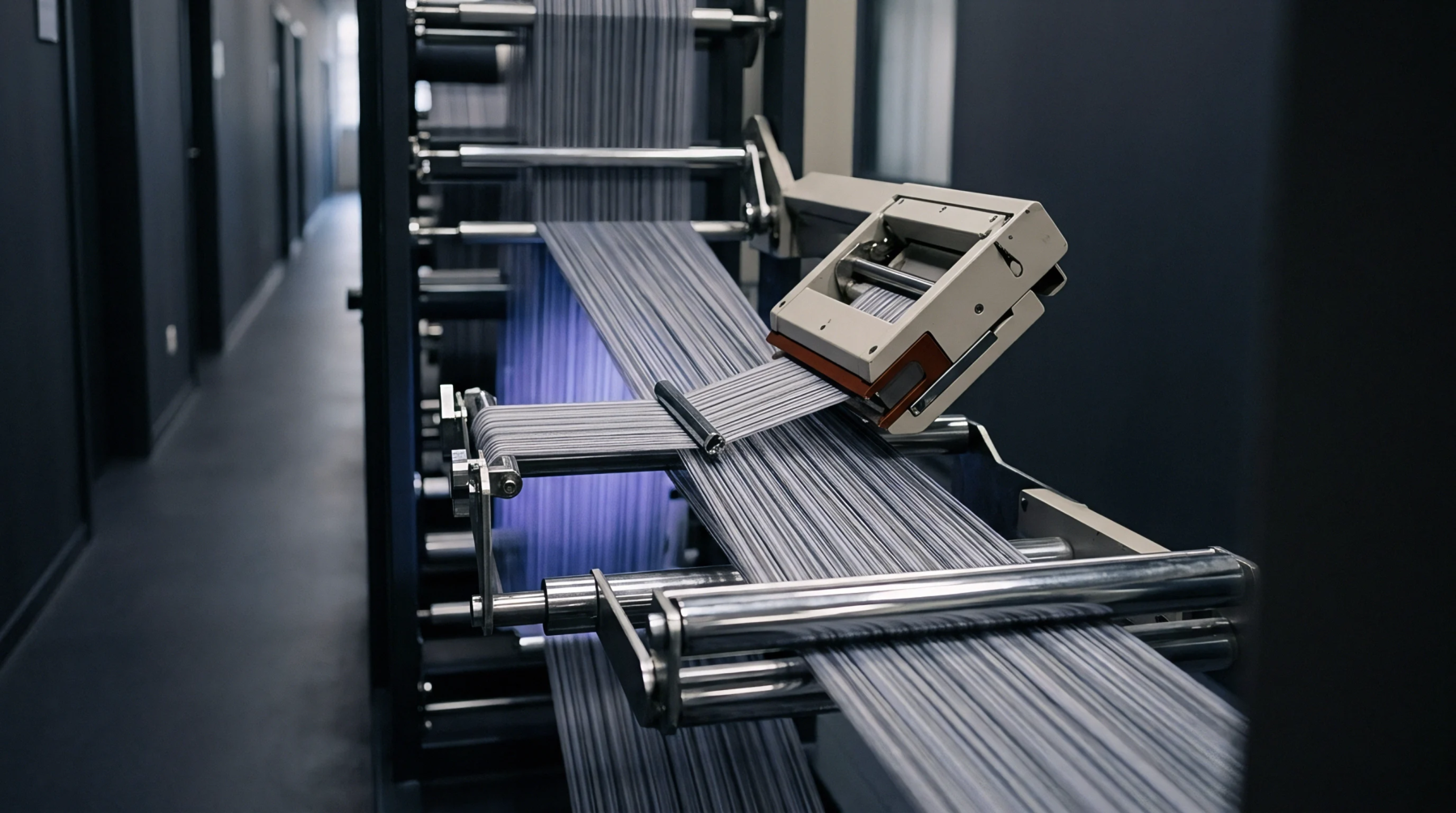
Pressure Resistance
Hydraulic diaphragm deformation testing defines the maximum load a textile specimen sustains before rupture occurs through perpendicular force application. Burst strength ISO 13938 functions as the primary international protocol for assessing knit or nonwoven fabrics that lack the directional stability required for traditional grab or strip tensile evaluation. Laboratories secure a circular fabric sample over an elastic membrane, which inflates under controlled liquid pressure until the material fails.
This procedure quantifies mechanical integrity in multiple directions simultaneously, providing data that represents the multi-axial stresses common in garments during usage. Testing setups distinguish between two methods where one utilizes a constant rate of pressure increase and another relies on a constant rate of expansion. Each variant establishes specific boundary conditions to account for variations in material elasticity and mass per unit area.
Material Performance
Fabric behavior during this measurement relies on the interaction between fiber tenacity and construction density. The burst strength ISO 13938 result provides a specific kilopascal value that characterizes the point of catastrophic failure within the test area. Low values suggest poor inter-yarn friction or insufficient fiber strength, while high values indicate tighter loops or stronger structural bonding.
Technicians observe the surface deformation until the fabric structure breaks, recording the pressure drop at that exact moment. Analysts compare these laboratory values against production specifications to verify that finishing treatments or excessive heat setting did not compromise structural coherence.
Test Integrity
Accurate measurements depend on the clamping mechanism and the calibration of the liquid displacement pump. Operators ensure the specimen remains taut and free from creases to prevent premature failure at the edge of the circular aperture. The rubber diaphragm requires replacement according to a strict schedule because stiffness changes alter the resistance recorded by the sensor.
Calibration procedures track the pressure consumed by the membrane alone, which the software then subtracts from the total reading to isolate the true force exerted by the fabric. Failure to account for membrane aging leads to biased data that misrepresents the actual performance of the textile lot.
Production Verification
Commercial quality assurance relies on these results to approve garment fit and longevity in items subject to significant physiological tension. Apparel manufacturers set minimum internal standards derived from burst strength ISO 13938 to prevent seam splitting or localized thinning during daily wear. Mills provide these metrics as proof of compliance with technical requirements for stretch knits used in sportswear or intimate apparel.
Quality departments flag deviations from established baselines as indicators of raw material inconsistency or process instability during the finishing stage. These metrics represent the ultimate threshold for material durability against perpendicular loading across diverse textile constructions.