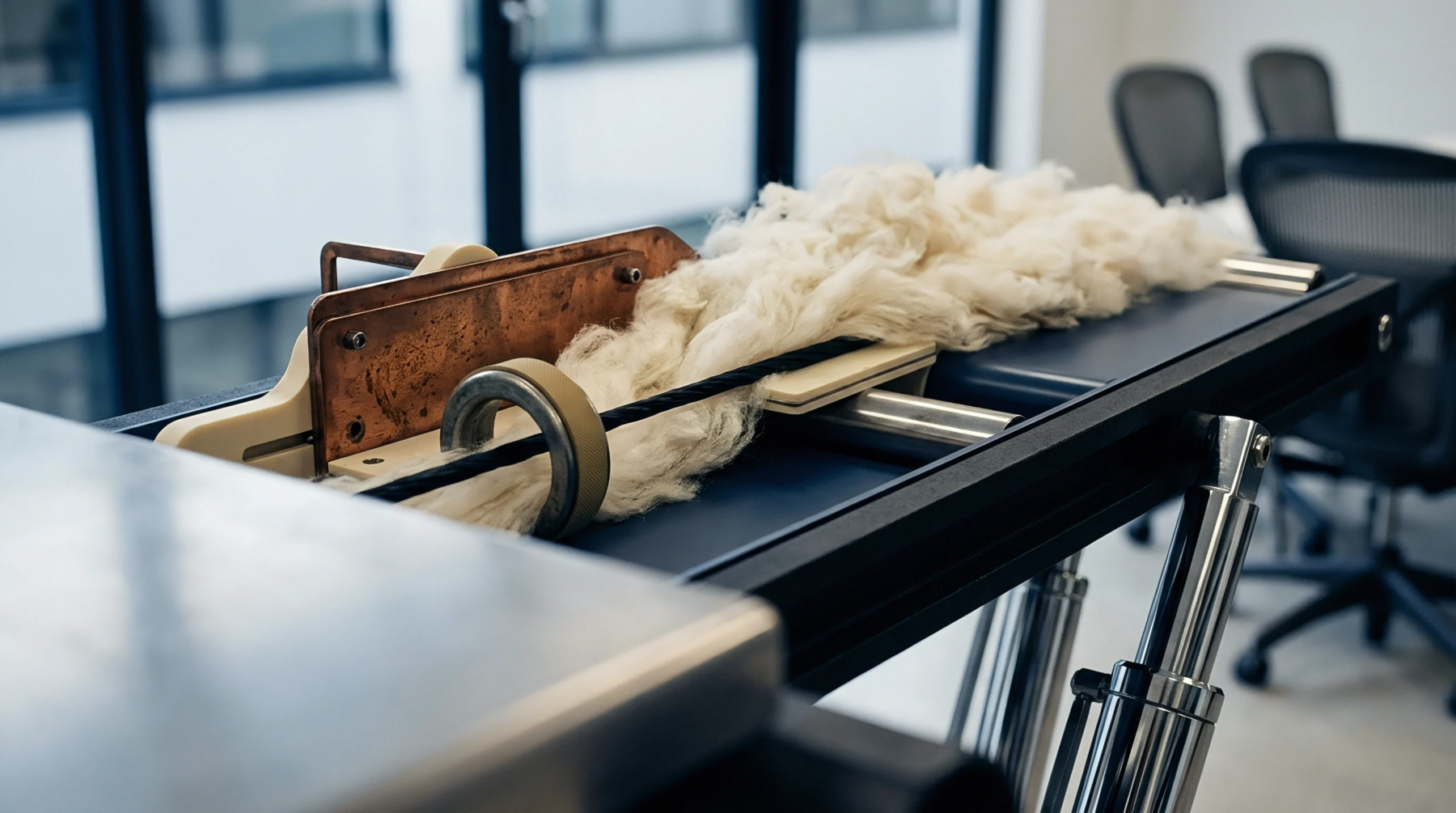
Isolation Sequence
Safety configurations in high pressure steam or chemical lines utilize two shut-off valves and an independent drain to prevent the unintended mixing of fluids. Using double block and bleed setups ensures that maintenance crews can work on dyeing vats without the risk of hazardous chemicals leaking through a single faulty seal. This arrangement creates a physical gap that vents any seepage to a safe location or a pressure gauge.
Leakage Protection
Operators close both main valves and open the vent to confirm that the isolation is complete and reliable. In a double block and bleed system, the absence of fluid at the bleed point proves that the upstream valve is holding back the pressure of the supply line. If the first valve fails, the second valve acts as a backup while the bleed valve prevents the fluid from building pressure against it.
Equipment Safety
High temperature dyeing machines rely on these configurations to protect workers from thermal burns during filter changes or seal replacements. Because the double block and bleed mechanism provides a visible proof of isolation, it is a standard requirement for hazardous energy control programs.
Manifold Design
Compact valve blocks often integrate all three components into a single unit to save space in the mill.